Source Outdoor Bluestone Driveway Brick Pavers for Garden, Walkway, Driveway
Compare 30 listings of Outdoor Bluestone Driveway Brick Pavers from Chinese suppliers. Review specifications including material, finish, and dimensions to find suitable options for garden, walkway, and driveway projects.
Key considerations
Products List
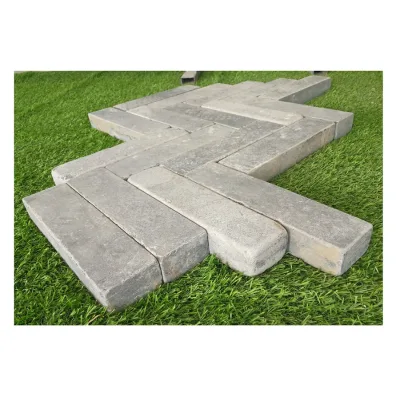

Bluestone Black Basalt Pavers Driveway Paving Stones Cobblestones
$20.76 - $23.80
MOQ: 50 Square Meters

Chinese Blue Limestone Honed Tumbled Brick Pavers for Driveway and Patio
$15.00 - $25.00
MOQ: 100 Square Meters

Different Shape Design Natural Granite Mesh Cobblestone Pavers for Stone Driveway
$25.00 - $39.00
MOQ: 20 Square Meters

Custom Cheap Outdoor Natural Granite Stone Brick Pavers, Paving Stone
$20.00 - $30.00
MOQ: 10 Square Meters


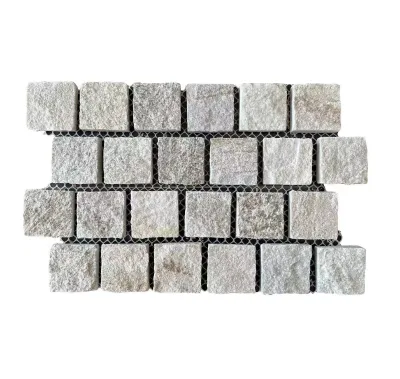


High Quality Cheap Price Ceramic Water Permeable Paver Ceramic Clay Paving Brick for Plaza
$19.00 - $25.00
MOQ: 240 Square Meters
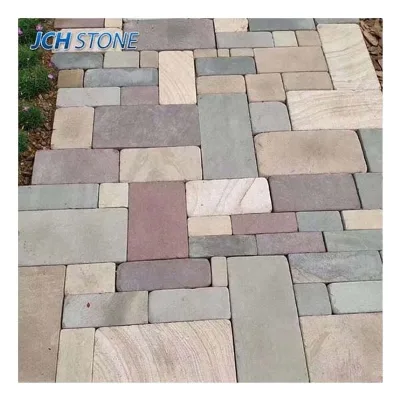

White/Gray Granite Cube Exterior/Outdoor Landscape Driveway Brick Floor/Wall Paving/Cladding Stone
$11.00 - $13.00
MOQ: 500 Square Meters

White Granite G603 Tiles Outdoor Driveway Paving Stone Cube Bricks
$11.30 - $18.00
MOQ: 500 Square Meters

Four Sides Tumbled Black Basalt Stone Granite Block Paving for Driveway
$11.00 - $13.00
MOQ: 200 Square Meters

Comprehensive Sourcing Guide
Outdoor Bluestone Driveway Brick Pavers Sourcing Guide
Sourcing natural stone for exterior hardscaping requires a disciplined approach to material verification and supplier alignment. The market for Outdoor Bluestone Driveway Brick Pavers is characterized by a wide variance in finish quality, dimensional tolerance, and structural integrity. Buyers must navigate between generic limestone listings and true bluestone specifications, ensuring that the visual aesthetic matches the functional demands of high-traffic vehicular and pedestrian zones. This guide outlines the critical verification steps necessary to secure a reliable supply chain for these durable paving solutions.
The procurement process begins with understanding the specific product signals observed in current market listings. While many suppliers offer "blue limestone" or "pavement tiles," the actual material composition and processing methods vary significantly. Buyers should focus on suppliers who provide transparent data regarding density, water absorption, and compressive strength, as these metrics directly correlate with the paver’s longevity in outdoor environments. Establishing clear technical requirements before engaging with suppliers prevents costly mismatches between expected performance and delivered product.
Product Scope and Observed Listing Signals
Current market observations indicate a diverse range of products labeled under similar categories, including blue limestone, granite, and general pavement tiles. Listings frequently highlight a "Modern" design style with applications extending beyond driveways to include gardens, walking ways, and outdoor patios. The observed price range for these items spans from $6 to $52.9 per unit, reflecting significant differences in stone quality, thickness, and finishing techniques. Buyers must carefully distinguish between basic cut-to-size blocks and premium, precision-finished pavers designed for heavy-duty driveway use.
The physical attributes of these pavers often include specific surface finishes such as flamed, bush-hammered, or tumbled options, which are critical for slip resistance in outdoor settings. Some listings specify a "Natural Split" or "Saw Cut" finish, while others offer polished surfaces with a gloss degree above 85. It is essential to verify the exact surface treatment required for your specific climate and usage pattern, as polished stones may become hazardous when wet. Additionally, packaging details typically involve strong, fumigated wooden crates, which protect the stone during international transit but add to the overall landed cost.
Technical Specifications to Verify
Dimensional accuracy and structural performance are paramount when selecting pavers for driveways. Buyers should verify the thickness of the stone, with common specifications including 3cm variants, and ensure that the tolerance for size differences is within acceptable limits, such as plus or minus 1mm. The density of the stone is a key indicator of durability, with observed values ranging from 2160 to 2700 kg/m³. Higher density generally correlates with better resistance to freeze-thaw cycles and heavy vehicular loads, making it a critical parameter for driveway applications.
Mechanical properties such as compressive strength and flexural strength must be explicitly confirmed by the supplier. Observed data points to compressive strengths around 153 MPa and flexural strengths near 16.2 MPa, which are suitable for outdoor paving. Water absorption rates are equally important, with some listings reporting values as low as 0.12% to 0.26%. Low water absorption minimizes the risk of staining and structural damage from moisture ingress, particularly in regions with harsh weather conditions. Buyers should request test certificates for these metrics to ensure the product meets the engineering requirements of the project.
Compliance and Safety Documentation
Safety in outdoor environments is heavily dependent on the surface texture and slip resistance of the pavers. While specific safety certifications may vary by region, buyers should ensure that the chosen finish, such as flamed or bush-hammered, provides adequate traction. The hardness of the stone, observed at a value of 6.6 on relevant scales, contributes to its wear resistance but does not guarantee slip resistance. Therefore, visual inspection of samples or detailed product descriptions regarding surface roughness are necessary to prevent accidents in wet conditions.
Environmental and handling compliance is another critical area for verification. The use of fumigated wooden crates for packaging suggests adherence to international phytosanitary standards, which is essential for cross-border trade. Buyers should confirm that the supplier provides necessary documentation for customs clearance, including material safety data sheets if applicable. Additionally, understanding the warranty terms, such as the 3-year warranty observed in some listings, can provide insight into the supplier’s confidence in their product’s durability and finish retention over time.
Cost Drivers and Commercial Terms
The total cost of outdoor bluestone pavers is influenced by several factors, including the raw material quality, processing complexity, and packaging requirements. The observed minimum order quantity (MOQ) ranges from 1 to 500 units, with some suppliers specifying MOQs in square meters, such as 50 M². Buyers should calculate the cost per square meter, including packaging and shipping, to compare suppliers accurately. The supply ability of suppliers, ranging from 5000 to 20000 square meters per month, indicates their capacity to handle large-scale projects without significant delays.
Shipping and logistics play a significant role in the final price. The port of dispatch is typically listed as a China port, with delivery options including sea, air, or car transport. Sea freight is often the most cost-effective method for heavy stone products, but it requires careful planning to manage lead times. Buyers should negotiate clear Incoterms to define responsibility for insurance and customs duties. Additionally, customization options, such as cut-to-size specifications, may incur additional costs and longer lead times, which should be factored into the project budget and schedule.
Supplier Qualification and Quality Control
Evaluating supplier capability involves assessing their production processes and quality control measures. Suppliers offering "total solution for projects" and OEM support demonstrate a higher level of service readiness, which can be beneficial for complex installations. Buyers should verify the supplier’s brand reputation and after-sale service provisions, such as online technical support, to ensure assistance is available during and after installation. The availability of customization services allows for tailored solutions but requires rigorous quality checks to maintain consistency across large orders.
Quality control should include pre-shipment inspections to verify dimensional accuracy, color consistency, and surface finish. Buyers should request samples before placing bulk orders to assess the actual quality of the stone. The observed variation in water absorption and density across different listings highlights the importance of batch consistency. Establishing a clear quality agreement with the supplier, including acceptance criteria for defects and tolerances, is essential to mitigate the risk of receiving substandard materials.
Long-Term Procurement Checks
Sustainable and reliable sourcing requires ongoing monitoring of supplier performance and market trends. Buyers should track the supplier’s ability to meet delivery schedules and maintain consistent quality over multiple orders. The main markets for these products, including Europe, America, Russia, Australia, and the Middle East, indicate a global demand that can influence supply chain dynamics. Understanding these market trends can help buyers anticipate potential shortages or price fluctuations.
Long-term relationships with suppliers can lead to better pricing and priority service, but they require regular evaluation. Buyers should conduct periodic audits of the supplier’s production capabilities and quality management systems. Additionally, staying informed about changes in international trade regulations and environmental standards is crucial for maintaining compliance. By maintaining a proactive approach to supplier management, buyers can ensure a steady supply of high-quality outdoor bluestone pavers for their projects.
FAQs
What material is used for these outdoor paving tiles?
The product is made from Blue Limestone with a natural finish. It features a compressive strength of 153MPa and low water absorption of 0.26%, ensuring durability for outdoor driveways and garden paths.
Can I customize the size and shape of the pavers?
Yes, customization is available for different shapes and sizes. Standard options include 60x60cm and 30.5x30.5cm, but the manufacturer supports cut-to-size requests to meet specific project requirements.
How is the product packaged for international shipping?
Items are packed in strong, fumigated wooden crates to ensure seaworthy transport. Each single package measures 45x30x40 cm with a gross weight of 100 kg, protecting the stone during transit.
What is the minimum order quantity for these pavers?
The minimum order quantity is 50 square meters. This threshold applies to the Blue Limestone paving stones, which are supplied by manufacturers in China with a monthly capacity of up to 5000 square meters.
Which surface finishes are available for the stone tiles?
Multiple surface finishes are available including natural split, saw cut, bush-hammered, flamed, and honed. The specific finish depends on the product selection, with flamed and polished options offering different textures.
What is the warranty period for these paving stones?
The product comes with a 3-year warranty covering material integrity. Buyers also receive online technical support and OEM services to ensure the quality of the installation and long-term performance of the stone.