Source Outdoor Camping Balloon Wheels for Tools Storage
Compare 30 verified suppliers offering Outdoor Camping Balloon Wheels with features like telescoping handles and 600D Oxford fabric. These units support tools, shopping, and industrial storage with capacities up to 200kg; compare the available evidence and request quotations based on your requirements.
Key considerations
Products List

Beach Balloon Wheels Camping Trolley Wagon Balloon Wheel Camping Wagon
$61.56 - $65.55
MOQ: 300 Pieces


$75.00 - $87.00
MOQ: 100 Pieces
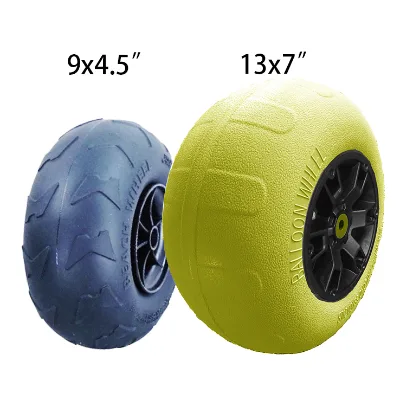
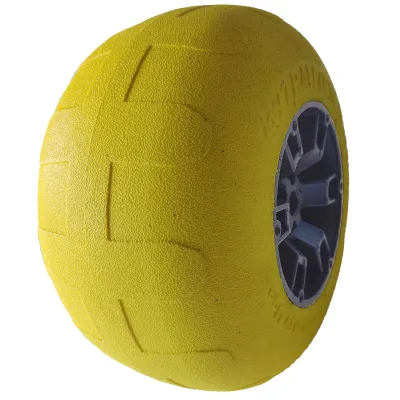
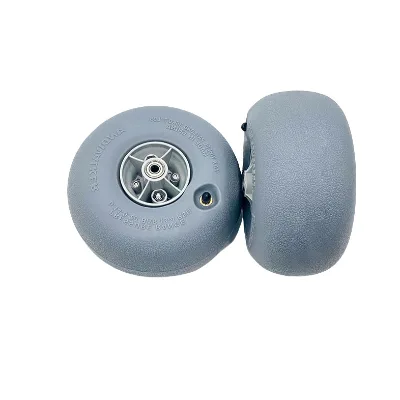


9 Inch Balloon Wheel Fishing Cart Folding Wagon Muti-Function Camping Beach Wagon
$55.00 - $100.00
MOQ: 50 Pieces

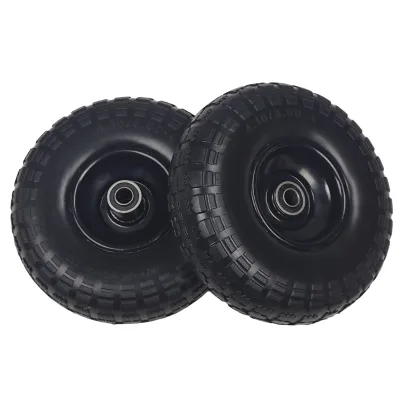
7 Inch Foam Wheels for Picnic Camping Foldable Wagon Multi-Function Wagon
$1.58 - $2.00
MOQ: 500 Pieces
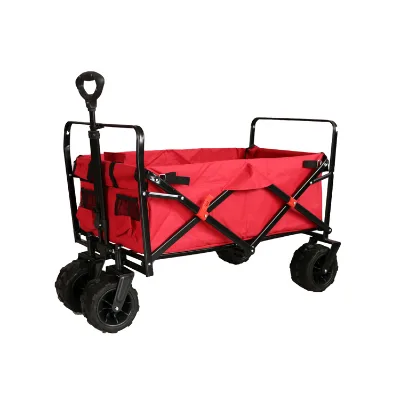
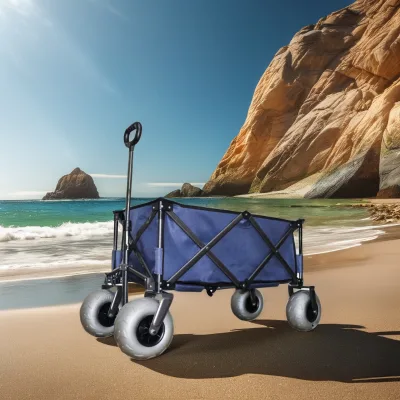
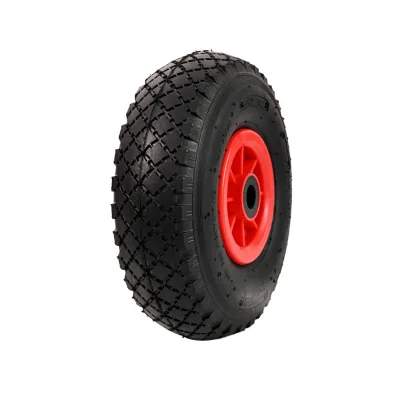
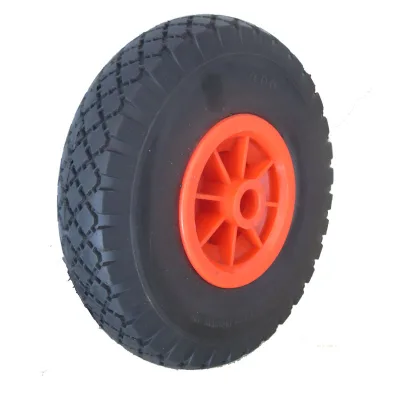
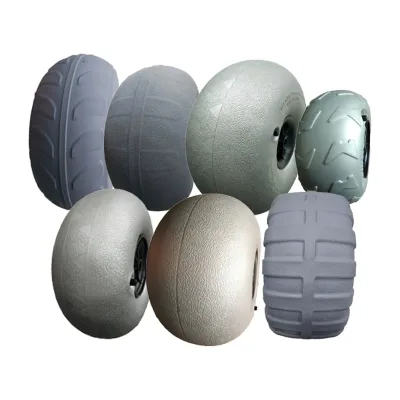


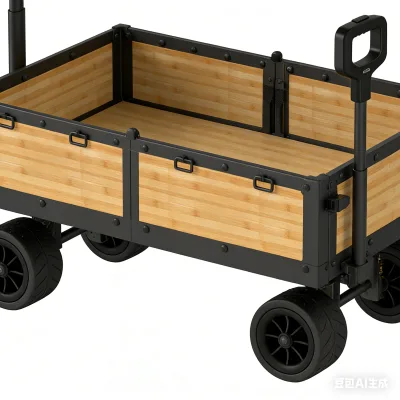
Heavy-Duty Folding Beach Wagon with Mesh Sides & Oversized Balloon Wheels
$25.38 - $26.38
MOQ: 50 Pieces

Comprehensive Sourcing Guide
Outdoor Camping Balloon Wheels Sourcing Guide
Balloon wheels — wide, low-pressure tires designed to float over soft surfaces rather than sink into them — occupy a distinct niche between standard utility carts and specialized beach equipment. For B2B buyers, the category typically spans folding wagons fitted with oversized PVC wheels, fixed-wheel trailers, and replacement wheel assemblies sold as standalone components. The supplied listings reflect this range: folding-frame wagons with removable 600D Oxford cloth bags, telescoping or fixed handles, and trailer-type platforms intended for tools, shopping, storage, office, and outdoor use across pavement, grass, and beach sand.
This guide is written for procurement teams evaluating Outdoor Camping Balloon Wheels for resale, rental fleets, or private-label programs. It organizes the verification work into product scope, technical specifications, compliance documentation, commercial terms, supplier qualification, and long-term procurement checks. Each section flags the decisions where listing data alone is insufficient and where direct supplier confirmation is required. Treat every attribute described here as an observation from supplied product pages — a starting point for due diligence, not a guarantee that any given listing satisfies it.
Product Scope and Observed Listing Signals
The observed listings fall into two broad product types. The first is folding wagons: carbon steel frames with plastic surface handling, storage pockets, removable fabric bags, and four wheels rated for load capacities in the 100–200 kg and 80–120 kg ranges depending on model. These suit camping, beach trips, and shopping, where the buyer folds the wagon flat for transport and removes the bag for cleaning or separate use. The second type is trailer-style platforms with fixed wheels, chrome-plated or powder-coated surfaces, and PVC construction, positioned for heavier or more stationary utility roles. Telescoping handles appear on folding models, while fixed handles suit simpler frames.
Terrain claims deserve careful reading. Several listings claim compatibility with pavement, grass, beach sand, and all-terrain use in a single attribute, but beach performance depends heavily on wheel width, diameter, and pressure — variables the supplied data compresses into a single wheel size. Buyers should treat terrain labels as marketing signals and request the actual wheel dimensions, tire construction, and axle ratings. Customization availability, OEM acceptance, and customized color options appear across the listings, which matters for buyers building branded product lines rather than stocking generic goods.
Technical Specifications to Verify
Start with the wheel itself, since it defines category performance. The listings reference 9×4 PVC wheels and a 215×115 mm wheel size, but buyers should confirm what those numbers mean in practice: overall diameter, tire width, hub width, and bearing type. Solid PVC wheels resist punctures — a genuine advantage on shell-strewn sand — but roll differently from pneumatic alternatives. Ask whether the PVC is a single-density molding or a two-layer construction with a softer tread, and confirm the axle diameter so replacement wheels fit existing frames. The listed optional sleeve sizes of 8.5, 12.5, 16, and 20.5 mm indicate that axle-fitting hardware is a real variable to specify.
Frame and fabric specs come next. Carbon steel frames with powder-coated or chrome-plated finishes should be checked for coating thickness and corrosion resistance, particularly for salt-air beach use. The 600D Oxford cloth bags should be verified for denier consistency, UV treatment, and stitching density at stress points. Confirm folded and deployed dimensions against the listed standards (for example, L1000×W580×H620/980 mm and L1050×W575×H660/980 mm) and the carton size of 800×440×300 mm for logistics planning. Net weights of 12.5–13.2 kg and gross weights of 14.5–14.8 kg give a baseline, but request actual weighing data per production batch.
Compliance and Safety Documentation
The listings reference certifications including ISO, CE, GS, TUV, and RoHS, but certification claims on product pages are only starting points. Buyers should request the actual certificates, verify they name the exact product model or family, check expiry dates, and confirm they were issued by an accredited body. RoHS compliance matters for any metal, plastic, or coated component entering regulated markets; CE marking obligations depend on how the product is classified in the destination market, so buyers — not suppliers — should determine which directives genuinely apply to a folding wagon or trailer platform.
Beyond certificates, ask for material safety documentation covering the 600D fabric, PVC wheels, and any coatings, particularly for products likely to contact skin or be used by families at beaches. Load capacity ratings of 100–200 kg or 80–120 kg should be supported by documented testing rather than asserted figures; ask what test method produced the rating and whether it reflects static load, dynamic rolling, or both. For folding mechanisms, request evidence that locking engagement was tested across repeated cycles. Retain all documentation in your vendor file, since customs authorities and retailers increasingly request it at point of import or listing.
Cost Drivers and Commercial Terms
Observed pricing spans roughly USD 1.58 to 300, which tells buyers the category includes everything from small replacement components to complete folding wagons — so compare like with like before benchmarking. Material choices are the primary cost levers: carbon steel versus lighter alloys, PVC versus upgraded tire compounds, 600D versus higher-denier fabric, and chrome plating versus powder coating. Customization (colors, OEM branding, custom bags) typically adds tooling or setup costs, so confirm whether customized orders carry a price premium and what MOQ applies to custom variants versus stock configurations.
Commercial terms observed in the listings include quoted MOQs from 2 to 500 units, delivery times of 30 and 45 days, carton packing (1 set per carton on some models), and origins in China, with Qingdao specifically noted. None of these figures should be assumed universal — confirm them per model and per order. Clarify Incoterms, payment structure, and whether the one-year warranty or "repair and replace accessories" after-sales terms apply to manufacturing defects only. Ask how price changes with order volume and whether freight is calculated on the 12.5–14.8 kg per-carton weights, since dimensional weight on bulky folded wagons often drives landed cost more than unit price does.
Supplier Qualification and Quality Control
Qualify suppliers by asking for evidence behind every listing claim rather than accepting the listing itself. Useful verification includes business licenses, factory audit reports or a willingness to host an inspection, references from other B2B buyers in the outdoor or utility cart category, and confirmation of in-house versus outsourced processes — particularly wheel molding, frame welding, and fabric sewing. A supplier quoting 30-day delivery for a stocked model may quote 45 days or longer for customized color or OEM variants, so build lead-time assumptions around your specific configuration, not the catalog default.
Quality control should be anchored in a written inspection standard agreed before production. Define AQL levels for a pre-shipment inspection covering: folding cycle function, handle telescoping lock, wheel rotation and axle fit, fabric seam strength, coating adhesion, and weight verification against the listed 12.5–13.2 kg net figures. Require golden samples signed by both parties, especially when colors are customized. For first orders, consider a pre-production sample review and a during-production check in addition to final random inspection. Document defect classification in advance so that cosmetic versus functional failures are handled consistently in claims under the one-year warranty terms.
Long-Term Procurement Checks
Plan the category as a multi-year program, not a one-off purchase. Spare parts availability is the first long-term question: wheels, axles, sleeves in the listed 8.5–20.5 mm range, handles, and replacement bags should remain orderable for the life of your customer base, and the "repair and replace accessories" after-sales model only works if those accessories are actually stocked. Confirm how long the supplier commits to supporting a given model number — the observed model identifiers (such as OTIA-CW004P-1 and CW004B-2) should map to a stable bill of materials you can audit annually.
Second, institutionalize continuity and escalation procedures. Keep signed samples, certification copies, and inspection reports on file; re-verify certifications annually since they expire; and re-confirm load ratings if the supplier changes wheel molds, fabric suppliers, or coating processes — silent specification drift is the most common long-term failure in this category. Negotiate capacity reservations for peak seasons, since beach and camping demand is seasonal and 30–45 day lead times consume much of the ordering window. Finally, track field failure rates by model and review them with the supplier at defined intervals, using warranty data to justify pricing, quality, or component-improvement discussions at renewal.
FAQs
What is the load capacity for these trailers?
The load capacity ranges from 80 to 200 kg depending on the specific model configuration. Some units support up to 200 kg while others are rated for 80-120 kg. This variation allows buyers to select the appropriate strength for their specific tool or shopping storage needs.
Can the handle be adjusted for different users?
Yes, the handle features a telescoping design that allows for easy adjustment. This ensures comfortable operation for users of varying heights. The fixed handle option is also available for specific models, providing stability for heavy loads during transport across different terrains.
Which certifications are required for these products?
Products typically hold ISO, CE, GS, TUV, and RoHS certifications. These credentials ensure compliance with international safety and quality standards. Buyers can verify specific certification documents for each model to meet regional regulatory requirements for industrial or consumer use.
What is the standard delivery lead time?
The standard delivery time is approximately 30 to 45 days. This timeframe accounts for manufacturing and quality control processes. Buyers should plan their inventory accordingly, as lead times may vary slightly based on order volume and specific customization requirements requested.
How are the units packed for shipping?
Units are packed in cartons, with specifications like 800mm by 440mm by 300mm for certain models. The net weight is around 12.5 to 13.2 kg, while the gross weight is approximately 14.5 to 14.8 kg. This packaging ensures safe transit and efficient storage.
Is customization available for bulk orders?
Yes, OEM and customization services are available for bulk orders. Buyers can request specific colors, such as silver or customized options, and modify features like storage pockets. This flexibility allows businesses to brand the products or tailor them to specific functional requirements.