Source Outdoor Camping Fuel Bottle for Hiking, Travel, and Mountaineering
Find 30 verified listings for Outdoor Camping Fuel Bottle options suitable for hiking, travel, and mountaineering. Buyers can compare specifications like capacity, material, and size to select the right gear for their needs.
Key considerations
Products List
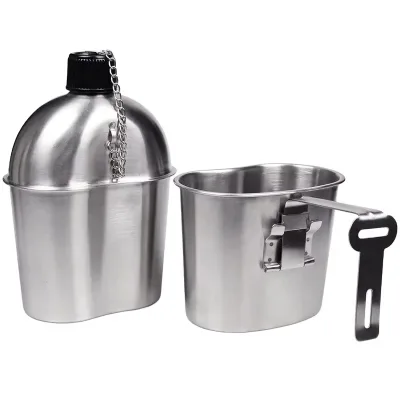
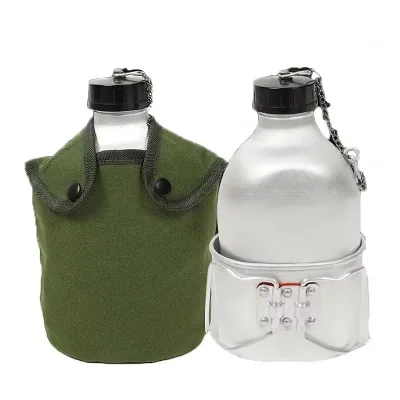
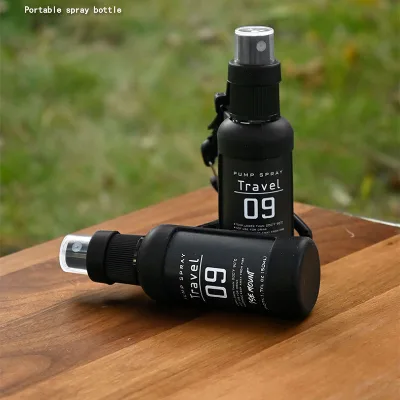
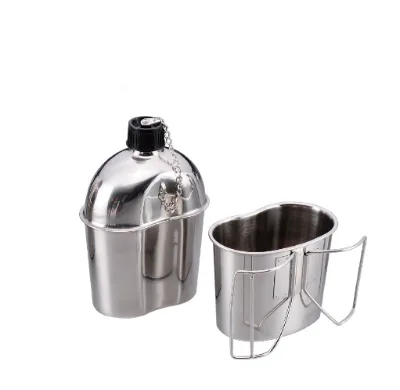

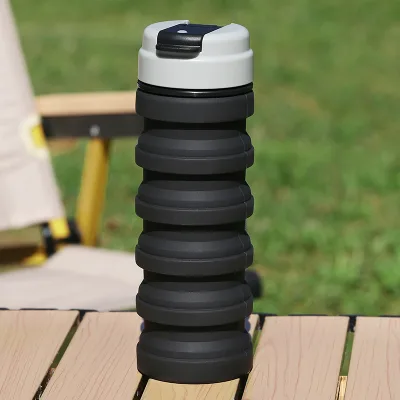


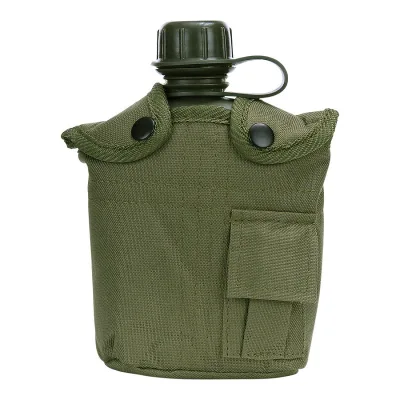
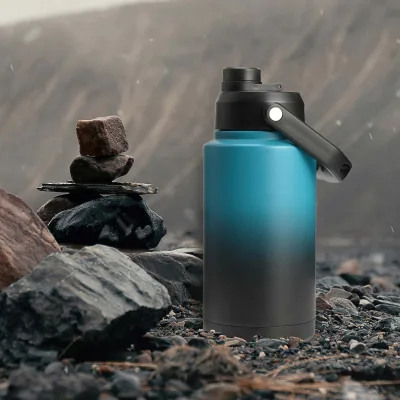


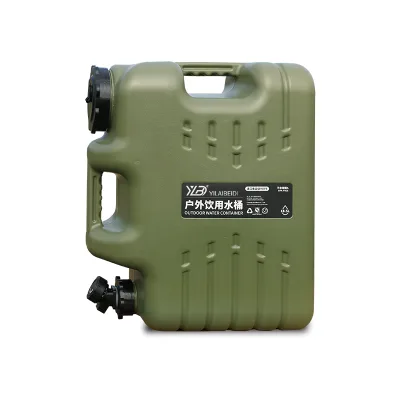
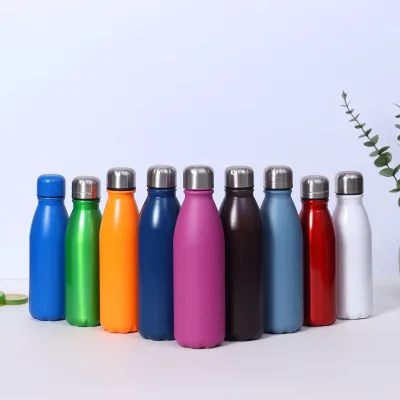
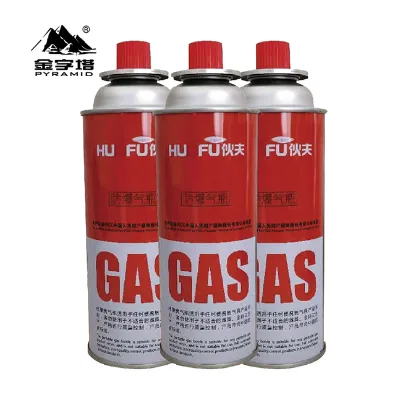

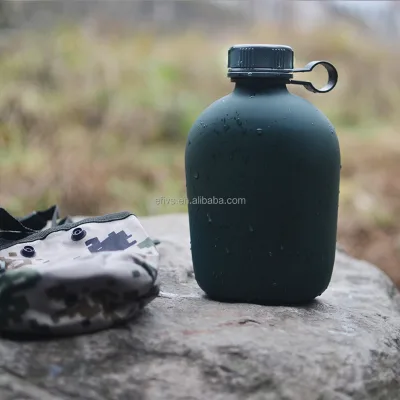


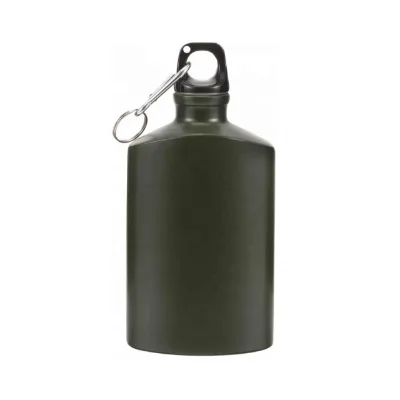
Comprehensive Sourcing Guide
Strategic Sourcing Guide for Outdoor Camping Fuel Bottles
Understanding Product Definitions and Core Specifications
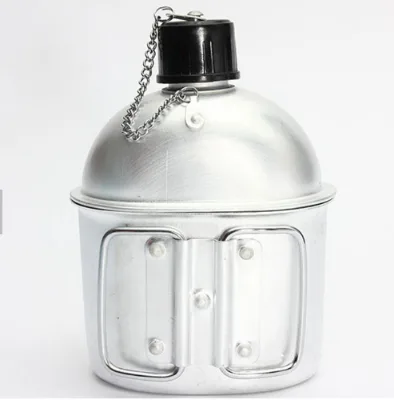
When sourcing products under the core keyword "Outdoor Camping Fuel Bottle," buyers must first distinguish between the primary function of the item and the broader category of outdoor cookware. In many B2B marketplaces, listings for fuel bottles often overlap with general water storage, cooking kits, and portable stoves. A critical observation from current market data indicates that products labeled as "Aluminum water bottle" or "Tactical Kettle" frequently appear in searches for fuel-related gear. This semantic overlap requires buyers to scrutinize the specific application claims. While some listings explicitly state "boiling water: Applicable," others note "boiling water: Not Applicable," suggesting that not all vessels in this category are designed to withstand the thermal stress of direct fuel combustion or boiling liquids.
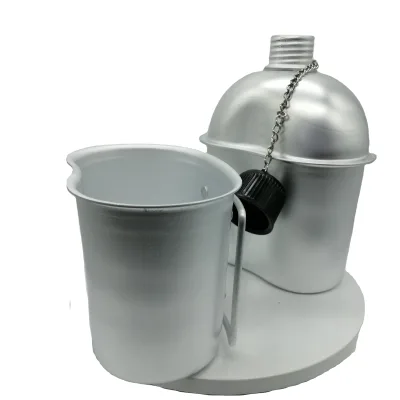
The physical specifications of these items vary significantly. For instance, specific product models in this sector feature dimensions such as a length of 12.5 cm, width of 7.5 cm, and height of 17 cm. Other variations include a "Lunch box Size" of 9 cm in height, 11.6 cm in width, and 8 cm in thickness, or a "Kettle Size" measuring 18 cm in height and 11 cm in width. These dimensional variances imply that a single "fuel bottle" listing may actually represent a modular kit component rather than a standalone vessel. Buyers should verify if the product is a standalone unit or part of a nested system, as some high-confidence facts indicate that "Four sets can be nested and assembled into one." This modularity is a significant feature for logistics but requires careful verification of the individual component's integrity for fuel storage.
Material Composition and Thermal Safety
The material composition of outdoor camping vessels is a primary determinant of safety and utility. The supplied data identifies "Aluminum" as a prevalent material for items described as "Aluminum water bottle" or "Tactical Kettle." Aluminum is favored in the outdoor sector for its lightweight properties, which is essential for hiking and mountaineering where every gram counts. However, the presence of an "Anti-corrosion Coating: Not Equipped" attribute in some listings raises immediate concerns regarding the durability of the vessel when exposed to harsh environments or specific fuel types.
For a product intended to hold fuel or be used in direct heating scenarios, the absence of an anti-corrosion coating is a critical risk factor. Aluminum can react with certain chemicals or degrade under high heat if not properly treated. Buyers must investigate whether the specific aluminum alloy used is food-grade or industrial-grade, as this distinction impacts safety. Furthermore, while some listings mention "PE" (Polyethylene) as a material, this is typically associated with flexible containers or secondary packaging rather than rigid fuel vessels. A PE bottle may not be suitable for holding volatile fuels or withstanding the heat of an alcohol stove. Therefore, the procurement strategy must prioritize vessels where the material specification explicitly supports thermal resistance and chemical compatibility with the intended fuel source.
Compliance, Certification, and Regulatory Standards
Navigating the regulatory landscape for outdoor equipment is essential for B2B buyers to ensure market access and product safety. The provided data includes a specific certification attribute: "CE / EU." This indicates that certain products in this category have been assessed against European safety standards. The CE marking is a mandatory conformity mark for products sold within the European Economic Area, signifying that the manufacturer has declared the product meets EU safety, health, and environmental requirements.
However, the presence of a CE certification in a general listing does not automatically guarantee that every SKU within that product line is certified. Buyers must verify that the specific model number, such as "QXA01" or the "lunch box + water bottle + alcohol stove" configurations, carries the valid certification documentation. Additionally, the "Certification" attribute should be cross-referenced with the intended market of the buyer. If the target market is North America, the CE mark may be insufficient, and compliance with ASTM or UL standards might be required. The data also notes "Eco-Friendly" as a feature, which suggests a potential alignment with environmental regulations, but this claim requires verification against specific environmental standards like REACH or RoHS, which are not explicitly detailed in the provided facts.
Cost Drivers and Minimum Order Quantities
The economic structure of sourcing outdoor camping fuel bottles is heavily influenced by Minimum Order Quantities (MOQ) and packaging logistics. The observed MOQ range in the market data spans from 2 to 20,000 units, with specific instances showing MOQs of 1000 pcs and 300 pcs. This wide variance suggests that suppliers operate on different scales, from small-batch customizers to large-volume manufacturers. For a buyer seeking to minimize initial capital expenditure, targeting suppliers with lower MOQs (e.g., 300 pcs) may be advantageous, provided the unit cost remains competitive.
Packaging specifications play a significant role in the total landed cost. The data indicates a "Single package size" ranging from 15x10x20 cm to 20x20x20 cm, with a "Single gross weight" varying between 0.500 kg and 1.000 kg. More complex kits, such as those including a "cloth bag" and "alcohol stove," may have a "Kit Weight" of 408g. The "Carton specification" is listed as 40x37x40 cm with a "Carton quantity" of 24 sets. These dimensions are critical for calculating shipping efficiency. A buyer must determine if the supplier offers "Selling Units" as a single item or if they are forced to purchase in bulk sets. The "Logo/graphic design: Other" and "LOGO: can be added" attributes indicate that customization is available, which often incurs additional setup costs and may increase the MOQ.
Supplier Evaluation and Operational Capabilities
Evaluating a supplier for outdoor camping gear requires a deep dive into their operational capabilities and geographic location. The data consistently points to "Guangdong, China" as the "Place of Origin." Guangdong is a major manufacturing hub for outdoor equipment, offering a robust supply chain for aluminum processing and plastic molding. However, the location alone does not guarantee quality. Buyers should assess the supplier's ability to handle "Customized" colors and designs, as the data lists "Color: Customized" and "Color: White" or "Light Grey" as options.
The "Brand name: Qianxiang" is mentioned in the context of specific product attributes, but buyers should not assume this is the only brand available or that it represents the sole manufacturer. The "Model Number" variations, such as "lunch box + water bottle + alcohol stove + cloth bag - 0.9l," suggest that the supplier offers modular configurations. A robust supplier should be able to provide detailed breakdowns of these kits, ensuring that the "Water Flowing Method: Direct Drinking" claim is accurate for the intended use. Furthermore, the "Applicable people: Adults" attribute helps in segmenting the product for specific demographic markets, ensuring that the design and size are appropriate for the target consumer base.
Quality Control and Long-Term Procurement Considerations
Implementing a rigorous quality control (QC) protocol is non-negotiable when sourcing vessels intended for fuel or cooking applications. Given the "Anti-corrosion Coating: Not Equipped" observation, buyers must prioritize testing for material integrity and leak resistance. The "Storage" capacity varies, with listings showing "0.8L" and "1L" options, and a "capacity" of "32 oz." These discrepancies highlight the need for precise verification of volume markings to ensure the product meets the stated specifications.
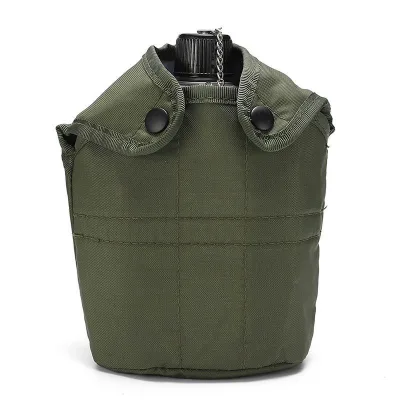
Long-term procurement considerations also involve the durability of the product in real-world conditions. The "Usage" attributes list "mountaineering," "outdoor," "camping," "travel," and "hiking." These environments demand high resistance to impact and temperature fluctuations. The "Cover blanket: Oxford (custom acceptable)" feature suggests that some products come with protective covers, which can extend the product's lifespan. However, the "Occasion: Not Avaliable" attribute in some listings creates confusion and necessitates a direct inquiry to the supplier to clarify the intended use cases.
To mitigate risks, buyers should request pre-shipment inspections that specifically test the "boiling water" applicability if the product is marketed for cooking. If the listing states "boiling water: Not Applicable," the product should strictly be marketed as a water bottle or storage container, not a fuel vessel. The "Feature: Four sets can be nested and assembled into one" is a unique selling point that requires quality checks on the assembly mechanism to ensure the nesting does not compromise the structural integrity of the individual units.
Comparative Analysis of Product Configurations
To facilitate decision-making, buyers should compare the different configurations available in the market. The following table summarizes the key variations observed in the product data, highlighting the differences in capacity, material, and intended use.
| Configuration Model | Primary Material | Capacity | Key Features | Certification Status |
|---|---|---|---|---|
| Aluminum Water Bottle | Aluminum | 0.8 L | Classic style, Direct Drinking | CE / EU |
| Tactical Kettle Kit | Aluminum | 0.9 L | Nested assembly, Includes stove | CE / EU |
| Lunch Box Set | Aluminum | 0.9 L | Compact size, Includes bag | CE / EU |
| Alcohol Stove Only | N/A | N/A | Standalone component | CE / EU |
| PE Variant | PE | 32 oz | Flexible, Custom color | Not specified |
This comparison reveals that while the "Aluminum Water Bottle" and "Tactical Kettle Kit" share similar materials and certifications, their functional capabilities differ. The "Alcohol Stove Only" entry suggests that the fuel bottle may be a component of a larger system rather than a standalone item. The "PE Variant" introduces a material divergence that requires separate safety validation. Buyers must align their procurement strategy with the specific configuration that matches their end-user requirements, ensuring that the material and certification status are appropriate for the intended application.
Final Procurement Recommendations
In conclusion, sourcing outdoor camping fuel bottles requires a meticulous approach that balances technical specifications, regulatory compliance, and supplier capabilities. The market data presents a complex landscape where product definitions overlap, and material properties vary significantly. Buyers must prioritize verifying the "boiling water" applicability and the presence of anti-corrosion treatments to ensure safety. The "CE / EU" certification provides a baseline for European markets, but additional verification is necessary for other regions. By carefully analyzing the MOQ, packaging dimensions, and customization options, buyers can optimize their supply chain for cost and efficiency. Ultimately, the success of the procurement effort depends on rigorous quality control and a clear understanding of the specific product configuration required for the target market.
FAQs
What materials are used for outdoor camping fuel bottles?
Aluminum is the primary material used for these vessels, offering lightweight durability for hiking. Some variants utilize PE plastic, though this is less common for rigid fuel storage. Buyers must verify if the aluminum includes anti-corrosion coatings for safety.
Which certifications are available for these camping vessels?
Many products in this category carry CE / EU certification, indicating compliance with European safety standards. This mark is mandatory for sales within the European Economic Area. Buyers should confirm if specific model numbers like QXA01 hold valid documentation.
How does the capacity vary across different product models?
Storage capacities typically range from 0.8 liters to 1 liter, with some options listed as 32 ounces. Specific kits may include a 0.9-liter configuration for water bottles or lunch boxes. Always check the single package size to confirm the exact volume.
Can these items be nested for efficient transport?
Yes, four sets can be nested and assembled into one unit to save space during shipping. This modular design is a key feature for logistics but requires verification of individual component integrity. The single gross weight for these kits is approximately 0.500 kg.
What is the minimum order quantity for these products?
The observed MOQ range spans from 2 to 20,000 units, with specific instances showing 300 or 1000 pieces. Lower MOQs like 300 pcs may be available for custom orders, while bulk purchases often require higher quantities. Buyers should verify the exact MOQ per supplier.
Are these bottles suitable for boiling water directly?
Applicability varies, as some listings state boiling water is applicable while others note it is not. The absence of anti-corrosion coating on some aluminum models raises safety concerns for direct heating. Buyers must confirm the specific thermal resistance of the intended model.