Source Outdoor Camping LED Motorcycle Backpack for Sports, Traveling, and Hiking
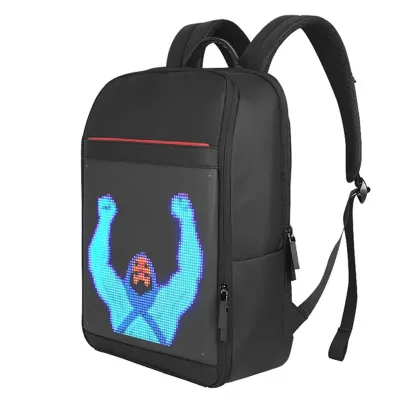
Find 30 verified options for the Outdoor Camping LED Motorcycle Backpack designed for sports, traveling, and hiking. Compare features like waterproofing, weight, and customization to select the right supplier for your needs.
Key considerations
Products List


Cycling Backpack Motorcycle Riding Bag Outdoor Travel Waterproof Sports Backpack
$12.60 - $12.80
MOQ: 10 Pieces

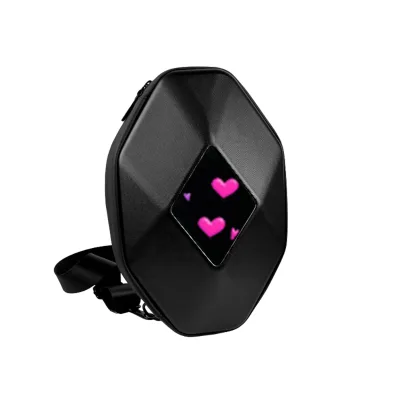
Outdoor Motorcycle Riding Led Screen Led Eye Screen Display Crossbody Backpack
$35.19 - $46.99
MOQ: 8 pieces

Outdoor Waterproof Motorcycle Racing Sports Travel Backpack with LED Light
$8.00 - $15.00
MOQ: 500 Pieces


LED Eye Motorcycle Bag Backpack Bluetooth Motorcycle Backpack Riding Bag
$29.00 - $99.00
MOQ: 1 Pieces


Riding Travel Hard Shell Outdoor Waterproof Computer Sports Motorcycle Backpack
$15.99 - $20.99
MOQ: 500 Pieces

2024 New LED Backpack DIY Programming Advertising LED Motorcycle Backpack Laptop Backpack
$23.99 - $29.77
MOQ: 500 Pieces


Outdoor Waterproof Outdoor Travel Wholesale Custom Motorcycle Backpack Hard for Helmet
$10.99 - $12.99
MOQ: 500 Pieces

Durable Waterproof Cool Walking Billboard Stylish LED Screen Backpack
$39.99 - $59.99
MOQ: 1000 Pieces

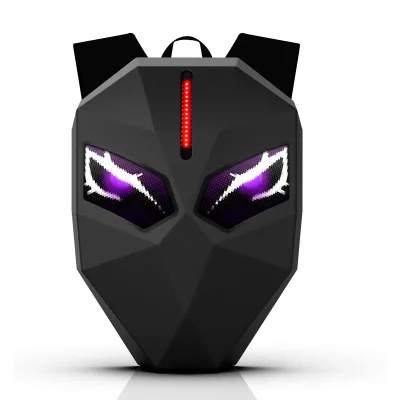
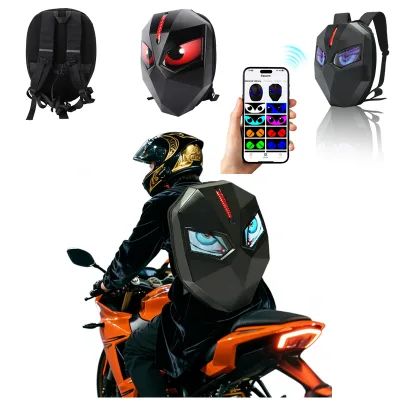
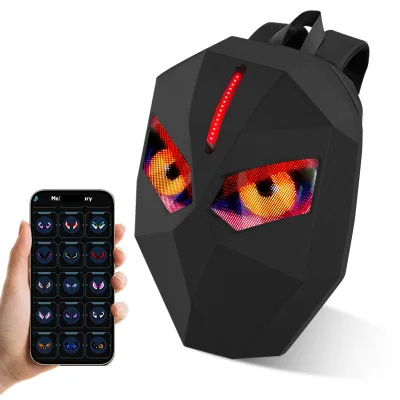

Comprehensive Sourcing Guide
Outdoor Camping LED Motorcycle Backpack Sourcing Guide
Sourcing specialized gear that bridges the gap between active outdoor recreation and modern mobility requires a disciplined approach to product verification and supplier alignment. The category of outdoor camping led motorcycle backpacks represents a niche intersection of traditional utility and smart technology, where buyers must balance rugged durability with electronic functionality. Procurement teams often seek these items to cater to a growing demographic of travelers and adventurers who require hands-free convenience, enhanced visibility, and organized storage for both camping essentials and electronic devices. Understanding the specific technical and commercial nuances of this segment is critical to avoiding mismatches between buyer expectations and supplier capabilities.
This guide provides a structured framework for evaluating products within this category, focusing on the observable market signals, technical specifications, and compliance requirements that define successful procurement outcomes. By adhering to evidence-based verification steps, buyers can mitigate risks associated with electronic failures, material inconsistencies, and supply chain disruptions. The following sections detail the essential checks required to ensure that the selected backpacks meet the rigorous demands of outdoor environments while maintaining the aesthetic and functional standards expected by end-users in the sports and travel sectors.
Product Scope and Observed Listing Signals
The current market landscape for outdoor camping led motorcycle backpacks reveals a diverse range of product configurations, primarily driven by material choices and intended use cases. Observed listings indicate a strong prevalence of polyester as the primary material, offering a balance of lightweight durability and cost-effectiveness suitable for general sports, camping, and travel applications. Buyers should note that while polyester is common, some specialized variants may incorporate ABS components, particularly in models featuring integrated LED systems or structural reinforcements. The color palette ranges from solid green options to mixed-color and camouflage designs, reflecting the "Hiking" and "Simplicity" styles that dominate the aesthetic preferences of unisex consumers.
Commercial signals in the market suggest a high degree of customization availability, allowing buyers to tailor products to specific brand identities or functional requirements. Attributes such as "Customized Logo" and "Customized Size" are frequently observed, indicating that suppliers are equipped to handle OEM and ODM requests. The observed price range of 8-99 USD and MOQs between 1-1000 units suggest a flexible supply chain that can accommodate both small-batch testing and large-scale distribution. However, buyers must carefully distinguish between basic utility backpacks and those with advanced features, such as Bluetooth mobile phone control or high waterproof levels, as these significantly impact the final product cost and complexity.
Technical Specifications to Verify
Technical verification is paramount when sourcing backpacks that integrate electronic components with traditional textile structures. Buyers must rigorously confirm the waterproof capabilities of the product, distinguishing between standard water-resistant fabrics and those rated for "High Waterproof" conditions, which are essential for outdoor camping scenarios. The presence of interior compartments and specific closure types, such as zippers, should be validated to ensure adequate protection for sensitive items like laptops and mobile devices. Additionally, the weight of the backpack is a critical specification; observed weights range from 0.6kg to 1.3kg, with some specialized models weighing up to 750g or 550g depending on the inclusion of electronic modules, directly impacting user comfort during extended hiking or travel.
For models featuring LED or smart technology, electrical specifications must be meticulously reviewed to ensure compatibility and safety. Key parameters include the operating voltage, such as 5V 2A, and the communication mode, which may involve Bluetooth mobile phone control for LED animation or text display. Buyers should verify the single package dimensions, which can vary significantly from compact sizes like 37x26x17 cm to larger configurations like 63x42x18 cm, to optimize logistics and storage. It is also essential to confirm the condition of the product, ensuring that all electronic components are new and fully functional, and to understand the specific model numbers, such as GD211020W01 or WX-YXZ-07, to maintain consistency in future orders.
Compliance and Safety Documentation
Compliance with international standards is a non-negotiable aspect of sourcing electronic-integrated backpacks, particularly when targeting markets with strict safety regulations. Buyers should request documentation for certifications such as ISO, CE, and BSCI, which indicate adherence to quality management, European safety standards, and social accountability in manufacturing. The SA8000 certification is another critical indicator of ethical labor practices, which may be required by certain retail partners or corporate procurement policies. Verifying these certifications ensures that the supplier maintains a robust quality management system and adheres to responsible sourcing principles, reducing the risk of supply chain disruptions due to compliance failures.
In addition to general certifications, specific safety data for electronic components must be obtained to mitigate risks associated with battery-powered LED systems. Buyers should inquire about the safety standards for the voltage regulators and wiring used in the LED modules, ensuring they meet relevant electrical safety norms. The packing standards, whether specified as carton or individual OPP polybags, should also be reviewed to ensure they protect the electronic components during transit. It is advisable to request test reports for waterproofing and material durability, as these provide objective evidence of the product's performance in outdoor conditions, thereby supporting claims made in marketing materials.
Cost Drivers and Commercial Terms
Understanding the factors that influence pricing is essential for effective budget management and negotiation. The primary cost drivers in this category include the material composition, with polyester and ABS components carrying different price points, and the complexity of the electronic integration, such as Bluetooth control and LED animation features. Customization options, including logo printing and size adjustments, also add to the base cost, as they require additional production steps and tooling. Buyers should analyze the unit price in the context of the MOQ, recognizing that higher volumes may yield better per-unit costs, but also require greater capital commitment and storage capacity.
Commercial terms, including payment methods and lead times, should be clearly defined in the purchase agreement to avoid misunderstandings. While specific lead times are not provided in the observed data, buyers should establish clear expectations for production and delivery schedules, especially for customized orders. The packing method, whether in cartons or individual polybags, affects shipping efficiency and cost, so buyers should consider the total landed cost, including freight and handling, when evaluating quotes. It is also important to clarify the responsibility for any additional testing or certification fees, ensuring that these costs are transparently allocated between the buyer and the supplier.
Supplier Qualification and Quality Control
Supplier qualification involves a thorough assessment of the manufacturer's capabilities, location, and quality control processes. The observed origins of these products, including Fujian, Anhui, and Zhejiang in China, indicate a concentrated manufacturing hub with established supply chains for textiles and electronics. Buyers should verify the supplier's production capacity and experience in handling both textile and electronic components, as this dual expertise is crucial for maintaining quality in integrated products. Requesting factory audits or third-party inspections can provide valuable insights into the supplier's operational efficiency and adherence to quality standards.
Quality control measures should be implemented at multiple stages of the production process to ensure consistency and reliability. Buyers should establish clear acceptance criteria for product attributes such as weight, dimensions, and electronic functionality, and require pre-shipment inspections to verify compliance. The use of standardized packing methods, such as carton or OPP polybag, should be enforced to prevent damage during transit. Additionally, buyers should implement a robust feedback loop with the supplier to address any quality issues promptly, fostering a collaborative relationship that prioritizes continuous improvement and customer satisfaction.
Long-Term Procurement Checks
Long-term procurement success depends on the ability to monitor market trends and adapt to changing consumer preferences. Buyers should regularly review product performance data and customer feedback to identify areas for improvement, such as enhancing waterproofing or updating LED features. Staying informed about emerging technologies and materials can provide a competitive advantage, allowing buyers to offer innovative products that meet evolving market demands. It is also important to maintain a diversified supplier base to mitigate risks associated with supply chain disruptions and to ensure continuity of supply.
Regular audits and performance reviews of suppliers are essential to maintaining high standards of quality and compliance. Buyers should establish key performance indicators (KPIs) to track supplier performance, including on-time delivery rates, defect rates, and responsiveness to issues. By continuously evaluating supplier performance and market conditions, buyers can make informed decisions that support long-term growth and profitability. This proactive approach ensures that the procurement strategy remains aligned with business objectives and delivers value to end-users in the competitive outdoor and travel gear market.
FAQs
Can I customize the logo on the Outdoor Camping LED Motorcycle Backpack?
Yes, the logo can be customized on this product. The listing confirms that customized logos are available for buyers seeking branded gear. This option allows businesses to add their own identity to the backpacks for promotional or retail purposes.
What is the waterproof level of the Outdoor Camping LED Motorcycle Backpack?
The product features a high waterproof level to protect contents during outdoor activities. This ensures the backpack remains functional in rain or wet conditions. It is suitable for sports, camping, and traveling where weather resistance is essential.
Which certifications do the Outdoor Camping LED Motorcycle Backpack manufacturers hold?
Manufacturers hold ISO, CE, BSCI, and SA8000 certifications for this product line. These standards verify quality management, safety compliance, and ethical labor practices. Buyers can rely on these credentials when sourcing from verified suppliers in China.
How much does the Outdoor Camping LED Motorcycle Backpack weigh?
The weight varies by model, with options ranging from 0.6kg to 1.3kg. Some specific models weigh 750g or 550g. This lightweight design makes it convenient for hiking, travel, and daily student use without adding unnecessary burden.
What is the minimum order quantity for the Outdoor Camping LED Motorcycle Backpack?
The minimum order quantity ranges from 1 to 1000 units depending on the supplier. This flexibility allows small businesses and large retailers to place orders that fit their specific inventory needs. Buyers should check individual listings for exact MOQ requirements.
Can the Outdoor Camping LED Motorcycle Backpack be used for sports and travel?
Yes, the backpack is designed for sports, camping, traveling, and student use. Its multifunctional features include adjustable straps and interior compartments. The style supports simplicity and hiking, making it versatile for various outdoor and urban activities.
What is the origin location of the Outdoor Camping LED Motorcycle Backpack?
The products originate from Fujian, Anhui, and Zhejiang provinces in China. These regions are known for manufacturing diverse outdoor gear. Buyers can expect consistent production capabilities and logistics support from these established manufacturing hubs.