Source Outdoor Children Climbing Wall for Schools, Parks, and Communities
Find 30 Outdoor Children Climbing Wall options made from LLDPE plastic, featuring anti-UV and fade-less designs. Compare specifications, certifications like CE and SGS, and customization services for schools, amusement parks, and community spaces.
Key considerations
Products List


Multi Function Children Comfortable Wood Outdoor Playground Facilities Climbing Wall
$15658.80 - $100000.00
MOQ: 1 Sets


Children's Rope Net Climbing and Fitness Playground Rock Climbing Wall
$41000.00 - $41500.00
MOQ: 1 Sets


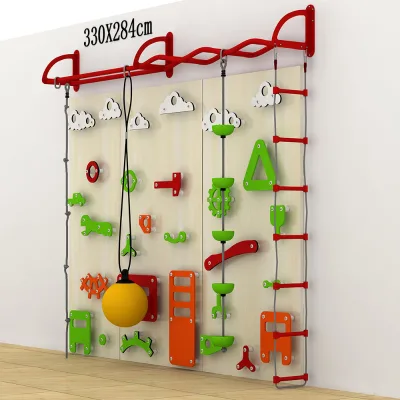
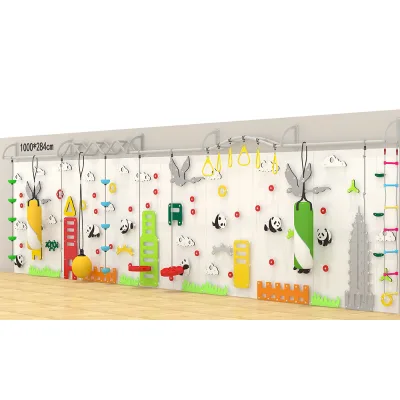


Comprehensive Sourcing Guide
Outdoor Children Climbing Wall Sourcing Guide
Sourcing outdoor climbing walls for children requires a careful balance between structural integrity, material safety, and design flexibility. The market offers a variety of configurations, from fixed-size units to fully customized installations, catering to diverse environments such as amusement parks, schools, and residential backyards. Buyers must navigate a landscape where product attributes vary significantly, including material composition, wall orientation, and specific safety certifications. Understanding these variables is essential for selecting a product that meets both operational needs and regulatory requirements.
The procurement process involves evaluating multiple technical and commercial factors, from the type of plastic used to the complexity of assembly. Observations from current listings indicate a wide range of specifications, with some units designed for direct hold assembly while others require more complex installation procedures. Furthermore, the availability of customization services allows buyers to tailor designs to specific site constraints, but this flexibility introduces additional verification steps regarding manufacturing capabilities and quality control. This guide provides a structured approach to navigating these complexities.
Product Scope and Observed Listing Signals
The current market for outdoor children climbing walls features products primarily constructed from Linear Low-Density Polyethylene (LLDPE) or general plastic materials, often enhanced with anti-UV, anti-static, and anti-crack properties. Listings indicate that these materials are chosen for their durability and resistance to environmental factors, with expected lifespans ranging from five to over seven years under normal use. The physical dimensions of these units vary widely, with some standard models measuring approximately 615 by 16 by 250 centimeters, while others are offered in custom sizes based on the buyer’s specific area requirements. This variability suggests that buyers should not assume a one-size-fits-all approach when planning site layouts.
Color and style options are frequently customizable, allowing for branding or aesthetic integration into existing playground designs. Some suppliers offer specific models, such as the T-P5102D or T-P5095B, which may have distinct packing methods, such as using black cotton and bubble film or cotton inside with PVC film outside. These packaging details are critical for logistics planning, as improper packing can lead to damage during transit. Additionally, the target age group for these climbing walls is generally specified as children between three and fourteen years old, ensuring that the design and height are appropriate for the intended user demographic.
Technical Specifications to Verify
When evaluating technical specifications, buyers must prioritize the wall type and installation method to ensure compatibility with their site conditions. Products are described with attributes such as "Upside" wall types, which may refer to the orientation or structural design of the climbing surface. Installation methods range from direct hold assembling to units provided with detailed installation manuals, indicating that some products require professional assembly while others are designed for simpler setup. Verifying the exact assembly requirements is crucial for budgeting labor costs and ensuring that the installation team has the necessary skills and tools.
Material composition and structural components also require close scrutiny. While LLDPE is a common material for the plastic parts, some listings mention iron parts, suggesting a hybrid construction that combines plastic climbing surfaces with metal support structures. Buyers should verify the quality and treatment of these metal components to prevent corrosion, especially in outdoor environments. Furthermore, the allowable passenger capacity and age ranges must be clearly defined to ensure that the structure can safely support the intended number of users simultaneously. Confirming these details helps prevent overloading and ensures long-term structural stability.
Compliance and Safety Documentation
Safety compliance is a non-negotiable aspect of sourcing outdoor climbing walls, with many suppliers claiming adherence to international standards such as CE, GS, TUV, ISO, and SGS. These certifications indicate that the products have undergone testing for mechanical strength, chemical safety, and overall structural integrity. However, buyers must verify the validity and scope of these certificates, as they may apply to specific models or components rather than the entire product line. It is essential to request copies of the test reports and ensure that the certifications are current and issued by recognized accreditation bodies.
In addition to product-specific certifications, buyers should be aware of broader safety standards that may apply to playground equipment, such as EN 1176 or ASTM F1487, although these are not explicitly confirmed for all listed products. The materials used, particularly the plastic components, should be non-toxic and fade-resistant to ensure long-term safety and aesthetic appeal. Anti-septic properties are also highlighted as an advantage, which is beneficial for high-traffic areas where hygiene is a concern. Buyers should request material safety data sheets (MSDS) to confirm that the products are free from harmful substances and suitable for children’s use.
Cost Drivers and Commercial Terms
The cost of outdoor children climbing walls is influenced by several factors, including material quality, customization level, and packaging requirements. Products with extensive customization options, such as specific designs according to the buyer’s area or unique color schemes, may incur higher costs due to the additional engineering and manufacturing efforts involved. The size of the unit also plays a significant role, with larger structures requiring more material and potentially more complex support systems. Buyers should obtain detailed quotes that break down these costs to understand the value proposition of each option.
Commercial terms, including minimum order quantities (MOQ) and warranty provisions, vary among suppliers. Observed MOQs range from one to five hundred units, indicating that some suppliers are flexible with small orders while others require bulk purchases. Warranty periods are typically listed as one year, which is standard for such equipment, but buyers should clarify what is covered under the warranty, such as material defects or structural failures. Additionally, the origin of the product, whether from Guangzhou or Zhejiang in China, may impact shipping costs and lead times, so buyers should factor these logistical considerations into their total cost analysis.
Supplier Qualification and Quality Control
Supplier qualification involves assessing the manufacturer’s design capabilities and production standards. Many suppliers highlight strong design teams and the use of Auto CAD for creating custom designs, which is a positive indicator of their ability to meet specific project requirements. Buyers should verify the supplier’s experience in producing climbing walls and request references or case studies from previous projects. The availability of OEM and ODM services suggests that the supplier can adapt to various branding and design needs, but buyers must ensure that the supplier maintains consistent quality across different orders.
Quality control measures should be clearly defined and communicated before placing an order. Buyers should inquire about the inspection processes used during production, including checks for material consistency, structural integrity, and surface finish. The packing methods, such as the use of bubble bags and PP film for plastic parts, should be evaluated to ensure they provide adequate protection during shipping. Additionally, buyers should consider conducting pre-shipment inspections or hiring third-party quality control agencies to verify that the products meet the agreed-upon specifications and safety standards before they leave the factory.
Long-Term Procurement Checks
Long-term procurement success depends on establishing a reliable supply chain and maintaining ongoing quality assurance. Buyers should develop a relationship with suppliers that includes regular communication and feedback loops to address any issues that arise after installation. Monitoring the performance of the climbing walls over time, including any wear and tear or maintenance needs, can provide valuable insights for future purchases. Suppliers with a strong research and development focus may offer updates or improvements to their products, which can be beneficial for keeping playgrounds modern and safe.
It is also important to stay informed about changes in safety regulations and industry standards that may affect the use of outdoor climbing walls. Buyers should regularly review the certifications and compliance documentation of their suppliers to ensure that they remain up to date. Additionally, considering the environmental impact of the materials used, such as the recyclability of LLDPE, can align procurement decisions with sustainability goals. By maintaining a proactive approach to supplier management and quality control, buyers can ensure that their outdoor climbing walls continue to provide a safe and enjoyable experience for children for many years.
FAQs
What material is used for outdoor children climbing walls?
The climbing walls are primarily constructed from LLDPE plastic, which offers durability and safety for children. This material is anti-UV, anti-static, and anti-crack, ensuring longevity in outdoor environments. Some models also incorporate iron parts for structural support, providing a robust framework for active play.
Can the climbing wall be customized for specific areas?
Yes, customization is available to suit your specific requirements. You can choose the color and style according to your preference, and the design can be tailored to fit your area. The manufacturer offers ODM and OEM services, allowing for unique configurations that match your space and aesthetic needs.
What certifications do the climbing walls hold?
The products hold several key certifications including CE, GS, TUV, ISO, and SGS. These standards ensure that the climbing walls meet international safety and quality requirements. Compliance with these certifications is essential for installation in schools, amusement parks, and communities, providing assurance of product reliability and safety.
What is the expected lifespan of the climbing wall?
Under normal use, the climbing wall has a lifespan of more than 7 years, with some models lasting between 5 to 8 years. The LLDPE material is designed to be fade-less and anti-septic, maintaining its integrity and appearance over time. This durability ensures long-term value for playground installations.
Who is the suitable age group for these climbing walls?
These climbing walls are suitable for children aged 3 to 14 years old. The design accommodates various age groups, from toddlers to pre-teens, ensuring safe and engaging play. The structure is specifically intended for children, making it ideal for kindergartens, schools, and family amusement parks.
How is the climbing wall installed?
Installation can be done through direct hold assembling or by following the provided installation manual. The product is designed for straightforward assembly, often requiring minimal specialized tools. Clear instructions are included to ensure secure and correct setup, allowing for efficient deployment in schools, communities, or amusement parks.