Source Outdoor Garden Dining Table for Hotels, Bars, and Gardens
Compare 30 listings for Outdoor Garden Dining Table options featuring modern and European styles with various materials like plastic and high-density foam. Buyers can evaluate customization, lead times, and certifications from suppliers in China.
Key considerations
Products List


Modern Design Teak Surface Metal Feet Outdoor Garden Furniture Dining Table
$119.99 - $139.99
MOQ: 2 Pieces


High Quality Garden Teak Wood Dining Table Set Outdoor Table with Aluminum
$79.99 - $129.99
MOQ: 10 Pieces


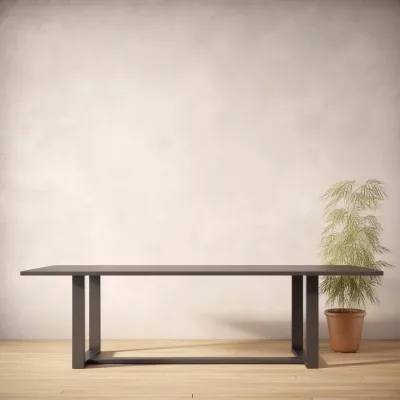
Outdoor Waterproof Rectangular Dining Tables Garden Hotel Long Tables
$159.00 - $859.00
MOQ: 1 Minimum


Outdoor Table Patio Garden Table Dining Set Garden Furniture Dining Table Set
$160.00 - $480.00
MOQ: 20 Sets


Comprehensive Sourcing Guide
Outdoor Garden Dining Table Sourcing Guide
Sourcing outdoor garden dining tables requires a careful balance between aesthetic integration and functional durability, as these pieces serve as the centerpiece for both residential patios and commercial hospitality spaces. Buyers must navigate a market where materials range from heavy, permanent stone constructions to lightweight, stackable plastics designed for high-turnover environments. The decision process begins with defining the primary use case, whether it is for a private backyard setting where style and comfort are paramount, or for a hotel terrace and restaurant patio where durability, weather resistance, and ease of maintenance are critical operational factors. Understanding this distinction helps narrow the field from the broad array of available options, ensuring that the selected furniture aligns with both the visual identity of the space and the practical demands of its daily use.
The procurement landscape for these items is characterized by significant variability in customization capabilities and production timelines. Many manufacturers offer extensive OEM and ODM services, allowing buyers to tailor dimensions, colors, and materials to specific brand guidelines or spatial constraints. This flexibility is particularly valuable for large-scale projects where uniformity across multiple units is required. However, this customization often comes with minimum order quantities (MOQs) and longer lead times compared to standard stock items. Buyers should be prepared to engage in detailed specification discussions early in the sourcing process to ensure that the supplier’s manufacturing capabilities can meet their specific design and volume requirements without compromising on quality or delivery schedules.
Product Scope and Observed Listing Signals
The current market for outdoor garden dining tables presents a diverse range of styles and configurations, with modern and simple designs being particularly prevalent among suppliers. Listings frequently highlight round and oval table shapes, catering to different seating arrangements and spatial dynamics. For instance, round tables are often favored for their ability to facilitate conversation and fit into smaller or irregularly shaped spaces, while oval tables may offer more seating capacity for rectangular areas. The base styles also vary, with leg-based structures being a common choice that provides stability while maintaining an open, airy aesthetic suitable for garden environments. These design elements are not merely cosmetic; they directly impact the table’s footprint, stability, and compatibility with various outdoor settings.
Material selection is a critical differentiator in this category, with plastic and other synthetic materials gaining traction due to their lightweight nature and resistance to environmental factors. Observed listings indicate that many products are constructed from materials that offer UV resistance and weather resistance, ensuring that the furniture can withstand prolonged exposure to sunlight and rain without fading or degrading. Additionally, some products are designed to be unfixed and unfolded, suggesting a focus on portability and storage convenience, which is a key feature for seasonal use or multi-purpose venues. The presence of features such as high-density foam in related seating products further underscores the industry’s shift towards combining durability with user comfort, although buyers should verify that the table itself is constructed from materials suitable for direct outdoor exposure.
Technical Specifications to Verify
When evaluating technical specifications, buyers must prioritize dimensional accuracy and structural integrity to ensure the tables fit their intended spaces and support the required load. Standard dimensions such as a diameter of 70 cm with a height of 75 cm are common for certain models, providing a comfortable dining height for standard chairs. However, many suppliers also offer customized sizes, allowing for greater flexibility in design. Buyers should request detailed technical drawings or CAD files to verify that the proposed dimensions align with their spatial planning and ergonomic requirements. It is also essential to confirm the weight capacity and stability of the table, particularly if it is intended for use in commercial settings where heavy items or active movement may occur.
The construction details of the table, including the base style and material thickness, play a significant role in its longevity and performance. For example, tables with a leg base style must be evaluated for their stability on uneven outdoor surfaces, which may require adjustable feet or a wider base footprint. Additionally, the finish and coating of the material should be assessed for resistance to scratches, stains, and temperature fluctuations. Buyers should inquire about the specific type of plastic or composite used, as well as any protective treatments applied to enhance UV and weather resistance. Verifying these details through sample requests or detailed product specifications can help prevent issues related to premature wear or structural failure after installation.
Compliance and Safety Documentation
Compliance with international safety and quality standards is a non-negotiable aspect of sourcing outdoor furniture, particularly for commercial applications. Buyers should verify that suppliers hold relevant certifications such as ISO9001 for quality management, SGS for product testing, and BV for verification services. These certifications indicate that the manufacturer adheres to rigorous quality control processes and that the products have undergone independent testing for safety and performance. For outdoor dining tables, this may include tests for structural stability, material toxicity, and resistance to environmental stressors. Ensuring that the supplier can provide up-to-date certification documents is crucial for mitigating liability risks and ensuring that the products meet the regulatory requirements of the destination market.
In addition to certifications, buyers should request detailed safety data sheets and material composition reports to ensure that the furniture is safe for human contact and environmental disposal. This is particularly important for plastic-based products, where the presence of harmful chemicals or non-recyclable materials could pose health and environmental risks. Suppliers should be transparent about the materials used in the construction of the table, including any adhesives, coatings, or fillers. Buyers should also verify that the products comply with local fire safety regulations, especially if they are intended for use in indoor-outdoor transitional spaces or commercial venues with strict fire codes. Obtaining this documentation early in the sourcing process can streamline the approval process and ensure a smoother import and installation phase.
Cost Drivers and Commercial Terms
The cost of outdoor garden dining tables is influenced by several factors, including material quality, customization level, and order volume. Observed price ranges in the market vary significantly, from affordable options starting around $6.83 to premium models exceeding $859, reflecting the diversity in materials and craftsmanship. Buyers should understand that lower prices may correspond to standard designs and basic materials, while higher prices often reflect custom dimensions, premium finishes, or enhanced durability features. Additionally, the cost of packaging, such as carton or pearl foam with kraft paper outside, can impact the overall price, especially for bulk orders where protective packaging is essential to prevent damage during transit.
Commercial terms, including minimum order quantities (MOQs) and lead times, are critical components of the procurement strategy. While some suppliers accept small MOQs of just one piece for certain items, others may require orders of 20 pieces or more, particularly for customized products. Lead times can range from 7 to 35 days for finished orders, depending on the complexity of the design and the current production schedule. Buyers should negotiate clear terms regarding payment schedules, shipping responsibilities, and warranty coverage. A standard warranty period of 12 months to 3 years is common, but buyers should verify the specific terms and conditions to ensure that defects or damage are adequately covered. Understanding these commercial dynamics helps in budgeting accurately and planning inventory levels effectively.
Supplier Qualification and Quality Control
Supplier qualification is a vital step in ensuring the reliability and consistency of the outdoor garden dining tables. Buyers should assess the supplier’s production capacity, quality control processes, and track record in the industry. Many suppliers have dedicated QC departments that check each product before shipment, which is a strong indicator of their commitment to quality. Buyers should request information about the supplier’s quality control protocols, including the frequency of inspections, the criteria used for acceptance, and the procedures for handling defective items. Additionally, verifying the supplier’s origin, such as Foshan, Guangdong, can provide insights into their manufacturing expertise, as this region is known for its furniture production capabilities.
Beyond initial qualification, buyers should establish a robust quality assurance process that includes pre-shipment inspections and sample approvals. Requesting samples before placing a bulk order allows buyers to physically inspect the product for quality, finish, and functionality. This step is particularly important for customized orders, where visual and tactile verification is essential to ensure that the final product matches the agreed-upon specifications. Buyers should also consider conducting third-party inspections for large orders to provide an independent assessment of quality and compliance. Establishing a clear communication channel with the supplier for addressing any issues that arise during production or delivery can help maintain a productive and transparent business relationship.
Long-Term Procurement Checks
Long-term procurement success depends on establishing a sustainable supply chain that can adapt to changing market demands and product lifecycles. Buyers should regularly review supplier performance metrics, including on-time delivery rates, product quality consistency, and responsiveness to issues. Maintaining a diversified supplier base can mitigate risks associated with single-source dependencies, ensuring that alternative options are available if primary suppliers face production delays or quality issues. Additionally, buyers should stay informed about industry trends and technological advancements in outdoor furniture materials and designs, which can inform future sourcing decisions and product development strategies.
Continuous improvement in the procurement process involves gathering feedback from end-users and monitoring the performance of the furniture in real-world conditions. This feedback can highlight areas for improvement in design, material selection, or durability, which can be communicated to suppliers for future product iterations. Buyers should also consider the environmental impact of their sourcing decisions, prioritizing suppliers who demonstrate a commitment to sustainability through the use of recyclable materials or eco-friendly manufacturing processes. By focusing on long-term relationships and continuous evaluation, buyers can ensure that their Outdoor Garden Dining Table procurement remains aligned with their business goals and customer expectations.
FAQs
Can I customize the size of an Outdoor Garden Dining Table?
Yes, customization is available for many models. You can request specific dimensions such as Dia70*H75 or other standard sizes. Some items accept a minimum order quantity of just one piece, allowing you to test custom specifications before committing to larger bulk orders for your project.
What materials are used for outdoor garden dining tables?
Materials vary by model, including plastic and other durable options. Many tables feature high-density and high-resilience foam for seating comfort. The materials are selected for UV resistance and weather resistance, ensuring the furniture remains lightweight and suitable for long-term use in outdoor garden environments.
What is the typical lead time for an order?
The standard lead time is typically 20-30 days. However, fast delivery options are available, ranging from 7-35 days to finish an order depending on the specific item and production schedule. You should confirm the exact timeline with the supplier based on your required quantity and customization needs.
Are certifications available for these garden dining tables?
Yes, certain models come with ISO9001, SGS, and BV certifications. These credentials verify quality control standards and manufacturing processes. It is important to check the specific product page for the exact certifications listed, as not all items may carry the same documentation or meet the same international standards.
What is the minimum order quantity for these tables?
The MOQ varies, with some items requiring 20 pieces. However, some products accept a minimum order quantity of just one piece. This flexibility allows buyers to order samples or small batches for testing. Always verify the specific MOQ for the model you intend to purchase from the supplier.
How are the tables packed for shipping?
Packing methods depend on the specific product model. Common options include carton packaging or pearl foam with kraft paper outside. Proper packaging ensures the tables arrive in new condition. You should request detailed packing information for your selected model to ensure safe transit and protection during international shipping.