Source Outdoor Galvanized Steel Dustbin for Street, Park, and Garden
Compare 30 listings for the Outdoor Galvanized Steel Dustbin featuring water-resistant designs and powder-coated finishes. Buyers can evaluate options for street, garden, and public area applications with varying capacities and customization services.
Key considerations
Products List
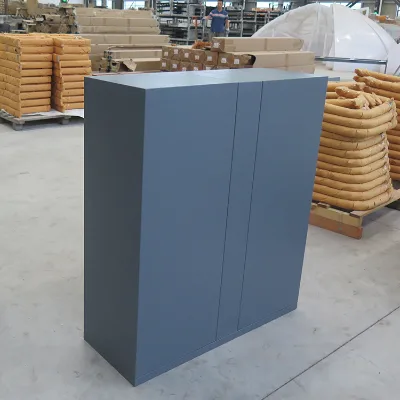


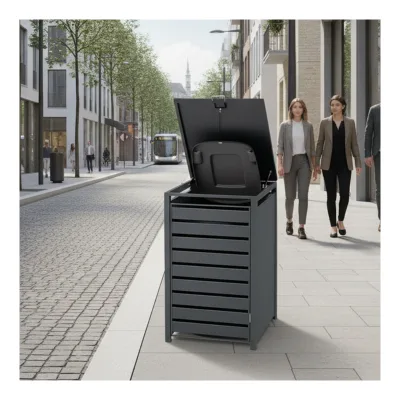
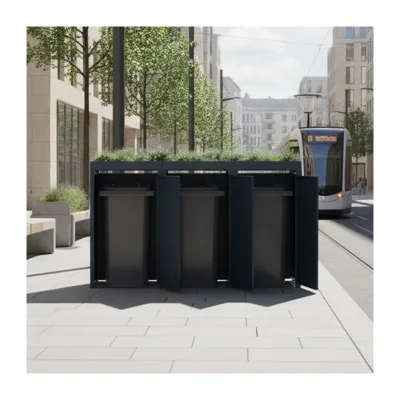
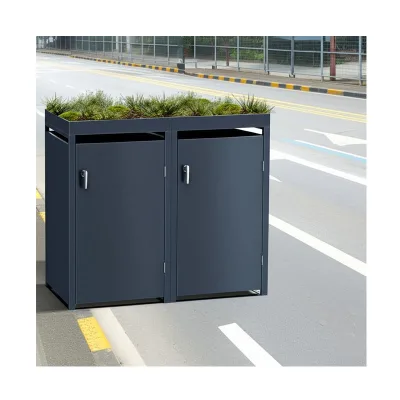


Commercial Metal Garbage Dustbin Large Capacity Outdoor Steel Waste Bin with Lid
$169.00 - $189.00
MOQ: 10 Pieces

Galvanized Steel Trash Can Heavy Duty Outdoor Commercial Garbage Bin with Lid
$169.00 - $189.00
MOQ: 10 Pieces


Durable Galvanized Steel Waste Container Heavy Duty Outdoor Trash Bin for Commercial
$169.00 - $189.00
MOQ: 10 Pieces


Stainless Steel Outdoor Dustbin for City Street
$99.00 - $150.00
MOQ: 10 Pieces
Guangzhou Panyu District Shawan Hongyi Metal Products Factory
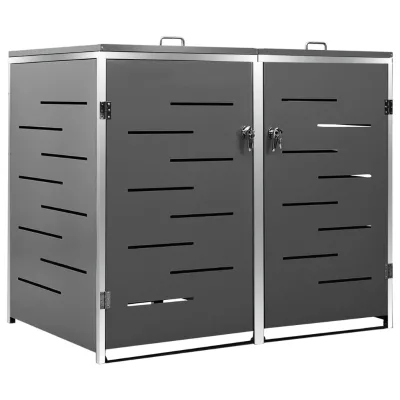


Comprehensive Sourcing Guide
Strategic Sourcing Guide for Outdoor Galvanized Steel Dustbins
Understanding Technical Specifications and Material Composition
When sourcing outdoor galvanized steel dustbins, the primary objective is to identify units capable of withstanding harsh environmental conditions while maintaining structural integrity over extended periods. The core material specification for these units is often a combination of galvanized steel and stainless steel, providing a robust defense against corrosion and rust. The manufacturing process typically involves galvanization, which applies a protective zinc coating to the steel, followed by a surface treatment of polyester paint coating or outdoor powder coating. This dual-layer protection is critical for units intended for street, garden, park, and open-air applications where exposure to rain, humidity, and UV radiation is constant.
The physical dimensions and capacity are equally vital for procurement planning. Standard models often feature a rectangular shape with a standing structure, designed to maximize space efficiency in public areas. A common specification for these units includes a capacity of 50 liters, with external dimensions approximately 400300850mm. However, buyers must also consider larger variants, such as those adhering to a 240-liter standard, which are often classified as wheelie bins or open-top storage buckets. The single package size for these units can vary significantly, with some configurations measuring around 43x33x94 cm, while others may require wooden pallets or cartons for shipping. The weight of a single unit is substantial, often reaching 40 kg, which directly impacts logistics planning and handling requirements at the destination.
| Attribute | Typical Specification | Verification Requirement |
|---|---|---|
| Material | Galvanized Steel / Stainless Steel | Verify grade of steel and thickness of galvanization. |
| Surface Treatment | Polyester Paint / Powder Coating | Confirm RAL or Pantone color options are available. |
| Capacity | 50L to 240L | Ensure capacity matches the intended waste volume. |
| Dimensions | ~400300850mm (50L model) | Check fit within designated installation spaces. |
| Shape | Rectangular / Standing | Confirm structural stability for the specific site. |
| Inner Component | Removable Inner Bucket | Essential for cleaning and maintenance efficiency. |
Buyers should note that while some listings indicate a "Simple" style or "DIY printed" patterns, the fundamental construction must prioritize durability. The presence of a removable inner bucket is a key functional feature that simplifies the cleaning process, allowing for the removal of waste without lifting the entire heavy bin. This design element is particularly important for high-traffic areas like commercial zones, metro stations, and public parks where hygiene is a priority.
Compliance, Certification, and Regulatory Standards
Navigating the regulatory landscape is a non-negotiable aspect of sourcing industrial-grade waste management equipment. For outdoor galvanized steel dustbins, compliance with international quality and safety standards serves as a primary indicator of supplier reliability. Trusted suppliers in this sector often hold certifications such as ISO 9001 for quality management, ISO 14001 for environmental management, and ISO 18000 for occupational health and safety. Additionally, specific product standards like EN 840, which relates to the safety requirements for waste containers, are critical benchmarks for European and international markets.
The certification status of a supplier should be verified directly rather than assumed based on marketing materials. A legitimate manufacturer will provide documentation proving that their production processes and final products meet these specific standards. For instance, the EN 840 standard ensures that the dustbins are structurally sound and safe for public use, minimizing the risk of collapse or injury. Similarly, ISO certifications indicate that the company operates under a systematic framework for quality control and environmental responsibility.
Buyers must also consider local regulations regarding waste management and public infrastructure. While the supplied data points to specific certifications like ISO and EN 840, the actual requirement for a specific project may vary based on the country of installation. For example, projects in the United States or the European Union may have distinct requirements for fire resistance, load-bearing capacity, or material toxicity. Therefore, the procurement team should request a full compliance matrix from the supplier, detailing exactly which standards the specific model number, such as HB22006 or DT-G240L, satisfies. It is also essential to verify that the "Galvanized Steel" and "Stainless Steel" claims are backed by material test reports, ensuring the corrosion resistance claims are not merely marketing assertions but verified facts.
Cost Drivers and Pricing Dynamics
The pricing of outdoor galvanized steel dustbins is influenced by a complex interplay of material costs, manufacturing complexity, and logistical factors. The observed price range for these products can vary significantly, from approximately $10.10 to $2,200, depending on the scale, customization, and specific material grade. The lower end of the spectrum typically represents smaller, standard-sized units with minimal customization, while the higher end reflects large-capacity bins, custom color matching, or specialized finishes.
Material costs are a primary driver, with the price of steel fluctuating based on global market conditions. The use of stainless steel versus standard galvanized steel creates a distinct price differential, as stainless steel offers superior corrosion resistance but at a higher raw material cost. Furthermore, the surface treatment process adds to the overall expense. Powder coating and polyester paint coatings require additional energy and labor, and the selection of specific RAL or Pantone colors may incur extra charges if the order quantity does not meet the threshold for standard color runs.
Customization is another significant cost factor. While many suppliers offer OEM and ODM services, allowing for tailored designs, logos, and dimensions, these services often come with a Minimum Order Quantity (MOQ) requirement. The observed MOQ range for these products spans from 1 to 1,000 units, with some specific models requiring a minimum of 5 pieces. Buyers seeking highly customized solutions should be prepared for higher per-unit costs and potentially longer lead times. Additionally, the packaging requirements, such as the use of plastic film, wooden pallets, or cartons, contribute to the final landed cost. The single gross weight of 40 kg per unit also impacts shipping expenses, particularly for air freight or long-distance ocean transport, where weight and volume are critical pricing determinants.
Typical Applications and Usage Scenarios
Outdoor galvanized steel dustbins are designed for a wide array of applications, ranging from residential use to heavy-duty public infrastructure. The versatility of these units makes them suitable for diverse environments, including streets, gardens, parks, patios, backyards, and city centers. Their robust construction allows them to withstand the rigors of outdoor use, making them ideal for high-traffic public areas such as metro stations, commercial districts, and waste management facilities.
In residential settings, these bins serve as durable solutions for household waste and recycling. The "Eco-Friendly" attribute of galvanized steel, which is fully recyclable, aligns with modern sustainability goals. For commercial and industrial applications, such as hotels, offices, and kitchens, the bins offer a professional appearance and the capacity to handle larger volumes of waste. The "Open Top" design is particularly useful for quick disposal in high-volume areas, while the "Standing" structure ensures stability in windy conditions.
The specific application dictates the required features. For instance, units intended for "Street" or "Public" use often require a higher level of vandalism resistance and weatherproofing. The "Removable inner bucket" feature is essential for maintaining hygiene in these environments, allowing for easy cleaning without the need to wash the entire exterior. In contrast, units for "Home" or "Garden" use might prioritize aesthetic integration, with options for "Multicolor" finishes or "DIY printed" patterns to match the surrounding landscape. The "Period of use" for these high-quality units is often cited as more than 10 years, indicating their suitability for long-term infrastructure projects where replacement frequency should be minimized.
Supplier Evaluation and Manufacturing Capabilities
Evaluating potential suppliers requires a deep dive into their manufacturing capabilities and business structure. The ideal supplier for outdoor galvanized steel dustbins is a direct manufacturer rather than a trading company, as this ensures better control over quality, pricing, and lead times. The "Company type" should be verified as a Manufacturer, which typically implies in-house production facilities, quality control labs, and the ability to handle custom orders.
Buyers should assess the supplier's location and logistical capabilities. A supplier based in Chongqing, China, or Changzhou of Jiangsu, as noted in typical product data, may offer competitive pricing due to local industrial clusters, but the distance from the buyer's location must be factored into the logistics plan. The "Place of origin" also influences the perceived quality, as certain regions are known for specific manufacturing expertise in metalworking.
The supplier's ability to handle customization is a critical evaluation point. The "Customization" attribute should be confirmed as "Available," with a clear understanding of the scope of work. This includes the ability to match specific RAL or Pantone colors, adjust dimensions, and apply custom branding. The "Service" attribute, often listed as OEM/ODM, indicates the supplier's willingness to adapt their production lines to meet unique client needs. Buyers should also verify the "Warranty" terms, which typically range from 1 year for standard models, to ensure that the supplier stands behind their product quality.
Quality Control and Long-Term Procurement Considerations
Implementing a rigorous quality control (QC) protocol is essential for ensuring the longevity and performance of outdoor galvanized steel dustbins. The QC process should begin at the raw material stage, verifying the quality of the galvanized steel and stainless steel components. During production, inspections should focus on the surface treatment process, ensuring that the powder coating or polyester paint is applied evenly and adheres properly to the metal substrate. Any defects in the coating can lead to premature rusting, compromising the structural integrity of the bin.
Long-term procurement considerations extend beyond the initial purchase price. Buyers should evaluate the "Period of use" and the "Warranty" offered by the supplier. A product with a stated lifespan of more than 10 years represents a significant investment, and the supplier should provide evidence to support this claim, such as accelerated aging tests or historical performance data. The "Certificate" of EN 840/ISO 9001/14001/18000 serves as a baseline for quality, but ongoing compliance should be monitored through regular audits or third-party inspections.
Maintenance and replacement costs are also critical factors. The "Removable inner bucket" design significantly reduces maintenance time and effort, making it a cost-effective feature for large-scale deployments. Buyers should also consider the availability of spare parts and the supplier's responsiveness to warranty claims. A supplier with a strong track record in "Waste Management" and "Garbage Collection" applications is likely to have a robust support network, ensuring that any issues can be resolved quickly. Finally, the "Single gross weight" and "Single package size" should be factored into the long-term logistics strategy, as these dimensions affect storage and handling costs throughout the product's lifecycle. By prioritizing these factors, buyers can secure a reliable supply of high-quality outdoor dustbins that meet their operational needs for years to come.
FAQs
What certifications do outdoor galvanized steel dustbins typically hold?
These bins often hold EN 840, ISO 9001, ISO 14001, and ISO 18000 certifications. Buyers should verify specific model compliance, such as HB22006, to ensure safety and quality management standards are met for public infrastructure projects.
How long do these outdoor steel dustbins last in service?
High-quality units are designed for a period of use exceeding ten years. This longevity relies on the galvanized steel construction and outdoor powder coating or polyester paint treatments that protect against rust and weather damage.
Which surface treatments are used for these outdoor steel bins?
Common treatments include outdoor powder coating and polyester paint coating. These finishes are applied over galvanized steel to provide corrosion resistance and allow for RAL or Pantone color customization to match specific site aesthetics.
Can I find outdoor galvanized steel dustbins with a removable inner bucket?
Yes, many models feature a removable inner bucket for easier cleaning. This design is essential for maintaining hygiene in high-traffic areas like parks, streets, and commercial zones where frequent waste removal is necessary.
What is the typical capacity range for these outdoor steel waste bins?
Standard capacities range from 50 liters for compact units to 240 liters for larger wheelie bins. The 50-liter models often measure 400 by 300 by 850 millimeters, while larger variants require different packaging and handling.
Which manufacturers offer customization for outdoor galvanized steel dustbins?
Direct manufacturers provide OEM and ODM services for custom dimensions, colors, and logos. Buyers can request specific RAL colors or DIY printed patterns, though these customizations may require a minimum order quantity of five pieces or more.
How much does a single unit of Outdoor Galvanized Steel Dustbin weigh?
A single unit typically has a gross weight of 40 kilograms. This substantial weight impacts shipping logistics and requires careful planning for freight costs, especially when importing from origins like Chongqing or Jiangsu in China.