Source Water Bowser Truck for Firefighting, Dust Control, and Irrigation
Explore 30 available Water Bowser Truck models from Chinese manufacturers. Compare specifications including engine power, tank capacity, and chassis brands like Dongfeng and Sinotruk to find the right vehicle for your industrial or municipal needs; compare the available evidence and request quotations based on your requirements.
Key considerations
Products List


Foton Rowor 12000liters Water Tank Bowser Truck Water Sprinkler Truck
$17000.00 - $29000.00
MOQ: 1 Pieces


Foton 5000liters Water Bowser Truck with High Pressure Water Cannon
$18580.00 - $24410.00
MOQ: 1 Pieces

20000liters Sinotruk HOWO Water Transport Truck Water Bowser Truck
$32000.00 - $39000.00
MOQ: 1 Pieces

$37800.00 - $39800.00
MOQ: 1 Pieces


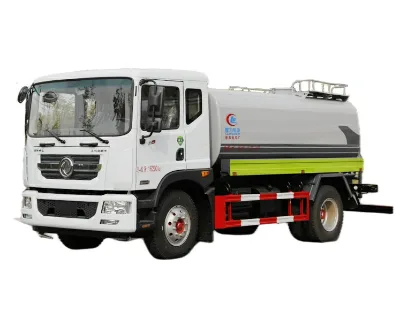


Water Truck 304/316 Steel Tank Drinking Water Truck 14cbm Large Water Bowser Truck
$32600.00 - $35600.00
MOQ: 1 Pieces


Carbon Steel Water Bowser Truck for Water Transportation and Irrigation
$14000.00 - $15000.00
MOQ: 1 Pieces

Water Bowser Truck for Road Maintenance Street Washing and Dust Suppression
$14000.00 - $15000.00
MOQ: 1 Pieces

Multi Purpose Water Bowser Truck for Dust Reduction and Landscaping
$14000.00 - $15000.00
MOQ: 1 Pieces


Professional Water Bowser Truck for Urban Sanitation and Landscaping
$14000.00 - $15000.00
MOQ: 1 Pieces


2019 China High Quality 20000L 22000L Water Tank Truck Water Bowser
$21900.00 - $26900.00
MOQ: 1 Pieces


Comprehensive Sourcing Guide
Water Bowser Truck Sourcing Guide
Procuring a Water Bowser Truck requires careful alignment of chassis capabilities with operational fluid dynamics. Buyers must evaluate the interplay between engine power, transmission type, and tank volume to ensure the vehicle meets specific site demands. The observed market features models ranging from 10,001 to 15,000 liters, driven by diesel engines with capacities varying from under 4 liters to over 8 liters. This variance directly impacts fuel efficiency and torque availability for heavy-duty hauling.
Selection also hinges on the intended duty cycle and terrain. Vehicles with 4x2, 4x4, 6x4, or 8x4 drive modes offer different traction and load-bearing profiles. A 5-ton capacity model may suffice for urban dust suppression, while larger 12 to 15 cubic meter tanks are better suited for large-scale construction or agricultural irrigation. Understanding these mechanical distinctions prevents mismatched procurement that leads to premature wear or insufficient performance in the field.
Product Scope and Observed Listing Signals
The current market presents a diverse array of configurations, primarily originating from Suizhou, China. Listings indicate a price range of $4,300 to $60,000 USD, reflecting significant differences in chassis brand, engine horsepower, and tank material. Common chassis brands include Dongfeng, Sinotruk, Foton, Shacman, and FAW, allowing buyers to choose based on regional parts availability and service networks. The minimum order quantity is typically one unit, facilitating flexible procurement for individual fleet expansions or specific project needs.
Technical observations reveal standardized dimensions, such as 8500x2500x3250mm for larger models and 8400x2500x3200mm for others. Tank materials are predominantly carbon steel or stainless steel, with Q235B being a noted option for structural integrity. Buyers should note that curb weights vary significantly, from 6,950kg to 9,495kg, depending on the chassis and tank thickness. These physical attributes are critical for calculating payload capacity and ensuring compliance with local road weight regulations.
Technical Specifications to Verify
Engine performance and transmission systems are pivotal for operational reliability. Observed models feature engines ranging from 170HP to 240HP, paired with manual gearboxes offering 5 to 6 forward gears and one reverse. Tire specifications, such as 9.00R20 or 10.00R20, must be matched to the expected road conditions and load distribution. Buyers should verify the emission standards, which range from Euro to specific regional certifications, to ensure legal operation in restricted zones.
The water handling system requires detailed scrutiny, particularly the pump and cannon specifications. Water pumps, often from famous Chinese brands like Weilong, deliver flows around 20 cubic meters per hour. The water cannon range is typically observed at 28 meters, while sprinkling widths vary between 12 to 16 meters. Additionally, water suction depth capabilities of up to 7 meters enable versatile water source acquisition. Confirming these metrics ensures the truck can effectively perform its designated dust control or irrigation tasks.
Compliance and Safety Documentation
Certification requirements vary by destination market, necessitating thorough verification before purchase. Common certifications observed include ISO, CCC, CE, SGS, BV, EPA, and EEC. These documents validate that the manufacturing processes and final products meet specific quality and safety benchmarks. Buyers must ensure that the provided certificates are valid for their target region, as non-compliant vehicles may face import restrictions or operational bans.
Safety and operational standards also encompass structural integrity and material quality. Tank thicknesses of 4mm, 5mm, or 6mm are available, influencing durability and leak resistance. Buyers should request material test reports for Q235B steel or stainless steel to confirm corrosion resistance and load-bearing capacity. Proper documentation ensures that the vehicle is not only legally compliant but also structurally sound for long-term heavy-duty use in demanding environments.
Cost Drivers and Commercial Terms
Pricing is influenced by multiple factors, including chassis brand, engine power, and tank capacity. Higher horsepower engines and specialized drive modes like 4x4 or 8x4 command premium prices. The choice between carbon steel and stainless steel tanks also affects cost, with stainless offering greater longevity at a higher initial investment. Buyers should analyze the total cost of ownership, considering fuel consumption, maintenance frequency, and potential downtime associated with different configurations.
Commercial terms often include flexible packing options such as naked packing, RO-RO, bulk ship, or waxed shipping. These methods impact logistics costs and delivery timelines. Buyers should negotiate clear terms regarding warranty coverage, spare parts availability, and after-sales support. Understanding the full scope of commercial obligations helps in budgeting accurately and avoiding hidden costs related to transportation, insurance, and customs clearance during the import process.
Supplier Qualification and Quality Control
Supplier verification is crucial to mitigate risks associated with manufacturing quality and delivery reliability. Buyers should assess the supplier’s production capacity, quality control processes, and historical performance. Requesting factory audits or third-party inspection reports can provide insights into manufacturing standards and consistency. Suppliers with established certifications and a track record of exporting to similar markets are generally more reliable partners.
Quality control should extend to pre-shipment inspections, verifying that the delivered vehicle matches the agreed specifications. Key checks include engine performance tests, pump functionality, and structural integrity assessments. Buyers should also evaluate the supplier’s responsiveness to technical queries and their ability to provide customized solutions. Establishing a clear communication channel ensures that any discrepancies are addressed promptly, safeguarding the procurement investment and operational readiness.
Long-Term Procurement Checks
Sustained operational success depends on ongoing maintenance and parts availability. Buyers should establish relationships with suppliers who offer comprehensive spare parts catalogs and technical support. Regular maintenance schedules, including pump servicing and chassis inspections, are essential to prolong vehicle lifespan. Understanding the specific requirements for diesel engine care and tank cleaning prevents costly repairs and extends the utility of the Water Bowser Truck.
Market trends and regulatory changes may also impact long-term viability. Buyers should stay informed about evolving emission standards and safety regulations in their operating regions. Periodic reviews of fleet performance data can identify areas for improvement or potential upgrades. By maintaining a proactive approach to procurement and maintenance, organizations can ensure their water bowser trucks remain efficient, compliant, and cost-effective assets over their entire service life.
FAQs
What certifications do water bowser trucks typically have?
Water bowser trucks generally carry ISOCCC, CE, SGS, BV, EPA, and EEC certifications. These documents verify compliance with international safety and manufacturing standards. Buyers should request specific certificates to ensure the vehicle meets local regulatory requirements for road use and environmental emissions in their target market.
What is the typical tank capacity for these trucks?
Tank capacities typically range from 5,000 liters to 15,000 liters. Common configurations include 12 cubic meters or 15 cubic meters, with some models offering 5-ton or 15-ton loads. The exact volume depends on the chassis selection and intended application, allowing for flexible water transport solutions.
Which chassis brands are available for water bowser trucks?
Available chassis brands include Dongfeng, Sinotruk, Foton, Shacman, and FAW. These manufacturers provide reliable platforms for mounting water tanks and pumping systems. Buyers can select based on engine power, drive mode, and regional availability to match their specific operational needs and budget constraints.
Can the water cannon range be customized?
Yes, customization is available for various components, including the water cannon range. Standard ranges may reach up to 28 meters, but specifications can be adjusted. Buyers should consult manufacturers to confirm if specific nozzle types or pump pressures can be tailored to their site requirements.
What is the standard packing method for export?
Standard packing methods include naked packing, waxed coating, bulk ship loading, and RO-RO transport. These options protect the vehicle during transit and depend on the shipping route. Buyers should specify their preferred method to ensure safe delivery and minimize potential damage during long-distance ocean freight.
What is the typical engine power for these trucks?
Engine power typically ranges from 170HP to 240HP. Common configurations include 170HP, 190HP, and 240HP engines paired with manual transmissions. The choice depends on the truck's curb weight and intended load, ensuring sufficient power for water suction and road performance under heavy conditions.