Source Outdoor FPV Fiber Cable Reel for Communication, Sensor, Fpv Uav
Compare 19 Outdoor FPV Fiber Cable Reel options featuring single or multicore designs with PVC sheaths. Buyers can evaluate specifications like fiber length, operating temperature, and connector types for communication, sensor, and FPV UAV applications; compare the available evidence and request quotations based on your requirements.
Key considerations
Products List



Comprehensive Sourcing Guide
Outdoor FPV Fiber Cable Reel Sourcing Guide
Procuring fiber optic reels for outdoor FPV drone operations requires balancing extreme environmental resilience with precise mechanical handling. These systems typically utilize single-mode G657A2 fiber housed within durable PVC sheathing, designed to withstand humidity levels up to 95% non-condensing and operating temperatures ranging from -40°C to +85°C. Buyers must prioritize reels that offer robust tensile strength, often exceeding 10,000N, to prevent cable breakage during high-speed deployment or retrieval. The choice between single-core and multicore configurations depends heavily on whether the drone requires simple video transmission or complex data links involving multiple sensors.
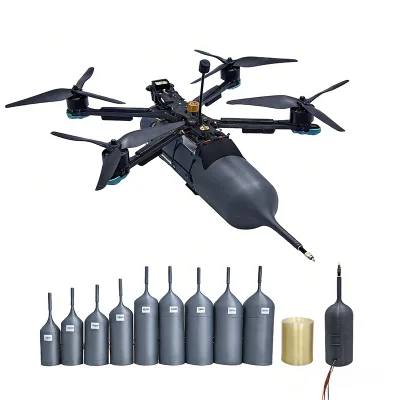
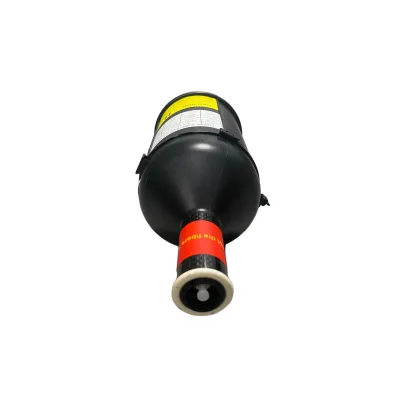
The physical form factor of the reel, often constructed with ABS shells for impact resistance, must align with the drone’s payload capacity and flight duration. Common models support fiber lengths from 3km to 20km, with specific canister designs like the FB-Drone Canister optimizing weight and balance. Sourcing decisions should also consider the connector type, with dual FC connectors being a standard interface for reliable signal integrity. Buyers need to verify that the packaging, typically carton-based, protects the delicate fiber from moisture and physical damage during transit from manufacturing hubs in Zhejiang, China, to the final deployment site.
Product Scope and Observed Listing Signals
Market listings for outdoor FPV fiber reels reveal a wide variance in specifications, primarily driven by fiber length and core count. Observed product names frequently include terms like "Fpv Drone Fiber Reels" or "Fpv Fiber Optical Spool," indicating their specialized use in unmanned aerial vehicle applications. The price range observed spans from approximately $4 to over $1,200, reflecting differences in fiber quality, reel durability, and included accessories such as attenuators or specific connector types. Minimum order quantities (MOQ) generally start at one unit, allowing for prototype testing, but scale up to 100 units for bulk procurement, which may offer better commercial terms.
Buyers should note that while many products claim OEM branding, the actual manufacturing origin is predominantly China, with Zhejiang province being a key hub for these components. Listings often highlight customization availability, suggesting that suppliers can tailor cable lengths or connector configurations to specific drone models. However, the presence of terms like "Fpv Fiber Optic 3/5/10/15/20/30km Video Data Link" indicates that some suppliers offer modular solutions. It is crucial to distinguish between basic fiber reels and complete systems that may include power sources or signal converters, as the latter significantly impact the total cost and integration complexity.
Technical Specifications to Verify
Verifying the fiber type is critical, as single-mode G657A2 fiber is preferred for its bend resistance and low attenuation over long distances. Buyers must confirm the wavelength specifications, typically 1310nm and 1550nm, which are standard for single-mode applications. The fiber diameter, ranging from 0.25mm to 0.5mm, affects the cable's flexibility and durability, with thinner fibers being more susceptible to damage if not properly protected. Additionally, the transfer rate, often cited as 0-1Mbps for basic video links, should be sufficient for standard FPV transmission, but higher bandwidth requirements may necessitate more advanced fiber configurations.
The reel's mechanical specifications, including size and weight, are vital for drone integration. Standard dimensions like 60*35mm or larger canisters must be evaluated against the drone's payload limits. The allowed tensile strength, often exceeding 10,000N, ensures the cable can withstand the forces generated during rapid deployment. Buyers should also check the input voltage requirements, which may range from 5V to 27V, depending on whether the reel includes active components. Confirming the connection structure, such as FC connectors, ensures compatibility with existing drone video transmission systems.
Compliance and Safety Documentation
Ensuring that the fiber reels meet international safety and environmental standards is essential for reliable operation. Certifications such as RoHS, CE, and ISO are commonly listed, indicating compliance with hazardous substance restrictions and quality management systems. Buyers should request valid certification documents to verify that the PVC sheathing and ABS shells do not contain harmful materials. These certifications also suggest that the manufacturer adheres to consistent production processes, which is crucial for maintaining the integrity of the fiber optic components under stress.
Safety documentation should also cover the operational limits of the product, including storage and operating temperatures. The specified range of -50°C to +85°C for storage and -40°C to +85°C for operation ensures the reel can function in diverse climates. Buyers must verify that the product condition is listed as "New" to avoid issues with degraded fiber performance. Additionally, checking for any specific warnings regarding humidity resistance, typically rated at 0~95% non-condensing, helps prevent moisture-related signal loss or cable damage in outdoor environments.
Cost Drivers and Commercial Terms
The cost of outdoor FPV fiber reels is influenced by several factors, including fiber length, core count, and reel construction quality. Longer fiber lengths, such as 20km or 30km, naturally command higher prices due to the increased material and manufacturing time. The inclusion of additional features, such as dual FC connectors or specialized attenuators, also adds to the cost. Buyers should compare the price per kilometer to understand the value proposition, keeping in mind that higher-quality fiber may offer better long-term reliability despite a higher upfront cost.
Commercial terms, including MOQ and lead times, vary among suppliers. While some suppliers offer low MOQs for testing, bulk orders may require longer lead times for production and quality control. Buyers should negotiate clear terms regarding packaging, typically carton packing, to ensure the product arrives in good condition. Payment terms and shipping costs should also be considered, as these can significantly impact the total cost of ownership. Understanding these commercial dynamics helps buyers plan their procurement strategy effectively, balancing cost with supply chain reliability.
Supplier Qualification and Quality Control
Selecting a qualified supplier is crucial for obtaining reliable FPV fiber reels. Buyers should prioritize suppliers with a proven track record in manufacturing fiber optic components, particularly those located in established industrial hubs like Zhejiang, China. Verifying the supplier's ability to provide customization services is important, as it indicates flexibility in meeting specific drone requirements. Buyers should also assess the supplier's quality control processes, including testing for tensile strength and signal integrity, to ensure the products meet the specified standards.
Requesting samples before placing bulk orders is a recommended practice to evaluate the physical quality of the reels. Buyers should inspect the fiber diameter, connector alignment, and reel mechanism for smooth operation. Additionally, checking the supplier's response time and technical support capabilities can provide insight into their overall reliability. Suppliers who offer detailed product specifications and responsive customer service are more likely to deliver consistent quality. Establishing a strong relationship with a qualified supplier can lead to better pricing and priority support in case of issues.
Long-Term Procurement Checks
Establishing a robust procurement process for FPV fiber reels involves regular performance monitoring and supplier evaluation. Buyers should track the reliability of the fiber reels in real-world drone operations, noting any issues with signal loss, cable breakage, or mechanical failure. This data can be used to negotiate better terms with suppliers or to identify alternative sources if quality issues persist. Regularly reviewing the supplier's certification status and compliance documentation ensures that the products continue to meet evolving regulatory requirements.
It is also important to stay updated on technological advancements in fiber optic components, such as new fiber types or improved reel designs. Buyers should periodically reassess their procurement needs to ensure they are utilizing the most efficient and cost-effective solutions. Building a diverse supplier base can mitigate risks associated with supply chain disruptions. By maintaining a proactive approach to procurement, buyers can ensure a steady supply of high-quality FPV fiber reels, supporting the long-term success of their drone operations.
FAQs
What certifications do outdoor fpv fiber cable reels typically have?
Outdoor fpv fiber cable reels typically hold RoHS, CE, and ISO certifications to ensure compliance with international safety and quality standards. These credentials verify that the materials and manufacturing processes meet rigorous environmental and performance requirements for reliable drone operations.
Can outdoor fpv fiber cable reels operate in extreme temperatures?
Yes, outdoor fpv fiber cable reels are designed to operate in extreme temperatures ranging from -40°C to +85°C. This wide operating range ensures consistent performance in harsh environments, while storage temperatures can withstand even lower conditions down to -50°C for safe handling.
What fiber types are used in outdoor fpv fiber cable reels?
Outdoor fpv fiber cable reels primarily use Single Mode Single Fiber G657A2 for optimal signal transmission. This fiber type supports wavelengths of 1310nm and 1550nm, providing low attenuation and high bandwidth suitable for long-distance FPV drone video and data links.
How long is the fiber available in outdoor fpv fiber cable reels?
Fiber lengths in outdoor fpv fiber cable reels range from 0.1km to 50.4km, with common options including 3km, 5km, 10km, 15km, and 20km. These customizable lengths allow users to select the exact reel size needed for their specific drone mission range.
What is the minimum order quantity for outdoor fpv fiber cable reels?
The minimum order quantity for outdoor fpv fiber cable reels ranges from 1 to 100 units, depending on the supplier and customization requirements. This flexible MOQ allows both small-scale testing and large-scale procurement to accommodate various business needs and project scales.
Where are outdoor fpv fiber cable reels manufactured?
Outdoor fpv fiber cable reels are primarily manufactured in Zhejiang, China, a major hub for fiber optic and electronic component production. This location offers access to advanced manufacturing facilities and supply chains, ensuring consistent quality and competitive pricing for global buyers.