Source Outdoor Ultrasonic Insect Repeller for Garden, Lawn, and Yard
Find 23 verified models of Outdoor Ultrasonic Insect Repeller designed for garden, lawn, and yard applications. Compare features like battery or solar power, CE and RoHS certifications, and coverage areas to select the right electronic pest control solution for your sourcing needs.
Key considerations
Products List


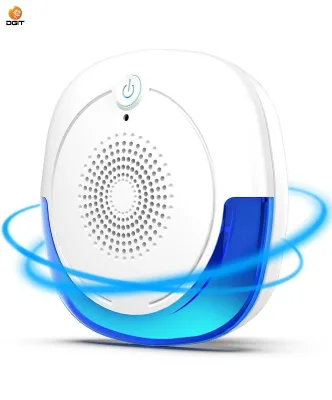
Mini Ultrasonic Repeller for Mouse and Fly Mosquito Insect Repellent Device
$2.95 - $4.98
MOQ: 1000 Pieces


ABS Electronic Mosquito Pest Repeller Repellent Ultrasonic Pest Control
$1.50 - $2.30
MOQ: 1000 Pieces


Electronic Insect Repeller Ultrasonic Anti Mosquito Insect Pest Mouse Repellent
$0.05 - $0.25
MOQ: 30000 Pieces


Comprehensive Sourcing Guide
Outdoor Ultrasonic Insect Repeller Sourcing Guide
Procuring outdoor ultrasonic insect repellers requires a clear understanding of the device’s operational limits and the specific pest profiles it targets. These devices generally rely on high-frequency sound waves to create an uncomfortable environment for insects, aiming to deter rather than kill them. Buyers must recognize that effectiveness can vary significantly based on environmental noise, physical obstructions, and the specific species present in the target area. The core technology is often marketed for long-term use, but real-world performance depends heavily on proper placement and power consistency.
The market offers a variety of form factors, from compact personal units to larger perimeter devices. Some models are designed for body-worn use, while others are intended for stationary installation in gardens or yards. It is crucial to distinguish between devices that claim to repel mosquitoes and those targeting larger wildlife such as foxes or coyotes. Misalignment between the product’s stated pest type and the actual infestation can lead to procurement failures. Therefore, verifying the specific pest type and the applicable space coverage is the first step in selecting the right hardware for your needs.
Product Scope and Observed Listing Signals
Current market listings indicate a wide range of pricing and minimum order quantities, reflecting the diversity of available solutions. Prices observed range from low-cost entry-level units to more sophisticated models with advanced features. Minimum order quantities typically start at ten units but can extend to thirty thousand for bulk industrial orders. This variance suggests that buyers can source small batches for testing or large volumes for distribution, depending on their supply chain strategy. Understanding these commercial signals helps in budgeting and negotiating terms with potential suppliers.
The physical attributes of these devices also vary, with materials like ABS plastic being common for durability in outdoor settings. Some units are battery-powered, while others offer rechargeable options or solar panel integration for sustained operation. Certifications such as CE and RoHS are frequently listed, indicating compliance with European safety and environmental standards. However, buyers should verify these certifications directly with the supplier, as listing them does not guarantee current validity. The presence of features like waterproofing or specific frequency ranges should be confirmed through technical datasheets rather than marketing copy.
Technical Specifications to Verify
Frequency range is a critical technical parameter that determines the device’s efficacy against specific pests. Some models operate at frequencies around 7.5kHz, while others may emit sounds in the 400-1000Hz range for wildlife deterrence. Buyers must ensure that the selected frequency aligns with the target pest’s sensitivity. Additionally, the power supply method, whether it uses standard batteries, rechargeable cells, or solar panels, impacts the device’s maintenance requirements and operational longevity. Verifying the battery life and charging cycle is essential for ensuring consistent performance in remote or off-grid locations.
Coverage area is another vital specification that influences the number of units required for a given space. Some devices claim coverage of up to 650 square meters, while others are designed for smaller areas of 50-100 square meters. The physical dimensions and weight of the unit also affect installation options, with some models being lightweight and portable, while others are more substantial. Buyers should request detailed technical specifications, including sonic frequency, power consumption, and coverage radius, to accurately plan the deployment strategy and avoid under- or over-provisioning.
Compliance and Safety Documentation
Regulatory compliance is non-negotiable for electronic devices sold in international markets. Certifications such as CE, RoHS, and ISO are commonly cited, indicating adherence to safety, electromagnetic compatibility, and environmental standards. Buyers must request valid certificates from accredited bodies to ensure that the products meet the legal requirements of their destination markets. It is important to verify that the certifications are current and cover the specific models being purchased, as generic certificates may not apply to all variants within a supplier’s catalog.
Safety features, such as IP ratings for water resistance, are crucial for outdoor devices exposed to the elements. An IPX4 rating, for instance, indicates protection against water splashes from any direction, which is suitable for many outdoor applications. Buyers should also check for any additional safety certifications relevant to battery safety or electrical insulation, especially for rechargeable models. Ensuring that all documentation is complete and verifiable helps mitigate legal risks and ensures that the products can be legally imported and sold in the target regions.
Cost Drivers and Commercial Terms
The cost of outdoor ultrasonic repellers is influenced by several factors, including the complexity of the electronic components, the quality of materials, and the power source. Devices with solar panels or rechargeable batteries may command higher prices due to the additional technology involved. Customization options, such as branding or specific packaging, can also impact the unit cost. Buyers should request detailed quotations that break down these costs to understand the value proposition and identify areas for potential negotiation.
Minimum order quantities and lead times are key commercial terms that affect inventory management and cash flow. While some suppliers offer low MOQs for testing, larger orders may require longer lead times for production and shipping. Buyers should negotiate clear terms regarding payment schedules, shipping responsibilities, and return policies for defective units. Understanding these commercial dynamics allows for better planning and risk management, ensuring that the procurement process aligns with the buyer’s operational capabilities and financial constraints.
Supplier Qualification and Quality Control
Supplier qualification is essential to ensure reliability and consistency in product quality. Buyers should verify the supplier’s factory audit status, with standards like BSCI and BV being common indicators of ethical and operational compliance. Conducting on-site or third-party audits can provide insights into the supplier’s manufacturing processes, quality control systems, and overall business practices. This due diligence helps identify potential risks and ensures that the supplier has the capacity to meet the buyer’s volume and quality requirements.
Quality control measures, such as pre-shipment inspections and sample testing, are critical for maintaining product standards. Buyers should establish clear quality criteria and inspection protocols before placing orders. Requesting samples for performance testing in real-world conditions can help validate the supplier’s claims and ensure that the products meet the buyer’s expectations. Establishing a strong relationship with the supplier through regular communication and feedback can also help in addressing any issues promptly and improving the overall procurement experience.
Long-Term Procurement Checks
Long-term success in sourcing outdoor ultrasonic repellers depends on continuous monitoring of product performance and supplier reliability. Buyers should track key performance indicators, such as customer feedback, return rates, and warranty claims, to assess the effectiveness of the products in the market. Regularly reviewing these metrics can help identify trends and areas for improvement, allowing for proactive adjustments to the procurement strategy. Maintaining open lines of communication with the supplier can also facilitate timely resolution of any issues that arise.
It is also important to stay updated on technological advancements and regulatory changes in the industry. Newer models may offer improved efficiency or additional features that could enhance the buyer’s product offering. Buyers should periodically reassess their supplier base to ensure they are sourcing from the most capable and competitive partners. By maintaining a strategic approach to procurement, buyers can ensure a steady supply of high-quality products that meet the evolving needs of their customers and comply with all relevant regulations.
FAQs
How long does the effectiveness last for outdoor ultrasonic insect repellers?
The effectiveness is designed for long-term use in outdoor environments. These devices utilize ultrasonic technology to repel mosquitoes continuously without requiring frequent replacement of consumables, ensuring sustained protection around your body and in garden areas.
What power supply options are available for these electronic traps?
Power supply options include battery operation using four D batteries or rechargeable systems with solar panels. Some models feature solar plus rechargeable battery combinations to ensure continuous operation in various outdoor settings like lawns, farms, and perimeters without grid access.
Which certifications do these outdoor ultrasonic insect repellers typically hold?
These products commonly hold CE, RoHS, and ISO certifications to ensure safety and environmental compliance. The manufacturing facilities also undergo BSCI and BV audits, guaranteeing that the electronic repellers meet international standards for quality and ethical production practices in Shenzhen.
Can I customize the packaging for bulk orders of these devices?
Customization is available for packaging needs such as box or blister box formats. Buyers can request specific packing configurations to suit their distribution requirements while maintaining the product integrity of the ultrasonic insect control units delivered from Chinese factories.
How does the frequency range affect mosquito control performance?
The devices operate within a specific frequency range, such as 7.5kHz, to target mosquitoes effectively. This ultrasonic emission creates an environment that repels pests without harming humans or pets, making it suitable for home, garden, and farm applications.
What is the warranty period for these electronic pest control units?
A two-year warranty is provided for these electronic repellers to cover manufacturing defects. This assurance applies to the ABS material construction and internal components, ensuring reliability for users managing insect control in outdoor spaces like yards and manors.
Which pest types are targeted by these ultrasonic repellers?
These units primarily target mosquitoes but some models also address wildlife pests like wolves, foxes, dogs, and coyotes. The sonic frequency range helps manage various pests in gardens, farms, and perimeter areas, offering versatile protection for different outdoor environments.