Source Outdoor Trampoline Safety Net for Competition, Training, and Entertainment
Compare 30 listings for Outdoor Trampoline Safety Net options featuring customizable enclosures, CE and ISO certifications, and varying weight capacities. Buyers can evaluate dimensions, materials like galvanized tubes, and safety features for competition, training, or entertainment use.
Key considerations
Products List


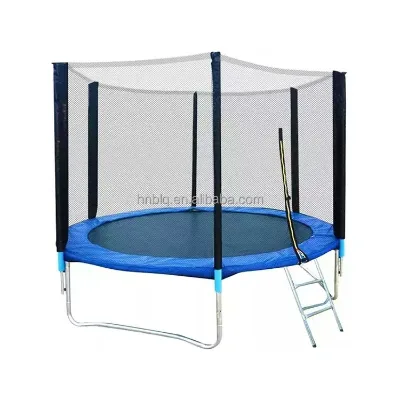
Jump Recreational Trampoline with Safety Enclosure Net for Kids Outdoor
$32.30 - $32.50
MOQ: 300 Pieces


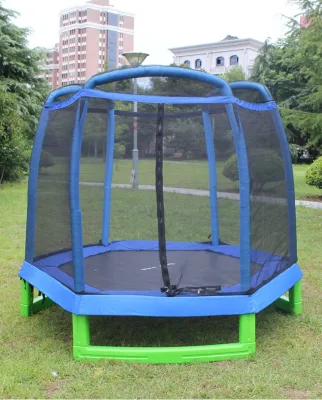
8FT Indoor Outdoor Toddler with Net and Safety Mat Professional Spring Bungee Trampoline
$50.00 - $150.00
MOQ: 50 Pieces


150kg Max Load Garden Outdoor Big Trampoline with Tightly Woven Safety Net
$39.99 - $126.99
MOQ: 50 Pieces

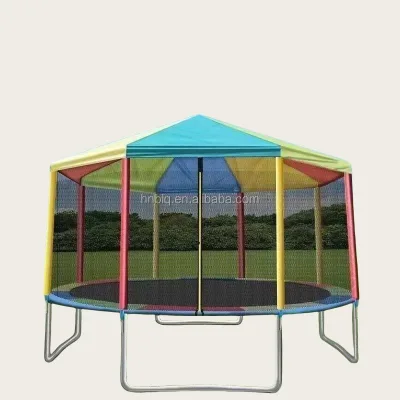
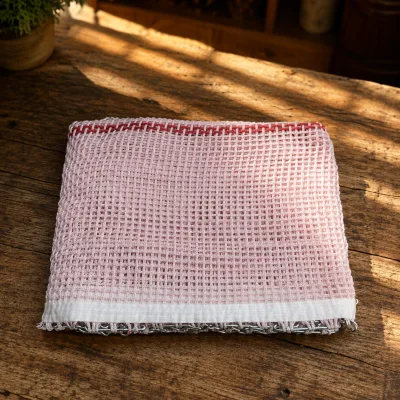

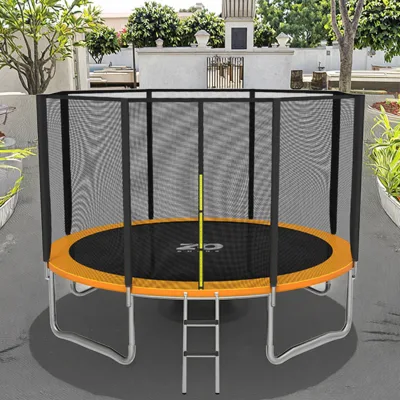

Zip Line Trampoline Isolation Protection Playground Safety Nets Net
$1.50 - $6.00
MOQ: 500 Square Meters
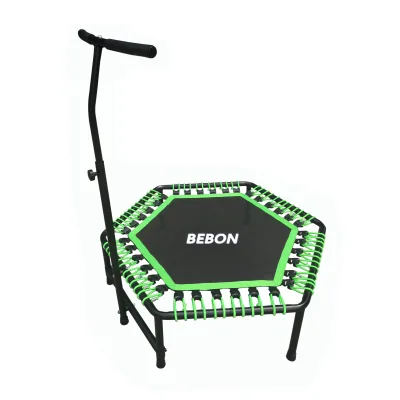
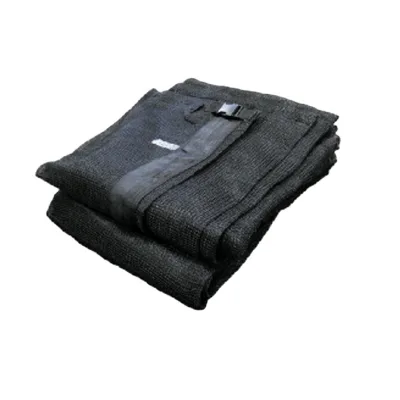

Premium Indoor & Outdoor Fitness Jumping Trampoline with Safety Net for All Ages
$2850.00 - $3500.00
MOQ: 1 Pieces
Comprehensive Sourcing Guide
Strategic Sourcing Guide for Outdoor Trampoline Safety Nets
The global market for recreational equipment has seen a significant surge in demand for outdoor safety solutions, with the Outdoor Trampoline Safety Net emerging as a critical component for both residential and commercial applications. For procurement professionals, sourcing these components requires a disciplined approach that balances technical specifications, regulatory compliance, and supply chain reliability. This guide synthesizes available product data and industry standards to provide a framework for evaluating suppliers and selecting products that meet rigorous safety and performance criteria.
Technical Specifications and Structural Integrity
When evaluating outdoor trampoline safety nets, the primary focus must be on the structural integrity of the enclosure system and its compatibility with the trampoline frame. The supplied product data indicates that high-performance units often utilize a combination of materials, specifically Galvanized Tube and PP (Polypropylene) mesh reinforced with springs. This material selection is crucial for withstanding outdoor environmental stressors while maintaining elasticity. The enclosure height is a variable specification, with observed ranges extending from less than 1.5 meters to as high as 2.5 meters. Procurement teams must verify that the selected net height aligns with the specific trampoline model and the intended user demographic.
Dimensional consistency is another critical technical factor. The data highlights specific model dimensions, such as a 14ft diameter for certain gymnastic trampoline models and a 6ft variant for smaller units. Furthermore, the ground clearance, which dictates the safety margin between the jumping surface and the ground, varies significantly between models, with observed values of 28cm and 65cm. Buyers must ensure that the safety net system is designed to accommodate these clearances without compromising the tension of the netting. The shape of the enclosure is predominantly round, which is standard for most residential and commercial trampolines, though the specific model codes like LDK0129 or BS-T14 indicate that custom configurations are available.
Compliance and Certification Verification
In the realm of outdoor recreational equipment, certification is not merely a formality but a prerequisite for market access and liability protection. The product data explicitly lists several recognized certifications, including CE, RoHS, ISO, CCS, ABS, GL, DNV, LR, and ISO9001. The presence of CE and ISO certifications suggests adherence to European safety standards and international quality management systems, which are essential for importing goods into regulated markets. However, the data also notes certifications such as CCS, ABS, and DNV, which are typically associated with maritime and heavy industrial sectors. This discrepancy requires careful verification; buyers must confirm whether these certifications apply specifically to the trampoline netting material or if they are legacy certifications of the manufacturing facility.
For outdoor applications, the material composition must also be scrutinized. While the data mentions Nylon as a material for specific netting products, the primary structural components are often stainless steel or galvanized tubes. Buyers should request test reports that verify the UV resistance of the PP mesh and the corrosion resistance of the galvanized steel, as outdoor exposure demands materials that can withstand prolonged sunlight and moisture. The standard "4.28m x 2.6m" and "140x135cm" dimensions listed in the data serve as reference points for standardization, but buyers should not assume all products meet these exact figures without verifying the specific model's technical sheet.
Cost Drivers and Pricing Dynamics
The pricing for outdoor trampoline safety nets is influenced by a complex matrix of factors, including material quality, customization levels, and order volume. The observed price range in the market spans from $1.50 to $13,600, a vast disparity that reflects the difference between simple replacement nets and complete, custom-engineered safety systems. The lower end of the spectrum likely corresponds to basic, standard-sized nets with minimal customization, while the higher end encompasses large-scale commercial installations with custom dimensions, specialized materials, and extensive safety features.
Volume plays a pivotal role in cost optimization. The Minimum Order Quantity (MOQ) ranges from 1 unit to 500 units. Buyers purchasing small quantities may face higher per-unit costs due to the fixed overhead of production setup and logistics. Conversely, bulk orders can leverage economies of scale, significantly reducing the unit price. The "Customized" attribute is a major cost driver; while customization is available, it often incurs additional tooling and engineering fees. Additionally, the packaging method, described as "Safety 4 Layer Package" or "Carton," impacts the final landed cost, as robust packaging is necessary to prevent damage during international shipping, especially for heavy items with a load-bearing capacity of up to 200kg.
Typical Applications and Usage Scenarios
Outdoor trampoline safety nets serve diverse applications ranging from private residential gardens to professional training facilities. The product data indicates suitability for both indoor and outdoor environments, with specific models designed for "Competition" and "Training" purposes. This dual applicability suggests that the safety nets must meet higher performance standards for commercial use compared to standard residential models. The "Children" age group is explicitly mentioned, highlighting the primary demographic for these products. However, the "Both" age group attribute and the "Max Jumping Weight" of up to 200kg indicate that certain models are engineered to accommodate adult users or multi-generational play.
The usage context also dictates the required safety features. For "Entertainment" venues, the net must be durable enough to withstand high-frequency use by multiple users simultaneously, with a population capacity of 8-9 persons noted for specific models. In agricultural or security contexts, the data mentions "Chinese Knot, Decoration, Security, Agriculture, Packaging," suggesting that some netting products may have dual-purpose designs, though these are distinct from standard trampoline safety nets. Buyers must clearly define the end-use scenario to ensure the selected net provides adequate protection against falls and impacts, particularly given the "Protection Mat Around" feature observed in some listings.
Supplier Evaluation and Quality Assurance
Selecting a reliable supplier is as critical as the product specifications themselves. The data points to China as the primary origin for these products, a region known for its robust manufacturing capabilities in recreational equipment. However, the presence of "Customized" standards and varying certifications requires a thorough vetting process. Buyers should prioritize suppliers who can provide transparent documentation regarding their production standards, such as the "ISO9001" certification mentioned. The "New" condition of the products is a baseline expectation, but buyers must verify that the "12 Months" warranty is backed by a responsive service team capable of handling replacement parts or repairs.
Quality control should be embedded throughout the procurement lifecycle. The "Safety 4 Layer Package" and "Export Standard Packing" are indicators of a supplier's attention to detail in logistics, but they do not guarantee the quality of the product itself. Buyers should implement a pre-shipment inspection protocol that verifies the tension of the netting, the integrity of the galvanized tubes, and the accuracy of the dimensions. The "N.W./G.W" (Net Weight/Gross Weight) data, such as 12/13kgs for specific models, can be used to verify that the supplier is not substituting materials with lighter, inferior alternatives.
Long-Term Procurement and Maintenance Considerations
Sourcing outdoor trampoline safety nets is not a one-time transaction but an ongoing relationship that requires planning for maintenance and replacement. The "12 Months" warranty period sets a baseline for the expected lifespan of the product, but outdoor exposure can accelerate wear and tear. Buyers should consider the availability of spare parts, such as replacement springs or netting panels, to extend the life of the equipment. The "Customized" nature of some products may complicate this, as non-standard parts might require longer lead times or higher costs to manufacture.
Furthermore, the "Standard" of "Customized" implies that future replacements may need to match the exact specifications of the original order. Buyers should maintain detailed records of the model numbers (e.g., LDK0129, BS-T14, BST-140A) and the specific material compositions used. This documentation is essential for ensuring compatibility when ordering replacements. The "Bicolor" and "Multicolor" options also suggest that aesthetic consistency is a factor for commercial buyers, who may need to match the color of replacement nets to the original installation to maintain a professional appearance.
Comparative Analysis of Product Attributes
To facilitate decision-making, the following table summarizes key attributes observed in the product data, highlighting the variations that buyers must navigate.
| Attribute | Observed Range / Value | Procurement Implication |
|---|---|---|
| Material | Stainless Steel, Galvanized Tube + PP + Spring, Nylon | Verify corrosion resistance for outdoor use; check mesh density. |
| Enclosure Height | <1.5 m to 1.5-2.5 m | Ensure height matches safety regulations for the target age group. |
| Max Jumping Weight | ≤65kg to ≥100kg (up to 200kg Load Bearing) | Match weight capacity to the intended user demographic. |
| Certification | CE, RoHS, ISO, CCS, ABS, GL, DNV, LR | Verify relevance to recreational equipment; request test reports. |
| MOQ | 1 to 500 | Plan inventory levels to optimize unit costs. |
| Warranty | 12 Months | Confirm terms for claims and availability of support. |
| Origin | China | Assess logistics lead times and import duties. |
| Packing | Safety 4 Layer, Carton, Export Standard | Inspect packaging integrity upon receipt to prevent transit damage. |
Conclusion
Sourcing outdoor trampoline safety nets requires a meticulous approach that integrates technical verification, compliance checks, and strategic supplier evaluation. The market offers a wide spectrum of options, from basic residential nets to complex commercial systems, each with distinct specifications regarding height, weight capacity, and material composition. By focusing on the verified data points—such as the specific model numbers, certification lists, and material standards—buyers can mitigate risks and ensure the procurement of high-quality safety equipment. The variability in pricing and MOQs necessitates a clear understanding of volume requirements and customization needs. Ultimately, the goal is to secure a supply chain that delivers products meeting the rigorous safety standards required for outdoor recreational use, ensuring long-term value and user protection.
FAQs
What certifications do outdoor trampoline safety nets typically have?
Most units carry CE, RoHS, and ISO certifications for safety compliance. Some products also list CCS, ABS, GL, DNV, and LR, though these often apply to the facility rather than the net itself. Buyers should verify which certifications specifically cover the recreational equipment.
How much weight can the safety nets support?
Maximum jumping weights range from 65kg to over 100kg depending on the model. Some heavy-duty units feature a load bearing capacity of up to 200kg. Always check the specific model specifications to ensure the net matches the intended user demographic.
Can I customize the dimensions and materials of the net?
Yes, customization is available for dimensions, colors, and material combinations like galvanized tubes and PP mesh. Enclosure heights can vary between 1.5 and 2.5 meters. Custom orders may require specific tooling and longer lead times compared to standard stock items.
What is the typical minimum order quantity for these nets?
Minimum order quantities range from 1 unit to 500 units depending on the supplier and customization level. Bulk orders often secure better pricing, while single units are available for small-scale needs. Buyers should confirm the MOQ before requesting a quote.
Where are these outdoor trampoline safety nets manufactured?
The primary manufacturing origin for these products is China. Suppliers from this region offer a wide range of models with varying specifications. Buyers should account for international shipping logistics and potential import duties when sourcing from this location.
How are the safety nets packaged for shipping?
Products are typically packed in cartons or with a safety four-layer package to prevent damage. Some items use export standard packing methods to ensure integrity during transit. The packaging must accommodate the weight and dimensions of the galvanized tubes and mesh.
What warranty is provided for the safety net products?
A standard warranty period of 12 months is commonly offered for new units. This coverage applies to manufacturing defects and structural integrity under normal use. Buyers should verify the specific warranty terms and claim procedures with the supplier before purchasing.