Source Outdoor Travel Cycling Water Bottle for Hiking, Sports, and Travel
Explore 30 options for the Outdoor Travel Cycling Water Bottle, featuring capacities from 300ml to 1500ml. Compare materials like aluminum alloy and plastic, along with features such as collapsible designs and eco-friendly functions for various sports applications; compare the available evidence and request quotations based on your requirements.
Key considerations
Products List

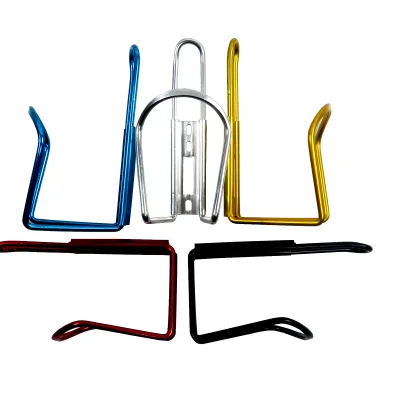


Travel Bicycle Drink Water Bottle, Promotional Gift Outdoor Water Bottle
$0.50 - $0.60
MOQ: 3000 Pieces


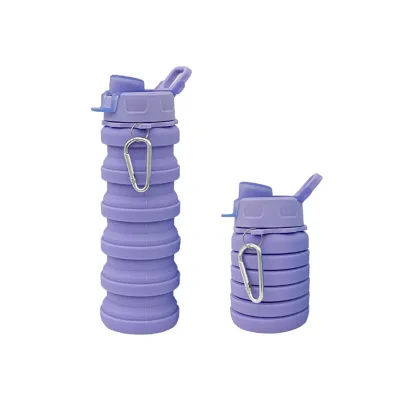
350ml Cycling Outdoor Portable Foldable Sports Running Squeeze Water Bottle
$3.50 - $5.50
MOQ: 15 Pieces




Comprehensive Sourcing Guide
Outdoor Travel Cycling Water Bottle Sourcing Guide
Procuring outdoor travel cycling water bottles requires distinguishing between rigid and collapsible designs to match specific logistical needs. The market offers distinct variations, including aluminum alloy and PP constructions that prioritize lightweight portability for hikers and cyclists. Buyers must verify whether the product is designed for direct drinking or requires specific flow mechanisms, as some units are optimized for high-intensity sports while others suit general travel.
Selection criteria should heavily weigh the intended application environment, such as mountain biking or road cycling, where durability and weight are critical. The observed product range includes capacities from 300ml to 2000ml, allowing buyers to match bottle size to hydration requirements for short sprints or long endurance events. Understanding these capacity tiers ensures the selected inventory aligns with the specific physical demands of the target user demographic.
Product Scope and Observed Listing Signals
The current market listings indicate a strong presence of sport-style bottles featuring multicolor options and custom logo capabilities. Many suppliers offer OEM packaging and silk screen printing designs, catering to brands seeking personalized merchandise for cycling clubs or corporate events. The observed attributes suggest a focus on eco-friendly and sustainable materials, with products often marketed as lightweight and high-quality solutions for outdoor enthusiasts.
Buyers should note the variation in customization levels, as some listings specify non-customized stock items while others explicitly accept customized colors and logos. The product scope extends to various applications including coffee, tea, and beer, though the primary design intent remains focused on water and sports hydration. This diversity in styling and function requires careful filtering to ensure the selected items meet the specific branding and functional requirements of the procurement project.
Technical Specifications to Verify
Technical due diligence must confirm the material composition, specifically the use of aluminum alloy, PP, or plastic, to ensure safety and durability during rigorous outdoor activities. The observed specifications list capacities ranging from 401ml to 1500ml, with some models featuring collapsible designs for space efficiency. Verifying the exact weight, such as the 71g unit observed, is essential for athletes where every gram impacts performance and fatigue levels.
Buyers must also validate the physical dimensions and packaging metrics, including box gauges and gross weights per batch, to calculate accurate shipping costs. The presence of specific model numbers like CQBW-BL08 or generic identifiers helps in tracking inventory consistency across different production runs. Ensuring the product supports direct drinking methods and withstands the intended usage scenarios is a critical step before finalizing any bulk order.
Compliance and Safety Documentation
Safety compliance is paramount when sourcing hydration equipment, with certifications such as FDA, QS, LFGB, and EEC serving as key indicators of material safety. These certifications verify that the materials used, including plastics and alloys, are free from harmful substances and safe for contact with food and beverages. Procurement teams should request current test reports to confirm that the specific batch of bottles meets these regulatory standards before shipment.
Documentation should also address the environmental claims, ensuring that eco-friendly and sustainable features are substantiated by recognized standards rather than vague marketing language. Buyers need to verify that the product origin, typically Hebei, China, aligns with the regulatory requirements of the destination market. Confirming that the manufacturing process adheres to these safety protocols protects the brand from liability and ensures consumer trust in the product's integrity.
Cost Drivers and Commercial Terms
Commercial terms are significantly influenced by the MOQ requirements, which can range from 100 pieces to 5000 units depending on the supplier and customization level. The observed selling units often require multiples of 200, which impacts the initial capital outlay and inventory management strategy for buyers. Understanding these volume thresholds is crucial for negotiating favorable pricing tiers and managing cash flow effectively during the procurement cycle.
Lead times and shipping logistics also play a major role in total cost of ownership, with observed shipping times ranging from 7 to 15 days after order placement. Buyers must account for packaging variations, such as box packaging versus OEM bags, as these affect the volumetric weight and freight charges. Clear communication regarding these commercial terms prevents unexpected delays and ensures that the supply chain remains responsive to market demands.
Supplier Qualification and Quality Control
Supplier qualification should focus on verifying the production capabilities and quality control measures, particularly for items requiring custom printing or specific material blends. The presence of OEM standards and specific model numbers suggests a structured production process, but buyers must confirm the consistency of these standards across different batches. Establishing a clear quality assurance protocol is essential to maintain the high-quality and lightweight attributes promised in the product listings.
Quality control checks should include visual inspections for design elements like silicone printing and silk screen durability, as well as functional tests for leak-proof seals and cap mechanisms. Given the diverse applications from hiking to cycling, the product must withstand physical stress without compromising its structural integrity. Implementing a rigorous inspection regime at the factory level ensures that the final delivered goods meet the expected performance and aesthetic standards.
Long-Term Procurement Checks
Sustainable procurement practices require ongoing monitoring of supplier performance to ensure consistent adherence to environmental and safety standards over time. Buyers should establish regular review cycles to assess whether the supplier continues to meet the required certifications and material specifications without deviation. This proactive approach helps mitigate risks associated with supply chain disruptions and ensures the long-term viability of the product line.
Long-term success also depends on maintaining a flexible relationship with suppliers to adapt to changing market trends and consumer preferences. As the outdoor and cycling markets evolve, the ability to quickly adjust capacity options, colors, or customization features will be a key differentiator. Continuous engagement with suppliers allows for the refinement of product specifications and the introduction of new innovations that keep the brand competitive in the global marketplace.
FAQs
What certifications do these bottles have?
These bottles hold QS, FDA, LFGB, and EEC certifications. They are designed for safe use with coffee, tea, beer, and water. The materials include aluminum alloy and PP plastic to ensure durability and safety for outdoor activities like cycling and hiking.
Can I get a customized logo on the bottle?
Yes, customized logos are acceptable for these products. The design options include silk screen printing and silicone printing. Buyers can request specific branding to match their business needs while maintaining the high-quality and eco-friendly features of the bottle.
What is the minimum order quantity for these bottles?
The minimum order quantity is 100 pieces for this specific model. However, observed ranges across similar listings vary from 15 to 5000 units. Buyers should confirm the exact MOQ with the supplier before placing an order to ensure it meets their procurement requirements.
How long does shipping take after placing an order?
Shipping typically takes 7 to 15 days after the order is placed. This lead time applies to the standard production and delivery process. Buyers should account for this duration when planning their inventory replenishment or event schedules for outdoor sports and travel.
Which capacities are available for these water bottles?
Available capacities include 2000ml, 750ml, 300ml, 650ml, and ranges like 401-500ml or 701-800ml. The 1500ml option is also listed. These sizes cater to various hydration needs for cycling, hiking, and general outdoor activities while maintaining a lightweight design.
Where are these bottles manufactured?
These bottles originate from Hebei, China. The production follows OEM standards with specific model numbers like CQBW-BL08. Buyers sourcing from this region can expect established manufacturing capabilities for sports and travel accessories with customizable packaging options.
Are these bottles suitable for boiling water?
No, these bottles are not applicable for boiling water. They are designed for direct drinking of cold or room temperature beverages like water, tea, and beer. Users should avoid exposing them to high heat to maintain the integrity of the aluminum alloy and PP materials.