Source Packet Synthetic Yaki Braiding Hair for Salons
Source Packet Synthetic Yaki Braiding Hair from 30 verified listings. Compare options featuring high-temperature fiber, single or double weft construction, and customizable colors. Evaluate specifications like 24-inch stretched length, 100g-450g weights, and Henan, China origins to find suitable bulk hair extensions for professional styling.
Updated
Key considerations
Products List
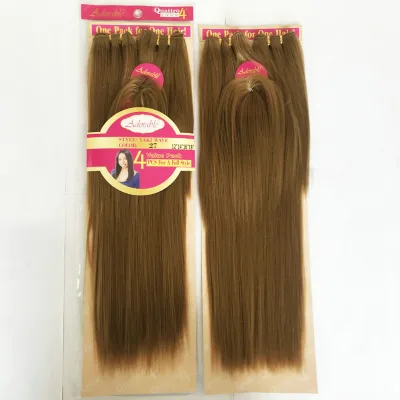


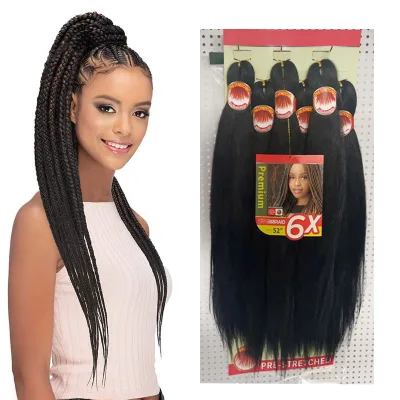
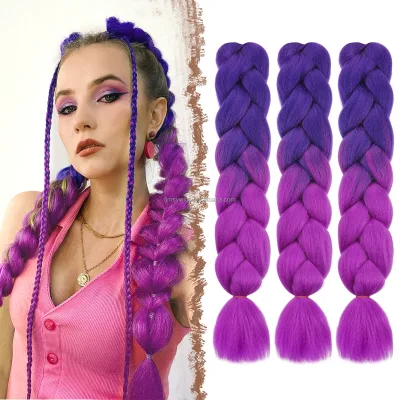

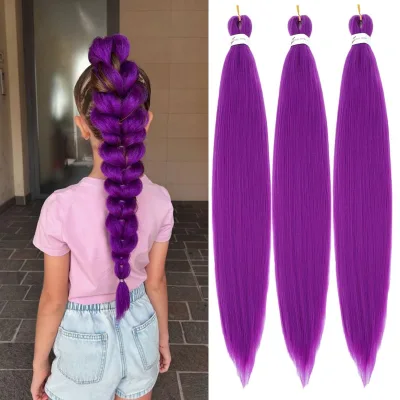
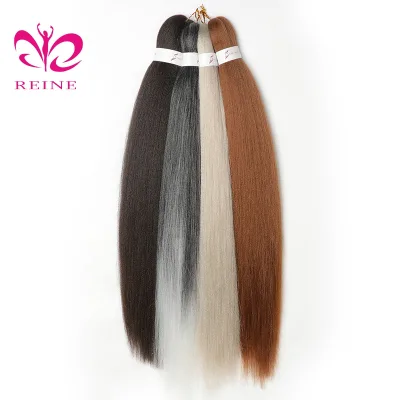
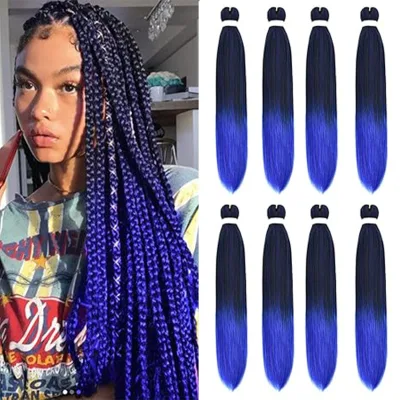
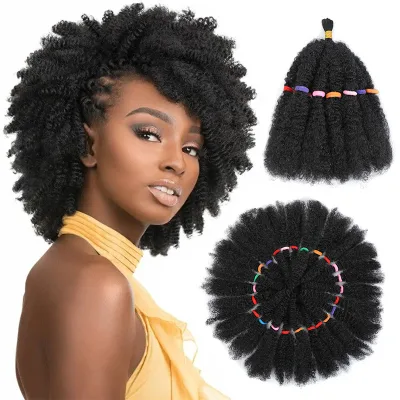
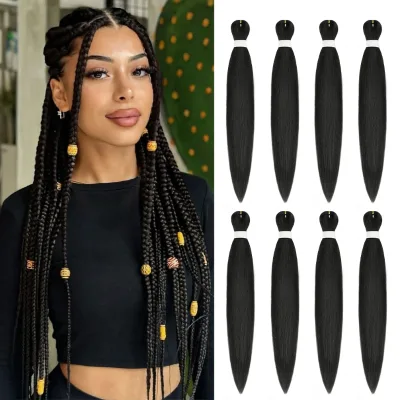
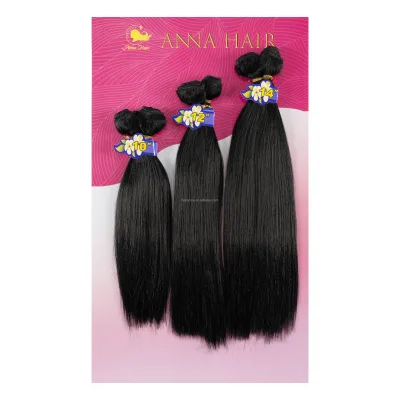
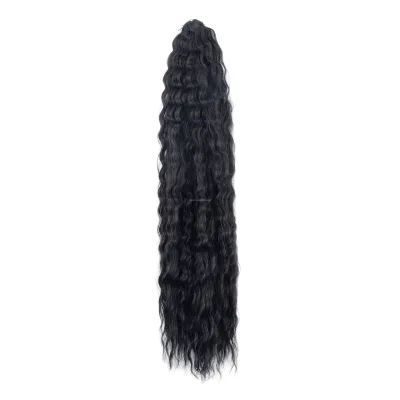
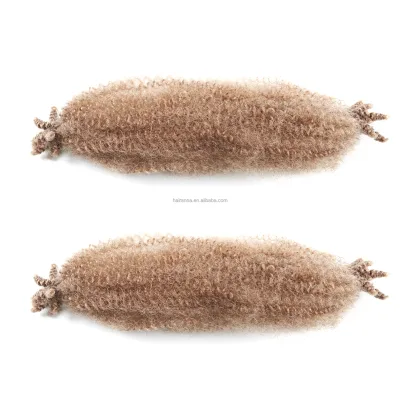
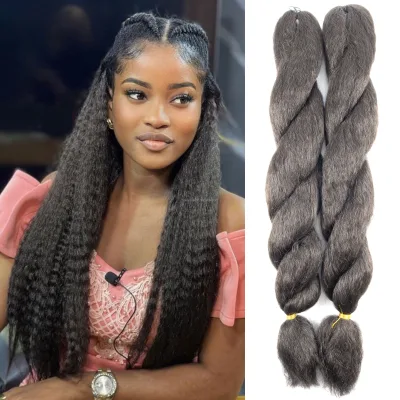
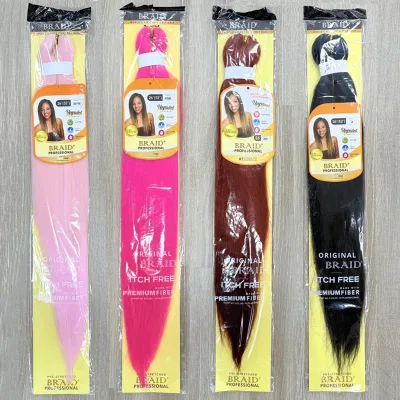
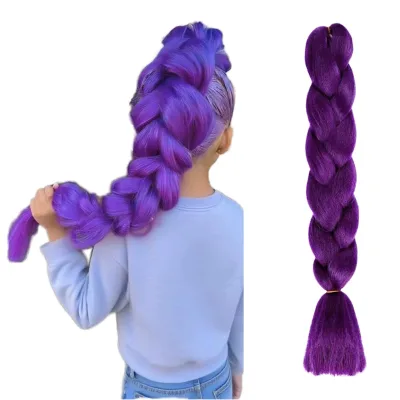
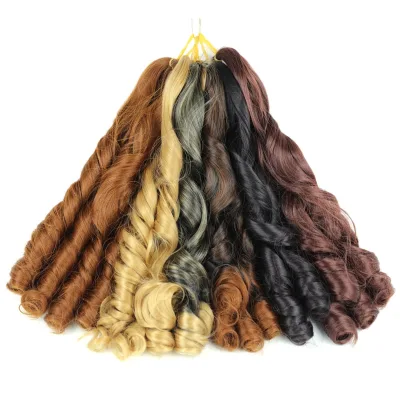
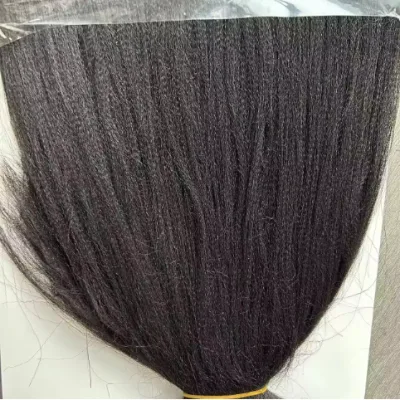


Comprehensive Sourcing Guide
Packet Synthetic Yaki Braiding Hair Sourcing Guide
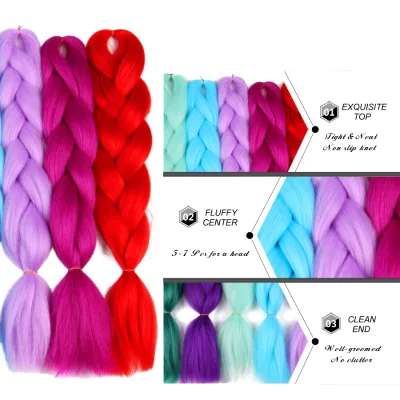
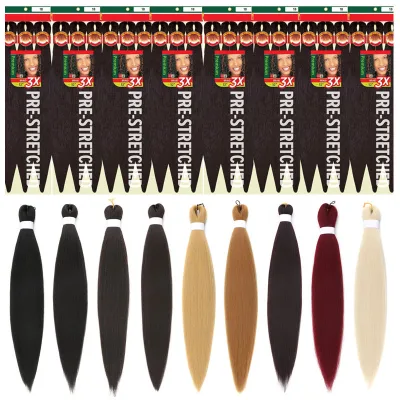
Procuring Packet Synthetic Yaki Braiding Hair requires a nuanced understanding of material properties and packaging standards that distinguish this category from bulk braiding hair. Buyers must recognize that these products are typically pre-stretched and designed for easy installation, often featuring a single or machine double weft structure to facilitate quick crocheting or braiding applications. The yaki texture is a critical aesthetic factor, mimicking natural hair patterns while offering the durability and heat resistance associated with high-temperature synthetic fibers. Sourcing decisions should prioritize suppliers who clearly define the hair type, such as pre-stretched braiding hair, to ensure the final product meets the expected tactile and visual standards for end-users.
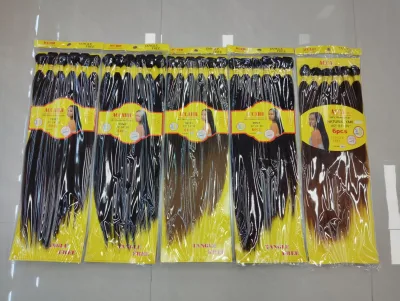
The packaging format, often referred to as packet synthetic hair, plays a significant role in retail readiness and logistics efficiency. Products are frequently supplied in OPP bags or boxes, with specific single package dimensions that impact shipping costs and storage requirements. Buyers should verify the gross weight and net weight specifications, as these vary significantly across different model numbers and densities. Understanding the relationship between the package size, such as 75x20x4 cm, and the internal hair weight, which can range from 100g to 450g, is essential for accurate landed cost calculations and inventory planning.
Product Scope and Observed Listing Signals
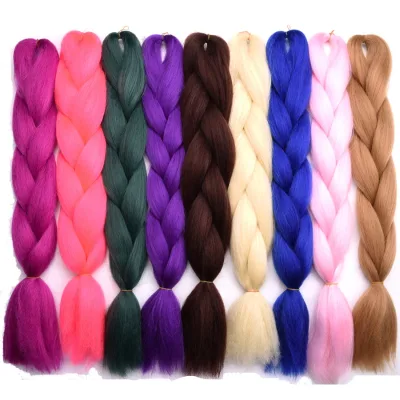
The market for Packet Synthetic Yaki Braiding Hair exhibits a wide range of model numbers and brand identities, indicating a fragmented supplier base with diverse product lines. Observed listings include models such as "Pop Curl" and "6X," alongside brands like ADORABLE and hawkko, suggesting that buyers will encounter various proprietary designs and texture variations. The color palette is extensive, ranging from standard shades like 1#, 1b#, and 4# to vibrant options including 613# and A-series colors, allowing for significant customization opportunities. Buyers should note that while some products offer customerized hair colors, others may have fixed color ranges, necessitating early clarification on available SKUs.
Density and length specifications are critical signals that define the product's utility and target market segment. Listings indicate stretched lengths of 24 inches or 26 inches, with density options such as 120% for fuller looks. The longest hair ratio is a key quality indicator, with some products boasting ratios of 60% or higher, ensuring a natural appearance with minimal short strands. Additionally, the hair texture is described as yaki straight braid hair, which is suitable for various braiding styles. Buyers must carefully cross-reference these specifications with their specific application needs, as variations in length and density can significantly affect the final aesthetic and performance of the braided hairstyle.
Technical Specifications to Verify
Verifying the hair material composition is the first step in ensuring product quality and safety. The supplied facts indicate the use of high-temperature fiber, which allows for heat styling capabilities, a crucial feature for modern synthetic hair extensions. Buyers should confirm whether the hair is dyeable, as some listings specify that the product is not dyeable, while others suggest suitability for all colors. This distinction is vital for retailers who may offer customization services or need to match specific customer preferences. Additionally, the hair weft construction, whether single weft or machine double weft, impacts the durability and ease of use during installation, so this attribute must be explicitly confirmed in product datasheets.
Packaging and labeling specifications require close attention to detail to avoid logistical discrepancies. The single package size and gross weight are essential for calculating freight costs and warehouse space utilization. Buyers should verify if the packaging includes OPP bags or boxes, and whether logo customization is accepted, as this affects branding opportunities. The model number, such as jumbo braid or Colorful Big Braids, should be matched with the corresponding technical data to ensure consistency. Furthermore, the advantage features like hot water setting and antibacterial properties should be validated through supplier documentation to ensure they meet the buyer's quality standards and marketing claims.
Compliance and Safety Documentation
While specific certification statuses are not provided in the observed data, buyers must proactively request relevant safety and quality documentation from suppliers. Synthetic hair products intended for cosmetic use should comply with international safety standards for textile and hair accessories, ensuring they are free from harmful substances. Buyers should inquire about any third-party test results that verify the material's safety, particularly regarding flammability and chemical composition. Although the facts mention antibacterial properties, this claim should be supported by credible laboratory tests or certifications to maintain regulatory compliance in target markets.
Documentation regarding the origin and manufacturing process is equally important for supply chain transparency. The place of origin is listed as Henan, China, which is a known hub for synthetic hair production. Buyers should verify if the supplier adheres to specific industry standards or quality management systems, even if not explicitly stated in the product listings. Requesting a certificate of origin and any relevant export compliance documents can help mitigate risks associated with international trade. Additionally, buyers should ensure that the supplier provides clear labeling instructions that meet the regulatory requirements of the destination country, including ingredient lists and care instructions.
Cost Drivers and Commercial Terms
The observed price range of 0.4 to 4.1 USD per unit indicates significant variation based on product specifications, packaging, and order volume. Buyers should analyze the cost drivers, such as the hair weight, density, and length, to understand the pricing structure. Higher density products or those with longer stretched lengths may command higher prices due to increased material usage. The minimum order quantity (MOQ) ranges from 1 to 1000 units, offering flexibility for both small-scale testers and large-volume buyers. Understanding the MOQ requirements is crucial for negotiating favorable terms and managing inventory levels effectively.
Shipping and payment terms also influence the total cost of procurement. The available shipping methods include air, cargo, and sea, each with different cost implications and lead times. Buyers should compare the landed cost, including freight, insurance, and duties, to determine the most economical shipping option. Additionally, the availability of OEM/ODM services and logo customization may incur additional costs, which should be factored into the budget. Clear communication regarding payment terms, such as deposits or letters of credit, is essential to establish a secure transaction framework and avoid potential disputes.
Supplier Qualification and Quality Control
Evaluating supplier qualifications is essential to ensure a reliable supply chain for Packet Synthetic Yaki Braiding Hair. Buyers should assess the supplier's production capacity, quality control processes, and ability to meet customization requests. The availability of OEM/ODM services suggests that some suppliers are equipped to handle bespoke orders, but buyers must verify their capability to maintain consistent quality across batches. Requesting samples is a critical step in this process, allowing buyers to physically inspect the hair texture, weft construction, and packaging quality before committing to a larger order.
Quality control measures should be clearly defined and agreed upon before production begins. Buyers should specify acceptance criteria for attributes such as the longest hair ratio, density, and color consistency. Implementing pre-shipment inspections can help identify any defects or deviations from the agreed specifications. Additionally, buyers should establish a clear communication channel with the supplier to address any issues promptly. Building a strong relationship with the supplier based on transparency and mutual trust can lead to better pricing, priority production, and improved service levels over time.
Long-Term Procurement Checks
Establishing long-term procurement checks ensures sustained quality and supply chain stability for Packet Synthetic Yaki Braiding Hair. Buyers should conduct periodic audits of supplier performance, focusing on metrics such as on-time delivery, product consistency, and responsiveness to issues. Regularly reviewing market trends and competitor offerings can help buyers stay ahead of changes in consumer preferences, such as new hair textures or color trends. Maintaining a diversified supplier base can also mitigate risks associated with single-source dependencies, ensuring continuity of supply even if one supplier faces disruptions.
Continuous improvement initiatives should be integrated into the procurement process to drive value and efficiency. Buyers should collaborate with suppliers to identify opportunities for cost reduction, such as optimizing packaging designs or streamlining logistics. Feedback from end-users should be collected and shared with suppliers to inform product development and quality improvements. By fostering a collaborative relationship and maintaining high standards, buyers can secure a competitive advantage in the market and deliver high-quality synthetic hair products to their customers.
FAQs
What is the hair material and texture for this product?
The product is made from high-temperature synthetic fiber with a Yaki Straight Braid texture. It is designed as pre-stretched braiding hair for easy installation. The material allows for hot water setting and is antibacterial. This ensures durability and a natural look for various braiding styles.
Which hair lengths are available for the Pop Curl model?
The Pop Curl model is available in lengths of 12, 14, 16, and 18 inches. Some variations may offer 24-inch options. These lengths cater to different braiding needs. Buyers can select the specific length that best suits their desired style and volume requirements.
Can I customize the brand logo and packaging?
Yes, customization is available for both logo and packaging. The supplier accepts OEM and ODM services. Buyers can request custom OPP bags or boxes. This service allows businesses to brand the synthetic hair products according to their specific market requirements and identity.
What is the typical weight and packaging for a single item?
Single items typically weigh between 100g and 450g depending on the specific model. The standard packaging is an OPP bag or box. The single gross weight is approximately 0.33 kg for some variants. This ensures safe transport and easy handling for bulk orders.
Where is the place of origin for these synthetic hair extensions?
The place of origin is Henan, China. This region is known for its synthetic hair manufacturing capabilities. Buyers can expect consistent quality from factories located in this area. The origin supports efficient shipping via air, cargo, or sea methods for international orders.
Are the hair colors available for dyeing or customization?
Some variants are not dyeable, while others accept customized colors. Standard colors include shades like 1#, 4#, 27#, and 613#. Custom color requests are accepted for bulk orders. Buyers should verify the dyeability of specific models before purchasing for custom coloring projects.