Virgin Chinese Human Hair Extensions Suppliers and Manufacturers
Source 25 verified suppliers for Virgin Chinese Human Hair Extensions. Compare key dimensions including location, lead time, response time, and certifications. Review product specs and pricing to identify suitable partners for your business needs; review the available evidence before requesting comparable quotations from suitable candidates.
Updated
Suppliers List

Juancheng Sunze Hair Products Co., Ltd.
- Verified by CTI
- Combined
- China Shandong
- Lead time23 days
- Avg. response≤ 4h
Main productsHair Weft, Tape Hair, I-Tip, V-Tip, U-Tip, Flat-Tip, Micro Ring, Nano Ring, Hand Tied Weft
Main marketsDomestic


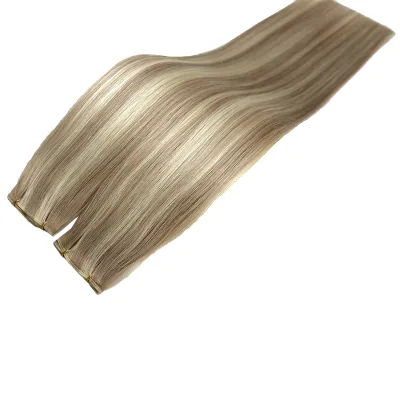
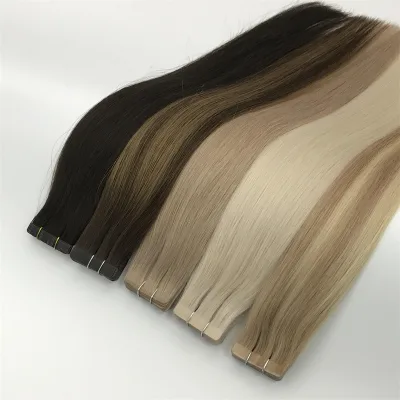
Virgin Hair Tape-in Extensions for Quick and Easy Application Chinese Human Hair
$22.88 - $66.88
MOQ: 1 piece


Guangzhou Dikalu Trading Co., Ltd.
- Verified by TUVRHEINLAND
- Manufacturer/Factory
- China Guangdong
- Lead time15 days
- Avg. response≤ 5h
Main productsHuman Hair, Wigs, Hair Bundles, Lace Frontal and Colsure, 613 Hair, Hair Extensions, Hair Bulk, Brazilian Human Hair, Vietnamese Hair, Indian Hair
Main marketsNorth America,Western Europe


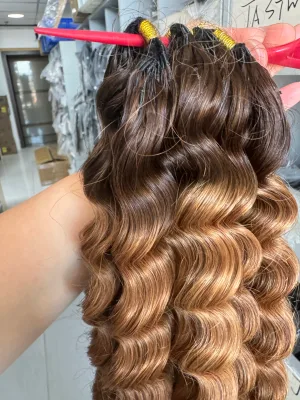
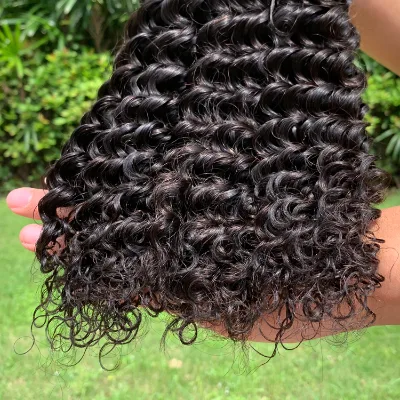
Chinese Hair Extension Real Virgin Brazilian Deep Wave Human Hair No Weft
$26.00 - $85.00
MOQ: 1 Pieces
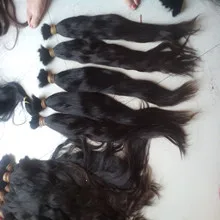
Taihe Lifa Hair Products Co., Ltd.
- Trading Company
- Anhui, China
- Lead time2 days
- Avg. response≤ 4h
Main productsHuman hair,Hair bulk,Hair weft,Hair wig,Synthetic hair
Main marketsSouth America(30.00%), North America(20.00%), Western Europe(10.00%), Africa(10.00%), Northern Europe(10.00%), Central America(10.00%), Southeast Asia(5.00%), Eastern Europe(5.00%)
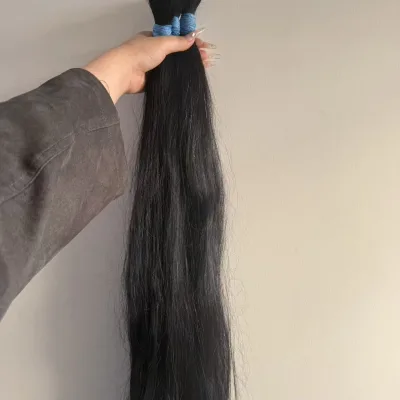
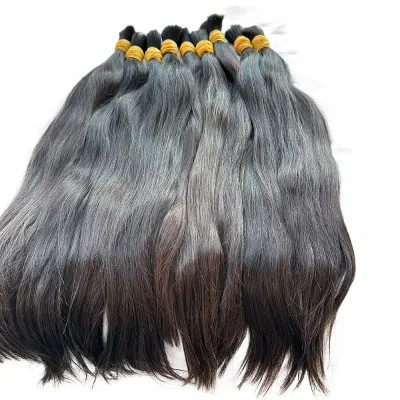
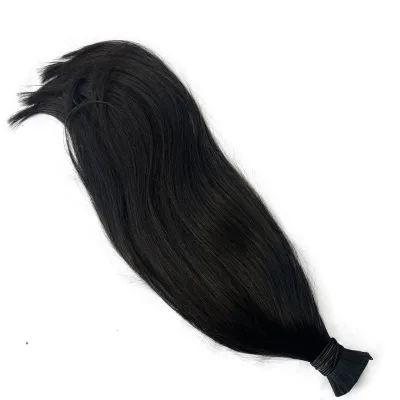
$520.00 - $920.00
MOQ: 1 Minimum
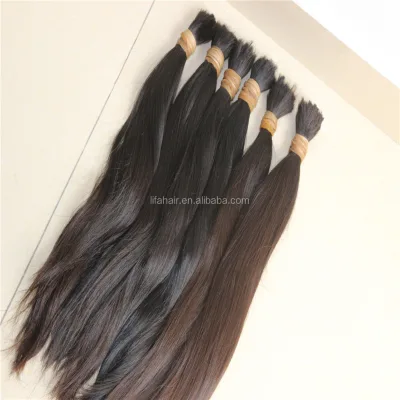
Qingdao Matchless Hair Products Co., Ltd.
- Verified by Intertek
- Manufacturer, Trading Company
- Lead time3 days
- Avg. response≤ 2h
Main productsMen toupee, Jewish Wigs, Women Topper
Main marketsNorth America(60%), Eastern Europe(20%), Western Europe(10%)

- Manufacturer/Factory
- China Guangdong
- Lead time23 days
- Avg. response≤ 20h
Main productsHuman Hair Extension, Virgin Hair, Wig, Brazilian Virgin Hair, Lace Wig, Hair Extensions, Human Hair, Full Lace Wig, Toupee, Hair Topper
Main marketsSouth America,Eastern Europe,Mid East,North America,Southeast Asia,Eastern Asia,Oceania,Western Europe,Africa
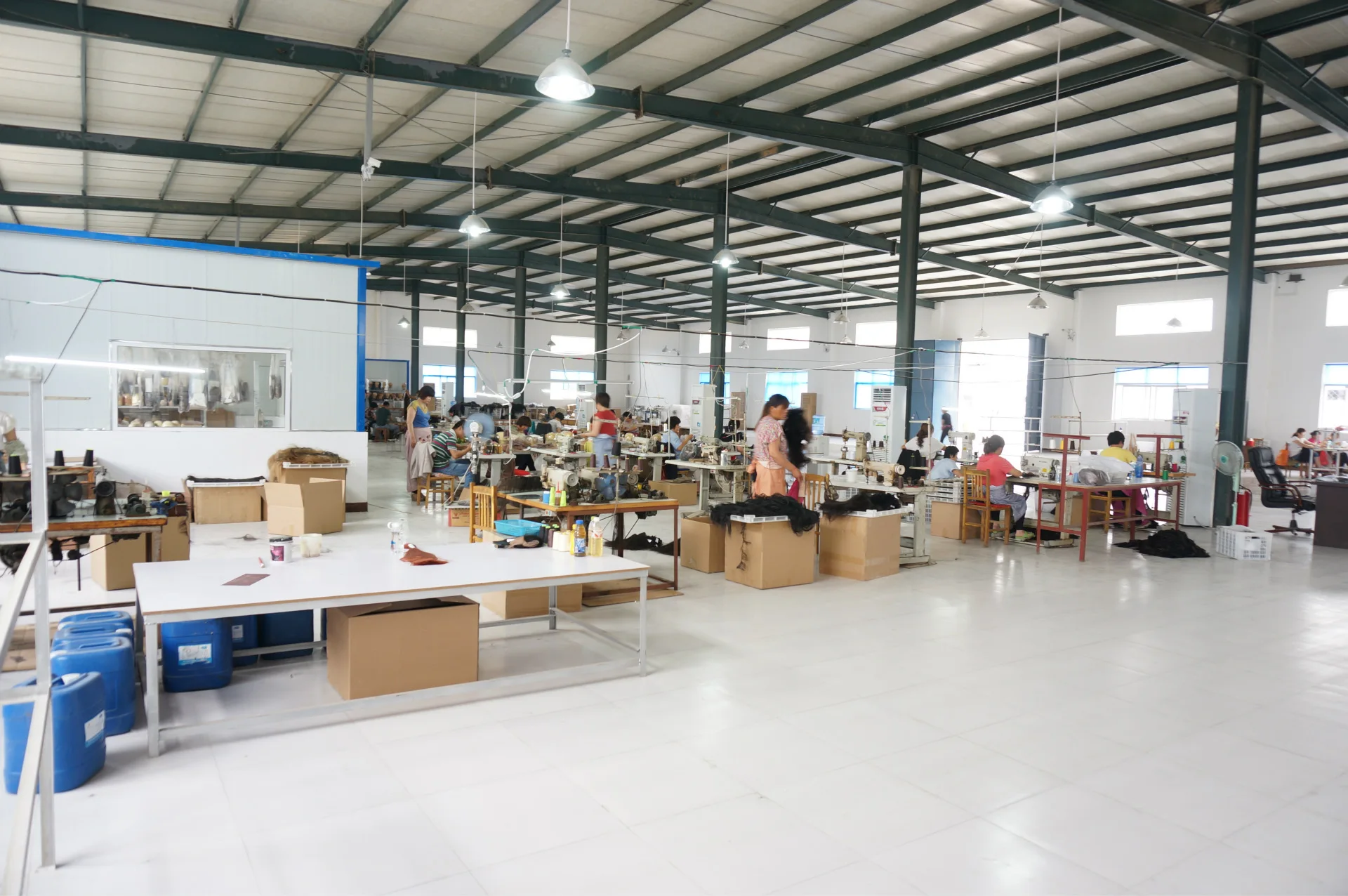
Shandong Juancheng Rongxiang Real Hair Products Co., Ltd.
- Manufacturer, Trading Company
- Shandong, China
- Lead time3 days
- Avg. response≤ 4h
Main productsHair Extension,Hair Wig,Hair Toupee,Cuticle Aligned Raw Hair,Virgin Hair
Main marketsWestern Europe(30.00%), North America(30.00%), Southern Europe(10.00%), Northern Europe(10.00%), Eastern Europe(10.00%), Oceania(10.00%)
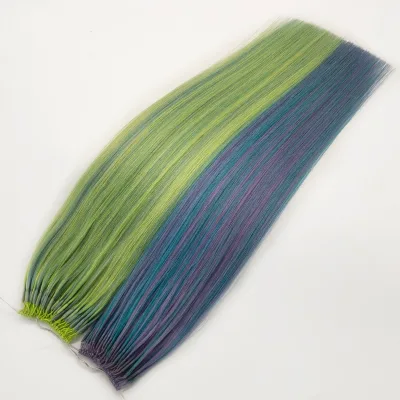
Hot Sale Chinese Braiding Hair Top Quality Double Tip Virgin Human Hair Extensions Tools
$10.00 - $70.00
MOQ: 1 Minimum
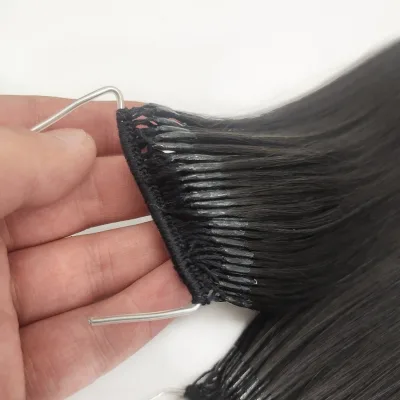
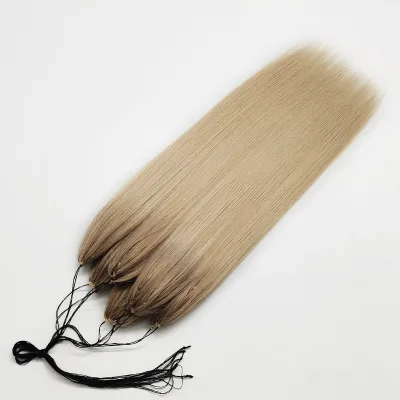
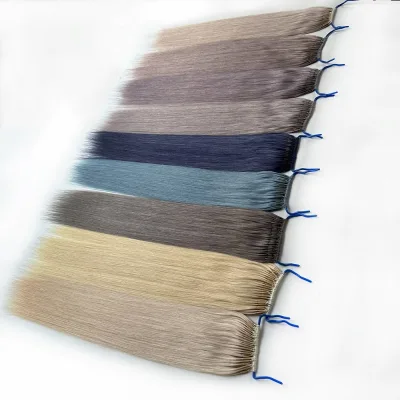
Qingdao Luxury Beauty Art Crafts Co., Ltd.
- Trading Company
- Shandong, China
- Lead time30 days
- Avg. response≤ 3h
Main productsHair Extensions, Wigs
Main marketsNorth America(55.00%), Domestic Market(6.00%), South America(5.00%), Oceania(5.00%), Western Europe(5.00%), Southern Europe(5.00%), Eastern Europe(5.00%), South Asia(2.00%), Eastern Asia(2.00%), Central America(2.00%), Northern Europe(2.00%), Africa(2.00%), Mid East(2.00%), Southeast Asia(2.00%)
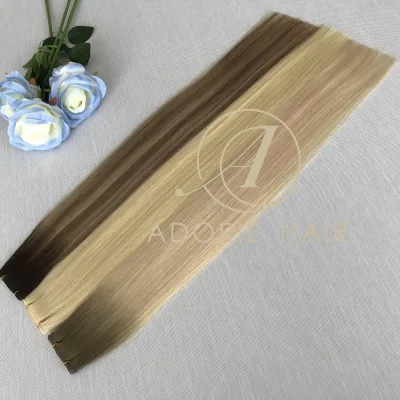
$66.6034 - $73.7752
MOQ: 2 Minimum
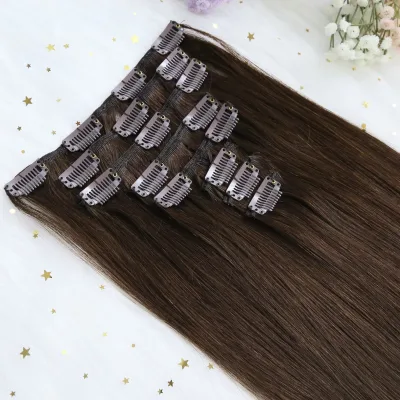
$65.00 - $72.00
MOQ: 1 Minimum
Qingdao Derun Hair Products Co., Ltd.
- Trading Company
- Shandong, China
- Lead time0 days
- Avg. response≤ 3h
Main productsHair Products
Main marketsNorth America(60.00%), Oceania(10.00%), Western Europe(10.00%), Africa(10.00%), Eastern Europe(5.00%), Northern Europe(3.00%), Southern Europe(2.00%)
Juancheng County Jinhan Hair Products Firm
- Trading Company
- Shandong, China
- Lead time0 days
- Avg. response≤ 2h
Juancheng Leshine Hair Products Co., Ltd.
- Manufacturer, Trading Company
- Lead time旺季: "1 - 150":8,"> 150":"To be negotiated", 淡季: "1 - 150":8,"> 150":"To be negotiated"
- Avg. response≤ 2h
Main productsHuman Hair Extension
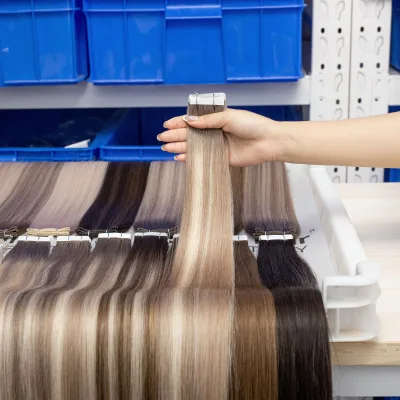
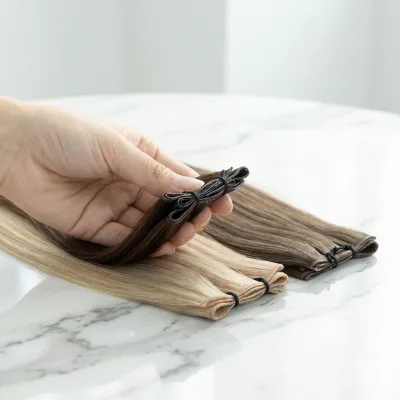
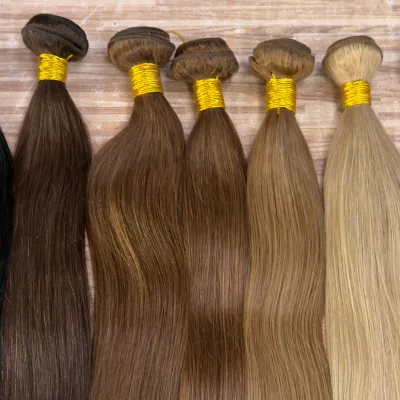
$39.0172 - $97.5437
MOQ: 1 Minimum
Qingdao Haiyi Hair Products Co., Ltd.
- Manufacturer, Trading Company
- Lead time旺季: "1 - 2":15,"3 - 200":20,"> 200":"To be negotiated", 淡季: "1 - 2":15,"3 - 200":20,"> 200":"To be negotiated"
- Avg. response≤ 2h
Main productsGenius Hair, Keratin Hair, Tape In Hair, Clip In Hair, Human Hair Extension
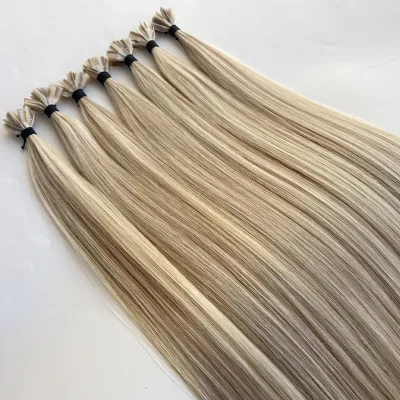
Hair Extensions Silky Straight Hair Extensions Full Cuticle K Tip Human Hair Extensions
$50.00 - $200.00
MOQ: 50 Minimum
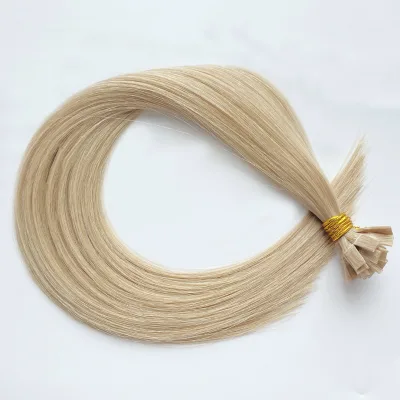
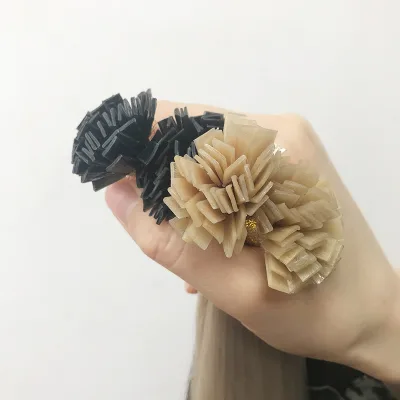
100% Virgin Chinese Hair Extensions K-Tip for White Women Style All Colors Suitable
$30.99 - $66.99
MOQ: 2 Minimum
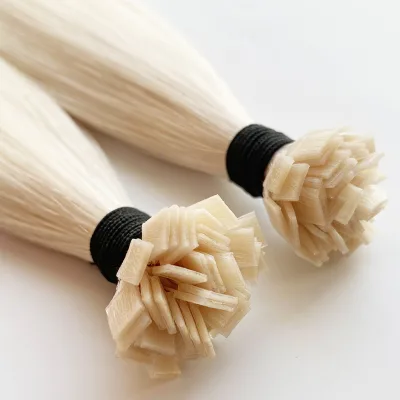
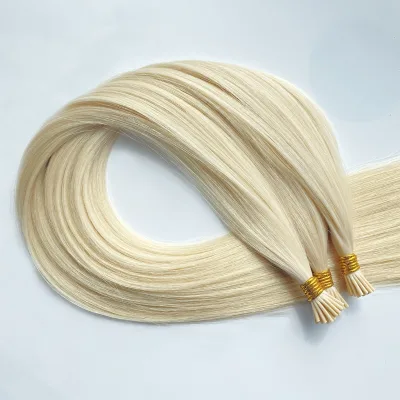
$30.99 - $66.99
MOQ: 1 Minimum
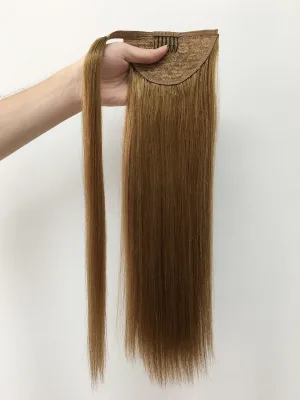
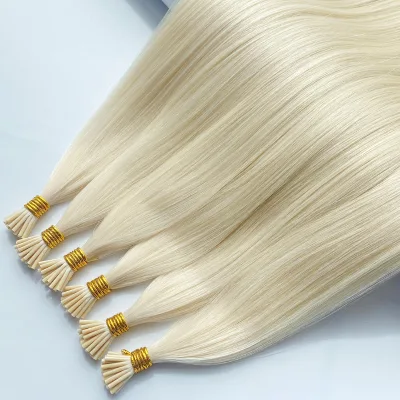
Hot Sale Factory Price 100% Natural Extensions Virgin Cuticle I Tip Hair Extensions Wholesale
$51.1632 - $73.675
MOQ: 1 Minimum
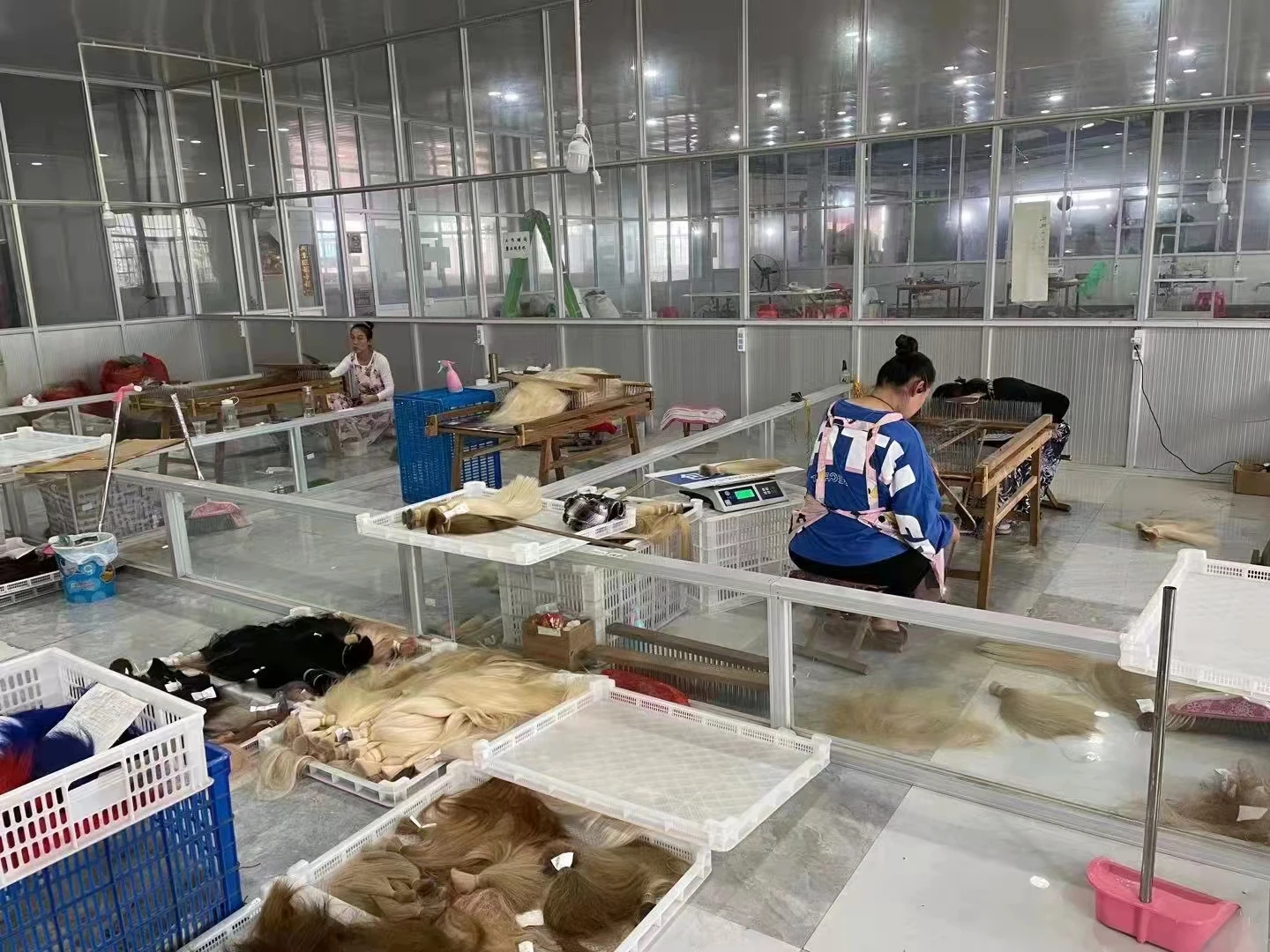
Xuchang Huanmei Trading Co., Ltd.
- Trading Company
- Henan, China
- Lead time7 days
- Avg. response≤ 3h
Main productsHair Wigs,Raw Hair,Crochet Braids,Hair Extensions,Women Topper
Main marketsNorth America(20.00%), South America(15.00%), Central America(10.00%), Western Europe(10.00%), Northern Europe(10.00%), Eastern Europe(10.00%), Oceania(5.00%), Africa(5.00%), South Asia(5.00%), Mid East(5.00%), Southern Europe(2.00%), Domestic Market(1.00%), Eastern Asia(1.00%), Southeast Asia(1.00%)

Qingdao Eminent Hair Products Co., Ltd.
- Manufacturer/Factory
- China Shandong
- Lead time15 days
- Avg. response≤ 9h
Main productsMen's Toupee, Wig, Hair Replacement, Hair Replacement System, Hairpiece, Hair Prosthesis, Human Hair, Human Hair Wig, Hair Topper
Main marketsSouth America,Eastern Europe,Mid East,North America,Southeast Asia,Eastern Asia,Oceania,Western Europe,Africa
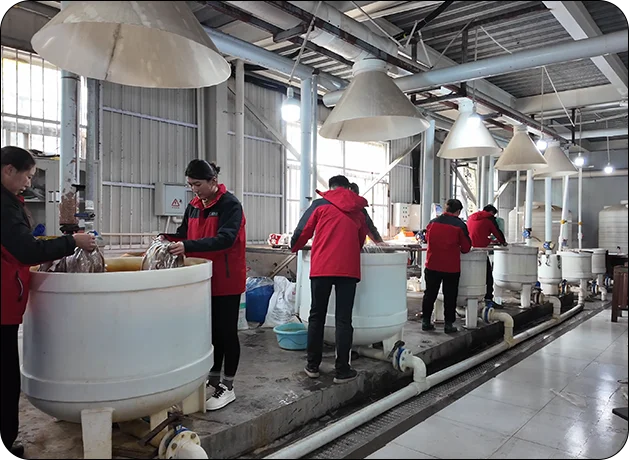
Heze Hengshang Hairdressing Products Co., Ltd.
- Manufacturer, Trading Company
- Shandong, China
- Lead time0 days
- Avg. response≤ 4h
Main productsTape hair,Pre-bonded hair,Genius weft,Clip in hair,Hair weft
Main marketsNorth America(50.00%), Northern Europe(25.00%), Western Europe(15.00%), Southern Europe(10.00%)
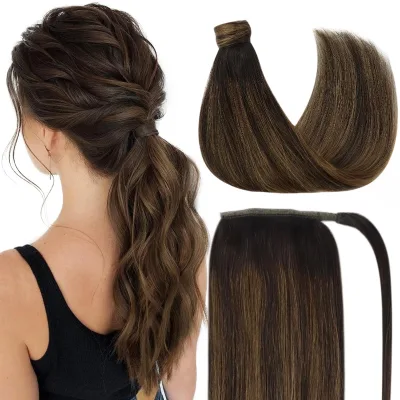
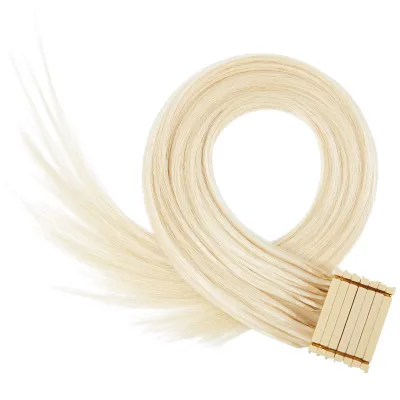
6D Hair Extensions 100% Real Human Hair No-Trace Hair Extensions Can Perm and Dye Hair No Tangling
$60.4549 - $112.0983
MOQ: 10 Minimum
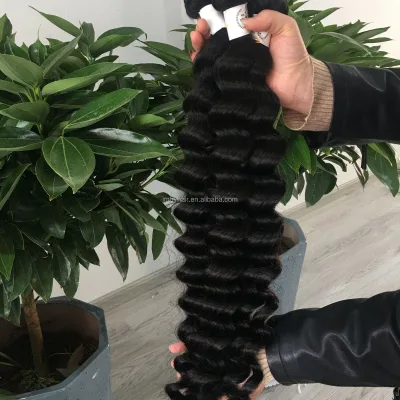
Wholesale Nature Bulk Human Hair for Braiding Loose Deep Wave Body Wave Human Hair Free Sample
$8.60 - $50.40
MOQ: 3 Minimum
Yuzhou Ruiduoli Hair Products Co., Ltd.
- Verified by SGS Group
- Manufacturer, Trading Company
- Lead time3 days
- Avg. response≤ 3h
Main productsHuman Hair Wig, Human Hair Bundles, Human Lace Closure
Main marketsNorth America(40%), Africa(30%), Western Europe(20%)

- Trading Company
- Hong Kong S.A.R.
- Lead time30 days
- Avg. response≤ 3h
Main productsWigs,Hair Extensions,Clip on hair,Tape in hair,Keratin hair
Main marketsNorth America(50.00%), Western Europe(30.00%), Northern Europe(10.00%), Mid East(10.00%)
Juancheng Dale Hair Products Co., Ltd.
- Manufacturer, Trading Company
- Shandong, China
- Lead time15 days
- Avg. response≤ 2h
Main productsHair extensions,Hair curtains,Caps,Hair blocks,Wig accessories
Main marketsCentral America(10.00%), Western Europe(10.00%), Mid East(10.00%), Oceania(10.00%), Africa(10.00%), Southeast Asia(10.00%), Eastern Europe(10.00%), South America(10.00%), North America(10.00%), Southern Europe(5.00%), Northern Europe(5.00%)
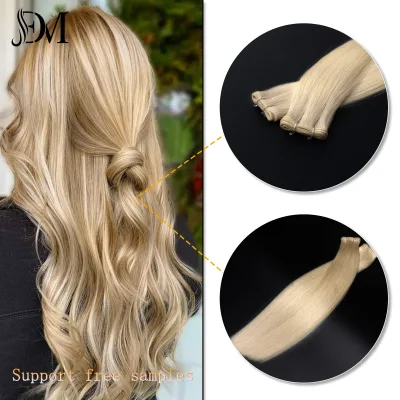
$22.7198 - $41.3165
MOQ: 1 Minimum
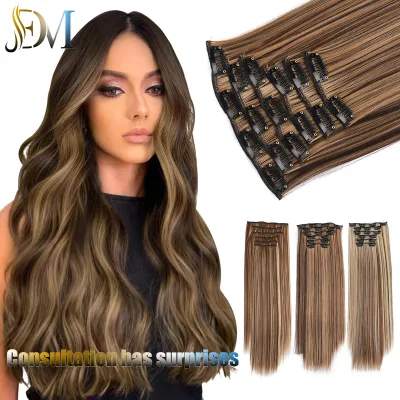
Luoyang Yishu Hair Extension Trading Co., Ltd.
- Trading Company
- Henan, China
- Lead time0 days
- Avg. response≤ 3h
Main productshair extension,hair wigs,hair products,human hair,tape in hair extension
Main marketsNorth America(35.00%), Mid East(30.00%), Eastern Europe(12.00%), South America(8.00%), Western Europe(8.00%), Africa(3.00%), Southern Europe(2.00%), Northern Europe(2.00%)
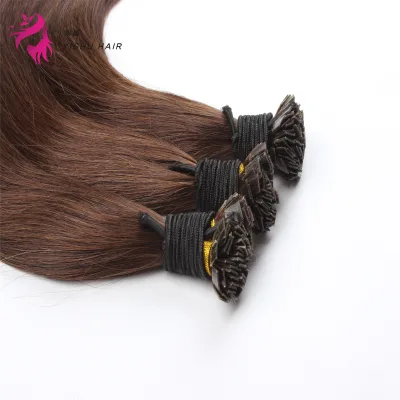
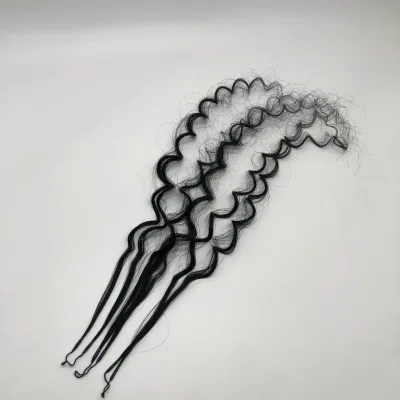
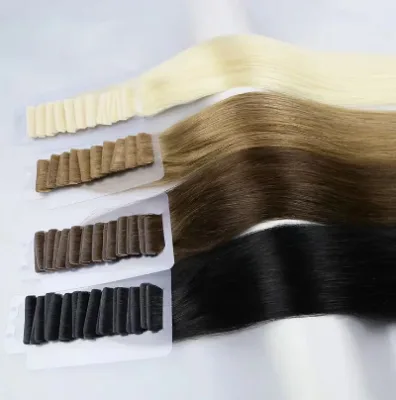
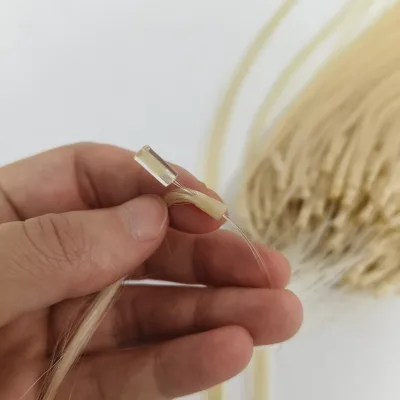
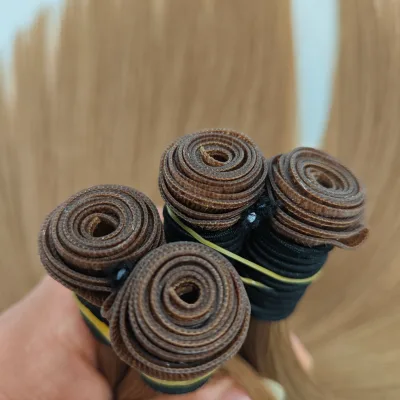
Wholesale Hair Vendors Natural Human Hair Extensions Seamless Hair Extensions All Colors Genius Weft
$61.00 - $188.00
MOQ: 100 Minimum
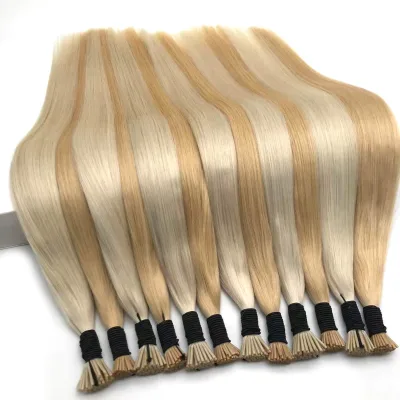
Qingdao Haohao Hair Products Co., Ltd.
- Verified by SGS Group
- Manufacturer, Trading Company
- Lead time3 days
- Avg. response≤ 2h
Main productsSew in Weft, Keratin Tip Hair, Genius Weft, Clips In Hair Extension, Tape Hair Extension
Main marketsNorth America(75%), South America(5%), Eastern Asia(5%)

Xuchang Leyide Import And Export Trading Co., Ltd.
- Trading Company,Manufacturer/Factory
- China Henan
- Lead time23 days
- Avg. response≤ 3h
Main productsHair Products, Wig Making Tools, Remy Human Hair, Mannequin, Stand Tripod, Synthetic Hair Extensions, Wigs, Virgin Human Hair, Satin Wig Bonnet, Lace Glue
Main marketsSouth America,Eastern Europe,Mid East,North America,Southeast Asia,Eastern Asia,Oceania,Western Europe,Africa

Factory Supply Top Grade Natural Color Brazilian Virgin Human Hair Extensions
$28.50 - $338.40
MOQ: 1 Pieces

Qingdao Haohao Hair Products Co., Ltd.
- Manufacturer, Trading Company
- Lead time旺季: "1 - 1000":5,"> 1000":"To be negotiated", 淡季: "1 - 1000":5,"> 1000":"To be negotiated"
- Avg. response≤ 2h
Main productsGenius Weft Human Hair Extensions, Pre-Bonded Human Hair Extensions, Tape In Human Hair Extensions, Clip In Human Hair Extensions, Butterfly Human Hair Weft
Qingdao Find Virgin Hair Product Co., Ltd.
- Verified by SGS Group
- Trading Company
- Lead time7 days
- Avg. response≤ 2h
Main productsHuman Hair Extension(Light Color), Hair Piece
Main marketsNorth America(55%), Western Europe(20%), Mid East(11%)
Guangzhou Luxefame Hair Trading Co., Ltd.
- Trading Company
- Lead time旺季: "1 - 300":7,"> 300":"To be negotiated", 淡季: "1 - 300":7,"> 300":"To be negotiated"
- Avg. response≤ 2h
Main productsWigs, Human Hair Wigs, Human Hair, Lace Closure, Lace Frontal
Heze Lanxun Hair Products Co., Ltd.
- Verified by TüVRheinland
- Trading Company
- Lead time5 days
- Avg. response≤ 3h
Main productsTape Hair, Pre Bonded Hair, Genius Weft, Butterfly Weft, Nano Ring Hair
Main marketsEastern Asia(22%), Oceania(21%), South America(15%)
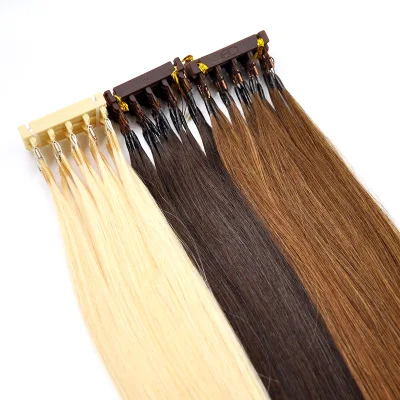
Premium-Quality 6D 2nd Generation 100% Remy Human Hair Extensions with Multi-Color Options
$20.00 - $100.00
MOQ: 1 Minimum
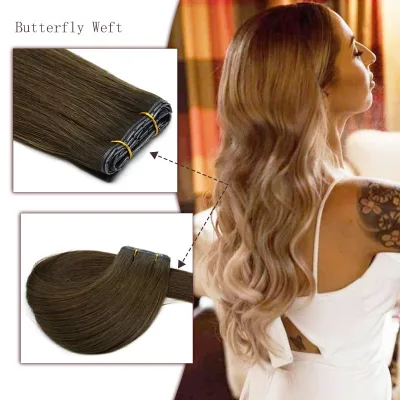
Juancheng Fasimei Hair Products Co., Ltd.
- Verified by SGS Group
- Manufacturer, Trading Company
- Lead time15 days
- Avg. response≤ 1h
Main productsHuman Hair Extensions, Human Hair Wigs
Main marketsNorth America(30%), Eastern Europe(30%), Western Europe(30%)


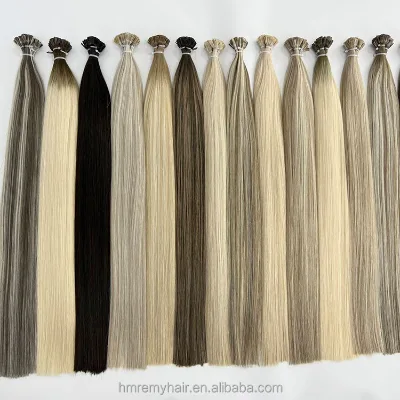
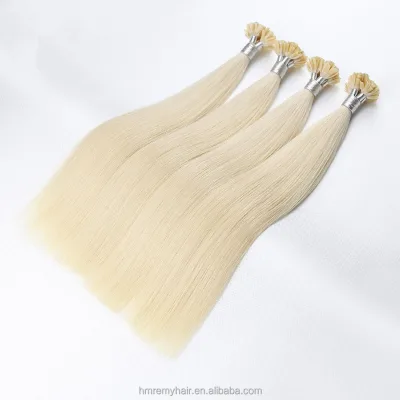
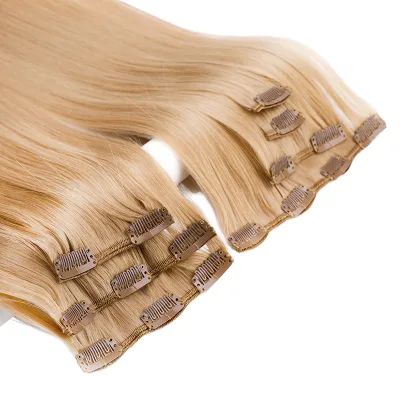


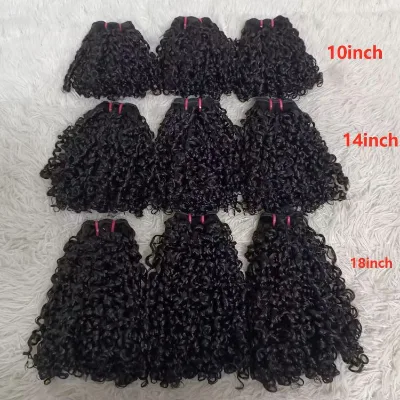
Comprehensive Sourcing Guide
Virgin Chinese Human Hair Extensions Supplier Concentration and Factory Types
Suppliers of Virgin Chinese Human Hair Extensions on major B2B platforms are heavily concentrated in China, and the listings in this category reflect that pattern. Location data supplied in current results points to Shandong and Guangdong provinces, with an additional trading company based in Anhui. Buyers searching for this category should therefore treat coastal and eastern Chinese provinces as the primary search footprint, while understanding that some listings may only display a broad country-level origin of China without a province. When a location field is missing, buyers can infer cluster participation indirectly by checking whether product attributes reference regional hair types, whether the supplier lists logistics partners, and whether company descriptions mention nearby production capacity rather than distant resourcing.
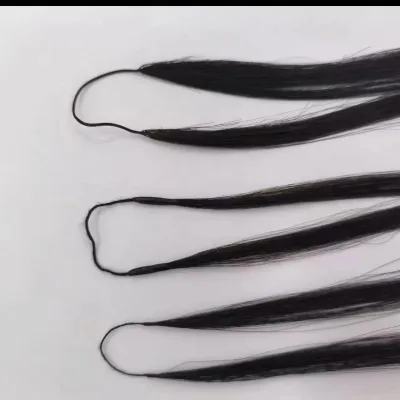
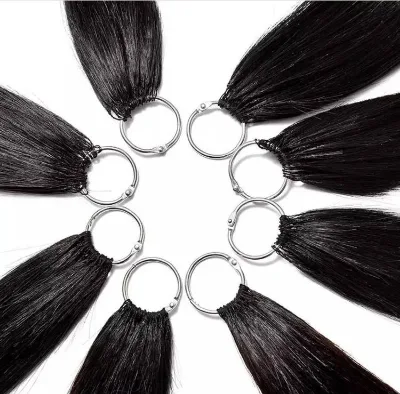
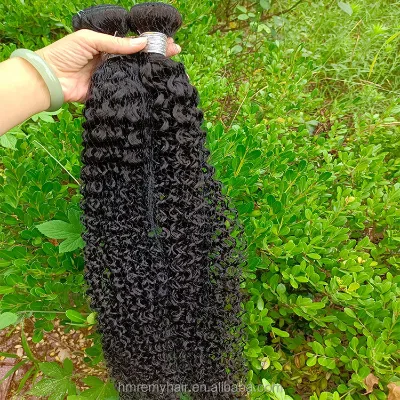
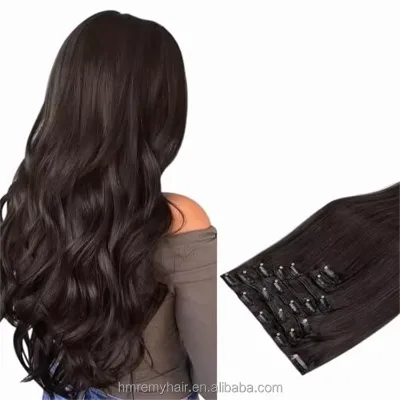
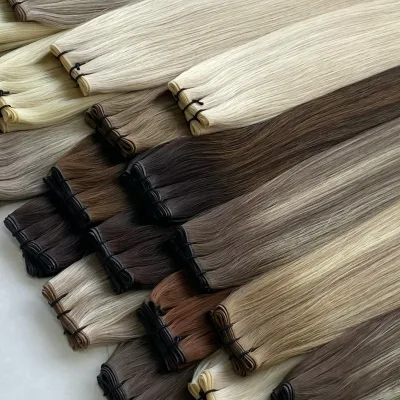
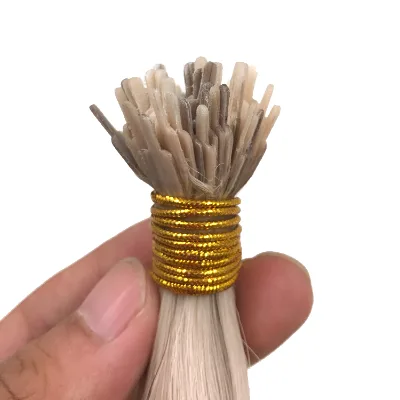
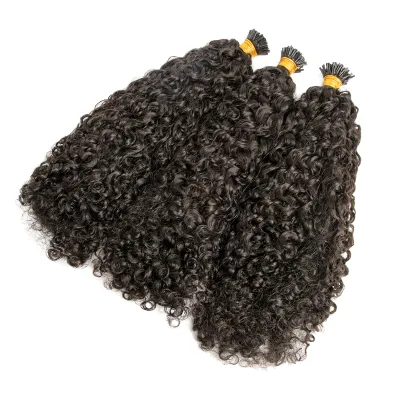
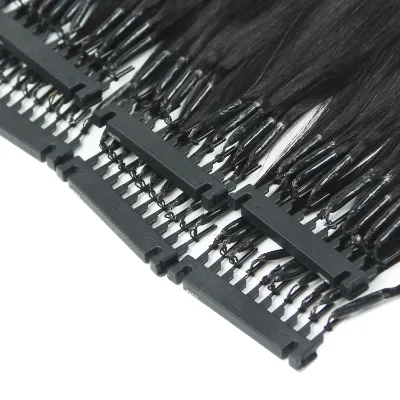
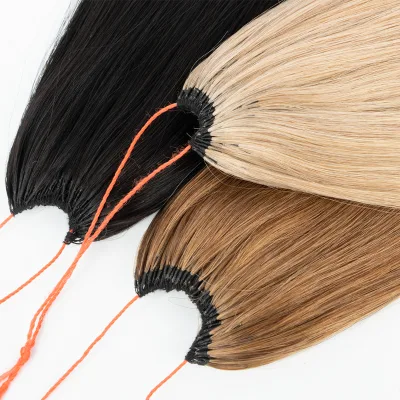
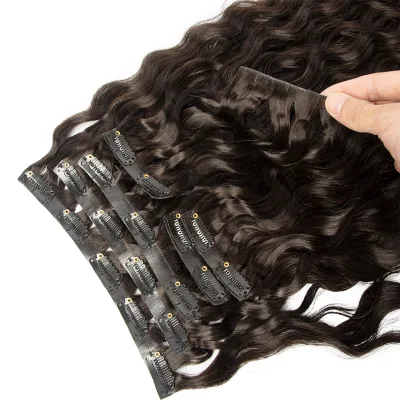
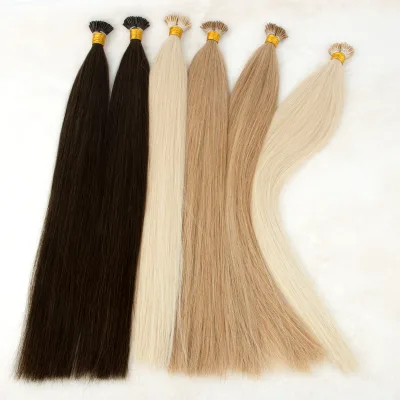
Factory types in this category split into manufacturers/factories, trading companies, and combined operations, and current results include at least one of each. A manufacturer listing typically emphasizes its own production line and may carry ISO 9000 system certification with third-party verification. A trading company consolidates multiple hair sources and often advertises broader product ranges, including hair bulk, wefts, wigs, and synthetic hair alongside human hair. Combined operations do both. Main-product spreads also differ: some suppliers focus narrowly on application-specific formats such as hand-tied wefts, tape hair, I-tip, V-tip, U-tip, flat-tip, micro ring, and nano ring extensions, while others list bundles, lace frontals, closures, and raw hair bulk. Matching supplier type to your format need narrows the field before detailed comparison begins.
How to Verify Virgin Chinese Human Hair Extensions Suppliers
Verification for hair extension suppliers starts with the platform's own credential markers. In current results, some suppliers carry third-party verification badges, including one verified by CTI and another verified by TUV Rheinland, while one Guangdong supplier displays an ISO 9000 system certification. These markers indicate that an inspection or audit body has reviewed the company, but they do not certify the hair itself. Buyers should distinguish clearly between company-level verification, which confirms legal existence and factory inspection, and product-level claims such as "100% human hair" or "virgin," which require separate testing. Asking a supplier for the scope of its verification report is a reasonable first step.
Beyond displayed badges, request evidence the supplier should be able to produce: business registration documents, photos or video calls of the production floor, and batch testing for cuticle integrity or fiber content if virgin hair is central to your brand promise. Product listings in this category commonly claim Remy grade, dyeable hair, and a 2–3 year lifespan; none of these are verifiable from a listing alone, so a dye-and-wash test on samples is standard practice before committing. Note that response time data gives a behavioral signal: current results show response times ranging from roughly three to over four hours, and a supplier that answers pre-sale questions slowly will usually perform worse post-contract. Finally, confirm that customization claims, such as available ODM/OEM services, are backed by a written process rather than a listing attribute only.
What to Compare Across Virgin Chinese Human Hair Extensions Suppliers
Build a comparison matrix across dimensions the platform actually displays, and mark missing fields as "verify" rather than assuming a default. Lead time is a strong differentiator: current results show one supplier quoting a 23-day lead time and another quoting 15 days, a difference of over a week that matters for seasonal retail calendars. Response time varies from about 3.16 hours to 4.46 hours among listed suppliers; log your own measured response speed during inquiry, since your experience may differ from the displayed average. Minimum order quantity is another key column — at least one product in this category lists an MOQ of 1, which lowers sampling cost dramatically, but never assume every product from that supplier shares the same MOQ.
Compare product breadth and specialization next. One Shandong supplier lists weft, tape, I-tip, V-tip, U-tip, flat-tip, micro ring, nano ring, and hand-tied formats, while a Guangdong manufacturer emphasizes bulk hair, wigs, bundles, lace frontals, and regional hair types including Brazilian, Vietnamese, and Indian. An Anhui trading company lists human hair, hair bulk, wefts, wigs, and synthetic hair. Price ranges also differ: listed products span roughly 20 to 144 dollars per unit depending on format, length, and grade. Company type (manufacturer, trading company, or combined), ODM/OEM capability, and certification status complete the matrix. Weight the columns by what your business actually needs — a salon brand prioritizes format range and customization, while a dropshipper prioritizes low MOQ and fast dispatch.
Common Virgin Chinese Human Hair Extensions Sourcing Risks
The dominant risk in this category is grade substitution. Listings frequently advertise "virgin," "Remy," or "unprocessed" hair, and several current products claim dyeability and a 2–3 year lifespan, but hair marketed as Chinese virgin hair may be blended with non-Remy or synthetic fiber. Because these claims are attributes typed into listings rather than independently tested results, buyers should require physical samples, perform a burn test or cuticle-direction inspection, and dye-test a strand before scaling orders. A supplier confident in its sourcing will usually accept sample-based validation; reluctance is itself a signal.
Second, listing attributes can drift from shipped goods. Products describe standards such as 50g per 20 pieces at 2.5g per piece, or 95–100g per piece customizable; weight shorting and inconsistent weft length are common complaints in hair extensions. Specify tolerances in the purchase contract and weigh received cartons at the border or on arrival. Third, misattributed origin is a recurring issue: a product labeled "European hair" or "Brazilian hair" in its attributes may still originate and be processed in China, so treat human hair type fields as marketing claims requiring confirmation. Fourth, verification badges cover the company, not the hair — an ISO 9000-certified factory can still ship blended hair if the purchase order does not define it. Finally, response-time averages can mask seasonal slowdowns around Chinese New Year; plan buffer time into any contract tied to a launch window.
Virgin Chinese Human Hair Extensions Regional Sourcing and Logistics
Regional sourcing in this category currently maps to three Chinese provinces in the supplied results: Shandong, Guangdong, and Anhui. Shandong's listing emphasizes application formats across every weft and tip type, which suits buyers assembling salon-facing catalogs. Guangdong's manufacturer listing spans bundles, wigs, frontals, and multiple regional hair origins, which suits wholesale assortment buyers. Anhui's trading company covers human and synthetic lines. These are observations from current data, not a permanent map — re-run location filters each sourcing cycle, because suppliers add and drop listings and some results display only "China" without province detail.
Logistics details visible in current listings are concrete and worth benchmarking. Two products specify express shipment via FedEx, DHL, UPS, or USPS, with quoted shipping times of 2–5 days or 3–7 days for the parcel itself; this is distinct from the production lead times of 15 and 23 days shown at the supplier level, and buyers must add them together when planning delivery dates. Packing is specified as PVC bags plus boxes on several products, with at least one listing offering custom packaging on request — relevant if you ship retail-ready. Weight matters for freight cost: one listing declares a 0.300 kg single gross weight with a 30×20×5 cm package size. When comparing suppliers, normalize all quoted times into a single door-to-door figure, and confirm whether express fees are included, since "free shipping" claims on listings do not always extend to your destination.
Virgin Chinese Human Hair Extensions Commercial Terms and Order Planning
Commercial terms should be locked in writing before any deposit. Key clauses for this category: exact hair grade (virgin/Remy, unprocessed), grams per piece or per bundle with tolerances, length ranges, weft construction, packaging spec (PVC bag plus box, or your custom design), dyeability guarantee, and a no-tangle/no-shedding standard that at least one current listing explicitly advertises. Price bands in current results run from roughly 20 to 144 dollars per unit, so specify which length and grade maps to which price tier — hair pricing scales steeply with length, and a quoted range without a tier table is unenforceable. Confirm currency, Incoterm, and whether express shipping is included.
Order planning should exploit the low entry barriers this category offers. At least one product lists an MOQ of 1, enabling a genuine sample order before volume commitment; several listings state customization is available, so request a pre-production sample with your logo packaging. Sequence your spend: sample, dye/wash test, small pilot order, then scale, using the supplier-level lead time (15 or 23 days in current data, but verify per order) plus express days to build your calendar. Escrow or platform-held payment protects early transactions until inspection passes. Finally, confirm ODM/OEM terms in a signed specification sheet, since capability labels on a profile page carry no contractual weight.
FAQs
What is the price range for virgin Chinese hair extensions?
Prices typically range from $20 to $144 per unit depending on the specific product type and customization options. For example, I-Tip extensions start around $20, while tape-in variants may cost up to $66.88. Bulk hair bundles are priced between $26 and $85. These figures reflect the base costs for standard orders and vary based on material grade and quantity.
What is the minimum order quantity for these extensions?
The minimum order quantity is generally one unit, allowing buyers to test quality before committing to larger purchases. This low MOQ applies to various styles including tape-ins and I-Tips. It facilitates easy sampling for new clients. However, specific bulk orders or custom packaging requests might have different thresholds, so confirming details with the supplier is recommended for large-scale procurement.
How long does shipping take for these hair products?
Shipping times vary by method and destination, typically ranging from two days to one week. Express services like FedEx, DHL, or UPS can deliver tape-ins in two to five days. Other styles may take about a week. Standard transit estimates are often three to seven days. Buyers should verify specific delivery windows with the supplier to ensure timely arrival for their business needs.
Are these hair extensions customizable for branding?
Yes, customization is available for most products, including packaging and specific hair grades. Suppliers offer OEM and ODM services to tailor products to your brand requirements. You can request custom packing such as PVC bags or boxes. The material is human hair, often Remy grade, which can be dyed and styled. This flexibility supports private labeling and specific market positioning strategies.
What certifications do these suppliers hold?
Verified suppliers hold recognized certifications such as ISO 9000 for quality management systems. Verification badges from CTI and TÜV Rheinland indicate third-party audits of company profiles and capabilities. These credentials help ensure manufacturing standards and business legitimacy. Buyers should check the specific verification status on the supplier page to confirm current compliance and reliability for international trade transactions.
Where are these hair extension manufacturers located?
Manufacturers are primarily located in China, with key hubs in Shandong, Guangdong, and Anhui provinces. Shandong suppliers often specialize in wefts and tape-ins. Guangdong facilities focus on bulk hair and wigs. Anhui companies may operate as trading entities. This geographic concentration allows for efficient supply chains and diverse product offerings ranging from Brazilian to Chinese virgin hair types.