Source Machine Made Clown Wig for Halloween, Cosplay, and Parties
Compare 26 Machine Made Clown Wig options from verified suppliers. Buyers can review styles, materials, and prices for Halloween, cosplay, and novelty events. These machine made clown wigs feature synthetic fibers, various colors, and short lengths suitable for costume decoration and birthday celebrations.
Updated
Key considerations
Products List
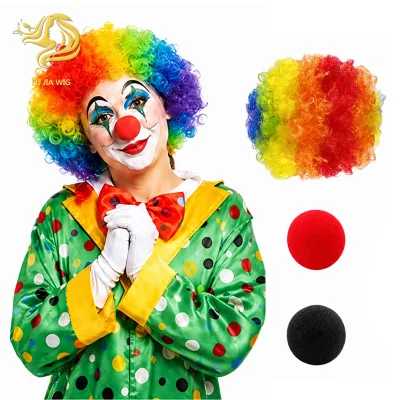


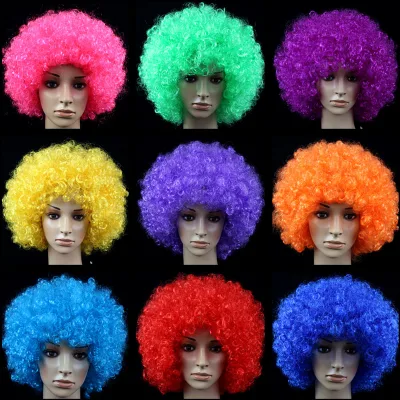
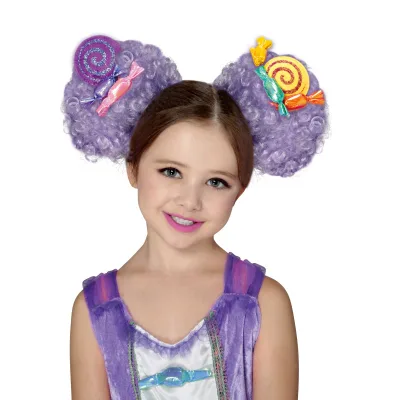
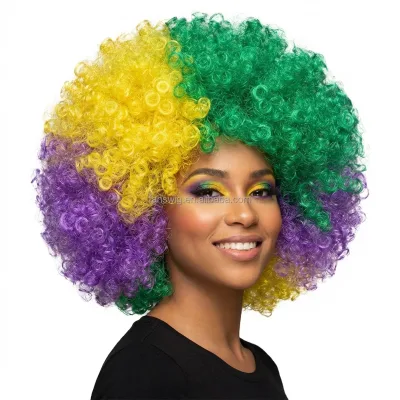

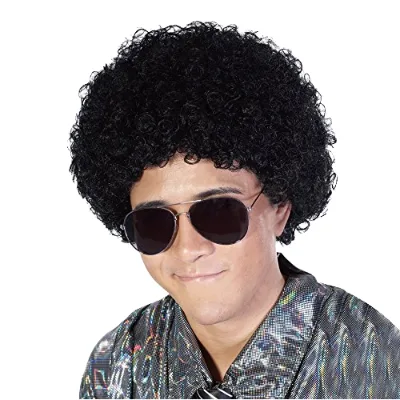
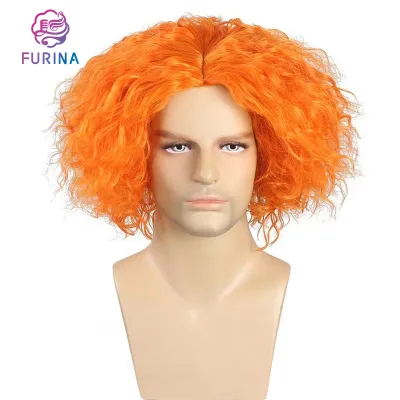
High Quality Clown Wigs Christmas Party Play Orange Wigs for Cosplay Customer
$5.7761 - $8.5526
MOQ: 3 pieces
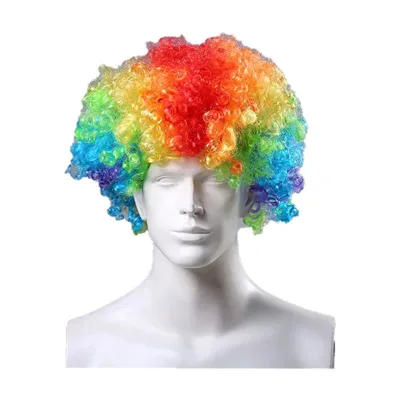
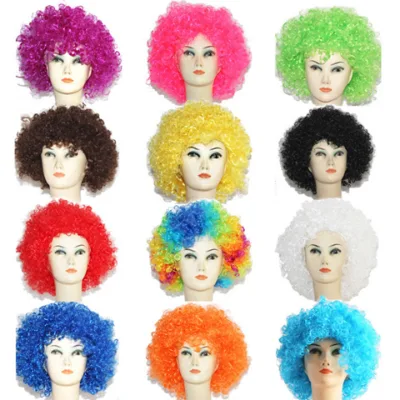

Colorful Toupee Cosplay Short Straight Synthetic Party Wigs Halloween Cosplay Clown Hair
$0.75 - $0.83
MOQ: 1200 Pieces
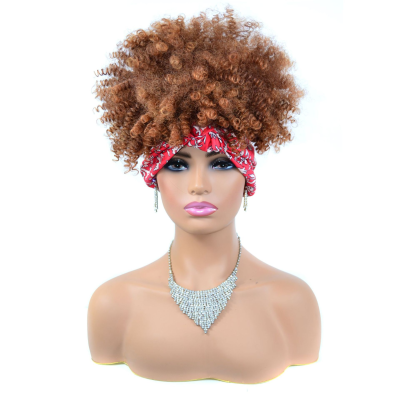
Short Afro Kinky Curly Headband Wig Synthetic Wigs for African Women Wigs
$6.99 - $10.25
MOQ: 5 pieces
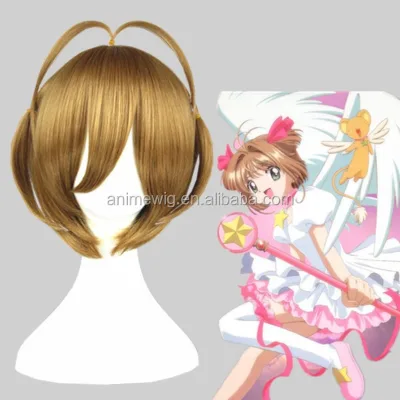
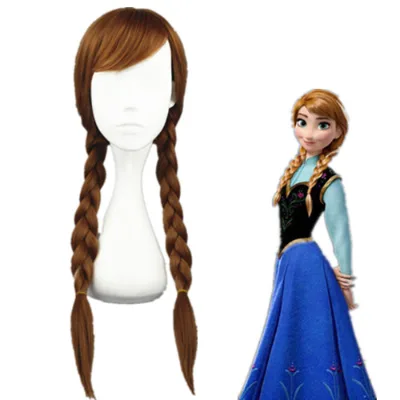


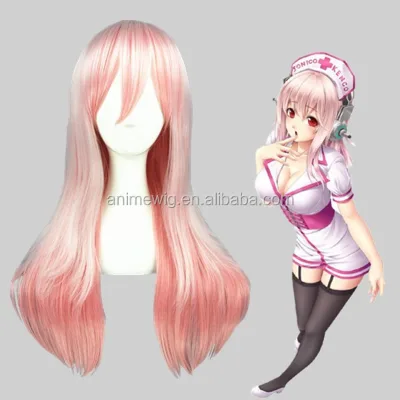

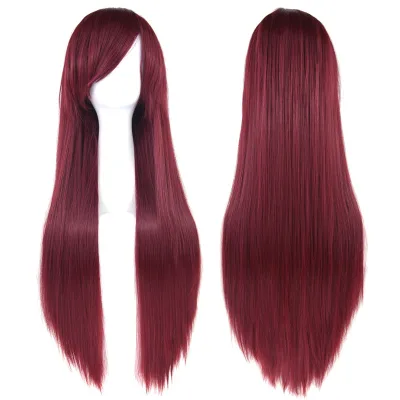

Comprehensive Sourcing Guide
Machine Made Clown Wig Sourcing Guide
Procuring machine-made clown wigs requires a disciplined approach to balancing aesthetic fidelity with functional durability, particularly for high-volume events or theatrical productions. Buyers must navigate a market where synthetic fibers dominate due to their cost-efficiency and color retention, yet quality varies significantly between manufacturers. The core challenge lies in verifying that the "machine-made" designation aligns with actual construction methods, ensuring the wig maintains its shape and volume under repeated use. This guide provides a structured framework for evaluating suppliers, interpreting technical specifications, and mitigating risks associated with bulk orders of novelty headwear.
Successful sourcing begins with understanding the specific performance requirements of the end-use environment. Whether for Halloween parties, costume decorations, or promotional merchandise, the wig must withstand handling, storage, and potential exposure to heat or moisture. Buyers should prioritize suppliers who demonstrate transparency in their material composition and production processes. By focusing on verifiable attributes such as fiber type, lace construction, and packaging standards, procurement teams can establish a baseline for quality that minimizes returns and ensures customer satisfaction across diverse global markets.
Product Scope and Observed Listing Signals
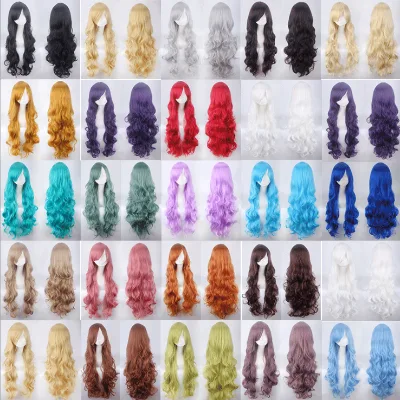
The current market landscape for machine-made clown wigs reveals a diverse array of product variations, primarily driven by color and style preferences. Observed listings indicate a strong demand for vibrant, multi-colored options, including purple, green, yellow, and rainbow hues, which are essential for creating the distinctive clown aesthetic. These wigs are often categorized under novelty or party supplies, with specific styles ranging from curly to afro wave patterns. Buyers should note that while some products are marketed as "cosplay wigs," the underlying construction often shares similarities with general party accessories, requiring careful scrutiny of material claims to ensure they meet specific durability expectations.
Material composition is a critical signal for assessing product quality, with synthetic fibers and high-temperature fiber being the most commonly cited materials in available listings. These materials offer advantages in terms of cost and ease of maintenance, but they also impose limitations on heat styling capabilities. Procurement teams must verify whether the synthetic hair is treated for heat resistance, as this directly impacts the wig's longevity and versatility. Additionally, the absence of lace in many listings suggests a focus on durability and ease of production, which may appeal to buyers prioritizing function over high-end realism. Understanding these material distinctions is vital for aligning product selection with target market expectations.
Technical Specifications to Verify
Technical verification of machine-made clown wigs requires a close examination of construction details, particularly the distinction between lace and non-lace designs. Buyers should confirm whether the wig features a none lace wig structure, which typically offers greater durability and lower production costs compared to lace-front alternatives. The stretching length and overall size are also critical parameters, as they determine the fit and visual proportion of the wig. Specifications such as a stretched length of approximately 9.84 inches or short lengths indicate specific style targets, and buyers must ensure these dimensions align with their target demographic's preferences.
Weight and packaging specifications provide additional insights into the product's quality and logistics requirements. Observed weights range from 85g to 150g, with some listings noting a standard weight of 250-270g per unit, which may indicate a denser or more premium construction. Buyers should verify these weight claims against physical samples, as discrepancies can signal inconsistencies in material usage. Furthermore, packaging details, such as soft PVC bags or plastic bags, impact the product's protection during shipping and storage. Ensuring that the packaging is robust enough to prevent tangling or deformation is essential for maintaining product integrity upon arrival.
Compliance and Safety Documentation
Compliance with safety standards is paramount when sourcing clown wigs, especially for products intended for children or use in public events. Buyers must verify that suppliers adhere to relevant safety regulations, such as EN71-1/2/3, which govern the safety of toys and novelty items. These standards cover aspects like flammability, chemical composition, and mechanical hazards, ensuring that the wigs are safe for consumers. While some suppliers may claim ISO 9001 certification or BSCI compliance, buyers should request valid certificates and verify their authenticity through independent channels to avoid relying on unverified claims.
Documentation should also include detailed material safety data sheets (MSDS) and test reports for the synthetic fibers used in the wigs. Buyers should inquire about the presence of harmful substances, such as lead or phthalates, and ensure that the materials are free from allergens that could cause adverse reactions. Additionally, labeling requirements must be checked to ensure that the wigs are properly marked with care instructions, material composition, and country of origin. Proper labeling not only ensures regulatory compliance but also helps consumers use and maintain the product correctly, reducing the risk of damage or injury.
Cost Drivers and Commercial Terms
Cost drivers for machine-made clown wigs include material quality, production volume, and customization options. Synthetic fibers are generally more affordable than human hair, but high-temperature fiber treatments can increase costs. Buyers should analyze the price range, which typically spans from $0.75 to $18.50 per unit, depending on the complexity of the design and the quantity ordered. Minimum order quantities (MOQs) vary, with some suppliers requiring as few as 1 piece, while others may demand up to 1200 pieces. Understanding these MOQs is crucial for aligning procurement volumes with budget constraints and inventory needs.
Commercial terms, including payment methods and shipping options, also influence the total cost of ownership. Common payment methods include Western Union, PayPal, credit cards, and telegraphic transfers (T/T), each with varying levels of security and convenience. Shipping times can range from within 24 hours for processing to 5-10 days for delivery, depending on the destination and chosen carrier. Buyers should negotiate clear terms for shipping costs, insurance, and return policies to mitigate financial risks. Additionally, customization availability should be confirmed, as bespoke designs may incur additional charges and longer lead times.
Supplier Qualification and Quality Control
Supplier qualification involves a thorough assessment of manufacturing capabilities, quality control processes, and past performance. Buyers should request samples to evaluate the wig's construction, color accuracy, and overall finish. It is essential to verify that the supplier uses consistent machine-made techniques, as variations in production can lead to inconsistent quality across batches. Suppliers with a proven track record in producing novelty wigs or cosplay accessories are often more reliable, as they have refined their processes to meet specific market demands.
Quality control measures should include pre-shipment inspections to ensure that the wigs meet agreed-upon specifications. Buyers should establish clear acceptance criteria for defects, such as loose threads, uneven coloring, or packaging damage. Regular communication with the supplier regarding quality expectations and feedback on previous orders can help maintain high standards. Additionally, buyers should consider implementing a random sampling plan for bulk orders to detect any emerging quality issues early. By prioritizing suppliers with robust quality control systems, buyers can reduce the risk of receiving substandard products and ensure customer satisfaction.
Long-Term Procurement Checks
Long-term procurement success depends on continuous monitoring of supplier performance and market trends. Buyers should regularly review supplier metrics, such as on-time delivery rates, defect rates, and responsiveness to issues. Establishing a scorecard system can help track these metrics over time and identify areas for improvement. Additionally, staying informed about changes in material availability and pricing can help buyers anticipate cost fluctuations and adjust their procurement strategies accordingly. Building strong relationships with suppliers can also lead to better terms and priority treatment during peak seasons.
Market trends in novelty wigs and cosplay accessories are dynamic, with consumer preferences shifting towards unique designs and sustainable materials. Buyers should periodically reassess their product offerings to ensure they remain relevant and competitive. Engaging with customers to gather feedback on product performance and satisfaction can provide valuable insights for future sourcing decisions. Furthermore, exploring opportunities for product innovation, such as eco-friendly materials or new styling techniques, can help differentiate offerings in a crowded market. By maintaining a proactive approach to procurement, buyers can sustain long-term success and adapt to evolving market conditions.
FAQs
What material is used for the Machine Made Clown Wig?
The Machine Made Clown Wig is crafted from high-temperature synthetic fiber and polyester. This material ensures durability and allows for styling versatility. It is classified as non-remy hair, making it suitable for novelty and party occasions. The synthetic composition provides a lightweight feel, weighing approximately 85 to 150 grams per unit for comfortable wear during events.
Can the Machine Made Clown Wig be customized?
Yes, customization is available for these wigs. Buyers can request specific colors, including black, blue, purple, and rainbow options. The product supports various styles such as Afro Wave or curly designs. This flexibility allows for tailored solutions for cosplay, Halloween, or World Cup fan events, ensuring the final product meets specific visual requirements.
What is the minimum order quantity for these wigs?
The minimum order quantity varies by supplier but typically starts at 1 piece. Some listings specify an MOQ of 10 pieces for certain configurations. This low entry point allows buyers to test quality or order small batches for events. Bulk pricing may apply for larger orders, with some suppliers offering competitive rates for quantities up to 1200 units.
How long does shipping take for machine made wigs?
Shipping times depend on the destination and chosen carrier. Production or processing usually occurs within 24 hours. Delivery typically takes 5 to 10 days via express services like DHL, UPS, or FedEx. Buyers should confirm specific lead times with suppliers, as transit durations can vary based on international logistics and customs clearance procedures at the destination.
Where are these machine made wigs manufactured?
These wigs are primarily manufactured in Zhejiang and Guangzhou, China. These regions are known for their textile and hair product industries. The origin ensures access to established supply chains for synthetic fibers and machine-made production techniques. Buyers can verify specific factory locations during the sourcing process to ensure alignment with their quality and logistical preferences.
What payment methods are accepted for these wigs?
Common payment methods include Western Union, PayPal, Credit Card, and Visa. Some suppliers also accept MoneyGram and Telegraphic Transfer. These options provide flexibility for international B2B transactions. Buyers should verify accepted methods with their chosen supplier before finalizing orders to ensure smooth processing and secure payment handling throughout the procurement cycle.