Source Pain Relief Acupressure Mat for Yoga, Gym, and Stress Relief
Compare 30 Pain Relief Acupressure Mat options from verified Chinese suppliers. Buyers can evaluate features like cushion size, material composition, and customization services to find suitable solutions for muscle release and relaxation.
Key considerations
Products List


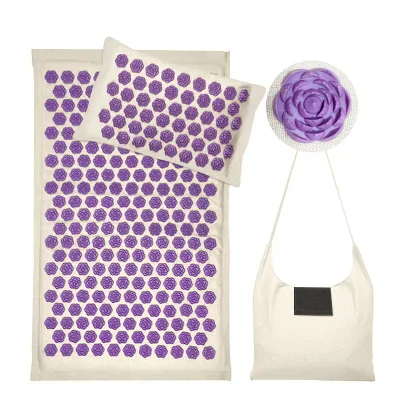


Acupressure Mat for Pain Management with Memory Foam Pain Reliever Tool
$3.00 - $10.00
MOQ: 500 Pieces


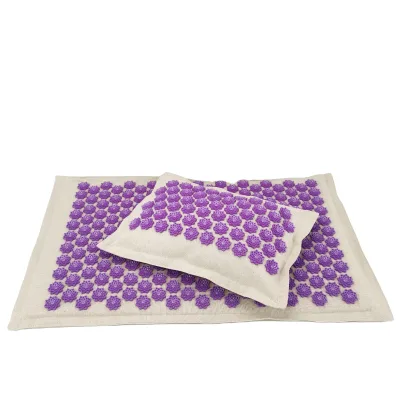
Yoga Premium Muscle Relaxation Relieves Stress Massage Acupressure Mat with Pillow
$3.00 - $10.00
MOQ: 500 Pieces
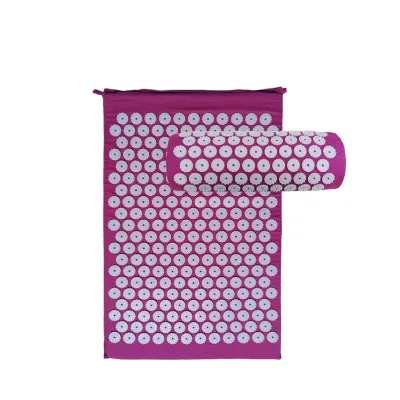


Factory Direct Customized Pain Relief Spiky Massage Yoga Acupressure Mat
$5.90 - $6.20
MOQ: 100 Pieces
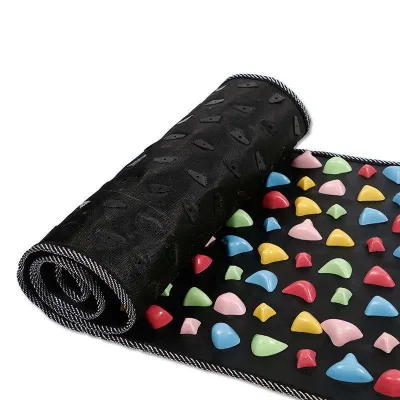
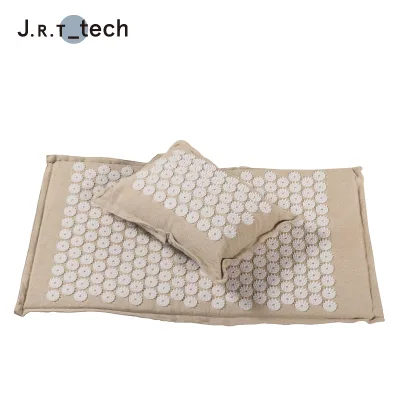
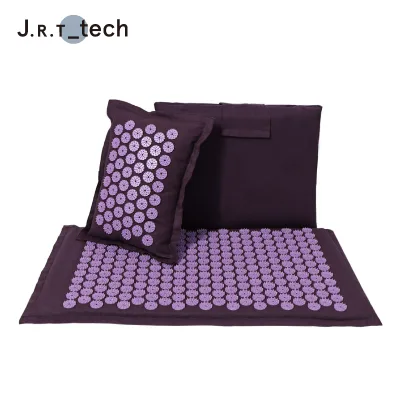


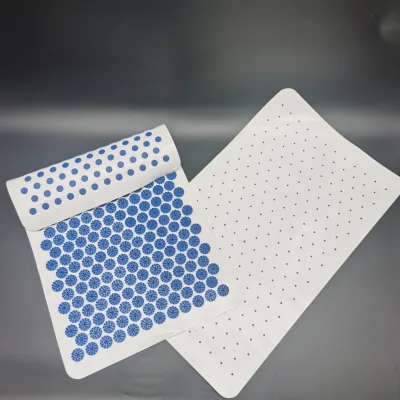
Comprehensive Sourcing Guide
Strategic Sourcing Guide for Pain Relief Acupressure Mats
The global demand for non-invasive pain management solutions has elevated the acupressure mat from a niche wellness accessory to a staple in B2B procurement catalogs for fitness retailers, corporate wellness programs, and medical supply distributors. Sourcing these products requires a disciplined approach that distinguishes between generic wellness items and specialized therapeutic tools. The core keyword "Pain Relief Acupressure Mat" encompasses a diverse range of products, from simple foam mats to complex cushion systems with varying densities and surface textures. Buyers must navigate a market where product attributes often overlap, necessitating a rigorous verification process to ensure the selected inventory meets specific clinical or recreational standards. This guide outlines the critical technical, compliance, and operational factors required to build a reliable supply chain for these items.
Technical Specifications and Material Composition
The foundational difference between a standard yoga mat and a therapeutic acupressure mat lies in the density of the surface spikes and the composition of the filling materials. In the current market, technical specifications vary significantly. Some products feature a high density of massage points designed for deep tissue stimulation, while others utilize a softer configuration suitable for beginners. The supplied data indicates that specific models may have a thickness of 10 mm, categorized explicitly as "Beginner" grade, suggesting that thickness is a primary differentiator for intensity.
Material composition is equally critical for both safety and durability. Procurement specifications should verify the filling materials, which often include coconut, sponge, buckwheat hulls, or cotton. These natural fillings are preferred for their breathability and ability to conform to the body's shape. For instance, a product listing might specify a filling of "Coconut, Sponge" or "Coconut/cotton/buckwheat hulls/sponge." Buyers must ensure that the material list matches the intended therapeutic outcome; buckwheat hulls, for example, provide a firmer, more dynamic surface compared to pure sponge.
Furthermore, the physical dimensions of the product dictate its application scope. Observed specifications include cushion sizes of 6742 cm and standard mat sizes of 7544 cm. The single package size for some units is recorded as 30X30X20 cm, which directly impacts logistics and shipping costs. When evaluating suppliers, procurement teams should request a detailed specification sheet that confirms the number of massage points, the exact dimensions, and the weight of the individual unit. For example, one observed product lists a single gross weight of 1.100 kg, while another specifies a pillow weight of 512g. These variances affect the total landed cost and the shipping method required.
Compliance, Certification, and Safety Standards
In the realm of health and wellness products, compliance is not merely a formality but a prerequisite for market entry. While the supplied context does not list specific certification bodies, buyers must verify that the manufacturer adheres to relevant international safety standards for textile and foam products. This includes checking for the absence of harmful substances such as phthalates, heavy metals, or formaldehyde, which are common concerns in foam and fabric manufacturing.
The "prod_standard" field in supplier data often contains dimensional references (e.g., 67*42cm, 500g) rather than formal certification codes. This discrepancy highlights a critical gap that buyers must address. A compliant supplier should be able to provide third-party test reports verifying that their materials meet standards such as REACH (for European markets) or CPSIA (for the United States). Additionally, the product's intended usage, such as "Muscle release" or "Body Healthcare Massage," implies a level of safety that must be documented.
Buyers should also scrutinize the "prod_packing" and "prod_standard" fields for consistency. If a product is marketed as "Eco-Friendly" or "Non-Slip," the supplier must provide evidence supporting these claims, such as material safety data sheets (MSDS) or flammability test results. The absence of explicit certification data in initial product listings does not mean the product is non-compliant; rather, it indicates that the buyer must proactively request this documentation before placing a bulk order.
Cost Drivers and Pricing Dynamics
The pricing of acupressure mats is influenced by several variables, including material quality, customization complexity, and order volume. The observed listed price range in the market spans from 1.88 to 14.99 USD, a wide spectrum that reflects differences in quality and features. Lower-priced items typically utilize standard sponge fillings and generic packaging, while higher-priced units may feature natural buckwheat hulls, custom branding, or specialized packaging like nylon bags or oxford cloth.
Minimum Order Quantity (MOQ) is another significant cost driver. The data shows an MOQ range of 1 to 500 units, with a specific high-confidence fact noting an MOQ of 100 pcs for certain models. Suppliers with lower MOQs often charge a premium per unit to cover setup costs, whereas larger orders benefit from economies of scale. Buyers must balance their inventory needs against the unit cost to optimize cash flow.
Customization services also impact the final price. The availability of customization for size, color, and logo is a standard offering, but the extent of this service varies. For example, a supplier might offer "Screen Printing/Woven Label" options, which incur additional tooling and labor costs. The "Sample Time" of 5-7 days is a critical factor in the total cost of ownership, as delays in sampling can extend the overall lead time and delay market entry. Buyers should factor in the cost of samples and the potential for rework if the initial prototype does not meet specifications.
Typical Applications and Market Segmentation
Acupressure mats serve a diverse range of applications, from clinical muscle therapy to recreational stress relief. The "Application" field in product data lists a broad spectrum of uses, including "Sport, Yoga, Exercise, Gym, Parkour, Martial Arts, personal trainers, water exercise, water floating." This versatility allows buyers to target multiple market segments with a single product line.
For the fitness and sports sector, the "Feature" set is paramount. Attributes such as "Moisture Proof," "Waterproof," "Quick Dry," and "Anti-Slip" are essential for products used in gyms or water-based exercises. The "Near Square" shape and "Nature Color or Customized" options allow for branding that aligns with specific gym aesthetics. In the corporate wellness sector, the focus shifts to "Reducing Stress" and "Relaxing Muscles." Here, the "Pillow Weight" and "Cushion Weight" become relevant, as heavier, denser mats may be perceived as more therapeutic.
The "Usage" field also highlights "Muscle release" and "Body Healthcare Massage," positioning these products as tools for recovery. This makes them suitable for physical therapy clinics and sports medicine facilities. However, buyers must be cautious not to make medical claims unless the product has been specifically tested and cleared for such use. The distinction between a wellness accessory and a medical device is a critical legal boundary that must be respected in all marketing materials.
Supplier Evaluation and Quality Control
Selecting the right supplier requires a multi-faceted evaluation process that goes beyond price comparisons. The "Place of Origin" data indicates production in regions such as Fujian and Sichuan, China. While these regions have established manufacturing capabilities, buyers should verify the specific factory's capacity and history. The "Brand" field, such as "GRASSFIT," suggests that some suppliers operate with established brand identities, which can be a proxy for reliability.
Quality control should be embedded in the procurement process. Buyers must verify the "Single gross weight" and "Single package size" to ensure that the product matches the description and that the packaging is robust enough to prevent damage during transit. The "Packing" method, whether "opp/oxford cloth" or "Carton," must be suitable for the product's fragility and the shipping environment.
Furthermore, the "Customized Service" capabilities should be assessed. A supplier offering "Size, Color, Logo, etc." customization demonstrates flexibility, but the buyer must ensure that the customization process does not compromise the structural integrity of the mat. The "Sample Time" of 5-7 days is a good benchmark, but the quality of the sample is more important than the speed. Buyers should request samples that match the exact specifications of the final order to test for durability, spike sharpness, and material consistency.
Long-Term Procurement Considerations
Sourcing acupressure mats is not a one-time transaction but a long-term partnership that requires ongoing management. The "Feature" list includes attributes like "Durable," "Wear-Resistant," and "Absorb water," which are indicators of product longevity. However, these claims must be validated through real-world testing and customer feedback. Buyers should establish a feedback loop with their end-users to monitor product performance and identify any recurring quality issues.
Inventory management is another critical consideration. With an observed price range of 1.88-14.99 USD and varying MOQs, buyers must plan their inventory levels carefully to avoid stockouts or overstocking. The "Selling Units" field, which often indicates "Single item," suggests that these products are sold individually, making accurate demand forecasting essential.
Finally, the "Logo" and "Customization" options offer opportunities for brand differentiation. A supplier that can consistently deliver high-quality custom branding will be a valuable partner in building a unique market presence. Buyers should negotiate long-term contracts that lock in pricing and ensure consistent quality, while also maintaining the flexibility to adjust order volumes based on market demand. By focusing on these long-term factors, buyers can build a resilient supply chain that supports sustainable growth in the pain relief and wellness market.
FAQs
What materials are used in pain relief acupressure mats?
Mats typically use coconut, cotton, buckwheat hulls, or sponge fillings. Buyers should verify the specific material list as options vary between natural fillings for breathability and sponge for softer support.
Can I customize the size and logo of the mat?
Yes, customization for size, color, and logo is available. Suppliers offer screen printing or woven labels, but buyers must confirm sample times and potential tooling costs before placing bulk orders.
What is the typical minimum order quantity for these mats?
The minimum order quantity ranges from 1 to 500 units depending on the supplier. Some specific models require a minimum of 100 pieces, so buyers should check individual supplier terms to optimize cash flow.
How thick are the beginner grade acupressure mats?
Beginner grade mats often have a thickness of 10 mm. This dimension is a key differentiator for intensity, with thicker options generally providing a softer surface suitable for new users.
Where are these products manufactured in China?
Products originate from regions like Fujian and Sichuan in China. Buyers should verify the specific factory location to assess logistics costs and ensure the supplier meets their regional sourcing requirements.
What features make these mats suitable for sports use?
Features include moisture proof, waterproof, anti-slip, and quick-dry properties. These attributes ensure durability and safety during activities like yoga, gym workouts, or water exercises.