Source Painted Custom Hat Pin for Souvenirs Gifts Decoration
Compare 30 options for Painted Custom Hat Pin featuring metal alloy construction, enamel crafts, and custom shapes. Buyers can review specifications including plating, packaging, and delivery times from suppliers in Guangdong, China; compare the available evidence and request quotations based on your requirements.
Updated
Key considerations
Products List


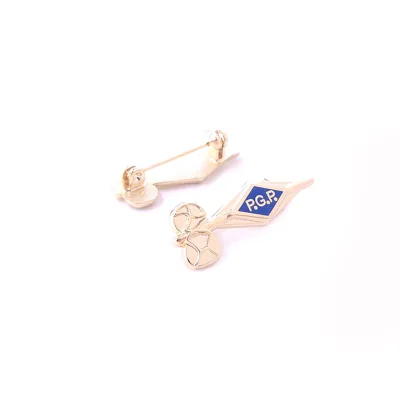
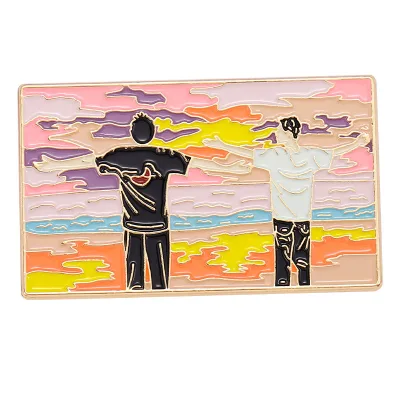
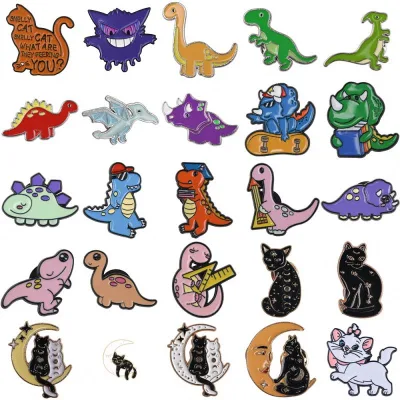
Art Oil Painting Hat Clothes Lapel Pin Custom Cartoon Enamel Pins Anime Badge
$0.2263 - $0.7705
MOQ: 1 pieces
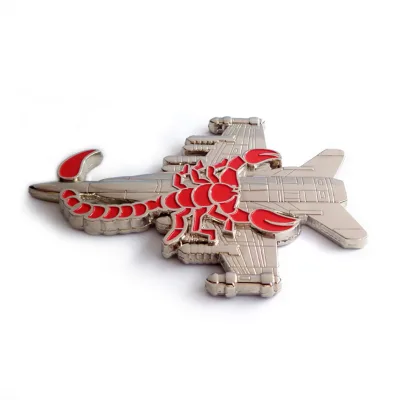
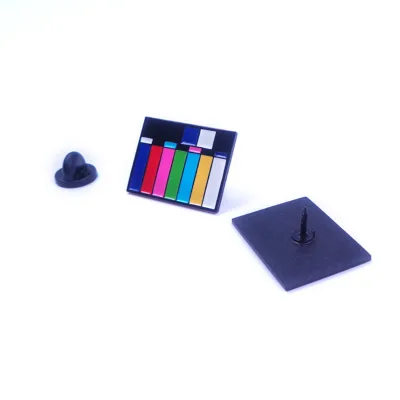
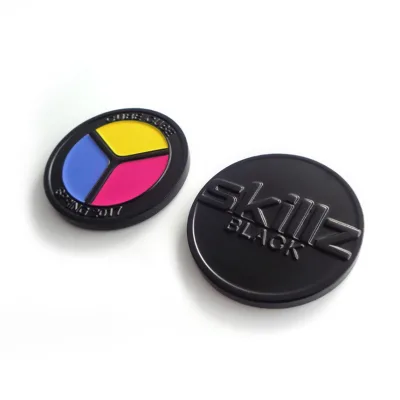
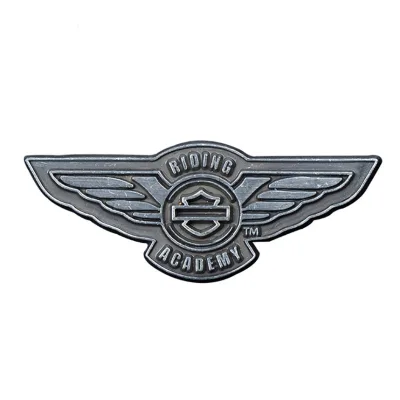
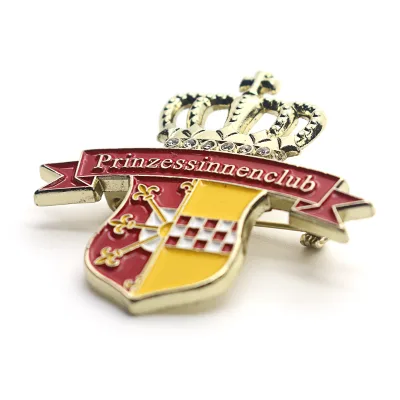
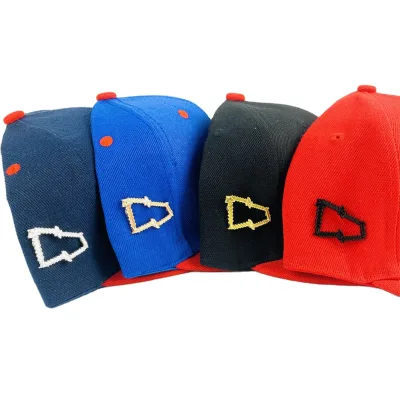
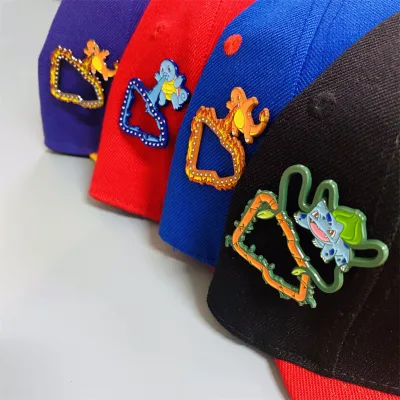


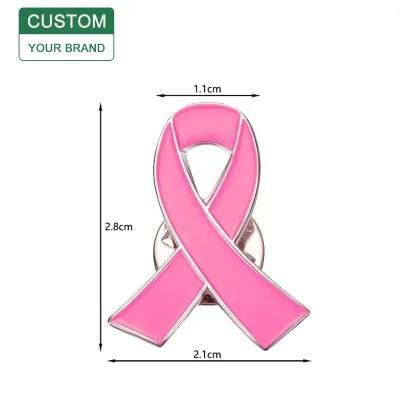
Pink Ribbon Caring Custom Enamel Hat Pins for Caps Badge Clothing Accessories Pin
$0.1241 - $0.2908
MOQ: 100 pieces


Comprehensive Sourcing Guide
Painted Custom Hat Pin Sourcing Guide
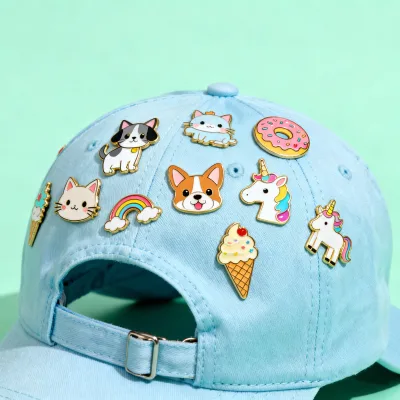
Sourcing painted custom hat pins requires a clear understanding of the manufacturing nuances involved in metal alloy fabrication and enamel application. Buyers must recognize that these items are primarily decorative accessories, often categorized under organization badges or lapel pins, which dictates specific quality expectations regarding finish durability and attachment security. The core material is typically metal alloy, allowing for intricate shapes and detailed painting processes that define the final aesthetic appeal.
Procurement teams should focus on verifying the specific plating and enamel techniques used, such as soft or hard enamel, as these directly impact the tactile experience and visual depth of the product. Since customization is a standard offering, buyers need to establish precise design files early in the process to ensure that the painted details align with brand guidelines. Understanding the distinction between different pin models, such as lapel pins or general organization badges, helps in selecting the right supplier capability for the intended use case.
Product Scope and Observed Listing Signals
The market for painted custom hat pins presents a wide variety of options, with observed price points ranging from $0.08 to $4 per unit depending on complexity and order volume. This broad range reflects differences in material thickness, plating quality, and the intricacy of the painted design. Buyers should note that while low-cost options exist, they may compromise on the durability of the enamel or the strength of the attachment mechanism, which is critical for items worn on hats or lapels.
Observed minimum order quantities (MOQs) vary significantly, starting from as low as one piece for sampling or small boutique runs up to 1000 pieces for larger promotional campaigns. This flexibility allows businesses to test market response with minimal upfront investment before committing to bulk production. However, higher volumes often unlock better pricing tiers and more consistent quality control, making it essential for buyers to align their order size with their budget and distribution strategy to maximize cost efficiency.
Technical Specifications to Verify
Technical verification begins with confirming the attachment method, as hat pins require secure fastening to withstand movement and friction. Common options include safety pins or magnetic backs, each offering different levels of security and fabric compatibility. Buyers must specify the desired wearing way, whether for the breast or shoulder, to ensure the pin’s weight and balance are appropriate for the intended garment. The attachment mechanism must be robust enough to prevent loss while remaining gentle on delicate fabrics.
The surface finish and plating are equally critical, with gold plating and custom plating options available to match brand colors. The painting technique, whether soft enamel, hard enamel, or spot paint, determines the texture and longevity of the design. Buyers should request samples to evaluate the smoothness of the enamel fill and the precision of the metal borders. Additionally, verifying the size specifications, which can be customized or standard, ensures the pin fits the design layout without overcrowding or appearing too small.
Compliance and Safety Documentation
Compliance documentation is vital for ensuring that painted custom hat pins meet international safety standards, particularly regarding heavy metal content. Although specific certification statuses like BSCI or RoHS are noted in background contexts, buyers must actively request current test reports to verify that the metal alloys and enamel paints used are free from harmful substances. This is especially important for products intended for children or for use in regions with strict environmental regulations.
Buyers should also verify the eco-friendly claims associated with the manufacturing process, as sustainability is increasingly a key procurement criterion. Confirming that the production facilities adhere to ethical labor practices and environmental management systems adds value to the brand’s corporate social responsibility narrative. Requesting detailed material safety data sheets (MSDS) for the paints and plating solutions helps mitigate risks associated with chemical exposure during both production and end-use.
Cost Drivers and Commercial Terms
Several factors drive the final cost of painted custom hat pins, including the complexity of the design, the type of plating, and the packaging requirements. Intricate shapes and multi-color enamel designs require more labor and time, increasing the unit price. Buyers should also consider the cost of custom packaging, such as velvet boxes or bubble bags, which can add significant value but also increase the overall expense per unit.
Commercial terms typically include flexible payment options like T/T, PayPal, Western Union, L/C, or credit card, facilitating transactions for international buyers. Lead times are another critical consideration, with sampling often taking 7-10 days and production requiring 12-15 days. Buyers must plan their procurement timeline carefully to account for these durations, especially when coordinating with marketing campaigns or event deadlines. Shipping methods via sea, air, or express couriers like DHL and FedEx also impact the total landed cost.
Supplier Qualification and Quality Control
Supplier qualification involves assessing their capability to handle custom orders with precision and consistency. Buyers should verify the supplier’s experience with enamel and plating techniques, as well as their ability to produce custom shapes and logos. Requesting references or case studies from previous clients can provide insight into the supplier’s reliability and quality standards. It is also important to confirm that the supplier offers OEM services, allowing for full customization of the product design and branding.
Quality control measures should be clearly defined before production begins, including inspection criteria for enamel fill, plating uniformity, and attachment strength. Buyers should request pre-production samples for approval and consider third-party inspection services for bulk orders to ensure compliance with agreed specifications. Establishing a clear communication channel for addressing defects or discrepancies during production helps maintain quality and prevents costly delays or rejections upon delivery.
Long-Term Procurement Checks
Long-term procurement success depends on establishing a reliable supply chain that can scale with business growth. Buyers should regularly review supplier performance metrics, including on-time delivery rates, defect rates, and responsiveness to issues. Building a strong relationship with the supplier can lead to better pricing, priority production slots, and improved support for future custom projects. Regular audits of the supplier’s facilities and processes help ensure ongoing compliance with quality and safety standards.
As market trends evolve, buyers should stay informed about new materials, finishes, and attachment mechanisms that could enhance product appeal. Periodically revisiting design specifications and packaging options ensures that the products remain relevant and competitive. Additionally, monitoring changes in international trade regulations and shipping costs helps buyers adapt their procurement strategies to maintain cost efficiency and supply chain resilience over time.
FAQs
Can I get custom painted enamel pins with specific shapes?
Yes, custom painted enamel pins are available in custom shapes. You can request specific sizes and designs to match your brand. The production uses metal alloy materials with gold plating options. Delivery takes 12-15 days for production after sampling. Packaging includes bubble bags or velvet boxes for protection.
What is the minimum order quantity for custom pins?
The minimum order quantity varies from 1 piece to 1000 pieces depending on the supplier. Some vendors accept single-piece orders for sampling, while others require bulk quantities. This flexibility allows buyers to test designs before committing to large orders. Confirm the specific MOQ with your chosen manufacturer to ensure it meets your project needs.
How long does production take for custom hat pins?
Production typically takes 12-15 days after the sampling phase is approved. Sampling itself requires 7-10 days. These timelines apply to standard custom enamel pins made in China. Expedited options may be available for urgent orders. Always verify the exact lead time with the supplier before finalizing your purchase agreement to avoid delays.
What attachment types are available for custom lapel pins?
Common attachment types include safety pins and magnetic backs. Some designs also support shoulder wear configurations. The choice depends on the intended usage, such as gifts or decorations. Ensure the attachment method suits your garment type. Custom plating and logo printing options are also available to enhance the final product appearance.
Are custom painted pins eco-friendly and safe?
Yes, many custom painted enamel pins are certified as eco-friendly. They often comply with RoHS standards for material safety. The metal alloy construction ensures durability while using safe plating processes. Buyers can request documentation to verify compliance. These features make them suitable for promotional gifts and souvenirs without environmental concerns.
What payment methods are accepted for custom pin orders?
Accepted payment methods include T/T, PayPal, Western Union, L/C, and credit cards. These options provide flexibility for international buyers. Secure transactions are supported through established financial channels. Confirm the preferred method with your supplier before placing the order. This ensures smooth processing and timely production start for your custom design requirements.