Custom Printed Tinplate Badge Suppliers and Manufacturers
Source Custom Printed Tinplate Badge options from 30 verified suppliers in China. Compare key dimensions including lead times, MOQs, and response speeds to identify the right partner. Review product specifications and request samples to verify quality before placing bulk orders.
Updated
Suppliers List

Xiamen D&Q Import and Export Co., Limited
- Combined
- China Fujian
- Lead time45 days
- Avg. response≤ 7h
Main productsBeach Souvenir, Fridge Magnet, Keychain, Shot Glass, Resin Craft, Beach Bag, Baseball Cap, Bucket Hat, Snow Globe, Home Decor
Main marketsEurope,North America

Custom Logo Printing Round Metal Button Badge Tin Plate Turtle Pin Badge
$0.13 - $0.15
MOQ: 2000 Pieces

Wholesale Customized Printing Promotion Gift Souvenir Tin Plate Badge Custom Logo 58mm Button Badge
$0.13 - $0.15
MOQ: 2000 Pieces
Zhejiang Shizan Arts And Crafts Co., Ltd.
- Manufacturer, Trading Company
- Lead time旺季: "1 - 10000":5,"> 10000":"To be negotiated", 淡季: "1 - 10000":5,"> 10000":"To be negotiated"
- Avg. response≤ 3h
Main productsAcrylic craft and keychain, Sticker, Notebook, Cotton Doll, Metal gift and craft
Dongguan Jmny Craft & Gift Co., Ltd.
- Trading Company
- Guangdong, China
- Lead time10 days
- Avg. response≤ 4h
Main productsMetal Crafts,Plastic Crafts,Wooden Crafts,Promotional Gifts,Apparel and Textiles
Main marketsNorth America(23.80%), Western Europe(20.50%), Domestic Market(10.00%), Southern Europe(9.50%), South America(8.90%), Oceania(5.50%), Central America(5.30%), Eastern Asia(3.80%), Eastern Europe(3.00%), Northern Europe(2.50%), Mid East(2.30%), South Asia(2.20%), Africa(1.50%), Southeast Asia(1.20%)
- Verified by TüVRheinland
- Trading Company
- Lead time15 days
- Avg. response≤ 5h
Main productsMetal Badge, Medal, Key Ring, Commemorative Coin, Metal Fridge Magnets
Main marketsNorth America(41%), Domestic Market(20%), Eastern Europe(12%)
Dongguan Jian Plastic & Metal Products Ltd.
- Manufacturer, Trading Company
- Lead time旺季: "1 - 5000":15,"> 5000":"To be negotiated", 淡季: "1 - 5000":15,"> 5000":"To be negotiated"
- Avg. response≤ 3h
Main productsPin Badges, Coins, Medals, Keychains, Cufflink & Tie Bar
Foshan City Milifang Hardware Co., Ltd.
- Manufacturer
- Guangdong, China
- Lead time12 days
- Avg. response≤ 2h
Main productsPin badges,bottle opener,fridge magnet,compact mirror,Acrylic badges
Main marketsWestern Europe(11.00%), North America(11.00%), Domestic Market(10.00%), Northern Europe(9.00%), Eastern Europe(8.00%), Southern Europe(8.00%), South America(6.00%), South Asia(6.00%), Southeast Asia(6.00%), Oceania(5.00%), Eastern Asia(5.00%), Africa(5.00%), Mid East(5.00%), Central America(5.00%)

Guangzhou Mangou Arts and Crafts Co., Ltd.
- Verified by SGS
- Manufacturer/Factory
- China Guangdong
- Lead time15 days
- Avg. response≤ 3h
Main productsLanyards, Rubber Keychains / Soft PVC Keyring, Mouse Pads, Canvas Bags, Silicone Bracelets / Fabric Bracelets, Advertising Flags, Drawstring Bags, Car Paper Air Freshener, Caps / Hats, Ballpoint Pens
Main marketsSouth America,Eastern Europe,Mid East,North America,Southeast Asia,Eastern Asia,Oceania,Western Europe,Africa


$0.12 - $0.25
MOQ: 500 Pieces


Wholesale New Design Custom Made Printed Logo Blank Round Button Badge Custom Tinplate Button Pin
$0.12 - $0.25
MOQ: 500 Pieces

- Verified by TUVRHEINLAND
- Trading Company
- China Hunan
- Lead time15 days
- Avg. response≤ 4h
Main productsPlaying Cards, Game Card, Tarot Cards, Educational Cards, Flash Cards, Board Game, Affirmation Cards, Calendar Printing, Paper Bag Printing, Fridge Magnet
Main marketsAfrica,Southeast Asia/ Mideast,Europe,Australia,North America

Factory Hot Selling Souvenir Promotional Gifts Button Badge Faceing Tinplate Badge
$0.04 - $0.08
MOQ: 1000 Pieces

Wholesale Custom Logo Offset Printing Blank Tinplate 58mm Cheap Magnetic Custom Button Pin Badges
$0.04 - $0.08
MOQ: 1000 Pieces

Customized Pin Round Tin Button Badge 58mm Acrylic Button Pin Badge Clear Blank Button Badges
$0.04 - $0.08
MOQ: 1000 Pieces

Popular Round Metal Backing 32mm Custom Printed Logo Pin Tin Button Badge
$0.04 - $0.08
MOQ: 1000 Pieces

High Quality 56mm Button Badge Magnet Button Badge 32mm 1.25 Custom Logo Name Tinplated Button Badge
$0.04 - $0.08
MOQ: 1000 Pieces

Kunshan Krell Cultural Development Co., Ltd.
- Trading Company
- Lead time旺季: "1 - 100":31,"> 100":"To be negotiated", 淡季: "1 - 100":31,"> 100":"To be negotiated"
- Avg. response≤ 2h
Main productsEnamel Pin, Tote Bag, Notebook, Acrylic Keychain, Acrylic Stand
Dongguan Tangxia Fenghehai Trading Firm
- Trading Company
- Guangdong, China
- Lead time0 days
- Avg. response≤ 4h
Main productsstickers,labels,Splash target paper,Gel stickers,Stationery supplies
Main marketsNorth America(50.00%)
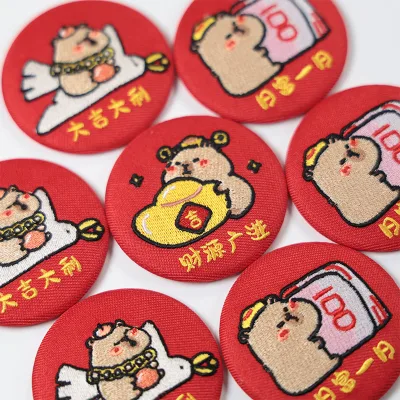
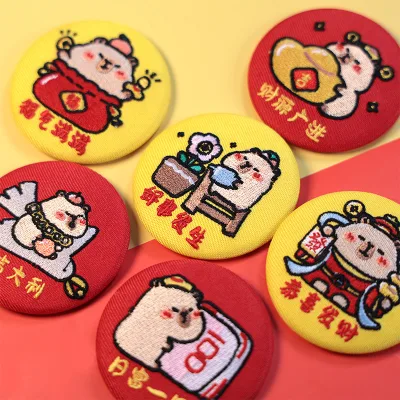
Custom Design Sublimation Tin Tinplate Brooches Pattern Embroidered Fabric Pin Badges
$0.20 - $0.25
MOQ: 200 Minimum

Zhongshan F&t Crafts Manufacturer
- Manufacturer
- Guangdong, China
- Lead time12 days
- Avg. response≤ 10h
Main productsBadge, Medal, Keychain, Coin, Cufflink
Main marketsWestern Europe(30.00%), North America(25.00%), Northern Europe(10.00%), Southern Europe(7.00%), Eastern Europe(5.00%), Domestic Market(5.00%), Eastern Asia(3.00%), Oceania(3.00%), Africa(3.00%), Southeast Asia(3.00%), South America(2.00%), Central America(2.00%), Mid East(2.00%)

Dongguan Unique Pins & Gifts Co., Ltd.
- Verified by TUVRHEINLAND
- Trading Company,Manufacturer/Factory
- China Guangdong
- Lead time15 days
- Avg. response≤ 9h
Main productsBadge/Lapel Pins, Challenge Coin, Medal, Trophy, Cuff Link, Tie Clip, Belt Buckle, Keychain, Golf Accessories, Wristband
Main marketsSouth America,Eastern Europe,Mid East,North America,Southeast Asia,Eastern Asia,Oceania,Western Europe,Africa

$0.12 - $0.25
MOQ: 100 Pieces

Wholesale Custom Cheap Tinplate Round Blank Button Badges for Print Logo
$0.16 - $0.31
MOQ: 100 Pieces

Golden One (Jiangmen) Gifts Co., Limited
- Verified by TUVRHEINLAND
- Combined
- China Guangdong
- Lead time15 days
- Avg. response≤ 3h
Main productsKey Chain, Pins, Coin, Keyring, Medals, Bottle Opener, Badge, Lanyards, Promotional Gifts, Souvenir
Main marketsEurope

Zhongshan Keychain Gifts & Crafts Co., Ltd.
- Combined
- China Guangdong
- Lead time15 days
- Avg. response≤ 6h
Main productsKey Ring, Key Chain, Metal Key Chain, Bag Hanger, Compact Mirror, Medal, Key Chain with Bottle Opener, Promotional Gift, Souvenir, Badge
Main marketsSouth America,Europe,Australia,North America
Shenzhen Ecatoo IOT Technology Co., Ltd.
- Manufacturer
- Guangdong, China
- Lead time7 days
- Avg. response≤ 1h
Main productsSmart card,Electronic tag,NFC card,RFID card,Gift card
Main marketsNorth America(30.00%), Western Europe(20.00%), Southeast Asia(20.00%), Mid East(10.00%), Domestic Market(2.00%), South Asia(2.00%), Southern Europe(2.00%), Northern Europe(2.00%), Central America(2.00%), Eastern Europe(2.00%), Eastern Asia(2.00%), South America(2.00%), Oceania(2.00%), Africa(2.00%)

Dongguan City Weimei Can(Manufactory) Co., Ltd.
- Manufacturer
- China Guangdong
- Lead time30 days
- Avg. response≤ 15h
Main productsTin Container, Tin Box, Tin Bucket, Tin Coaster, Tin Badge, Tin Tray, Tin Sign, Tin Pencil Case, Tin Clock, Tin Photo Frame
Main marketsEast Asia(Japan/ South Korea),Europe,North America

Factory Round Souvenir Metal Tin Button Emblem Badge Metal Tinplate Pin Button Badge Tin
$0.01 - $0.015
MOQ: 5000 Pieces

Promotional Factory Round Souvenir Metal Tin Button Emblem Badge Metal Tinplate Pin Button Badge
$0.01 - $0.015
MOQ: 5000 Pieces
- Verified by SGS Group
- Manufacturer, Trading Company
- Lead time10 days
- Avg. response≤ 2h
Main productsLanyard, Hand Fan, Shopping Bag, Bandanas, Baseball Caps
Main marketsNorth America(80%), Western Europe(20%)
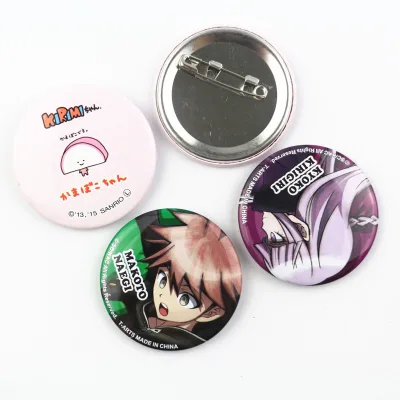
Fashion Cheap Tinplate Badge for Customized logo Tinplate Round Pin Badge
$0.03 - $0.08
MOQ: 500 pieces
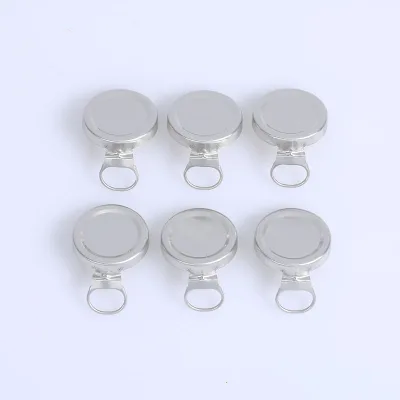
$0.02 - $0.05
MOQ: 1000 pieces

- Trading Company,Manufacturer/Factory
- China Zhejiang
- Lead time23 days
- Avg. response≤ 6h
Main productsKeychain, Patch, Paper Air Freshener, Car Perfume Bottle, Stickers, Badge, Packaging Box, Air Freshener Bottle
Main marketsSouth America,Eastern Europe,Mid East,North America,Southeast Asia,Eastern Asia,Western Europe

Promotional Tin Button Badge with Safety Pin, Pin Badge for Promotional Gifts
$0.04 - $0.18
MOQ: 1000 Pieces


Custom Promotional Metal Pin Tin Badge, Button Badge for Promotional Gifts
$0.11 - $0.18
MOQ: 1000 Pieces


Zhongshan Xiangda Metal Arts & Crafts Co., Ltd.
- Verified by BV
- Combined
- China Guangdong
- Lead time15 days
- Avg. response≤ 4h
Main productsBadge, Keychain, Medal, Lapel Pin, Dog Tag, Fridge Magnet, Cufflink, Tie Clip, Bag Hanger, Wrist Band
Main marketsSouth America,Southeast Asia/ Mideast,Domestic,Europe,Australia,North America

Meishan Shunjieru Arts & Crafts Co., Ltd.
- Verified by SGS
- Trading Company
- China Sichuan
- Lead time15 days
- Avg. response≤ 2h
Main productsBadge Coin Emblem Medal
Main marketsSoutheast Asia/ Mideast,Europe,Australia,North America

China Cheap Shiny Plated Tinplate Lapel Pin Soft Enamel Pin Promotion Metal Tin Badge
$0.15 - $0.95
MOQ: 5 Pieces

Cheap Wholesale Shiny Plated Tinplate Lapel Pin Enamel Pin Promotion Metal Badge
$0.15 - $0.95
MOQ: 5 Pieces

Cheap Wholesale Shiny Plated Tinplate Lapel Pin Enamel Pin Promotion Metal Tin Badge From China
$0.15 - $0.95
MOQ: 5 Pieces


No Minimum Cheap Wholesale Shiny Plated Tinplate Lapel Pin Enamel Pin Promotion Metal Tin Badge
$0.15 - $0.95
MOQ: 5 Pieces

No Minimum Cheap Wholesale Shiny Plated Tinplate Lapel Pin Enamel Pin Promotion Metal Badge
$0.15 - $0.95
MOQ: 5 Pieces

- Verified by BV
- Combined
- China Guangdong
- Lead time15 days
- Avg. response≤ 6h
Main productsSouvenir Badge, Lanyard, Keychain, Medal, Challenge Coin, Silicone Wristband, Fabric Bracelet, Dog Tag, Trolley Token Coin, Tin Button
Main marketsSouth America,Africa,Southeast Asia/ Mideast,East Asia(Japan/ South Korea),Europe,Australia,North America

China Cheap Customized Printed Organization Publicity Tin Button Badge at Factory Price
$0.025 - $0.075
MOQ: 300 Pieces


Zhongshan Xinyihong Metal Craft Products Factory
- Verified by TUVRHEINLAND
- Combined
- China Guangdong
- Lead time15 days
- Avg. response≤ 2h
Main productsBadge, Lape Pin, Coin, Medal, Key Chain, Cufflink, Tie Clip, Bottle Opener, Golf Divolt, Name Plate
Main marketsNorth America
Kunshan Krell Cultural Development Co., Ltd.
- Verified by SGS Group
- Trading Company
- Lead time15 days
- Avg. response≤ 1h
Main productsEnamel Pin, Tote Bag, Notebook, Acrylic Stand, Acrylic Keychain
Main marketsNorth America(80%), Western Europe(15%), South America(5%)
Zhongshan Lucky Art And Crafts Gifts Co., Ltd.
- Verified by SGS Group
- Manufacturer, Trading Company
- Lead time5 days
- Avg. response≤ 4h
Main productsCoin/Medal/Lanyards/Keychain/Lapel Pin, Fridge Magnets
Main marketsNorth America(20%), Western Europe(15%), Southeast Asia(10%)

Guangzhou Musen International Co., LTD.
- Verified by CTI
- Manufacturer/Factory
- China Guangdong
- Lead time0 days
- Avg. response≤ 6h
Main productsCloth, Gift, Garden Furniture, Flow Mass
Main marketsSouth America,Eastern Europe,Mid East,North America,Western Europe

- Verified by TUVRHEINLAND
- Combined
- China Guangdong
- Lead time15 days
- Avg. response≤ 2h
Main productsSilicone Wristband, Silicone Bracelet, Metal Pin, Badge, Medal, Coin, Medallion, Keychain, Lanyard, Rubber Wristband
Main marketsSouth America,Southeast Asia/ Mideast,Domestic,Europe,North America
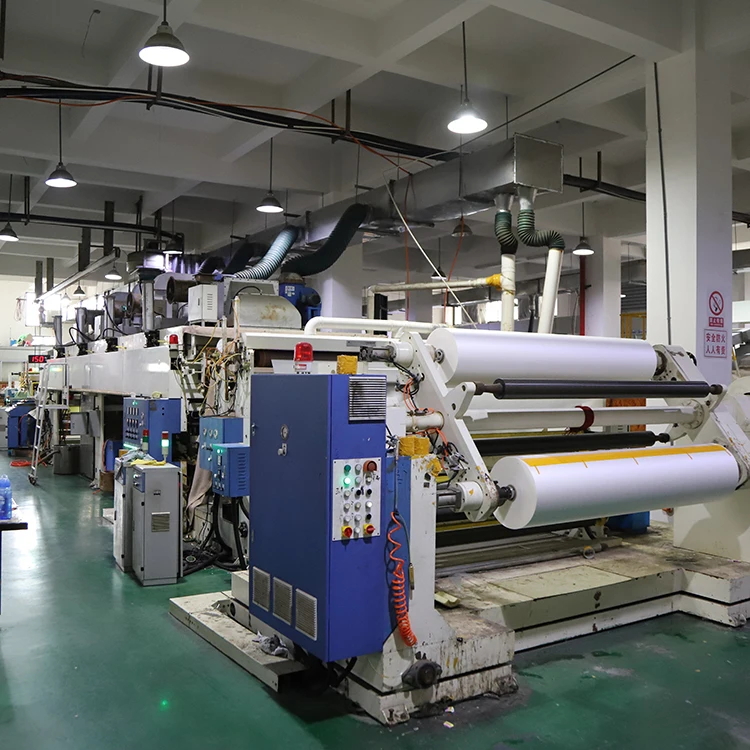
Wenzhou Franlong Import And Export Trading Co., Ltd.
- Trading Company
- Zhejiang, China
- Lead time15 days
- Avg. response≤ 3h
Main productsPlastic Film,Stamping Foil,Paper Crafts,Metal Crafts,Greeting Cards
Main marketsSoutheast Asia(60.00%), South Asia(20.00%), Domestic Market(10.00%), Mid East(5.00%), Southern Europe(1.00%), Northern Europe(1.00%), Western Europe(1.00%), Eastern Europe(1.00%), North America(1.00%)
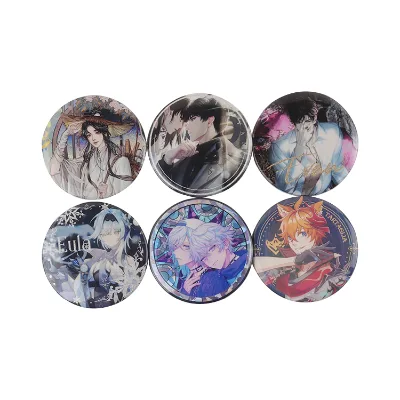
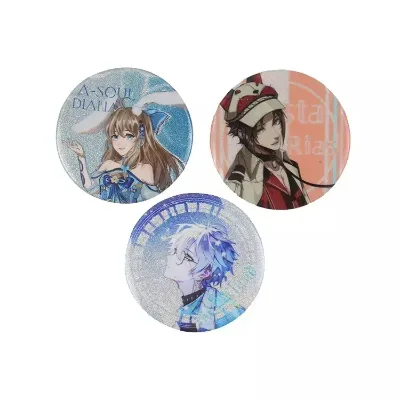
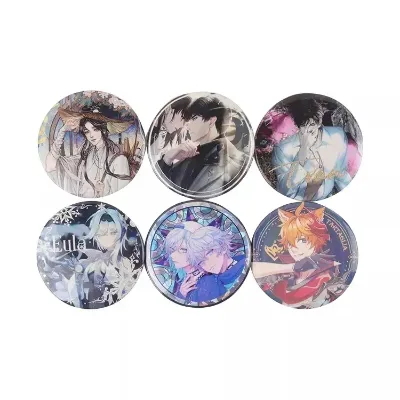
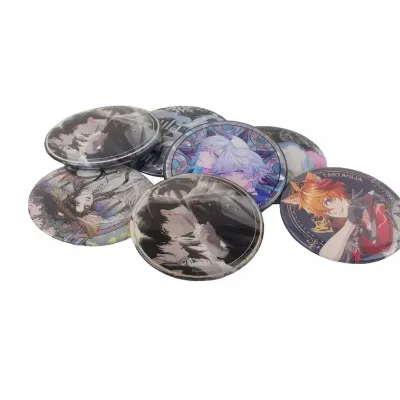
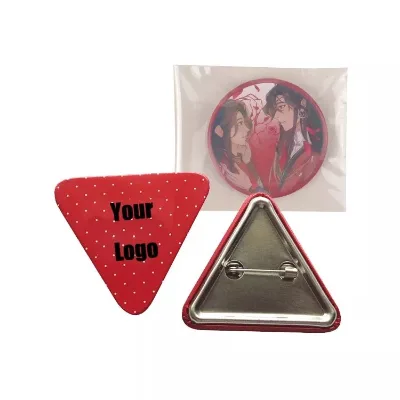
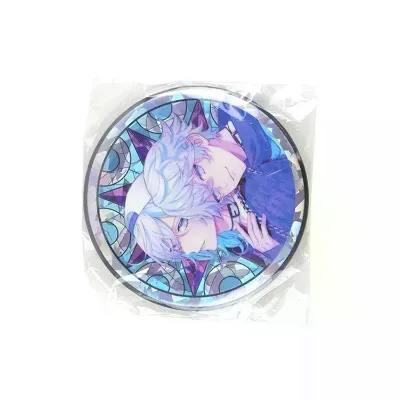
Wholesale OEM logo Offset Printing Blank Metal Tin Tinplate 58mm Cheap Pin Badge
$0.02 - $0.45
MOQ: 500 Minimum
Shenzhen Ezetai Technology Co., Ltd.
- Manufacturer, Trading Company
- Guangdong, China
- Lead time0 days
- Avg. response≤ 7h
Main productsacrylic keychain,acrylic photo frame,acrylicshaker,acrylic display stand,acrylic phone holder
Main marketsEastern Asia(80.00%), North America(12.00%), Western Europe(6.00%), Mid East(1.00%), Southeast Asia(1.00%)
Yiwu Jixin Import And Export Co., Ltd.
- Verified by TüVRheinland
- Manufacturer, Trading Company
- Lead time15 days
- Avg. response≤ 3h
Main productsHome Supplies
Main marketsNorth America(50%), Southeast Asia(20%), Oceania(10%)
Dongguan Fenghetong Packing Co., Ltd.
- Manufacturer, Trading Company
- Guangdong, China
- Lead time7 days
- Avg. response≤ 5h
Main productsShooting Target Paper,Golf Impact Sticker,Color Changing Sticker,Scratch off Product,Epoxy Dome Sticker
Main marketsNorth America(40.00%), Western Europe(19.00%), Domestic Market(15.00%), Oceania(8.00%), Southern Europe(5.00%), Eastern Europe(5.00%), Southeast Asia(5.00%), Africa(3.00%)
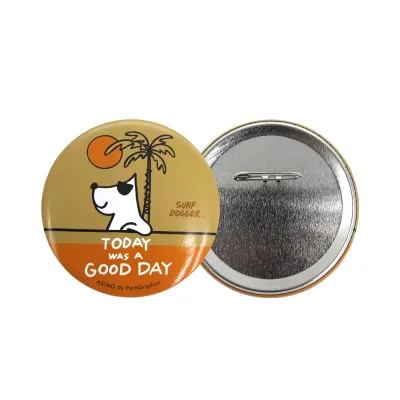
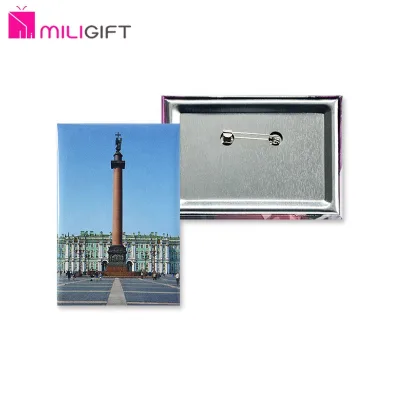
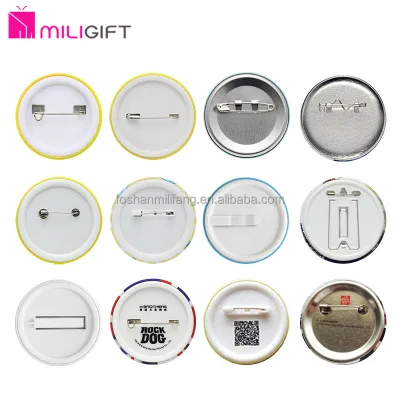
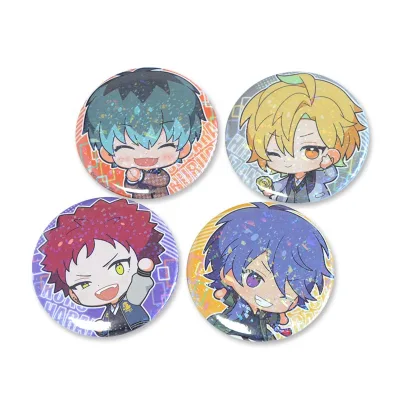






Comprehensive Sourcing Guide
Custom Printed Tinplate Badge Supplier Concentration and Factory Types
Suppliers of the Custom Printed Tinplate Badge in the current results cluster in two Chinese provinces: Fujian, with origin cited as Quanzhou, and Guangdong. This matters when building a shortlist, because province-level concentration often signals shared tooling suppliers, comparable printing capability, and overlapping logistics routes. Buyers should not assume every listing is a factory, however. The supplier-type labels in this category include combined companies, trading companies, and manufacturer-plus-trading hybrids, and one supplier also lists adjacent product lines such as beach souvenirs, fridge magnets, keychains, resin crafts, and snow globes, while another lists acrylic crafts, stickers, notebooks, and cotton dolls. Badge production may therefore be one capability among several rather than the core business.
When screening, classify each candidate by its stated company type and main-product list. A combined or hybrid operation may handle both manufacture and export internally, which can simplify communication, while a pure trading company may add a layer but also offer wider sourcing reach across workshops. Check whether the specific badge listings are tagged under metal crafts or garment accessories, since the current results show badges appearing in both the Gifts and Crafts category and the Apparel and Accessories category, and this can hint at each seller's production orientation. Where a supplier location is not displayed, treat it as an open verification item rather than assuming a cluster, and request the actual production address plus whether in-house machine printing, plating, and pin assembly are performed on site.
How to Verify Custom Printed Tinplate Badge Suppliers
Verification should start with the attributes each listing actually displays, then move to what you must request. Several results explicitly state customization availability and OEM or ODM capability, which you can confirm by sending artwork early and asking whether it must be redrawn. One product lists machine printing as its process, tin as the material, and defined sizes of 58mm and 37mm, so ask any supplier which diameters their badge-making machines support and whether tooling is in-house. Other results state digital printing, offset printing, safety-pin attachments, tinplate backs with clips, and tinplate backs with magnets, so request physical samples covering each back-type option before committing.
Second, verify capacity and responsiveness. One supplier advertises an average response time of about 3 hours and another about 6.79 hours; note these are self-reported figures on the platform, so test them yourself with a pre-sales inquiry and time the reply. One listing shows a sample lead time of 7–10 days; ask for this in writing alongside bulk lead times, since sample speed often predicts production discipline. Ask for photographs or video of the printing floor and badge assembly line, not just finished-stock images. Request the exact production address in Fujian or Guangdong if claimed, and confirm whether the entity on any invoice matches the profile name. Finally, check whether any displayed guarantee, escrow option, or transaction protection applies, and read how the seller describes its process for artwork proofs and reprint policies for defective sheets.
What to Compare Across Custom Printed Tinplate Badge Suppliers
Build a comparison table using only dimensions that are actually shown per supplier, since not every profile displays every attribute. Useful displayed dimensions here include location, company type, main products, average response time, stated lead time, and the per-listing MOQ. Lead-time spread in the current results is wide: one supplier lists 45 days, one lists 10 days, and another shows seasonal tiers of roughly 5 days for quantities up to 10,000 pieces with larger volumes quoted on request. Response-time figures also differ, with values around 3 and 6.79 hours visible, so a slow responder may cost days across a multi-round proofing cycle.
On the product side, compare MOQ and price together. Listings in the results range from an MOQ of just 5 pieces at 0.05–0.08 per unit, to 2,000-piece minimums at roughly 0.13–0.15, to unlabeled quantities spanning 0.15–0.55 and a 44mm promotional badge listed at a maximum near 0.07. Very low MOQs usually indicate stock-shell digital printing rather than dedicated tooling, which affects edge quality and unit price at scale. Also compare attachment choices (safety pin, clip, magnet), plating options such as gold- or silver-plated finishes, and size coverage from 25mm to 58mm. Note establishment year and escrow status only when displayed, and record what is missing as a question to ask rather than assuming a value.
Common Custom Printed Tinplate Badge Sourcing Risks
The most common risk is misjudging what a low MOQ means. A 5-piece minimum at 0.05–0.08 suggests the supplier prints on pre-made tinplate shells, which is excellent for samples but may not match the finish of a full production run using offset or machine printing. Conversely, a 2,000-piece MOQ at 0.13–0.15 implies dedicated setups; if you need mixed designs in small runs, confirm whether each design counts separately toward the minimum. A second risk is artwork and color mismatch. Tinplate printing differs from paper printing, so approve a physical proof on actual tin, not a screen mockup, and specify whether machine printing or offset printing will be used.
Third, watch for supplier-type ambiguity. A trading company may subcontract to whichever nearby workshop has capacity, which can cause run-to-run variation between repeat orders even with identical artwork. Ask directly who owns the badge presses and whether your order will return to the same line. Fourth, lead-time risk: the visible range of about 5 to 45 days likely reflects different order sizes and seasons, so anchor any promise to your actual quantity and get a written schedule with a penalty or reprint clause. Fifth, backside and attachment errors, such as receiving clips when magnets were ordered, are frequent in this category; inspect the first carton against the approved golden sample before the balance ships. Finally, never pay large prepayments outside any transaction protection the platform offers.
Custom Printed Tinplate Badge Regional Sourcing and Logistics
The two provinces visible in the results, Fujian and Guangdong, both export heavily and are served by major coastal ports, so freight options are similar in principle, but distances from the actual workshop to the port vary. Ask each supplier how far their factory is from the nearest container port and whether they quote FOB, EXW, or delivered terms, because a Guangdong trading company may source from an inland workshop and add domestic legs to your lead time. One listing shows a single gross weight of 0.020 kg per badge and a package size of 6×6×2 cm packed one piece per OPP bag, which is useful for estimating carton counts and air versus sea cost breakpoints.
Because tinplate badges are light and low-value per unit, freight can exceed product cost on small orders, so calculating weight and cube per 1,000 pieces is a planning step that changes with this category. For a supplier showing a 45-day lead time, clarify how much is production versus queue, since badges are often made in batch runs and individual orders may wait for a printing slot. Seasonality also appears in the data: one supplier distinguishes peak and off-peak tiers and quotes to-be-negotiated terms above 10,000 pieces, so time your order before regional peak seasons if the schedule allows. Confirm packing format, carton markings, and whether magnet-backed badges need special cartons to avoid pin damage in transit.
Custom Printed Tinplate Badge Commercial Terms and Order Planning
Plan the commercial sequence around samples, then pilots, then bulk. Typical terms to settle in writing: unit price by quantity tier, MOQ per design, sample cost and lead time (one listing shows 7–10 days), bulk lead time (visible figures range from about 5 and 10 days up to 45 depending on supplier and season), payment split, and reprint responsibility for defects. Because price ranges in the results span roughly 0.05 to 0.55 per piece, quote your exact size, backside type, finish, and quantity, since a 25mm magnetic pin, a gold-plated garment badge, and a 58mm promotional pin sit at very different points in that range.
Order planning should respect the MOQ structure. One supplier shows MOQs of 2,000 for a custom 58mm badge but only 5 for a tinplate badge with safety pin; a hybrid strategy of low-MOQ sampling followed by a bulk run can de-risk tooling. Where a supplier lists to-be-negotiated terms above 10,000 pieces, use that band to negotiate tiered pricing rather than accepting the first quote. Confirm what happens on repeat orders: whether tooling or printed shells are retained, and how long reorders take versus first runs. Finally, use platform transaction protection or escrow where available, match payments to the verified company name and bank account, and stage payments so the balance is due only after inspection against your approved sample for size, printing quality, and attachment correctness.
FAQs
What is the price range for custom tinplate badges?
Prices typically range from $0.05 to $0.55 per unit depending on customization and quantity. Basic tinplate badges start around $0.05, while holographic or complex designs may cost up to $0.55. Bulk orders often secure lower rates, with standard options averaging between $0.13 and $0.15 for common sizes.
What is the minimum order quantity for these badges?
MOQs vary significantly by supplier and product type. Some manufacturers accept orders as low as 5 pieces for samples or small runs. Standard bulk production usually requires a minimum of 2000 units. Buyers should verify specific MOQ requirements with suppliers before placing orders to ensure alignment with their volume needs.
How long does production take for custom badges?
Sample lead times generally take 7 to 10 days. Bulk production lead times depend on order volume and season. For orders under 10,000 units, production typically takes 5 days. Larger orders exceeding 10,000 units require negotiation. Standard production cycles for other items may extend to 45 days.
Where are these suppliers located?
Suppliers are primarily located in China, specifically in Fujian and Guangdong provinces. Quanzhou in Fujian is a noted origin point for tinplate badges. Buyers can filter results by these regions to find manufacturers with established supply chains for metal crafts and promotional gifts.
What customization options are available for tinplate badges?
Customization includes logo printing, size selection, and attachment types. Options range from 37mm to 58mm diameters. Attachments include safety pins, magnets, or clips. Printing methods feature machine printing, digital printing, or offset printing. Buyers can request free artwork design services for promotional gift applications.
What materials are used for these badges?
Badges are primarily made from tinplate or metal. Some variants use plastic bottoms for the backside. Plating options include gold-plated or silver-plated finishes. Materials are selected for durability and suitability for outdoor use or garment attachment. The core structure remains tin or metal for standard button badge applications.