Polished Crystal Carving Suppliers and Manufacturers
Compare 24 verified suppliers offering Polished Crystal Carving items with details on lead times, MOQs, and certifications. Review product attributes like material type and origin to select the right vendor for your needs; review the available evidence before requesting comparable quotations from suitable candidates.
Updated
Suppliers List
Lianyungang Duanshu Trading Co., Ltd.
- Trading Company
- Jiangsu, China
- Lead time3 days
- Avg. response≤ 2h
Main productsCrystal Bracelets,Crystal Raw Stone,Crystal Bangles,Crystal Healing Stone,Gravels/Chips
Main marketsNorth America(40.00%), Southeast Asia(20.00%), South America(10.00%), Oceania(10.00%), Western Europe(5.00%), Eastern Europe(5.00%), South Asia(5.00%), Northern Europe(3.00%), Africa(2.00%)
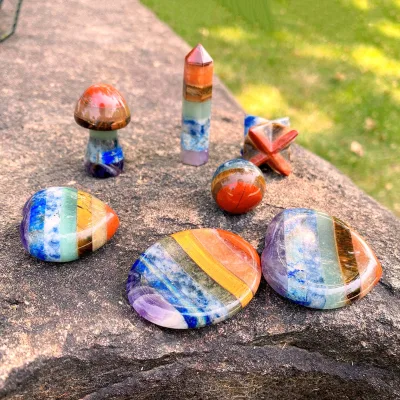
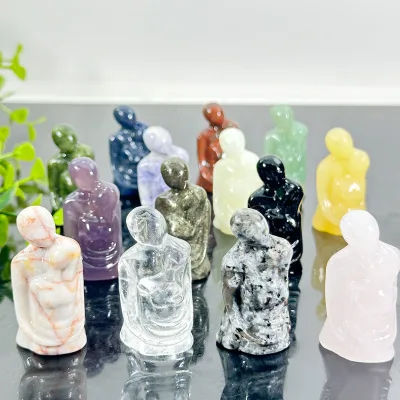
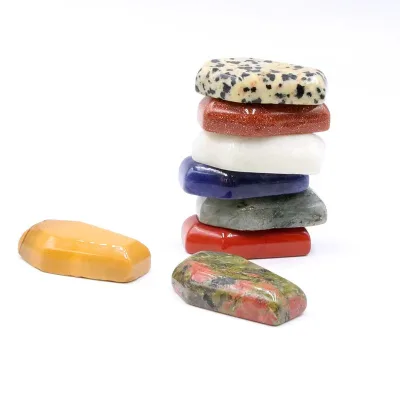
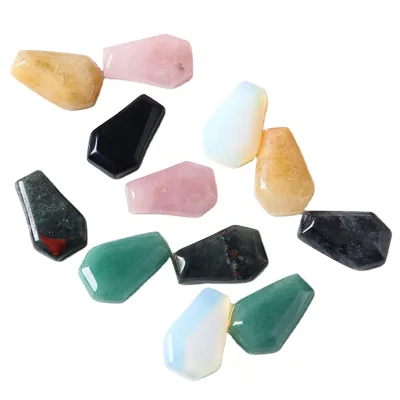
Seven Chakra Crystals Carvings Wholesale High Quality 7 Crystal Chakra Stone
$1.4366 - $6.2601
MOQ: 20 Minimum
Donghai Liuxiuli Crystal Factory
- Verified by SGS Group
- Trading Company
- Lead time0 days
- Avg. response≤ 2h
Main productsHealing Crystal Spheres, Feng Shui Weath Crystal, Rose Quartz Tower, Amethyst Geode, Natural Crystal Obelisk
Main marketsDomestic Market(100%)
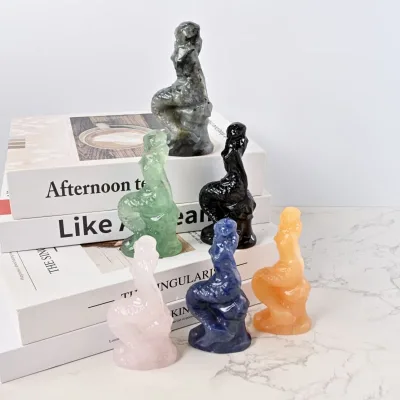
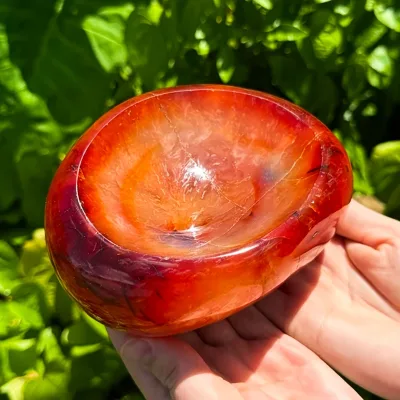
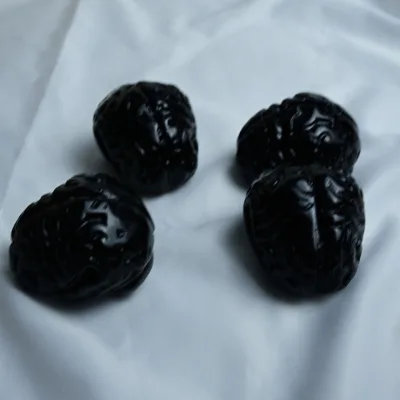

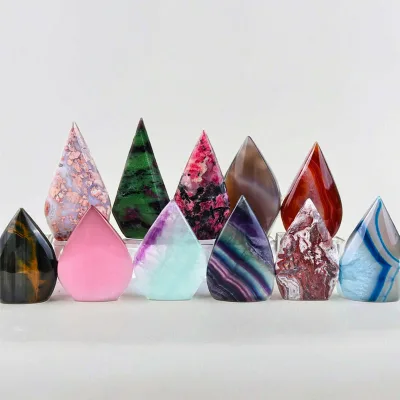
Wholesale Handcrafted Natural Crystal Spiritual Healing Stone Ornaments Other Crystal Crafts Gift
$15.4339 - $18.5198
MOQ: 1 pieces
$1.5504 - $12.3974
MOQ: 1 Minimum
Donghai Kindfull Crystal Product Co., Ltd.
- Manufacturer, Trading Company
- Lead time旺季: "1 - 10":14,"11 - 50":35,"51 - 100":50,"> 100":"To be negotiated", 淡季: "1 - 10":14,"11 - 50":35,"51 - 100":50,"> 100":"To be negotiated"
- Avg. response≤ 2h
Main productsCarving/Crystal Points/Crystal Palm/Crystal Sphere/Beauty Tools
Donghai County Yuelu Jewelry Co., Ltd.
- Verified by SGS Group
- Trading Company
- Lead time5 days
- Avg. response≤ 4h
Main productsCrystal Sphere/Crystal Tower/Crystal Carving/Crystal Crafts
Main marketsNorth America(35%), Eastern Europe(10%), Oceania(10%)
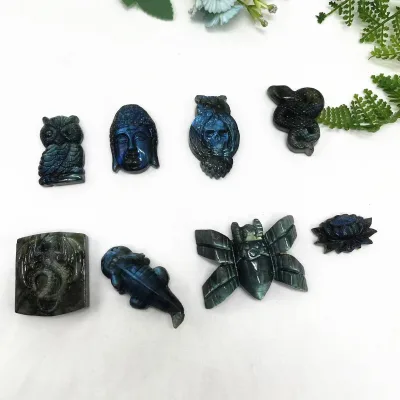
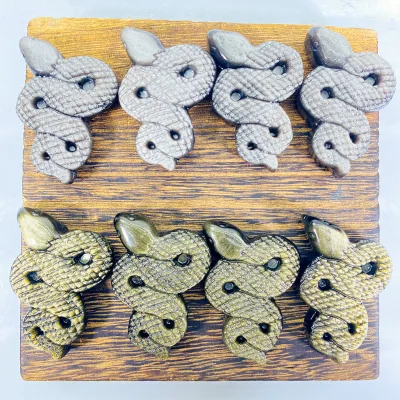
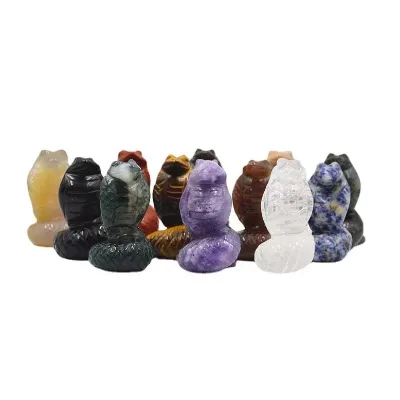
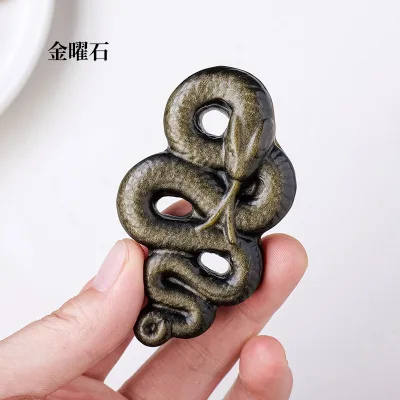
Wholesale Gemstone Carving Various Labradorite Owl Buddha Hand Carved Crystal Snake Carvings
$3.0889 - $11.3264
MOQ: 1 Minimum
$6.1778 - $7.2084
MOQ: 1 pieces
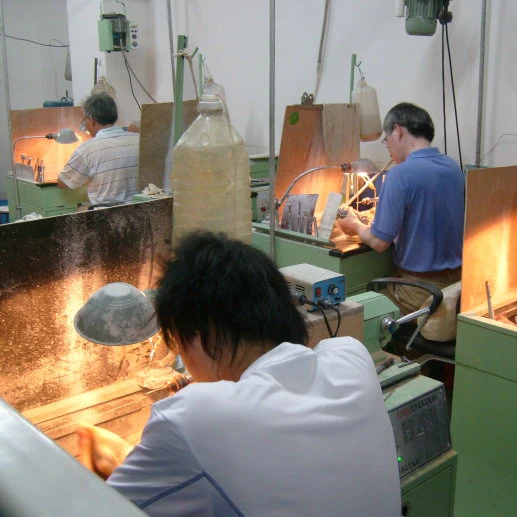
Donghai Yiqi Crystal Products Co., Ltd.
- Manufacturer, Trading Company
- Jiangsu, China
- Lead time10 days
- Avg. response≤ 3h
Main productsCrystal Crafts,gemstone carving,gemstone necklace,gemstone rings,gemstone bracelet
Main marketsAfrica(100.00%), North America(50.00%), Oceania(22.00%), Southeast Asia(7.00%), Domestic Market(4.00%), South America(3.00%), Eastern Europe(3.00%), Mid East(2.00%), Central America(2.00%), Western Europe(2.00%), South Asia(2.00%), Northern Europe(1.00%), Eastern Asia(1.00%), Southern Europe(1.00%)
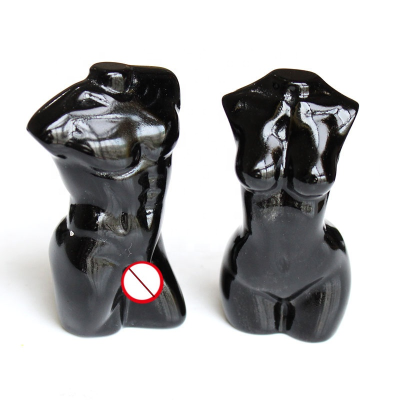
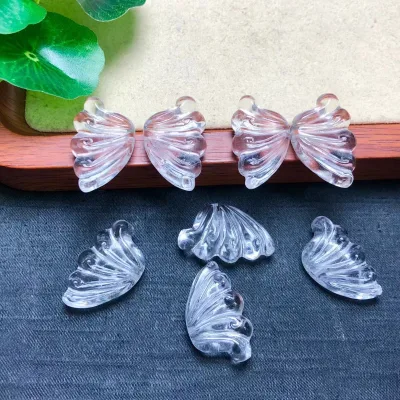
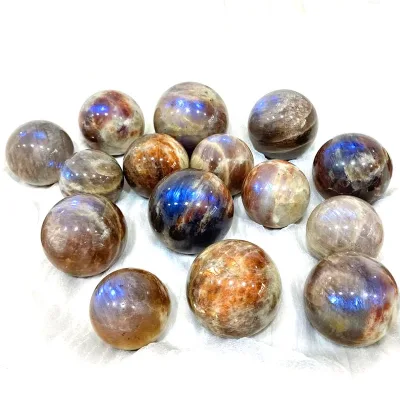
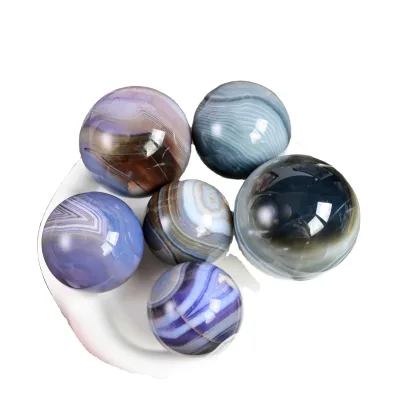
Highly Polished Natural Golden Sunstone Moonstone Crystal Spheres With Gold Blue Flash
$65.00 - $118.00
MOQ: 2
Donghai Kindfull Crystal Product Co., Ltd.
- Manufacturer, Trading Company
- Lead time旺季: "10 - 50000":9,"50010 - 100000":30,"> 100000":"To be negotiated", 淡季: "10 - 50000":9,"50010 - 100000":30,"> 100000":"To be negotiated"
- Avg. response≤ 2h
Main productsCarving/Crystal Points/Crystal Palm/Crystal Sphere/Beauty Tools

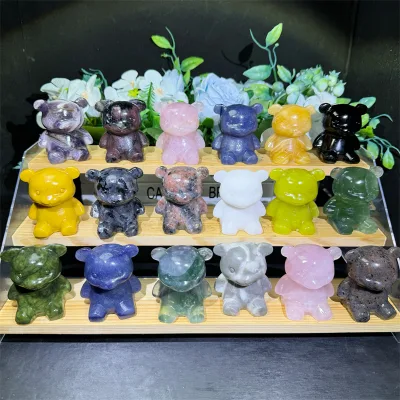
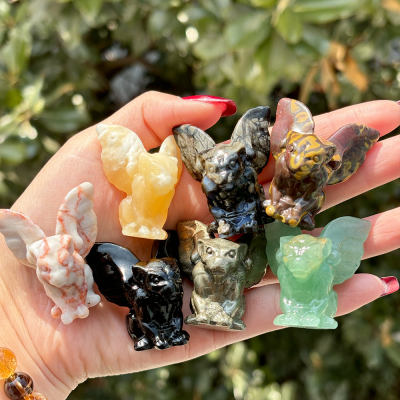
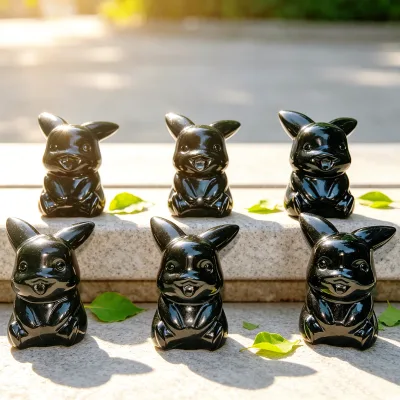
Wholesale Natural Crystal Stone Machine Carved Bunny Carvings Crystal Crafts for Healing
$6.0175 - $7.2623
MOQ: 10 pieces
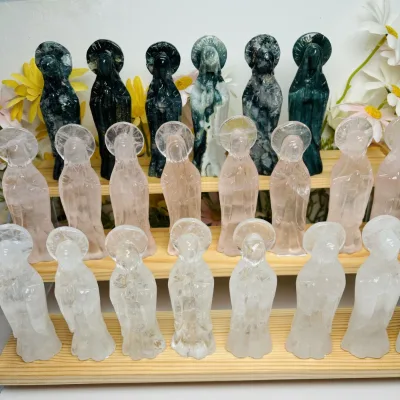

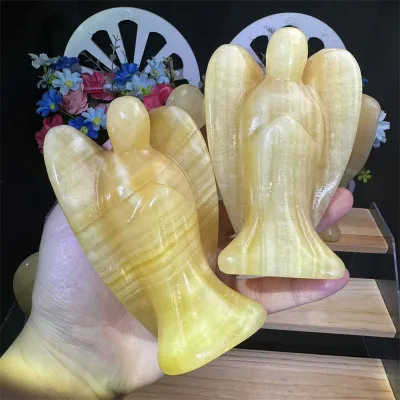
$29.50 - $32.50
MOQ: 2 Minimum
Donghai County Boheng Crystal Jewelry Co., Ltd.
- Verified by SGS Group
- Manufacturer, Trading Company
- Lead time3 days
- Avg. response≤ 2h
Main productsCrystal Water Bottle; Crystal Smoking Pipes; Crystal Point/Crystal Gravel/Crystal Ball
Main marketsNorth America(60%), Oceania(15%), Southeast Asia(10%)
$1.7452 - $2.5661
MOQ: 10 pieces
$2.0523 - $2.5661
MOQ: 10 pieces
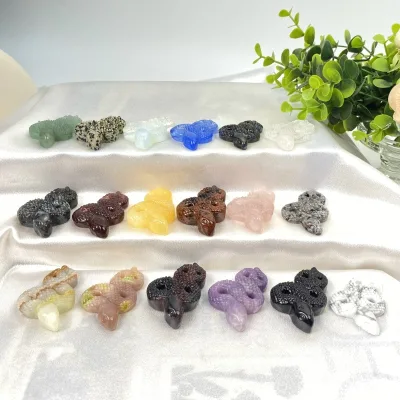
Donghai Shama Jewelry Co., Ltd.
- Manufacturer
- Jiangsu, China
- Lead time0 days
- Avg. response≤ 2h
Main productsCrystal crafts,Jewelry & Accessories,Crystal items,Crystal key chain,Crystal mineral specimen
Main marketsSouth America(40.00%), North America(40.00%), Southeast Asia(10.00%), Eastern Europe(10.00%)

East Sunrise Jewelry Co., Limited
- Verified by SGS
- Manufacturer/Factory
- China Guangdong
- Lead time23 days
- Avg. response≤ 8h
Main productsPendant, Necklace, Bracelet, Ring, Earring, Carving, Ornament, Loose Bead, Jewelry, Semi-Precious Stones
Main marketsSouth America,Eastern Europe,Mid East,North America,Southeast Asia,Eastern Asia,Oceania,Western Europe,Africa


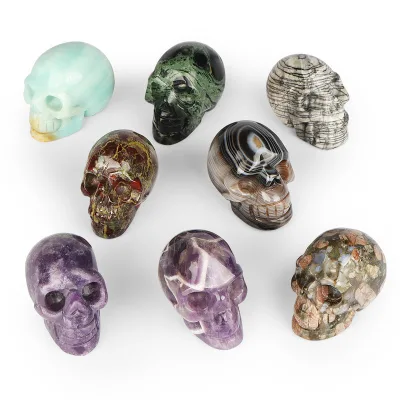
Semi Precious Stone Natural Crystal Amethyst Angel Skull Carving Statue Figure
Negotiable
MOQ: 100 Pieces
Donghai Fanxingji Crystal Jewelry Co., Ltd.
- Verified by TüVRheinland
- Trading Company
- Jiangsu, China
- Lead time10 days
- Avg. response≤ 2h
Main productsCrystal Gift, Crystal Spheres, Crystal Mineral Specimen, Crystal Point, Crystal Carving
Main marketsNorth America(50%), Oceania(22%), Southeast Asia(7%)
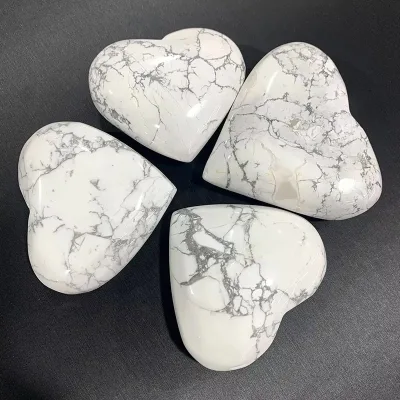
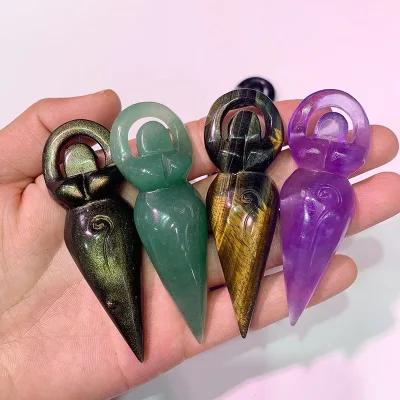
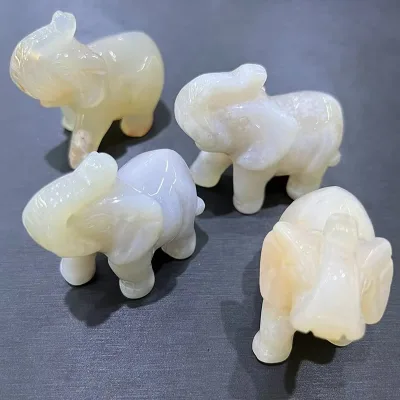

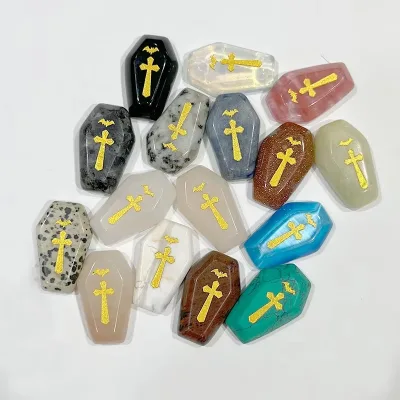
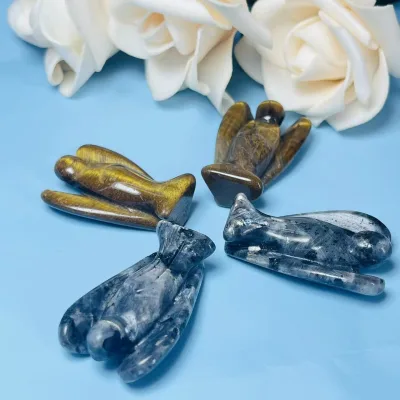
Wholesale Hand Carved Tiger Eye Crystal Sea-Maid Stone Carving for Other Crystal Crafts or Pendant
$5.1846 - $12.4409
MOQ: 2 Minimum
Donghai Vardy Crystal Company Limited
- Trading Company
- Jiangsu, China
- Lead time10 days
- Avg. response≤ 2h
Main productscrystal points and wands,crystal spheres,crystal clusters,gemstone carving,mineral specimens
Main marketsWestern Europe(30.00%), North America(25.00%), South America(12.00%), Eastern Europe(12.00%), Northern Europe(11.00%), Oceania(6.00%), Mid East(4.00%)
$30.00 - $36.00
MOQ: 2 kilograms
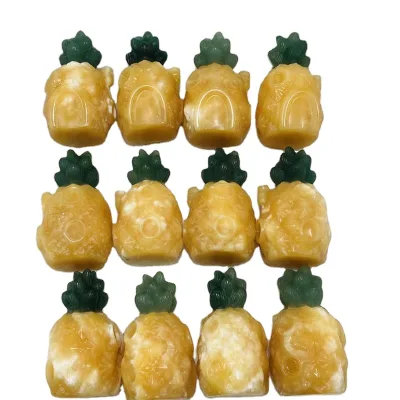
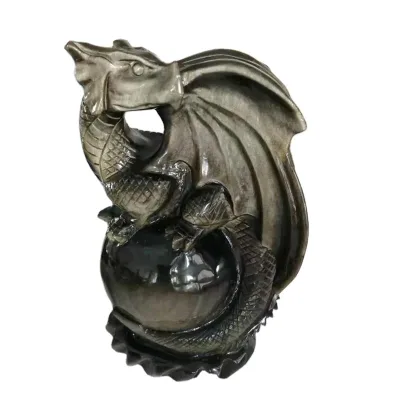
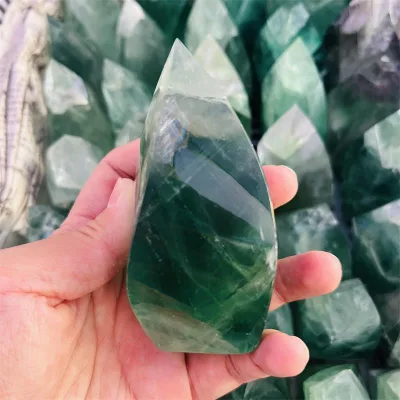
Decorative natural crystal house semi-precious stone carved yellow pineapple carving for gifts
$17.4427 - $20.5211
MOQ: 2 pieces
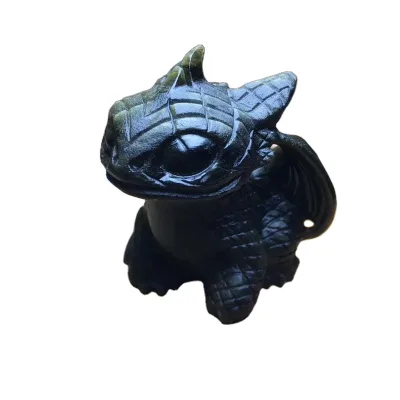
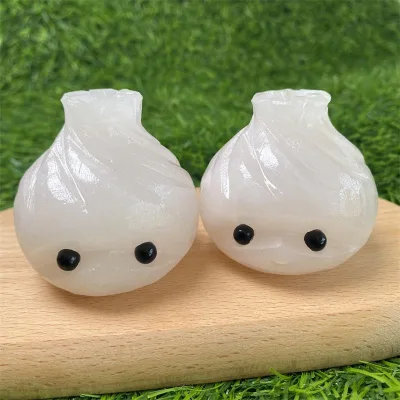
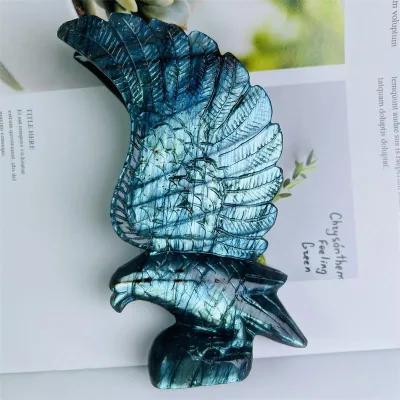
Donghai Pingtouge Jewelry Co., Ltd.
- Trading Company
- Jiangsu, China
- Lead time0 days
- Avg. response≤ 3h
Main productscarved crystal,carving natural crystal stones,crystal carving,crystal animal carvings,crystal moon carving
Main marketsEastern Europe(30.00%), Northern Europe(20.00%), North America(20.00%), South Asia(20.00%), South America(10.00%)

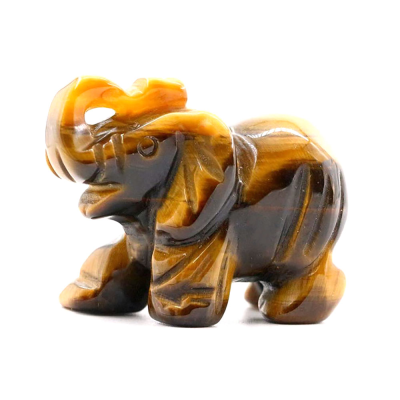
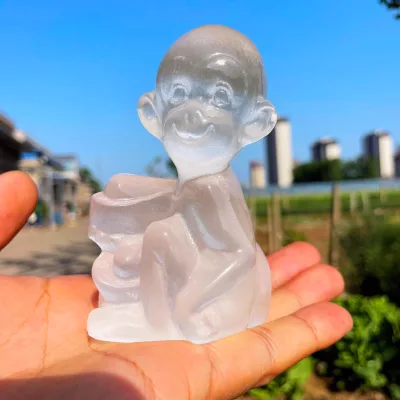
Wholesale Crystal Stones Hand Carved Crystal Carving Crafts Hsiuyen Jade Elephant for Decor
$7.2024 - $9.2606
MOQ: 20 pieces
$0.9258 - $1.5429
MOQ: 20 pieces

Yiwu Hongzhuo Art&crafts Factory
- Manufacturer, Trading Company
- Zhejiang, China
- Lead time30 days
- Avg. response≤ 6h
Main productsCrystal Crafts,Beauty Tools,Massage Tools,Gemstone Carving,Jewelry & Accessories
Main marketsDomestic Market(100.00%)
Donghai Hengmei Crystal Co., Ltd.
- Verified by TüVRheinland
- Manufacturer, Trading Company
- Lead time25 days
- Avg. response≤ 4h
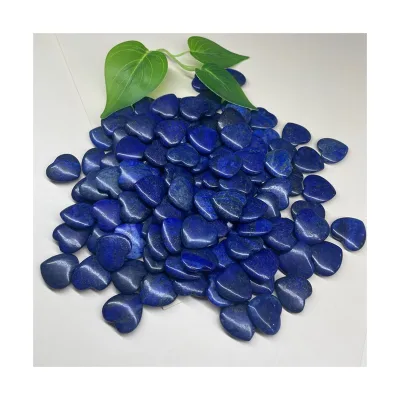
Main productsCrystal Crafts, Bulk Tumbled Stones, Black Tourmaline, Chakra Stones, Crystal Raw Stone
Main marketsNorth America(30%), Western Europe(15%), Eastern Europe(10%)
Donghai Pao Pao Mouse Jewelry Co., Ltd.
- Manufacturer, Trading Company
- Jiangsu, China
- Lead time15 days
- Avg. response≤ 1h
Main productsCrystal Jewelry Design, Crystal Carving, Crystal Sphere Tower, Crystal Chips Tumbled, Crystal Raw Specimen
Main marketsNorth America(34.00%), Eastern Europe(20.00%), Southeast Asia(14.00%), Africa(11.00%), South America(8.00%), Mid East(8.00%), Oceania(5.00%)
Guangzhou Gui Jing Crafts Co., Ltd
- Verified by TüVRheinland
- Trading Company
- Lead time60 days
- Avg. response≤ 10h
Main productsCrystal Gift Box, Crystal Animals Sphere Point Carving, Crystal Tumble Gravel Stone, Crystal Healing Chakra Pendant, Crystal Tower Tree
Main marketsNorth America(50%), Southeast Asia(20%), Domestic Market(15%)
Suzhou Lotustep Imp. & Exp. Co., Ltd.
- Trading Company
- Jiangsu, China
- Lead time60 days
- Avg. response≤ 7h
Main productslapidary machine,gemstone machine,stone bead machine,ultrasonic drill machine,lapidary slab saw
Main marketsWestern Europe(60.00%), North America(40.00%)
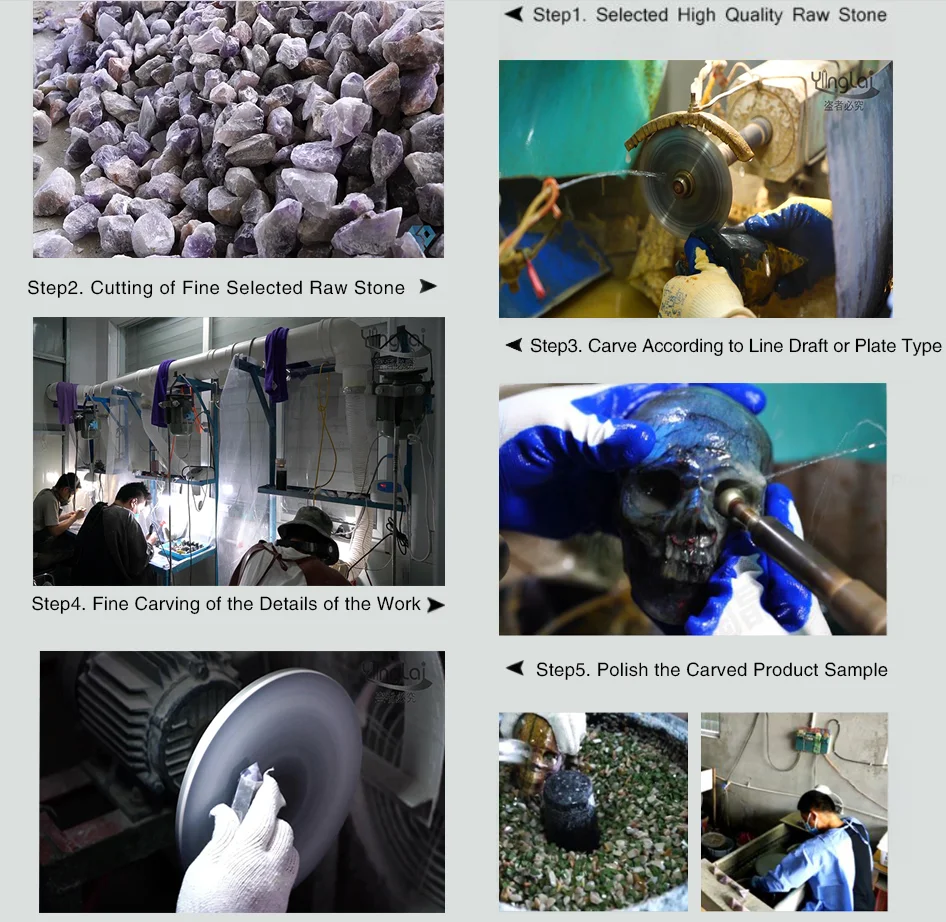
Donghai Xian Ying Lai Jewelry Co., Ltd.
- Manufacturer, Trading Company
- Jiangsu, China
- Lead time20 days
- Avg. response≤ 23h
Main productsCrystal Points; Crystal Spheres; Crystal Skulls; Crystal Carving Products; Crystal Tumble Stones
Main marketsNorth America(40.00%), Oceania(20.00%), Western Europe(10.00%), Southern Europe(10.00%), Eastern Europe(10.00%), South Asia(1.00%), Eastern Asia(1.00%), South America(1.00%), Central America(1.00%), Northern Europe(1.00%), Africa(1.00%), Mid East(1.00%), Southeast Asia(1.00%)
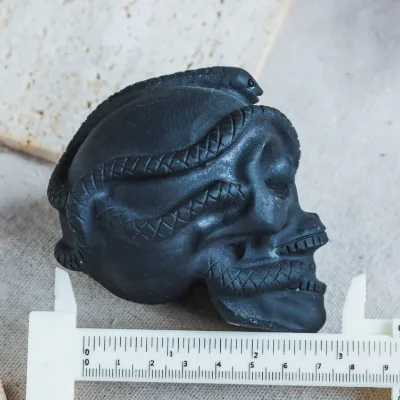
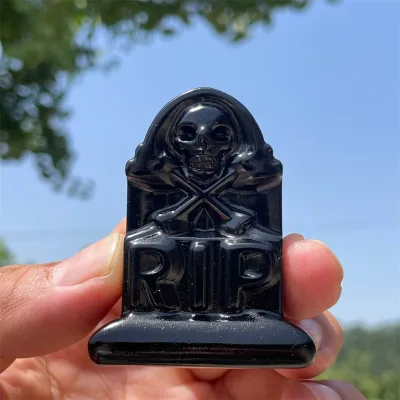
Factory Hand Carved Black Obsidian Skulls With Snake Stone Crystal Different Size Carvings for Sale
$46.4904 - $50.6234
MOQ: 1 pieces
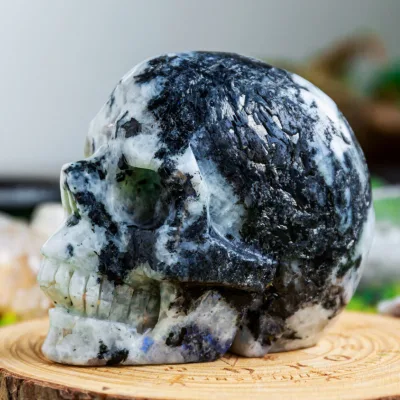
Factory Hand Carved Skulls Rainbow Moonstone Stone Crystal Different Size for Sale
$149.8015 - $153.9345
MOQ: 1 pieces
Longfei (Jiangsu) International Trade Co., Ltd.
- Trading Company
- Jiangsu, China
- Lead time10 days
- Avg. response≤ 3h
Main productsCrystal Ball, Crystal Point, Crystal Stone, Crystal Chips Craft, Crystal Skull
Main marketsNorth America(50.00%), Central America(10.00%), Eastern Europe(10.00%), South America(5.00%), Western Europe(5.00%), Southern Europe(5.00%), Northern Europe(5.00%), Mid East(5.00%), Southeast Asia(3.00%), South Asia(2.00%)
$0.9782 - $1.134
MOQ: 10 pieces
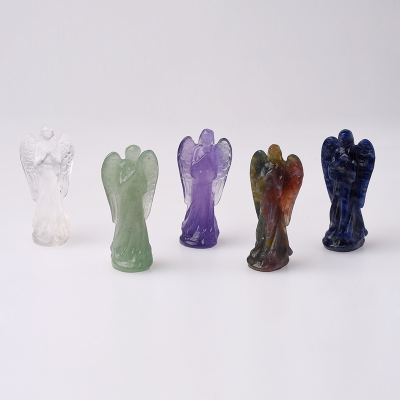
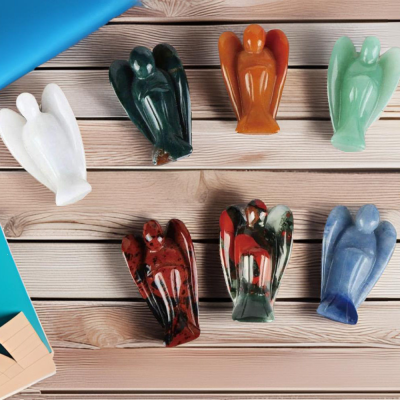
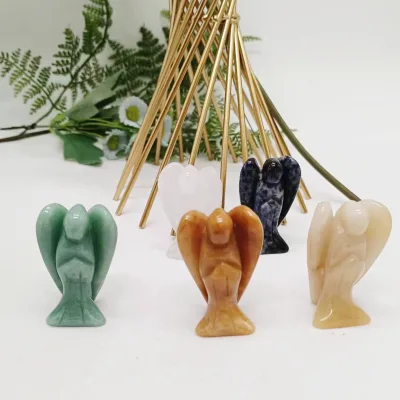
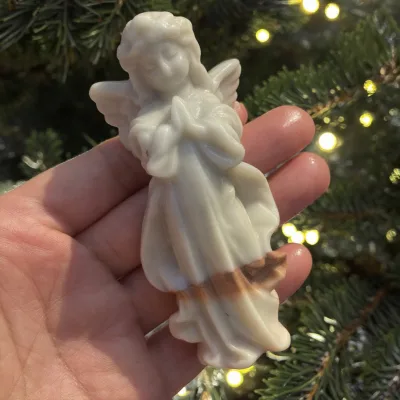
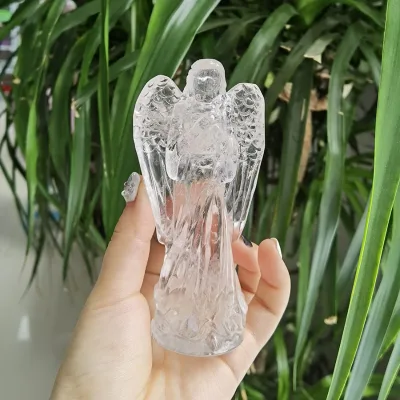
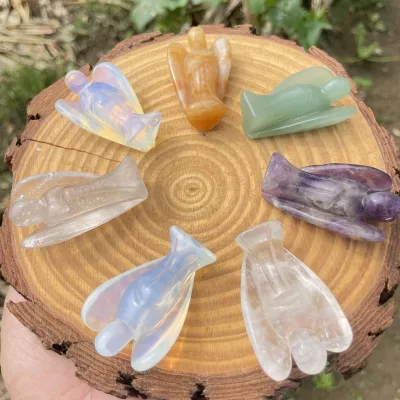
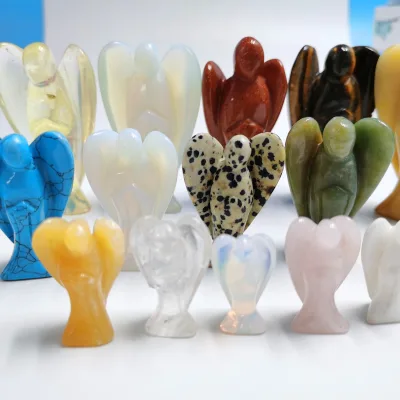
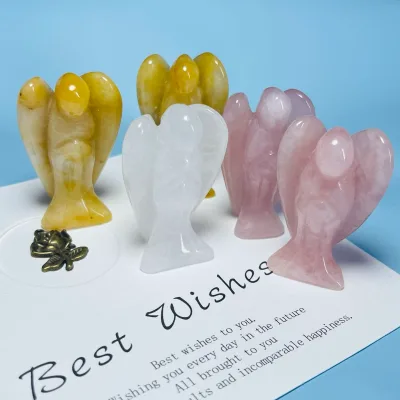
Hot Sale Natural Stone Crafts Crystal Carved Gemstone Angel Statue Crystal Angel for Gifts
$4.20 - $4.80
MOQ: 10 pieces

Xiamen Amore Gift Solutions Co., Ltd.
- Verified by BV
- Trading Company
- China Fujian
- Lead time30 days
- Avg. response≤ 9h
Main productsCrystals, Gemstones, Crystal Skulls, Crystal Animals
Main marketsEast Asia(Japan/ South Korea),North America

$88.00 - $100.00
MOQ: 1 Pieces


Donghai Mingtian Jewelry Co., Ltd.
- Verified by Intertek
- Manufacturer, Trading Company
- Lead time20 days
- Avg. response≤ 5h
Main productsCrystal Ball, Crystal Pillar, Crystal Skull
Main marketsNorth America(50%), South America(30%), Eastern Europe(20%)
Zhejiang Chenyi Manufacturing Co., Ltd.
- Verified by SGS Group
- Trading Company
- Lead time3 days
- Avg. response≤ 8h
Main productsCrystal Craft, Water Fountain, Crystal Drinkware, Crystal Decoration, Packaging & Printing
Main marketsNorth America(40%), Oceania(15%), South America(10%)
- Trading Company
- Fujian, China
- Lead time10 days
- Avg. response≤ 3h
Main productsGifts And Crafts, Snow Globe, Christmas Decorations, Travel Souvenir, Packing Gift Box
Main marketsNorth America(50.00%), Eastern Asia(16.00%), Mid East(6.00%), Southeast Asia(6.00%), Western Europe(5.00%), Southern Europe(5.00%), Northern Europe(5.00%), Eastern Europe(5.00%), Oceania(2.00%)

YANGZHOU EXCELLENCE CRYSTAL HANDICRAFTS CO., LTD.
- Combined
- China Jiangsu
- Lead time23 days
- Avg. response≤ 2h
Main productsCrystal, Glass, Award, Trophy, Gifts, Key Chain, Souvenirs, Crystal Plaque, Crystal Art
Main marketsSouth America,Others(foreignTradeCapacity.exportBusinessCapacityMarketOther),Southeast Asia/ Mideast,East Asia(Japan/ South Korea),Domestic,Europe,Australia,North America






Comprehensive Sourcing Guide
Polished Crystal Carving Supplier Concentration and Factory Types
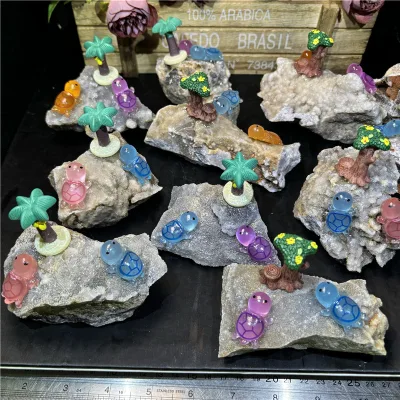
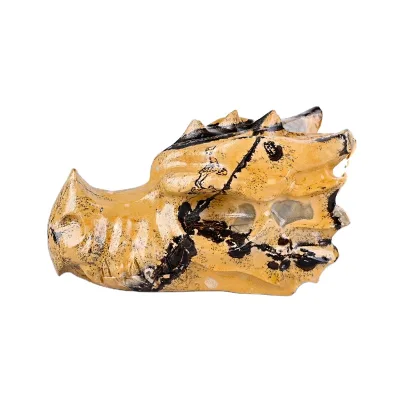
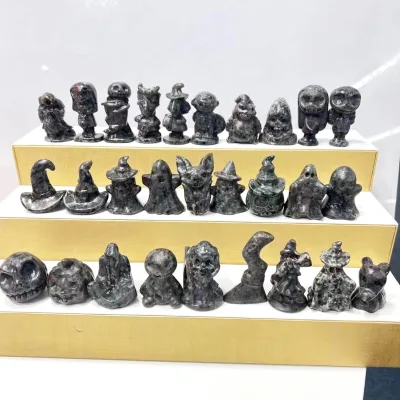
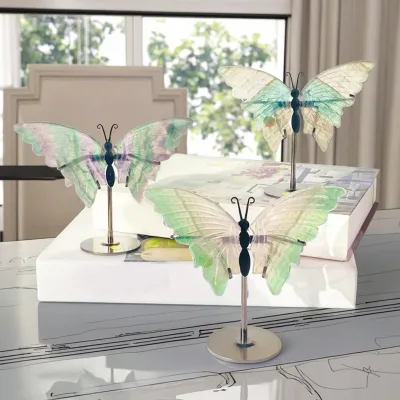
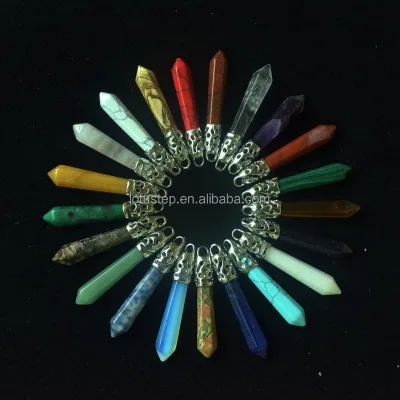
The sourcing landscape for polished crystal carvings is characterized by a mix of specialized manufacturing entities and broader trading companies, each offering distinct advantages for different procurement strategies. Current data indicates that a significant portion of available suppliers are classified as trading companies, which often serve as intermediaries connecting buyers with a wider array of raw material sources and finished goods. These trading entities typically aggregate products from various workshops, allowing buyers to access diverse styles such as crystal elephants, angels, and chakra stones under a single point of contact. This structure can simplify the initial sourcing process by reducing the number of vendor relationships a buyer must manage, although it may introduce additional layers in the supply chain. Conversely, direct manufacturers or factories may offer more control over the polishing process and material selection, ensuring that the specific aesthetic qualities of the raw crystal are preserved during the carving and finishing stages. Understanding this distinction is crucial for buyers who prioritize either the breadth of product variety or the direct oversight of production quality.
When evaluating the type of supplier, buyers should look for indicators of manufacturing capability, such as the presence of specific production equipment or detailed descriptions of the polishing techniques used. Some suppliers highlight their ability to handle raw materials directly, transforming unpolished stones into finished decorative items with precise dimensions and smooth finishes. The main products listed by many suppliers often include a wide range of crystal crafts, from healing stones to decorative sculptures, suggesting a versatility in their operational capabilities. Buyers interested in custom orders should verify whether the supplier has the capacity for graphic processing or customized designs on demand, as this indicates a more flexible manufacturing setup. Additionally, the presence of specific certifications, such as CE, may suggest that the supplier adheres to certain quality or safety standards, although this is more common in trading companies that source from certified factories. By carefully assessing the supplier type, buyers can align their procurement strategy with their need for either standardized, high-volume production or specialized, custom-crafted items.
How to Verify Polished Crystal Carving Suppliers
Verifying the legitimacy and capability of Polished Crystal Carving suppliers requires a multi-faceted approach that goes beyond simple profile reviews. One critical step is to check for third-party verification badges, such as those provided by SGS Group, which can offer an additional layer of confidence in the supplier's operational integrity. These verifications often involve on-site checks or audits that confirm the supplier's business registration and physical existence, reducing the risk of engaging with fraudulent entities. Buyers should also pay close attention to the supplier's response time, as a quick and professional reply can indicate a well-managed customer service team that is likely to provide better support throughout the order process. A response time of two days or less is generally considered a positive sign, suggesting that the supplier is active and responsive to inquiries. However, buyers should not rely solely on these metrics and should seek additional evidence of the supplier's reliability through direct communication and request for samples.
Another important aspect of verification is the assessment of the supplier's product evidence and detailed specifications. Buyers should request high-resolution images or videos of the actual products, particularly focusing on the quality of the polishing and the clarity of the crystal carvings. The product attributes, such as material type, shape, and single package size, should be compared against the supplier's claims to ensure consistency. For instance, if a supplier claims to offer natural crystal carvings, the product descriptions should explicitly state the material as raw crystal or specific stone types like rose quartz or obsidian. Buyers should also inquire about the supplier's quality control processes, including how they handle defects or inconsistencies in natural stone products. Additionally, checking for any available certifications or compliance with international standards can provide further assurance of the supplier's professionalism. By combining these verification steps, buyers can build a more comprehensive picture of the supplier's capabilities and reliability before committing to a purchase.
What to Compare Across Polished Crystal Carving Suppliers
When comparing suppliers for polished crystal carvings, several key dimensions should be evaluated to ensure the best value and fit for the buyer's needs. One of the most critical factors is the minimum order quantity (MOQ), which can vary significantly across different suppliers. Some suppliers may offer low MOQs, such as 10 pieces or even single units, which is ideal for buyers testing the market or ordering small batches for specific projects. Others may require higher MOQs, such as 20 pieces or more, which can be more cost-effective for larger orders but may pose a challenge for smaller buyers. Buyers should also compare the lead times, as these can impact inventory management and customer satisfaction. Lead times of three days or less are generally favorable, indicating a supplier's ability to process and ship orders quickly. However, buyers should also consider the production time for custom orders, which may extend beyond standard lead times.
Price is another essential factor in supplier comparison, but it should be analyzed in conjunction with other attributes such as quality and service. Buyers should request detailed quotations that include the unit price, shipping costs, and any additional fees to get a clear picture of the total cost. The price range for polished crystal carvings can vary based on the material, size, and complexity of the carving. For example, simple crystal chakra stones may be priced differently from intricate mermaid carvings or large decorative bowls. Buyers should also compare the supplier's main products to ensure they align with their specific requirements. Some suppliers may specialize in certain types of crystal crafts, such as healing stones or Feng Shui items, while others may offer a broader range of products. By systematically comparing these dimensions, buyers can identify suppliers that offer the best balance of cost, quality, and service for their specific sourcing needs.
Common Polished Crystal Carving Sourcing Risks
Sourcing polished crystal carvings comes with several inherent risks that buyers must be aware of and mitigate through careful planning and due diligence. One significant risk is the variability in natural stone quality, as each piece of crystal is unique and may have imperfections such as cracks, inclusions, or color variations. Buyers should be prepared for this natural variation and establish clear quality standards with their suppliers to ensure that the products meet their expectations. Another risk is the potential for delays in production or shipping, which can disrupt supply chains and impact customer satisfaction. Buyers should work with suppliers who have a proven track record of meeting lead times and have contingency plans in place for unexpected delays. Additionally, the risk of receiving products that do not match the described specifications is a common concern, particularly when ordering from suppliers with limited quality control processes.
Miscommunication regarding product details, such as size, color, or material type, can also lead to dissatisfaction and returns. Buyers should ensure that all product specifications are clearly documented in the purchase agreement and that the supplier acknowledges these requirements. The risk of intellectual property infringement is another consideration, especially when ordering custom designs or branded products. Buyers should verify that the supplier has the necessary rights to produce and sell the requested items to avoid legal issues. Furthermore, the risk of financial loss due to fraud or non-delivery is a serious concern, particularly when dealing with new or unverified suppliers. Buyers should use secure payment methods and consider using escrow services to protect their funds until the goods are received and inspected. By identifying and addressing these common risks, buyers can minimize potential losses and ensure a smoother sourcing experience.
Polished Crystal Carving Regional Sourcing and Logistics
The regional sourcing of polished crystal carvings is often influenced by the availability of raw materials and the concentration of manufacturing capabilities in specific areas. Current data suggests that many suppliers are located in Jiangsu, China, a region known for its robust manufacturing infrastructure and access to raw materials. This concentration of suppliers in Jiangsu can offer buyers the advantage of streamlined logistics and potentially lower shipping costs due to the proximity of production facilities to major ports. Buyers should consider the logistical implications of sourcing from this region, including transit times and customs procedures, to ensure that their supply chain remains efficient. Additionally, the presence of suppliers in other regions, such as Donghai, may provide alternative sourcing options with different cost structures and lead times. Donghai is particularly known for its crystal industry, and sourcing from this area may offer access to specialized expertise and a wider variety of crystal types.
Logistics planning is a critical component of sourcing polished crystal carvings, as the fragility of the products requires careful handling and packaging. Buyers should work with suppliers who use safe packaging methods, such as bubble wrap or foam inserts, to protect the carvings during transit. The shipping methods offered by suppliers, such as DHL, UPS, or FedEx, can also impact the speed and reliability of delivery. Buyers should compare the shipping options and costs to determine the most suitable method for their needs. Additionally, buyers should consider the impact of regional trade policies and tariffs on the total cost of imported goods. Understanding the logistical landscape of the sourcing region can help buyers make informed decisions about their supply chain strategy and minimize potential disruptions. By leveraging the advantages of regional sourcing and effective logistics planning, buyers can ensure the timely and safe delivery of their polished crystal carvings.
Polished Crystal Carving Commercial Terms and Order Planning
Effective order planning for polished crystal carvings requires a thorough understanding of the commercial terms offered by suppliers, including payment terms, warranty policies, and after-sales support. Buyers should negotiate clear payment terms that align with their cash flow needs, such as partial payments upfront and the balance upon shipment or delivery. It is also important to clarify the supplier's warranty policy for defective products, as this can provide protection against quality issues. Buyers should inquire about the supplier's return and refund policies to ensure that they have recourse in case of dissatisfaction with the products. Additionally, buyers should consider the supplier's capacity for handling large orders and their ability to scale production as needed. Suppliers with established relationships with logistics providers may offer more competitive shipping rates and faster delivery times, which can be beneficial for time-sensitive projects.
Order planning should also take into account the seasonal demand for polished crystal carvings, particularly for decorative items used in holidays or special events. Buyers should plan their orders well in advance to account for production lead times and potential delays during peak seasons. Establishing a long-term relationship with a reliable supplier can provide stability and consistency in product quality and delivery. Buyers should also consider the supplier's ability to provide samples before placing large orders, as this allows for a final check of product quality and specifications. By carefully managing commercial terms and order planning, buyers can optimize their procurement process and ensure that they receive high-quality polished crystal carvings that meet their business needs. This proactive approach helps mitigate risks and enhances the overall sourcing experience.
FAQs
What MOQ applies to polished crystal carvings on this page?
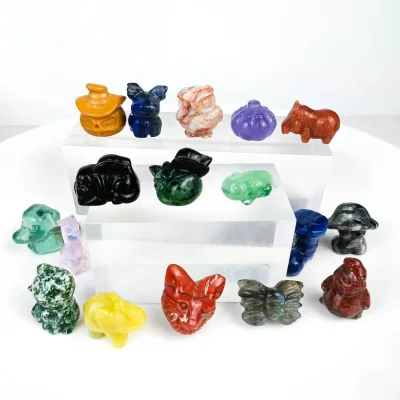
MOQs vary by carving type: small polished figures such as crystal elephant and angel carvings list a minimum of 10 pieces, while chakra crystal carving sets list 20 pieces, and some agate bowls allow single-piece orders. Always confirm the MOQ on the specific product listing before requesting a quote, since requirements can differ by material and size.
How long does delivery usually take for polished crystal carvings?
Listed delivery times for carved crystal decorations range from 2 to 10 days, and supplier-level lead time data shows very fast turnaround for some listings. Actual timing depends on order size, customization, and destination. Ask the supplier to confirm current production and shipping schedules for your quantity before placing the order.
What materials and colors are available for polished crystal carvings?
Available materials include clear quartz, rose quartz, amethyst, black obsidian, red jasper, agate, aventurine, tiger eye, malachite, jade, and opal, among many others. Some carved bowls are made from natural red agate in irregular free-form shapes. Check each listing's color options, since material availability can change with raw stone stock.
Where are these Polished Crystal Carving suppliers located?
The suppliers on this page are based in Jiangsu, China, and some carved products list Donghai as the place of origin, an area known for crystal processing. Both locations sit in the same province, which supports consolidated sourcing. Confirm the exact shipping origin for your chosen items, as it affects freight cost and transit time.
Can polished crystal carvings be customized for gifts or branding?
Many carved crystal products are positioned as gifts, home decoration, and business gifts, and at least one supplier lists sample processing, graphic processing, and customization on demand among its capabilities. Discuss engraving, packaging, or size requirements directly with the supplier, and request a sample to verify carving quality before committing to volume.
Are there certifications or verification details to check before ordering?
At least one supplier on this page holds a CE system certification and is verified by SGS Group. Certification needs vary by market, so review each supplier's credentials on their profile page. Also confirm product-specific documentation, material authenticity, and any test reports relevant to your country's import requirements before finalizing a purchase.
How quickly do these crystal carving suppliers respond to inquiries?
One supplier on this page lists an average response time of about 2 hours, which is helpful when comparing quotes across multiple vendors. Response speed may vary by time zone and workload. Send a detailed inquiry with quantity, material, and size requirements to get faster, more accurate replies.
What sizes do polished crystal carvings come in?
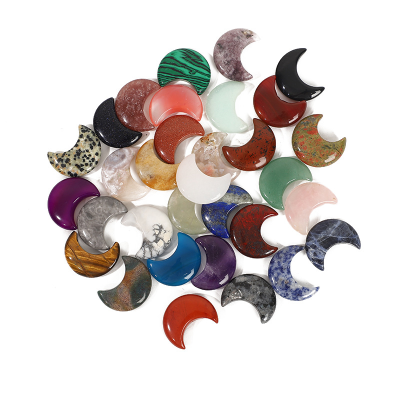
Sizes vary widely across listings. Carved elephants and angels are offered in 1.5 inch and 2 inch sizes, chakra carvings range from about 17 by 25 mm up to 50 mm moon shapes and larger points, and agate bowls are graded by weight from under 100 g up to 700 g. Specify your size needs when requesting quotes.