Source Yellow Calcite Crystal Ball for Home Decor and Gifts
Compare 30 listings for Yellow Calcite Crystal Ball from verified suppliers in Jiangsu, China. Buyers can evaluate prices, sizes, and customization options for home decoration and business gifts. Explore various shapes, materials, and styles to find the perfect piece for your needs.
Updated
Key considerations
Products List
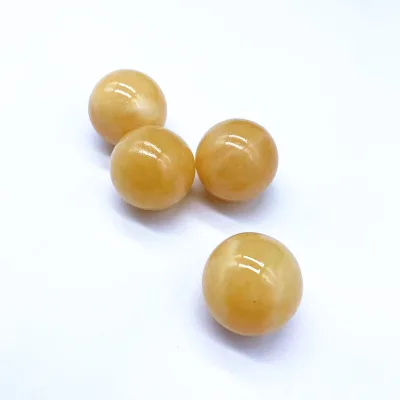
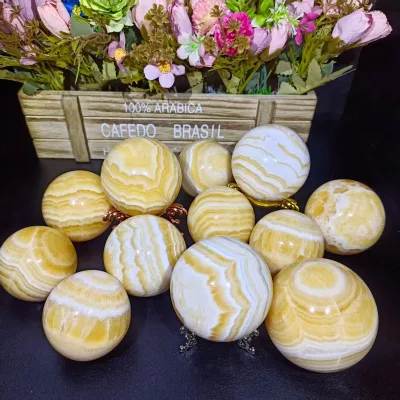
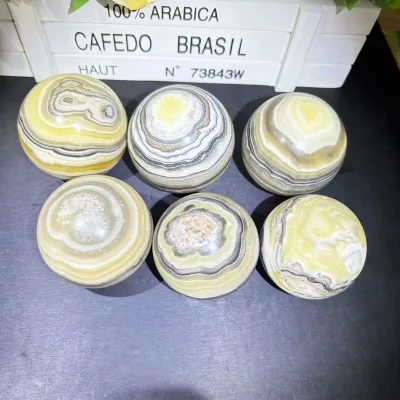
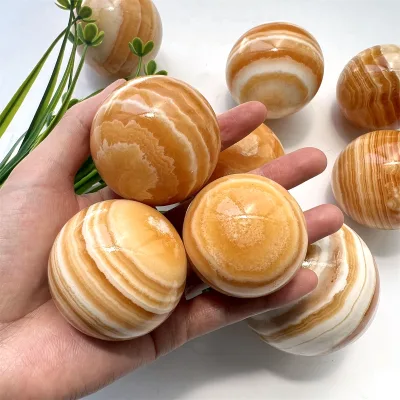
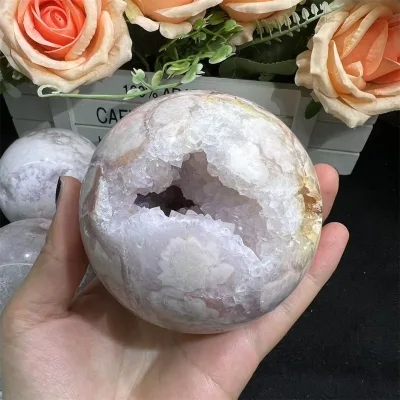
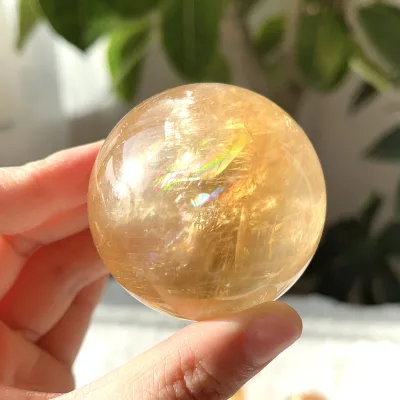
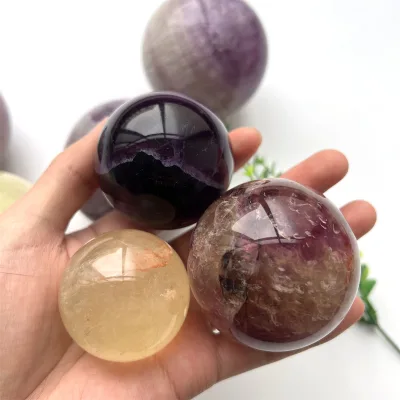
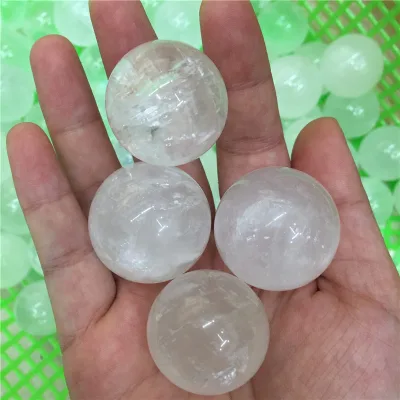
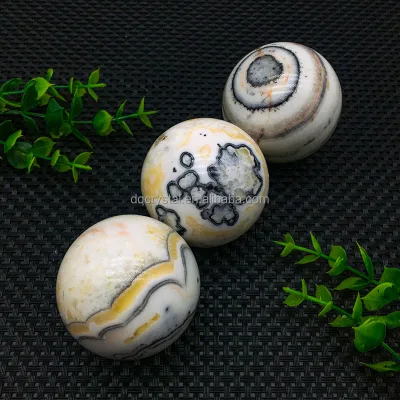
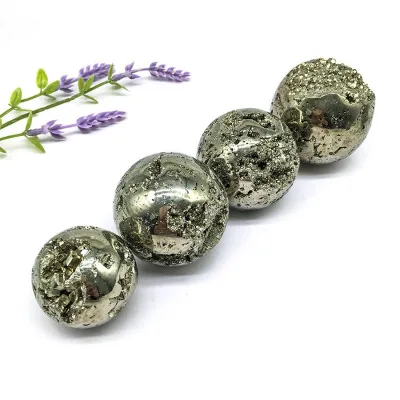
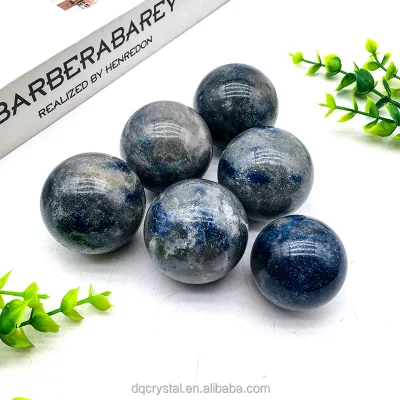
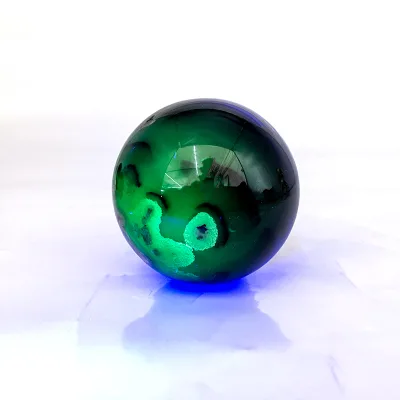
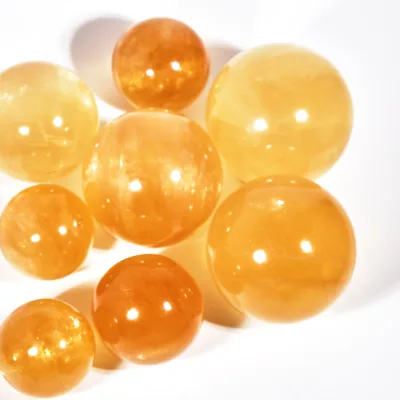
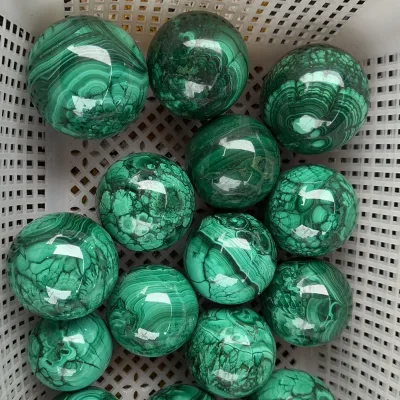
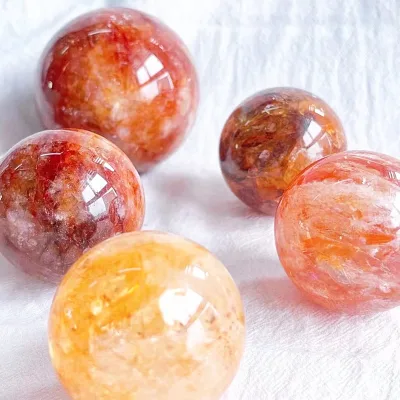
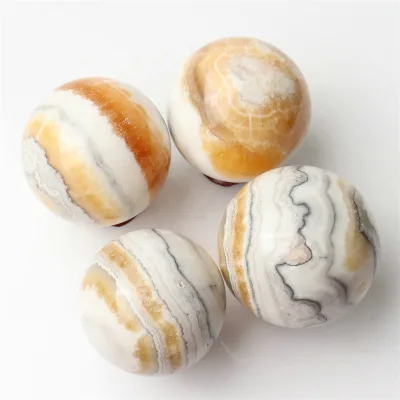


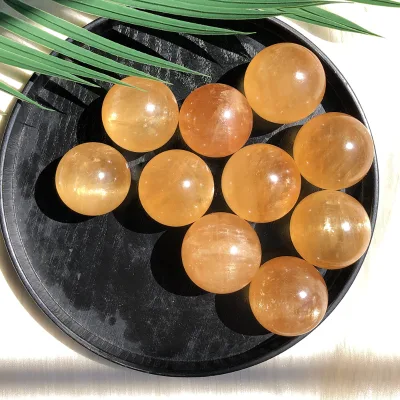
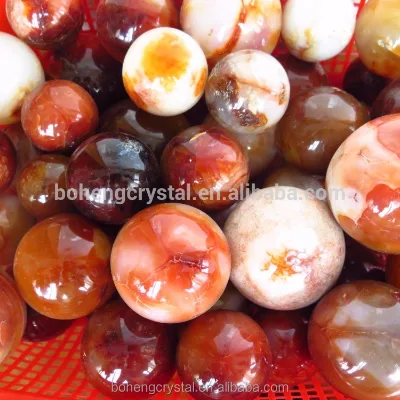
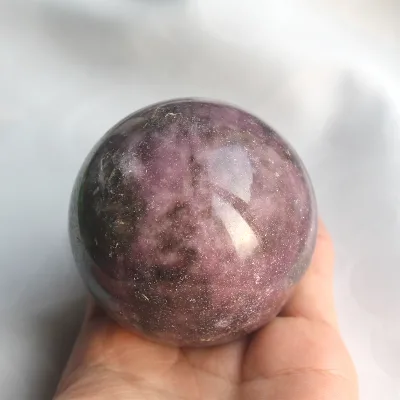
Comprehensive Sourcing Guide
Yellow Calcite Crystal Ball Sourcing Guide
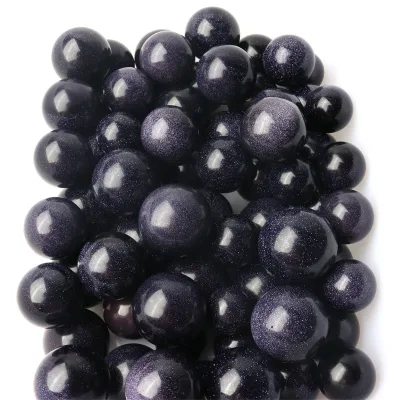
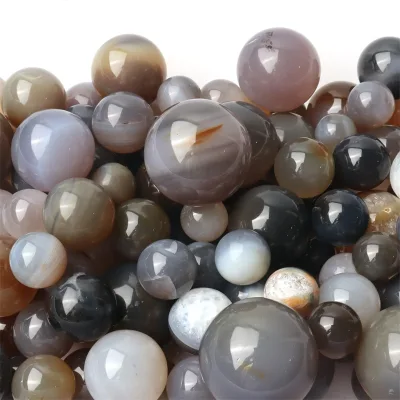
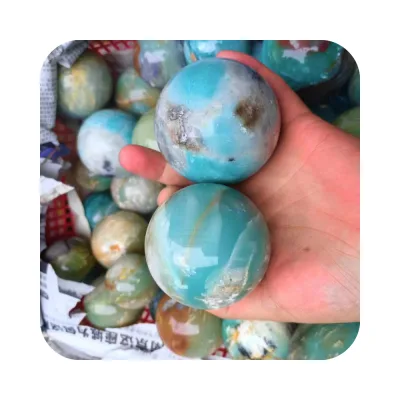
Sourcing yellow calcite crystal balls requires careful attention to material authenticity and aesthetic consistency, as market listings often conflate various yellow stones. Buyers must distinguish between genuine calcite and other yellow minerals like citrine or yellow jade, which may appear similar but possess different physical properties and market values. The observed product data indicates a diverse range of items labeled under this keyword, including products explicitly identified as yellow calcite alongside those described as jade or crystal images. This ambiguity necessitates rigorous verification of material composition before placing orders, ensuring that the procurement aligns with specific project requirements for energy, decoration, or gifting purposes.
Procurement teams should also evaluate the stylistic and functional claims associated with these items, such as healing energy, feng shui applications, or home decoration themes. While these attributes are common in marketing, they do not constitute technical specifications and should be treated as aesthetic or cultural descriptors rather than measurable performance metrics. Understanding the intended application, whether for retail resale, corporate gifting, or interior design, helps in filtering suppliers who offer relevant customization options, such as logo printing or specific packaging solutions, which are frequently observed in the current market landscape.
Product Scope and Observed Listing Signals
The current market landscape for yellow calcite crystal balls reveals a wide variance in product descriptions, with many listings featuring items labeled as jade, crystal images, or generic yellow spheres. Observed data shows that suppliers often use terms like "yellow jade sphere" or "jade" interchangeably with calcite, creating potential confusion regarding the actual material composition. Buyers must scrutinize product titles and descriptions carefully, noting that some items are explicitly identified as yellow calcite, while others are marketed under different mineral names despite sharing similar visual characteristics. This overlap highlights the importance of verifying the specific material type through detailed product specifications rather than relying solely on the core keyword.
Visual and stylistic attributes also vary significantly across listings, with options ranging from polished spheres to free-form shapes and various color tones. The observed data includes items with specific dimensions, such as 3cm sizes or one-size options, and packaging details like single package sizes of 10x10x10 cm or larger 20x20x16 cm boxes. These variations impact shipping costs and handling requirements, making it essential for buyers to assess the physical dimensions and weight of each item. Additionally, features like die-cutting printing, custom logos, and high-end styling suggest that many suppliers offer customization services, which can be leveraged for branded gifting or specialized retail needs.
Technical Specifications to Verify
Material composition is the most critical technical specification to verify, as the term "yellow calcite" may be used loosely in some listings. Buyers should request detailed material certificates or laboratory test results to confirm that the product is genuine calcite and not a dyed or treated stone, or a different mineral entirely. The observed data includes materials listed as crystal, jade, and yellow calcite, indicating a lack of standardization in product naming. Ensuring material authenticity is vital for maintaining product integrity and meeting customer expectations, particularly for items marketed for their purported healing or feng shui properties, where material purity is often a key selling point.
Dimensional and packaging specifications also require close attention, as inconsistencies in size and weight can affect logistics and cost calculations. Observed data shows single gross weights ranging from 1.0 kg to 1.3 kg and single package sizes varying from 10x10x10 cm to 20x18x20 cm. These variations suggest that suppliers may offer different product tiers or sizes, which must be clearly defined in the purchase order. Buyers should verify the exact dimensions, weight, and packaging type for each SKU to ensure accurate freight estimation and storage planning, avoiding unexpected costs or logistical challenges due to mismatched specifications.
Compliance and Safety Documentation
While specific certification requirements for yellow calcite crystal balls are not universally mandated, buyers should inquire about any relevant safety or quality certifications provided by suppliers. The observed data mentions high-quality standards and safe packaging, but does not specify particular compliance marks or testing protocols. Buyers should verify if the products have undergone any quality control checks, such as hardness testing or chemical analysis, to ensure they meet industry standards for decorative stones. Requesting documentation for these checks can help mitigate risks associated with product defects or material misrepresentation, ensuring that the purchased items are safe for their intended use.
Packaging and shipping compliance is another important consideration, especially for international orders. The observed data indicates that suppliers use express shipping and safe packaging methods, which are crucial for protecting fragile crystal balls during transit. Buyers should confirm that the packaging meets international shipping standards to prevent damage and ensure that the products arrive in pristine condition. Additionally, verifying that the packaging materials are environmentally friendly or recyclable may be relevant for buyers with sustainability goals, although this is not explicitly mentioned in the observed data.
Cost Drivers and Commercial Terms
Pricing for yellow calcite crystal balls varies widely, with observed listings ranging from $0.5 to $3500, reflecting differences in material quality, size, and customization options. Buyers should understand that lower prices may correspond to smaller sizes, lower-grade materials, or minimal customization, while higher prices may indicate larger, higher-quality stones or extensive branding services. The observed minimum order quantities (MOQ) range from 1 to 100, with some listings specifying MOQs in kilograms, such as 1 kg or 1 KG. Understanding these MOQ structures is essential for budgeting and inventory planning, as they can significantly impact the total cost of procurement.
Commercial terms, including payment methods, lead times, and shipping arrangements, also influence the overall cost and efficiency of the sourcing process. The observed data mentions express shipping and customized logos, suggesting that suppliers offer flexible logistics and branding options. Buyers should negotiate clear terms regarding production lead times, especially for customized orders, to ensure timely delivery. Additionally, clarifying payment terms and any potential hidden costs, such as customs duties or handling fees, can help avoid unexpected expenses and ensure a smooth transaction process.
Supplier Qualification and Quality Control
Supplier qualification is crucial for ensuring the reliability and consistency of Yellow Calcite Crystal Ball orders. Buyers should assess suppliers based on their production capabilities, quality control processes, and customer service responsiveness. The observed data indicates that suppliers are located in Jiangsu, China, and offer various customization options, such as logo printing and specific packaging. Buyers should verify the supplier's ability to meet specific quality standards and their track record in delivering consistent products. Requesting samples before placing large orders can help evaluate the actual quality and appearance of the products, ensuring they meet the buyer's expectations.
Quality control measures should be clearly defined and agreed upon with the supplier to minimize the risk of receiving defective or non-conforming products. Buyers should establish clear acceptance criteria for material composition, dimensions, and finish, and request pre-shipment inspections if necessary. The observed data mentions high-quality standards and safe packaging, but buyers should verify these claims through direct communication or third-party inspection services. Implementing a robust quality control process helps ensure that the purchased items meet the required specifications and maintain the brand's reputation for quality and reliability.
Long-Term Procurement Checks
Long-term procurement success depends on establishing strong relationships with reliable suppliers and continuously monitoring market trends. Buyers should regularly review supplier performance, including product quality, delivery times, and customer service, to identify any issues early and address them proactively. The observed data shows a dynamic market with various product options and customization capabilities, suggesting that buyers should stay informed about new offerings and technological advancements in the industry. Building a diverse supplier base can also help mitigate risks associated with supply chain disruptions and ensure a steady supply of yellow calcite crystal balls.
Continuous improvement in sourcing strategies is essential for maintaining competitiveness and meeting evolving customer demands. Buyers should leverage data from past purchases to negotiate better terms, optimize inventory levels, and enhance product offerings. The observed data highlights the importance of customization and branding, indicating that buyers should explore opportunities to differentiate their products through unique designs or packaging. By staying agile and responsive to market changes, buyers can effectively manage their procurement processes and achieve long-term success in the Yellow Calcite Crystal Ball market.
FAQs
What is the material composition of the Yellow Calcite Crystal Ball?
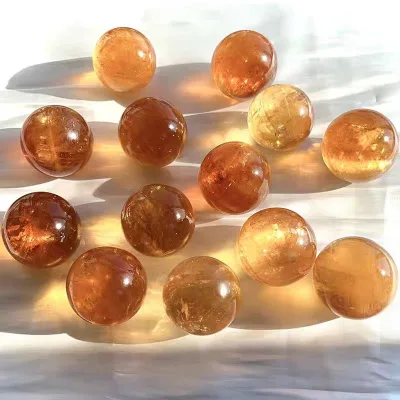
The product is made from natural yellow calcite crystal. It features a polished surface and free-form ball shape. The item serves as home decoration and a business gift. The color appears as shown in the picture. It is crafted with high-quality standards for aesthetic appeal.
What are the packaging dimensions and weight for this item?
The single package size is 20x20x16 cm. The single gross weight is 1.3 kg. The product uses a safe package method. This ensures secure transport for the crystal ball. Buyers should consider these dimensions for shipping calculations and storage planning.
Can I customize the logo on the yellow calcite ball?
Yes, a customized logo is available for this product. The brand name is Kindfull Crystal. This allows for personalized branding for business gifts. The item is suitable for home decoration. Buyers can request specific logo placements to meet their marketing needs.
What is the minimum order quantity for this crystal ball?
The minimum order quantity is 1 kg. This applies to the Yellow Calcite Crystal Ball. The selling unit is a single item. Buyers can order small quantities for testing. This low MOQ supports flexible procurement for various business sizes.
Where is the Yellow Calcite Crystal Ball manufactured?
The place of origin is Jiangsu, China. The product is manufactured in this region. It features a high-end style and fashion trend. The technique used is polished carving. Buyers can verify the origin for supply chain transparency.
What is the model number for this yellow calcite product?
The model number is Lw_25032502. This identifies the specific Yellow Calcite Crystal Ball. It is listed as a crystal image product. The theme is love and the style is Feng Shui. This code helps in precise product identification and ordering.