Source Casting Iron Beer Bottle Opener for bar, home, and gift
Compare 30 unique Casting Iron Beer Bottle Opener options from verified suppliers. Explore diverse designs including parrot, monkey, and pistol shapes with customizable packaging and OEM services available for bulk orders; compare the available evidence and request quotations based on your requirements.
Updated
Key considerations
Products List
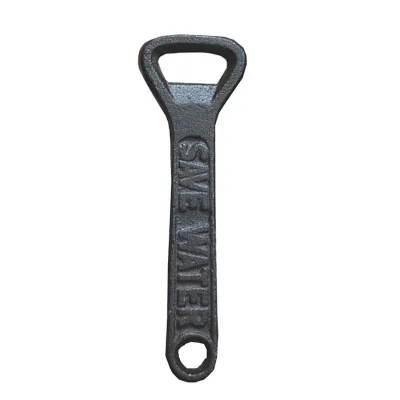
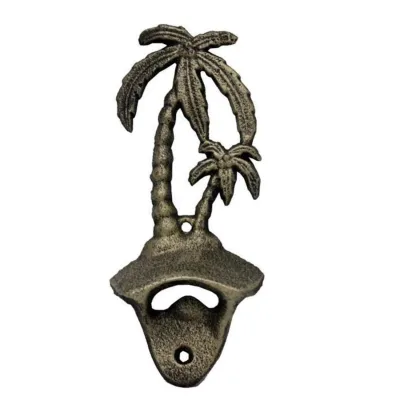
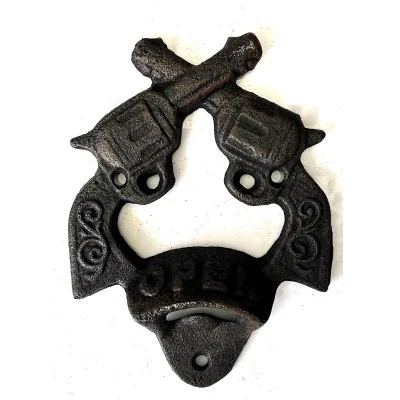
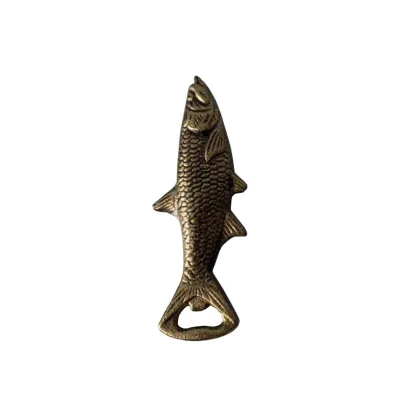
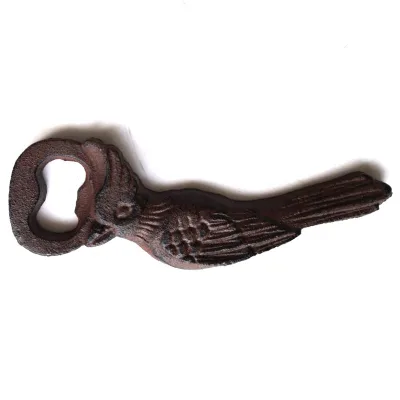
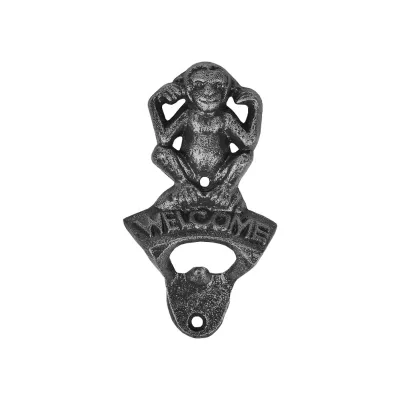


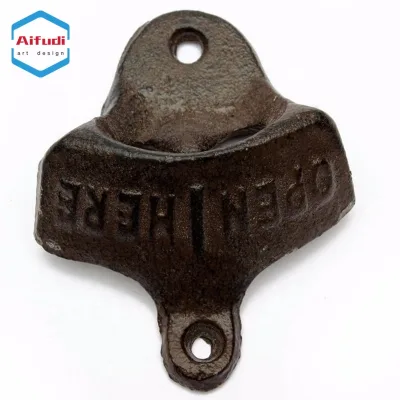
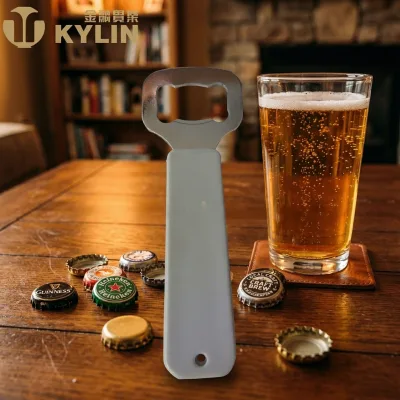

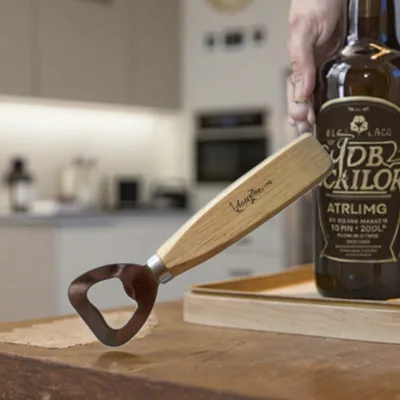
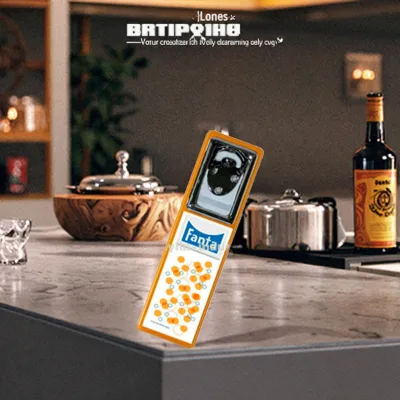
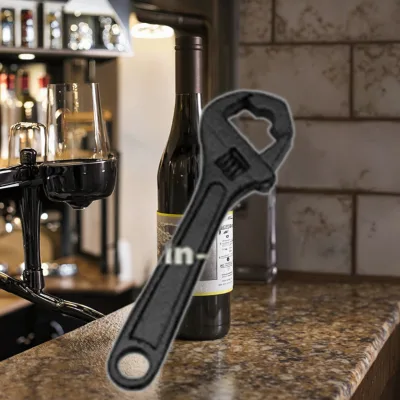



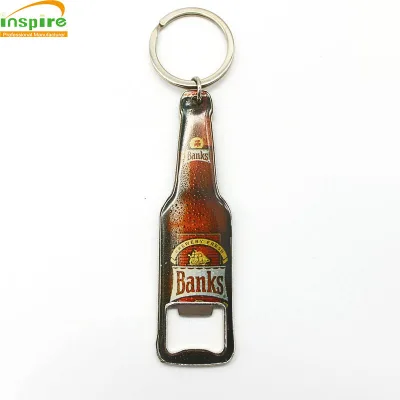

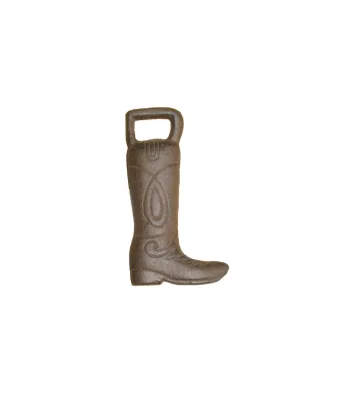
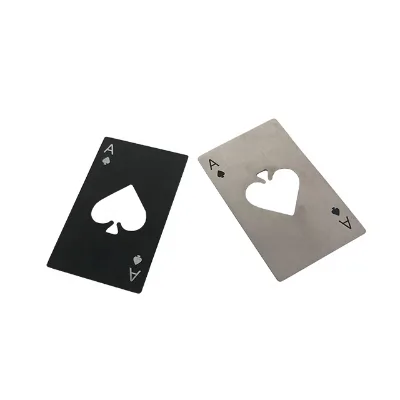
New Design Playing Cards Shaped Cast Iron bar Metal Multifunction Beer Bottle Openers
$0.26 - $0.56
MOQ: 101 pieces
Comprehensive Sourcing Guide
Casting Iron Beer Bottle Opener Sourcing Guide
Procuring cast iron beer bottle openers requires a nuanced understanding of material properties, aesthetic versatility, and supply chain logistics. These tools are frequently utilized in hospitality settings, retail gift shops, and promotional campaigns due to their durability and decorative appeal. Buyers must navigate a market where functional utility intersects with design customization, ensuring that the selected supplier can meet specific branding and quality expectations. This guide outlines the critical steps for sourcing these items effectively, focusing on verification of material integrity, compliance with safety standards, and commercial term negotiations.
The sourcing process begins with identifying suppliers who specialize in metal casting and offer OEM/ODM services. Given the variety of designs available, from functional tools to decorative shapes like animals or trees, buyers should prioritize suppliers with proven experience in cast iron processing. It is essential to establish clear communication regarding customization options, including logo printing and packaging preferences. By focusing on suppliers who accept OEM requests and provide sample times, buyers can ensure that the final product aligns with their brand identity and quality standards before committing to large-scale production orders.
Product Scope and Observed Listing Signals
The current market for cast iron bottle openers features a diverse range of designs, including unique shapes such as parrots, monkeys, and pistols, as well as classic functional forms. Listings indicate that these products are often marketed with specific aesthetic finishes, such as antique brown or antique silver, which enhance their decorative value. Buyers should observe that product names frequently highlight these distinctive shapes, suggesting that visual appeal is a key selling point. This variety allows purchasers to select items that fit specific thematic requirements, whether for holiday promotions, retail displays, or specialized bar accessories.
Observed listing signals reveal that materials are consistently identified as cast iron or metal, with some listings specifying iron as the primary component. The presence of features like magnetic properties or multifunctional capabilities adds value for certain buyer segments. Additionally, packaging options vary from simple brown boxes to more elaborate color boxes, indicating flexibility in presentation. Buyers should note that while some listings mention specific model numbers, the core material remains consistent across most offerings. This consistency in material composition suggests a standardized manufacturing process, which can simplify quality control efforts for procurement teams.
Technical Specifications to Verify
When evaluating technical specifications, buyers must verify the exact material composition to ensure it meets durability and safety requirements. Listings often cite cast iron or iron as the material, but it is crucial to confirm the grade and finish to prevent issues like excessive weight or rough edges. The model numbers provided, such as EDCS054 or EDCS025, serve as unique identifiers for specific designs, allowing for precise ordering and tracking. Buyers should request detailed technical sheets that outline dimensions, weight, and any special features, such as magnetic properties, to ensure the product fits their intended use case.
Packaging specifications are another critical technical aspect that requires verification. Listings indicate options like white boxes, brown boxes, or color boxes, which impact both protection during transit and retail presentation. Buyers should confirm the single volume and gross weight to calculate shipping costs accurately. Additionally, the availability of samples is a key technical indicator of supplier reliability, with sample times typically ranging from seven to ten days. Verifying these details ensures that the product meets both functional and logistical requirements, reducing the risk of delays or damage during delivery.
Compliance and Safety Documentation
Compliance and safety documentation are paramount when sourcing metal products that come into direct contact with consumers. While specific certifications like BSCI or RoHS are mentioned in background contexts, buyers must verify the current status of these certifications with the supplier. It is essential to ensure that the cast iron used is free from harmful substances and meets international safety standards for consumer goods. Buyers should request test reports or certificates of conformity that confirm the product's compliance with relevant regulations, particularly regarding heavy metal content and surface finish safety.
In addition to material safety, buyers should inquire about the supplier's adherence to ethical manufacturing practices. Certifications such as BSCI indicate a commitment to social compliance, which is increasingly important for global brands. Buyers should verify that the supplier has a robust quality management system in place to maintain consistent product quality. This includes checking for any third-party audits or inspections that validate the supplier's claims. By prioritizing suppliers with verified compliance documentation, buyers can mitigate risks associated with regulatory non-compliance and ensure a responsible supply chain.
Cost Drivers and Commercial Terms
Cost drivers for cast iron bottle openers include material costs, manufacturing complexity, and customization requirements. The use of cast iron, while durable, can be heavier than other materials, impacting shipping costs. Buyers should consider the weight and packaging options when calculating total landed costs. Additionally, the level of customization, such as logo printing or unique shapes, can influence pricing. Suppliers may offer tiered pricing based on order volume, so buyers should negotiate terms that align with their projected demand. Understanding these cost drivers helps in budgeting accurately and avoiding unexpected expenses.
Commercial terms, including MOQ and lead times, are critical factors in procurement planning. Listings indicate MOQs ranging from 300 to 10,000 pieces, with lead times typically between 30 to 40 days. Buyers should align their order quantities with these MOQs to optimize production efficiency. It is also important to clarify payment terms and delivery schedules to ensure timely receipt of goods. Negotiating favorable commercial terms can enhance cash flow and reduce inventory holding costs. Buyers should document all agreed-upon terms in the purchase contract to prevent disputes and ensure smooth transaction execution.
Supplier Qualification and Quality Control
Supplier qualification is a foundational step in ensuring the reliability of the supply chain. Buyers should assess suppliers based on their production capacity, technical expertise, and past performance. Verifying the supplier's ability to handle OEM/ODM requests is crucial for those seeking customized products. Buyers should also evaluate the supplier's quality control processes, including in-line inspections and final product checks. Requesting references or case studies from previous clients can provide insights into the supplier's reliability and consistency. A thorough qualification process helps identify suppliers who can meet quality and delivery expectations.
Quality control measures should be integrated into the procurement process to maintain product standards. Buyers should establish clear quality criteria and communicate them to the supplier. Conducting pre-shipment inspections is a recommended practice to verify that the products meet the agreed-upon specifications. Buyers should also consider implementing a sampling plan to test product durability and functionality. By actively managing quality control, buyers can reduce the risk of receiving defective goods and maintain customer satisfaction. Continuous monitoring and feedback loops with suppliers further enhance quality assurance efforts.
Long-Term Procurement Checks
Long-term procurement checks involve regular audits and performance evaluations to ensure sustained supplier reliability. Buyers should schedule periodic reviews of supplier performance, focusing on metrics such as on-time delivery, product quality, and responsiveness to issues. These checks help identify potential problems early and allow for corrective actions. Buyers should also monitor market trends and technological advancements in cast iron manufacturing to stay competitive. By maintaining a proactive approach to supplier management, buyers can build a resilient supply chain that adapts to changing market conditions.
Relationship management is another key aspect of long-term procurement. Building strong partnerships with suppliers can lead to better pricing, priority production, and collaborative innovation. Buyers should engage in regular communication with suppliers to discuss future needs and potential improvements. Providing constructive feedback and recognizing good performance fosters a positive working relationship. Additionally, buyers should diversify their supplier base to mitigate risks associated with single-source dependencies. By focusing on long-term relationship building and strategic planning, buyers can secure a stable and efficient supply of cast iron bottle openers.
FAQs
What materials are used for EdenHome bottle openers?
EdenHome bottle openers are primarily crafted from cast iron and iron. These durable metal materials ensure longevity and a classic aesthetic. The products feature finishes such as antique brown and antique silver. This construction supports their function as both functional tools and decorative items for various settings.
Can I request custom OEM services for these openers?
Yes, OEM and ODM services are acceptable for these cast iron bottle openers. Customization is available to meet specific branding needs. Buyers can request logo printing or unique designs. This flexibility allows businesses to tailor the products to their market requirements while maintaining the high-quality cast iron construction.
What is the minimum order quantity for these products?
The minimum order quantity is typically 300 pieces. Some listings indicate a range from 50 to 10,000 pieces depending on the specific model. This MOQ structure supports both small trial orders and larger bulk purchases. Buyers should verify the exact MOQ for their selected model number during the sourcing process.
How long does delivery take for cast iron openers?
The delivery time is generally 30 to 40 days. Sample preparation requires 7 to 10 days. These timelines apply to standard production runs from the origin in Shaanxi, China. Buyers should account for these lead times when planning inventory. Expedited options may vary based on current factory capacity and order volume.
What packaging options are available for these bottle openers?
Packaging options include white boxes, brown boxes, color boxes, and carton bags. The specific packaging depends on the model and buyer preference. This variety allows for flexible shipping and retail presentation. The products are designed to be protected during transit while maintaining their decorative appeal for end consumers.
Which models are available for cast iron bottle openers?
Available models include EDCS054, EDCS025, EDCS053, EDCS045, EDCS035, and EDCS115. Each model features unique shapes such as parrots, monkeys, or pistols. These designs serve as both bottle openers and decorative items. Buyers can select models based on aesthetic preferences and specific functional requirements for their target audience.