Source Paper Folding Bag Making Machine for Fruit, Shopping, and Bread Bags
Find 30 paper folding bag making machines for fruit, shopping, and bread bags. Compare specifications like sheet size, printing capabilities, and automatic features to identify the right equipment for your production needs.
Key considerations
Products List

$20000.00 - $50000.00
MOQ: 1 Sets

$3800.00 - $8000.00
MOQ: 1 Sets


Food Paper Bag Forming Machine Food Paper Bag Making Machine Food Paper
$50000.00 - $80000.00
MOQ: 1 Pieces

Machines to Make Paper Bags Machine for Making Kraft Paper Bag Making
$44000.00 - $48000.00
MOQ: 1 Pieces


Cheap Eco Friendly Paper Production Machine Bag Machine Paper Bag Making Machinery
$17000.00 - $23000.00
MOQ: 1 Sets


High Productivity Square Bottom Paper Bag Machine / Paper Bag Making Machine
$6389.00 - $9789.00
MOQ: 1 set


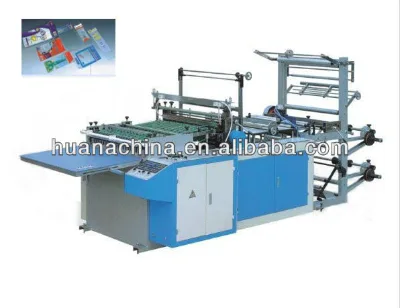


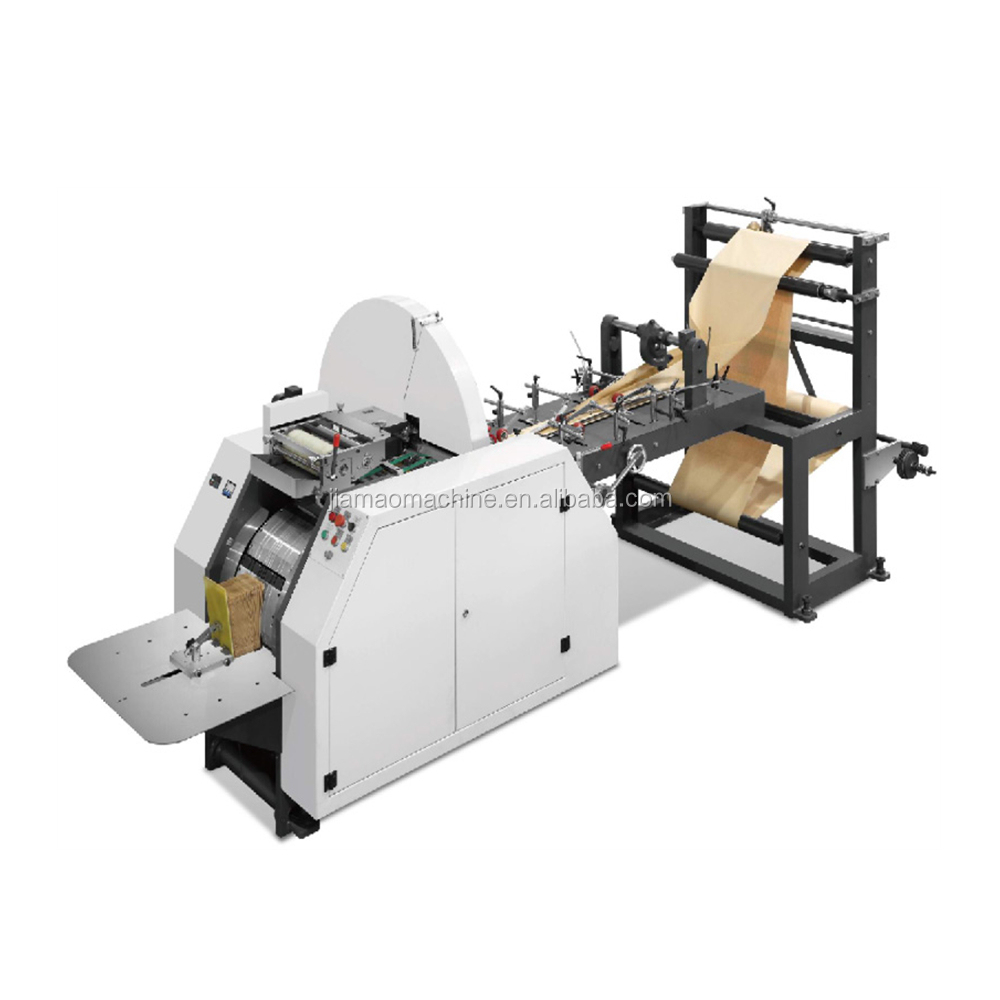


High-Quality Paper Bag Making Machinery High-Quality Machinery for Producing Paper Bags
$55000.00 - $200000.00
MOQ: 1 set


Comprehensive Sourcing Guide
Strategic Sourcing Guide for Paper Folding Bag Making Machines
The global demand for sustainable packaging has elevated the importance of paper folding bag making machines in industrial procurement. Buyers seeking to integrate these systems into their production lines must navigate a complex landscape of technical specifications, operational capabilities, and compliance requirements. This guide provides a structured approach to sourcing these machines, focusing on verified data points and essential due diligence steps to ensure operational efficiency and long-term value.
Technical Specifications and Operational Capabilities
When evaluating paper folding bag making machines, the primary focus must be on the precise mechanical and dimensional parameters that define the machine's output. The core functionality of these units often revolves around the ability to handle specific sheet sizes and manage material flow with high precision. Based on observed market data, the maximum sheet size (X-axis) for many advanced units reaches 680mm, while the minimum sheet size (X-axis) typically starts at 400mm. Similarly, the Z-axis dimensions are critical for determining the depth of the bag or the width of the material being processed, with observed maximums of 460mm and minimums of 300mm.
The physical footprint of the machine is another vital consideration for factory floor planning. Buyers should anticipate a machine width (a) of approximately 1910mm, a depth (B) of 1480mm, and a height (C) of 1940mm. These dimensions indicate a substantial piece of industrial equipment that requires dedicated space and potentially reinforced flooring. The bench height is generally standardized at 850mm, which aligns with ergonomic standards for operator interaction.
Material handling capabilities are equally significant. The maximum paper pile height is observed at 100mm, which dictates the volume of raw material that can be loaded before a refill is necessary. For the output process, the machine must support efficient take-off operations. The maximum take-off paper dimension is recorded at 230230mm, while the minimum is 3030mm. The speed of this operation is a key performance indicator, with observed take-off rates ranging from 15 to 22 units per cycle. Furthermore, the maximum force exerted by the machine during the folding or cutting process is noted at 70, a figure that buyers should correlate with the tensile strength of the paper stock they intend to use.
Printing and Finishing Integration
Many modern paper bag machines are integrated with printing systems to allow for custom branding directly on the packaging. The observed market includes machines classified as Flexographic Printing Presses, which are particularly suited for high-volume, multi-color applications. These units often feature a rotary printing press structure, enabling continuous and efficient printing on moving web material.
The printing capabilities vary, with some systems supporting up to four colors, which is standard for detailed branding. The printing repeat length is a critical specification for pattern alignment, with observed ranges between 175mm and 380mm. For machines that utilize inkjet technology, the system compatibility is often limited to specific operating environments, such as the Vista system. The maximum unwinding diameter for the printing roll is typically 600mm, while the maximum rewinding diameter is 550mm. These constraints influence the size of the raw material rolls that can be fed into the machine, directly impacting production continuity.
The machine's ability to handle different bag types is also a function of its printing and forming integration. Applications range from fruit bags and garment bags to shopping bags, leisure food bags, bread bags, and even airsickness bags. The machine's structure must accommodate the specific folding requirements for each of these bag types, often utilizing automatic glue characteristics to ensure secure sealing without manual intervention.
Compliance, Certification, and Standards Verification
In the B2B procurement of industrial machinery, verifying compliance with international standards is non-negotiable. While specific certification claims should be treated as observations rather than universal guarantees, the presence of CE marking is a common indicator of conformity with European health, safety, and environmental protection standards. Buyers must explicitly request and verify the validity of such certifications for the specific model they are purchasing.
Additionally, the production standards for these machines often reference a range of 750mm to 2800mm, which may relate to the machine's capacity or the dimensions of the output it can achieve. It is crucial to understand that while some background data suggests the existence of ISO9001 or RoHS certifications, these should not be assumed without direct documentation from the supplier. Procurement teams must demand current, valid certificates for the specific batch of equipment to ensure that the machinery meets the regulatory requirements of the destination market.
The origin of the machine also plays a role in compliance. Many units are manufactured in Wenzhou, China, a known hub for packaging machinery. Buyers should be aware that while the origin is documented, the specific compliance status depends on the manufacturer's adherence to the destination country's regulations. The packing method, often described as a "Strong Export Wooden Case" or "Strong Seaworthy Wooden Case," is designed to protect the machine during transit but does not inherently confer certification status.
Cost Drivers and Pricing Structures
The pricing for paper folding bag making machines is highly variable, influenced by the complexity of the printing system, the level of automation, and the specific customization options available. The observed price range in the market spans from $999 to $500,000 USD. This vast disparity reflects the difference between basic bag-forming units and fully automated, computerized systems with advanced printing capabilities.
Several factors drive these costs. First, the level of automation is a primary determinant. Machines described as "Automatic Grade" with computerized controls command a premium over semi-automatic or manual units. Second, the printing configuration significantly impacts price. A machine capable of four-color flexographic printing will cost substantially more than a simple bag-forming unit. Third, customization availability is a key cost driver. While customization is listed as an available attribute, the specific scope of customization—such as unique mold designs or specialized glue application systems—will alter the final price.
Buyers must also consider the Minimum Order Quantity (MOQ). In the observed data, the MOQ is consistently listed as 1, suggesting that single-unit purchases are feasible. However, this does not necessarily mean that the unit price will be the same for a single order as it would be for a bulk purchase. The lead time and shipping costs, particularly for heavy machinery packed in wooden cases, should also be factored into the total cost of ownership.
Typical Applications and Production Flexibility
The versatility of paper folding bag making machines allows them to serve a wide array of industries. The primary applications include the production of shopping bags, which are in high demand due to global bans on single-use plastics. The machines are also capable of producing garment bags, leisure food bags, and bread bags, catering to the retail and food service sectors.
Specific niche applications include the manufacturing of fruit bags and airsickness bags, which require precise folding and sealing to ensure product integrity. The machine's ability to handle different bag widths and bottom widths is essential for this flexibility. For instance, the paper bag width can range from 220mm to 450mm, while the bottom width can vary from 100mm to 250mm. The cutting length is adjustable between 300mm and 800mm, allowing for the production of bags in various sizes to meet specific customer requirements.
The machine's usage extends to label printing in some configurations, although the primary function remains bag manufacturing. The integration of high-speed printing and forming capabilities ensures that the production line can meet the demands of large-scale retail operations. The "High" speed attribute observed in the data suggests that these machines are designed for continuous, high-volume production, minimizing downtime and maximizing output.
Supplier Evaluation and Quality Control
Selecting the right supplier is as critical as selecting the right machine. Buyers should evaluate suppliers based on their ability to provide detailed parameters, including picture and text details that clearly illustrate the machine's operation. The presence of a "Computerized" system and "Automatic Grade" designation should be verified through technical documentation and, if possible, live demonstrations.
Quality control measures must be rigorous. Buyers should inspect the machine's construction, paying attention to the material quality and the precision of the mechanical components. The "Strong Export Wooden Case" packing is a positive indicator of the supplier's attention to shipping safety, but it does not replace the need for a thorough pre-shipment inspection. Buyers should verify the machine's performance against the observed specifications, such as the maximum force of 70 and the take-off rates of 15-22.
It is also essential to verify the supplier's track record in the industry. While specific supplier names should not be recommended, buyers should look for companies with a history of exporting to their region and providing after-sales support. The origin of the machine, often Wenzhou, China, is a common manufacturing hub, but the quality of the final product depends on the specific manufacturer's standards and processes.
Long-Term Procurement and Maintenance Considerations
Investing in a Paper Folding Bag Making Machine is a long-term decision that requires careful consideration of maintenance and operational longevity. The machine's computerized system and automatic grade features imply a need for specialized technical support and regular maintenance to ensure continued performance. Buyers should inquire about the availability of spare parts, particularly for critical components like the printing rollers and glue application systems.
The "Automatic Glue" characteristic suggests that the machine relies on a consistent supply of adhesive, which may require specific storage and handling conditions. Buyers should assess the supplier's support for these consumables and the machine's compatibility with different types of glue. Additionally, the machine's speed and force capabilities mean that wear and tear can occur rapidly if not properly maintained.
Long-term procurement strategies should also include training for operators. The complexity of the computerized system and the precision required for the folding and printing processes necessitate skilled personnel. Buyers should ensure that the supplier provides comprehensive training materials and on-site support to help their team master the machine's operation. Finally, the machine's standard packing and origin should be considered in the context of the buyer's logistics capabilities, ensuring that the heavy and large dimensions of the machine can be handled efficiently upon arrival.
FAQs
What are the maximum sheet size dimensions for this machine?
The maximum sheet size reaches 680mm on the X-axis and 460mm on the Z-axis. These dimensions define the largest material the machine can process, while the minimum sizes start at 400mm and 300mm respectively for smaller production runs.
Can the machine handle multi-color printing directly on bags?
Yes, the system supports multi-color printing with up to four colors using a rotary flexographic press structure. This integration allows for custom branding directly on the packaging material during the bag forming process without needing a separate printing step.
What is the minimum order quantity for purchasing this equipment?
The minimum order quantity is one unit, allowing buyers to purchase a single machine for immediate deployment. This flexibility supports small to medium enterprises that do not require bulk orders to begin their production line operations.
Which certifications are available for these paper bag making machines?
The machines are documented with CE certification, indicating conformity with European safety standards. While other standards like ISO9001 are mentioned in background data, buyers must verify specific certification validity for the exact model and batch before procurement.
How does the machine customize bag dimensions for different applications?
The machine adjusts bag width from 220mm to 450mm and bottom width from 100mm to 250mm. It also supports cutting lengths between 300mm and 800mm, enabling the production of various bag types like shopping, fruit, and garment bags.
What is the physical footprint of the paper folding bag machine?
The machine requires a floor space of 1910mm in width, 1480mm in depth, and 1940mm in height. This substantial footprint necessitates dedicated factory space and potentially reinforced flooring to support the heavy industrial equipment safely.