Source Paper Folding Machine for Food, Beverage, and Commodity Packaging
Find a Paper Folding Machine for Food and Commodity applications with 30 available options. Buyers can compare automatic and semi-automatic models, specifications, and prices from verified Chinese manufacturers.
Key considerations
Products List

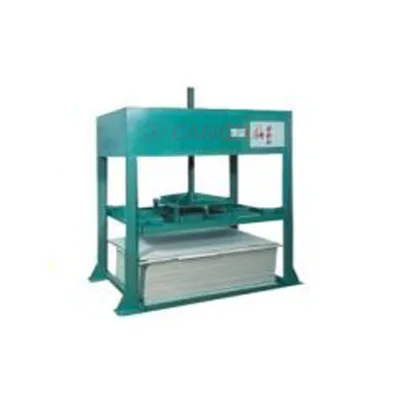


Electric Paper Creasing Machine with Folding Function for Marketing Materials
$9000.00 - $10000.00
MOQ: 1 Pieces


$3800.00 - $8000.00
MOQ: 1 Sets


Automatic Folding Machine for Paper, Specification From China (Ze-8b/2)
$460.00 - $640.00
MOQ: 1 Pieces


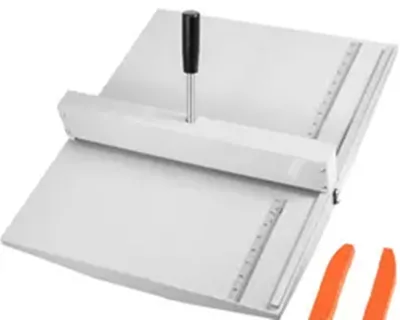


High-Speed Semi-Automatic Paper Folding Machine for Quality Results
$25500.00 - $26500.00
MOQ: 1 Pieces
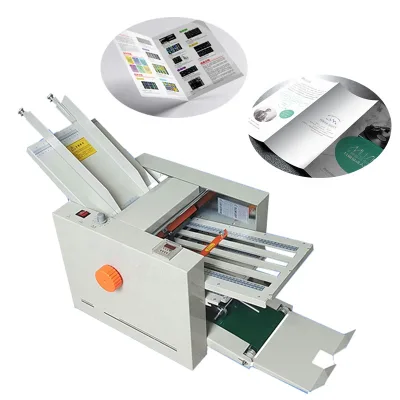


Comprehensive Sourcing Guide
Strategic Sourcing Guide for Paper Folding Machines in Food and Commodity Sectors
Selecting the right paper folding machinery is a critical decision for businesses operating in the food and commodity sectors, where packaging efficiency and material integrity directly impact operational throughput and product presentation. The market offers a diverse array of automated and semi-automated solutions, ranging from specialized units designed for beverage cup production to general-purpose folding machines for flat paper goods. Buyers must navigate a landscape defined by varying automation levels, distinct folding mechanisms, and specific material requirements to ensure the selected equipment aligns with their production volume and quality standards. This guide provides a structured approach to evaluating these machines based on verified technical attributes, compliance frameworks, and procurement logistics.
Technical Specifications and Automation Levels
The foundational step in sourcing a paper folding machine involves a rigorous analysis of technical specifications, particularly the automation grade and the specific folding mechanism employed. In the current market, equipment is broadly categorized into automatic and semi-automatic grades. Automatic machines, often driven by robust gearbox and chain systems, are designed for high-volume continuous feeding operations. These units typically feature a power consumption around 1.5KW, indicating a balance between energy efficiency and processing capability. For facilities requiring high-speed output, the automatic grade is preferred, as it minimizes manual intervention and ensures consistent fold quality.
Conversely, semi-automatic models offer a different operational profile, often utilizing hinge roll mechanisms rather than the folding buckles found in high-speed automatic units. These machines are suitable for operations that require flexibility in handling different paper types or lower production volumes. The classification of the machine is equally important; for instance, fence-type folding machines are distinct from professional folding machines, each serving specific workflow needs. The input method is another critical specification, with continuous feeding being a standard for high-efficiency lines, ensuring a steady stream of material without interruption.
Buyers must also scrutinize the physical dimensions and capacity limits of the machinery. The maximum and minimum sheet sizes are pivotal constraints. Verified data indicates that certain models support a maximum sheet size of 680mm in the X-axis and 460mm in the Z-axis, with minimum dimensions starting at 400mm by 300mm. The maximum paper pile height is another limiting factor, with observed specifications capping this at 100mm, which dictates the batch size before reloading is required. Furthermore, the bench height, typically standardized around 850mm, impacts operator ergonomics and should be considered during the layout planning phase.
| Feature Category | Automatic Grade Specifications | Semi-Automatic Grade Specifications |
|---|---|---|
| Automation Level | Automatic | Semi-Automatic |
| Folding Mechanism | Folding Buckle | Hinge Roll |
| Power Consumption | ~1.5KW | Variable (often lower) |
| Feeding Type | Continuous Feeding | Manual or Semi-Continuous |
| Typical Application | High-volume beverage cups, flat goods | Variable batch sizes, specialized folds |
| Control System | Computerized | Manual or Basic Computerized |
Compliance, Certification, and Safety Standards
In the food and commodity sectors, compliance with international safety and quality standards is non-negotiable. The primary certification observed in the current market for these machines is the CE mark. This certification indicates that the product meets EU safety, health, and environmental protection requirements, which is a baseline expectation for machinery imported from China to Western markets. Buyers should verify that the CE certification is current and applies specifically to the model in question, as certifications can sometimes be generic across a manufacturer's entire range rather than specific to a single machine's configuration.
Beyond the CE mark, the structural integrity and safety features of the machine must be evaluated. The standard dimensions of the machinery, such as 2850x1200x1700mm or 3880x1170x1470mm, provide insight into the footprint required for installation. These dimensions are not merely physical measurements but also reflect the internal safety clearances and operational space needed for the folding mechanism to function without obstruction. Additionally, the classification of the machine as a "folding machine" or "fence-type folding machine" implies specific safety protocols regarding the moving parts, such as the folding buckle or hinge roll.
When evaluating compliance, buyers should also consider the material specifications. The machines are designed to process single or double PE coated paper, which is essential for food-grade applications to ensure moisture resistance and hygiene. The requirement for specific paper types, such as single and double-side PE coated paper, means that the machine's feeding and folding tension must be calibrated to handle these coated surfaces without tearing or misalignment. This compatibility is a critical compliance factor, as using the wrong paper type can lead to mechanical failure or contamination of the product.
Cost Drivers and Financial Considerations
The pricing structure for paper folding machines is influenced by several key factors, including the level of automation, the complexity of the folding mechanism, and the specific model capabilities. The observed price range in the market spans from approximately $62.05 to $65,500, a vast disparity that reflects the difference between entry-level semi-automatic units and high-end fully automated systems. The lower end of the spectrum typically corresponds to basic folding machines with limited sheet size capabilities and manual or semi-automatic controls. In contrast, the higher price points are associated with computerized, automatic machines featuring advanced folding mechanisms, larger sheet capacities, and integrated safety systems.
Minimum Order Quantity (MOQ) is another financial consideration that remains consistent across the observed data, with a standard MOQ of 1 unit. This flexibility allows buyers to procure a single machine for pilot testing or small-scale operations without the burden of bulk purchasing. However, the payment terms are a significant cost driver that must be factored into the procurement budget. The standard payment structure observed involves a 30% deposit followed by a 70% balance before shipping. This arrangement requires buyers to manage their cash flow carefully, ensuring that the initial deposit does not strain working capital while the balance is due prior to the machine leaving the supplier's facility.
The total cost of ownership extends beyond the purchase price. Buyers must account for the packing requirements, which vary from wooden cases to strong packages or cartons, depending on the machine's size and fragility. The origin of the product, typically China, also influences logistics costs, including shipping, insurance, and import duties. While the observed data does not provide specific lead times, the complexity of the machine and the customization options available can impact the production timeline. Buyers should anticipate that customized orders, such as those requiring specific branding or modified folding mechanisms, may incur additional costs and longer lead times compared to standard models.
Typical Applications and Material Compatibility
Paper folding machines serve a diverse range of applications within the food and commodity industries, with the specific use case dictating the required machine specifications. One of the most prominent applications is the production of beverage cups, where the machine processes single or double PE coated paper to create containers for hot or cold drinks. The cup size specification, ranging from 2 to 12 ounces, highlights the versatility of these machines in accommodating various product sizes. The model designation "Mg-Zh Paper Cup with Handle Machine" suggests a specialized unit designed for cups with handles, a common feature in coffee and tea service.
Beyond beverage cups, these machines are extensively used for folding flat paper goods, such as menus, brochures, and packaging inserts. The "Letter Fold" classification indicates a specific folding pattern commonly used for documents and promotional materials. The ability to handle continuous feeding makes these machines ideal for high-volume printing and packaging operations where speed and consistency are paramount. The folding mechanism, whether it is a folding buckle or a hinge roll, determines the precision of the fold, which is critical for maintaining the aesthetic and functional integrity of the final product.
The material compatibility is a crucial aspect of application suitability. The machines are designed to process single or double PE coated paper, which provides the necessary barrier properties for food contact. The requirement for specific paper types ensures that the machine can handle the stiffness and flexibility of coated materials without jamming or damaging the paper. This compatibility extends to the maximum sheet size capabilities, allowing the machine to handle a wide range of paper formats, from small business cards to large packaging sheets. Buyers must ensure that the selected machine can accommodate the specific paper grades and sizes used in their production lines to avoid operational bottlenecks.
Supplier Evaluation and Quality Assurance
Evaluating potential suppliers requires a focus on after-sales support, warranty provisions, and the overall quality of the machinery. A standard warranty period of 1 year is observed in the market, providing buyers with a baseline level of protection against manufacturing defects. However, the scope of the warranty should be clearly defined, covering parts, labor, and any specific components that are prone to wear and tear. The availability of online video support is a key indicator of a supplier's commitment to customer service, allowing for remote troubleshooting and technical assistance without the need for on-site visits.
When assessing the quality of the machine, buyers should examine the construction materials and the precision of the folding mechanism. The use of a gearbox with a chain drive system suggests a robust design capable of withstanding continuous operation. The classification of the machine as "new" and "customized" indicates that the equipment is manufactured to current standards and can be tailored to specific production needs. The packing method, whether it is a wooden case, wooden box, or strong package, is also a proxy for the supplier's attention to detail and their ability to protect the machine during transit.
Buyers should also verify the computerized features of the machine, as these often correlate with higher levels of precision and repeatability. A computerized system allows for programmable folding patterns and adjustments, which are essential for maintaining consistency across large production runs. The classification of the machine as a "professional folding machine" or "fence-type folding machine" further indicates the level of expertise and specialization required for its operation. Suppliers who can provide detailed technical documentation, including operating manuals and maintenance guides, are generally more reliable and better equipped to support long-term operations.
Long-Term Procurement and Operational Sustainability
Sourcing a paper folding machine is not merely a transactional event but a strategic decision that impacts long-term operational efficiency and sustainability. The customization options available, such as the ability to add logo printing or modify the folding mechanism, allow buyers to align the equipment with their brand identity and specific production requirements. However, these customizations must be balanced against the potential for increased complexity and maintenance needs. The requirement for specific paper types, such as single and double-side PE coated paper, also suggests that the machine is designed for a specific niche, and buyers should ensure that their supply chain can consistently provide these materials.
The long-term viability of the machine depends on the availability of spare parts and the supplier's ability to provide ongoing technical support. The 1-year warranty and online video support are positive indicators, but buyers should also inquire about the availability of replacement parts, such as folding buckles, hinge rolls, and gearbox components. The classification of the machine as "automatic" or "semi-automatic" will also influence the frequency of maintenance and the level of operator training required. Automatic machines, with their continuous feeding and computerized controls, may require more specialized training but offer higher throughput and consistency.
Finally, buyers should consider the environmental impact of their procurement decision. The use of PE coated paper and the energy consumption of the machine, typically around 1.5KW, are factors that contribute to the overall carbon footprint of the production process. Selecting a machine that is energy-efficient and capable of handling recyclable or biodegradable paper materials can enhance the sustainability profile of the operation. By carefully evaluating the technical specifications, compliance standards, and supplier capabilities, buyers can make informed decisions that support both immediate production needs and long-term strategic goals.
FAQs
What certification do paper folding machines typically have?
These machines typically carry CE certification, indicating compliance with EU safety standards. This certification is a baseline requirement for machinery imported from China to Western markets, ensuring the equipment meets health and environmental protection regulations.
How is the automation level classified for these machines?
Automation levels are classified as either automatic or semi-automatic. Automatic models feature continuous feeding and folding buckles, while semi-automatic units often use hinge roll mechanisms for lower volume or specialized folding tasks.
Which paper materials are compatible with these folding machines?
The machines are designed to process single or double PE coated paper. This specific material requirement ensures moisture resistance and hygiene, which is essential for food-grade applications like beverage cups and packaging.
Can buyers customize the folding machines for specific needs?
Yes, customization is available for these machines to meet specific production requirements. Buyers can request tailored configurations, though this may impact lead times and costs compared to standard models with fixed specifications.
What is the standard warranty period for these machines?
A standard warranty period of one year is typically provided for these machines. This warranty covers manufacturing defects and often includes online video support for remote troubleshooting and technical assistance.
How are the machines packed for shipping?
Machines are packed in wooden cases, wooden boxes, or strong cartons depending on the model. This packaging ensures protection during transit, with the specific method varying based on the machine's size and fragility.
What are the typical payment terms for these machines?
The standard payment terms require a 30% deposit followed by a 70% balance before shipping. This structure requires buyers to manage cash flow carefully to ensure the balance is ready before the machine leaves the supplier.