Source Embossed Aluminum Alloy Tread Plate for Decorations, Transportation Tools, and Anti-Skid Floor
Find 30 listings for Embossed Aluminum Alloy Tread Plate with various grades like 1000, 3000, and 6000 series. Compare specifications including thickness, surface treatment, and certifications from suppliers in China.
Key considerations
Products List


Embossed Aluminum Pattern Tread Plate Sheet Manufacturer Checkered Aluminum Plate
$3500.00 - $3800.00
MOQ: 1 Tons




Comprehensive Sourcing Guide
Strategic Sourcing Guide for Embossed Aluminum Alloy Tread Plates
Navigating the global market for embossed aluminum alloy tread plates requires a disciplined approach that balances technical performance with supply chain reliability. Buyers in the transportation, construction, and decorative sectors often seek these materials for their slip-resistant properties and aesthetic versatility. The following guide synthesizes observed market data and technical attributes to provide a framework for evaluating potential suppliers and products without relying on unverified claims or specific vendor recommendations.
Technical Specifications and Material Composition
The foundation of a successful procurement strategy lies in understanding the specific alloy grades and processing methods available. The market offers a diverse range of aluminum grades, including the 1000 Series (such as 1050, 1060, 1070, and 1100), the 3000 Series (including 3003 and 3004), and high-strength options like 5000, 6000, and 7000 series alloys (specifically 5052, 5083, 6061, 6082, and 7075). When sourcing, it is critical to verify the exact grade against the intended application, as the mechanical properties vary significantly between pure aluminum grades and alloyed variants.
The temper of the material is another critical specification. Available tempers range from the soft O temper to the hard H112 condition, with specific heat-treated tempers like T3 through T8 also observed in the market. The choice of temper directly influences the material's yield strength, ductility, and formability. For instance, a T-series temper might be required for structural components in transportation tools, whereas an O temper could be more suitable for decorative applications requiring deep forming.
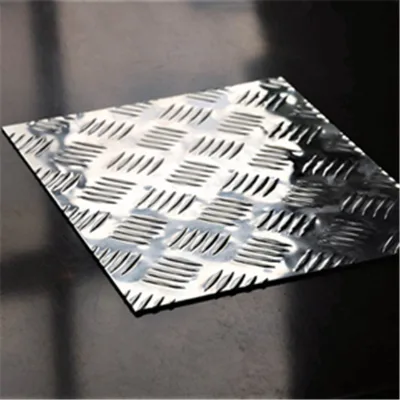
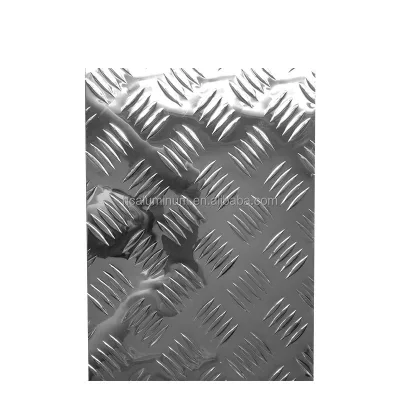
Surface treatment and processing techniques further define the product. The "embossed" characteristic is a primary feature, often realized through cold rolling or hot rolling processes. The resulting surface figures can vary widely, including pointer patterns, diamond shapes, five-stripe configurations, and orange peel textures. These patterns are not merely aesthetic; they provide essential anti-skid functionality. Buyers should confirm that the surface finish aligns with the specific friction requirements of the end-use environment. Additionally, the thickness of the plate is a variable specification, with observed ranges extending from 0.9mm to 6mm, though exact dimensions should always be measured according to specific project requirements rather than assumed standard values.
Compliance, Certification, and Standard Verification
In the B2B aluminum market, compliance is non-negotiable. Buyers must verify that suppliers can provide documentation confirming adherence to recognized international standards. Observed certifications in the sector include ASTM and EN standards, which are frequently cited for material quality and safety. Furthermore, ISO9001 certification is a common indicator of a supplier's commitment to quality management systems. It is important to note that while some listings mention specific standards like "American Standard" or specific aluminum content percentages (e.g., 99.7% for grade 1070), these should be treated as observations of specific product listings rather than universal guarantees for all suppliers.
When evaluating a potential vendor, request proof of certification for the specific batch of materials being purchased. The presence of a certification does not automatically imply that every product in a supplier's catalog meets that standard. Buyers should cross-reference the certification documents with the specific alloy grade and temper ordered. For example, if a project requires 6061 aluminum, the certification must explicitly cover that grade, not just a general aluminum certification. Similarly, standards regarding dimensions, such as widths of 1000mm, 1220mm, 1250mm, or 1500mm, should be verified against the supplier's actual production capabilities to ensure the material fits the intended design specifications.
Cost Drivers and Pricing Dynamics
The pricing of embossed aluminum tread plates is influenced by a complex interplay of factors, including raw material costs, processing complexity, and order volume. The observed price range in the market is broad, spanning from $0.29 to $4,500 per unit, though this variance is likely driven by differences in unit definitions (e.g., per sheet vs. per pallet vs. per kilogram) and the specific alloy grade selected. High-grade alloys like 7075 or specialized tempers will naturally command a higher price point than standard 1000 or 3000 series materials.
Order volume is a significant cost driver. Minimum Order Quantities (MOQs) observed in the market range from 1 unit to 1,000 units, with specific weight-based MOQs also appearing, such as 3,000 kg or 6,000 kg. Larger orders typically benefit from economies of scale, reducing the per-unit cost. However, buyers must be aware that high MOQs may impact cash flow and storage requirements. Additionally, the weight per pallet, often observed at 2,000 kg or 2,500 kg, affects shipping logistics and costs. Buyers should calculate the total landed cost, including freight, insurance, and handling fees, rather than focusing solely on the base product price.
Typical Applications and Performance Requirements
Embossed aluminum tread plates are versatile materials utilized across several key industries. The most prominent applications include transportation tools, where the anti-skid properties are vital for safety on vehicle floors, ramps, and truck beds. In the construction sector, these plates are frequently used for glass walls, doors, and windows, as well as for anti-skid flooring in industrial and commercial settings. The decorative aspect of the embossed patterns also makes them suitable for architectural embellishments and interior design elements.
When selecting a plate for a specific application, the buyer must consider the environmental conditions. For transportation tools, the material must withstand vibration, impact, and varying weather conditions. For decorative uses, the aesthetic consistency of the embossed pattern and the surface finish (such as mill finish or specific color treatments) become paramount. The "orange peel" or "diamond" patterns may be preferred for heavy-duty industrial floors, while "pointer" or "five-stripe" patterns might be chosen for lighter commercial applications. Understanding the specific performance requirements of the end-use case ensures that the selected alloy and temper provide the necessary durability and safety features.
Supplier Evaluation and Geographic Considerations
Evaluating suppliers requires a thorough assessment of their operational capabilities and geographic location. The primary production hubs for these materials are located in China, with specific origins noted in Henan Province and Pingyin County, Jinan City, Shandong Province. While these locations indicate established manufacturing clusters, buyers should not assume that all suppliers in these regions have identical capabilities. It is essential to verify the supplier's production capacity, specifically their ability to handle the required processing services such as cutting and cold or hot rolling.
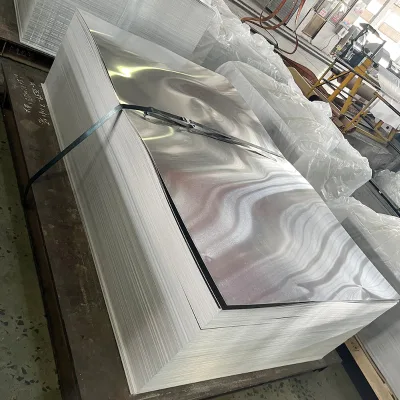
Logistics and lead times are critical components of supplier evaluation. Observed delivery times range from 8 to 10 days for production, with shipment times typically occurring within 15 to 20 workdays after receiving a deposit. However, these figures are subject to change based on order complexity and raw material availability. Buyers should also verify the port of loading, with Qingdao Port being a common departure point. The packaging method is another indicator of supplier professionalism; options include export standard packing with brown paper, non-fumigation pallets, or seaworthy wooden pallets. Ensuring that the packaging meets international shipping standards is crucial to prevent damage during transit.
Quality Control and Long-Term Procurement Strategy
Implementing a robust quality control (QC) protocol is essential for mitigating risks in aluminum procurement. Buyers should establish clear acceptance criteria based on the observed specifications, such as thickness tolerances, surface finish consistency, and alloy composition. Regular third-party inspections or on-site audits can help verify that the supplier's output matches the agreed-upon standards. Given the variation in observed certifications and standards, a buyer should not rely on a single certification but rather demand batch-specific test reports.
For long-term procurement, building a strategic relationship with a reliable supplier is more beneficial than transactional purchasing. This involves negotiating flexible terms for repeat orders, securing consistent lead times, and establishing clear communication channels for addressing quality issues. Buyers should also consider the sustainability of the supply chain, including the use of non-fumigation pallets and export-standard packaging, which can reduce environmental impact and simplify customs clearance. By focusing on technical alignment, verified compliance, and logistical reliability, buyers can secure a steady supply of high-quality embossed aluminum alloy tread plates that meet their operational needs.
Comparative Analysis of Product Attributes
To facilitate decision-making, the following table summarizes key attributes observed in the market for embossed aluminum alloy tread plates. This comparison highlights the variability in specifications that buyers must navigate.
| Attribute Category | Observed Variations | Key Verification Points |
|---|---|---|
| Alloy Grade | 1000, 3000, 5000, 6000, 7000 Series (e.g., 1050, 3003, 6061, 7075) | Confirm grade matches structural requirements. |
| Temper | O - H112, T3 - T8 | Verify temper for required strength and formability. |
| Surface Pattern | Pointer, Diamond, Five Stripes, Orange Peel | Ensure pattern meets anti-skid and aesthetic needs. |
| Thickness | 0.9mm ~ 6mm | Check tolerance against project specifications. |
| Certification | ASTM, EN, ISO9001 | Request batch-specific certification documents. |
| MOQ | 1 unit to 1,000 units; 3,000kg to 6,000kg | Assess impact on inventory and cash flow. |
| Origin | China (Henan, Shandong) | Verify logistics and port of loading capabilities. |
| Packaging | Brown Paper, Seaworthy Wooden Pallets, Non-Fumigation | Confirm packaging prevents damage during transit. |
By systematically evaluating these attributes against project requirements, buyers can make informed decisions that minimize risk and maximize value in the procurement of embossed aluminum alloy tread plates.
FAQs
What alloy grades are available for embossed aluminum alloy tread plates?
Available alloy grades include the 1000, 3000, 5000, 6000, and 7000 series, such as 1050, 3003, 6061, and 7075. Buyers must verify the specific grade against structural requirements since mechanical properties vary significantly between pure aluminum and alloyed variants.
Which certifications should I look for in embossed aluminum alloy tread plates?
Common certifications include ASTM, EN, and ISO9001 standards. Buyers should request batch-specific certification documents to ensure the specific alloy grade and temper ordered meet the required quality and safety standards rather than relying on general supplier claims.
How does the temper affect the performance of embossed aluminum alloy tread plates?
Temper ranges from soft O to hard H112, with heat-treated options like T3 through T8 also available. The choice of temper directly influences yield strength and ductility, so T-series tempers are often needed for transportation tools while O temper suits decorative forming.
What surface patterns are available for embossed aluminum alloy tread plates?
Surface figures include pointer, diamond shape, five stripes, and orange peel textures. These patterns provide essential anti-skid functionality, so buyers should confirm the specific pattern aligns with the friction requirements of the intended end-use environment.
Can I customize the dimensions of embossed aluminum alloy tread plates?
Yes, customization is available, and specifications can be measured according to specific project requirements. Buyers should note that while standard widths like 1000mm or 1220mm exist, exact dimensions must be verified against the supplier's actual production capabilities.
What are the typical minimum order quantities for embossed aluminum alloy tread plates?
Minimum order quantities range from 1 unit to 1,000 units, with some weight-based MOQs observed at 3,000 kg or 6,000 kg. Larger orders typically benefit from economies of scale, but buyers must assess the impact on inventory and cash flow.
Where are embossed aluminum alloy tread plates typically manufactured?
Primary production hubs are located in China, specifically in Henan Province and Pingyin County, Jinan City, Shandong Province. Buyers should verify the supplier's production capacity and logistics capabilities at these established manufacturing clusters before committing to an order.
How long does it take to receive embossed aluminum alloy tread plates?
Production delivery times range from 8 to 10 days, with shipment occurring within 15 to 20 workdays after receiving a deposit. These figures are subject to change based on order complexity and raw material availability, so lead times should be confirmed per order.