Find Patio Table options for Park Restaurant and Cafe
Source 30 verified Patio Table listings from Chinese manufacturers. Buyers can compare models like T6002 and XJN107 across materials including plastic and metal, with prices ranging from 0.1 to 850 USD and MOQs from 1 to 1000 units for outdoor and indoor use.
Key considerations
Products List


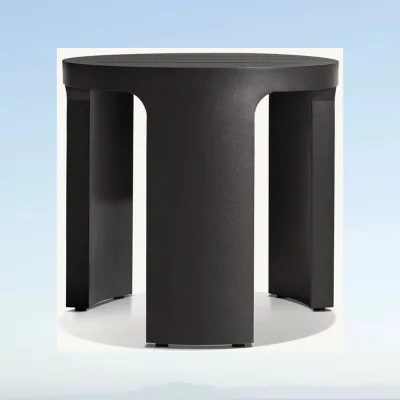


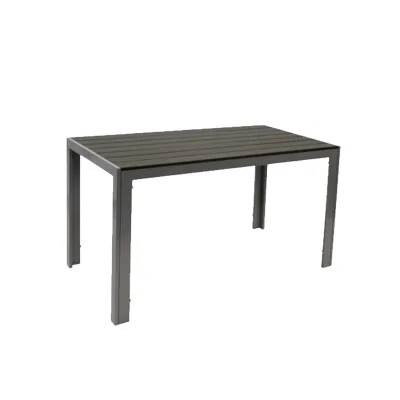


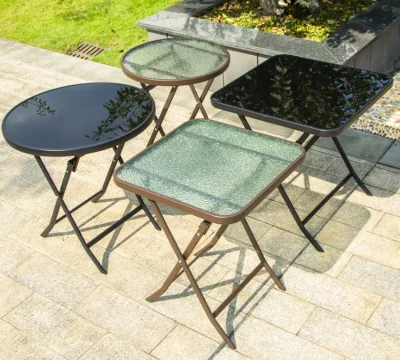


$14.00 - $17.00
MOQ: 200 Pieces

$14.00 - $17.00
MOQ: 200 Pieces
Comprehensive Sourcing Guide
Strategic Sourcing Guide for Patio Table Procurement
Understanding Product Attributes and Design Variations
When initiating a procurement strategy for patio tables, buyers must first navigate the diverse landscape of product attributes that define the final utility and aesthetic of the furniture. The market offers a spectrum of designs ranging from modern to simple styles, each catering to distinct environmental contexts. Observed product data indicates that patio tables are frequently categorized under specific usage scenarios, including parks, restaurants, and cafes, as well as general outdoor applications. This suggests that the sourcing strategy must align the table's design with its intended operational environment.
A critical observation in the current market is the variation in structural configurations. While some units are designed to be unfolded and remain permanent fixtures, others offer disassembly capabilities, which significantly impacts logistics and storage. For instance, specific models are noted as having a "Disassembly" feature, allowing for compact shipping, whereas others are explicitly marked as "Unfolded" or "No" regarding folding, implying a rigid, permanent structure. The shape of the table is another primary differentiator, with hexagonal and rectangular forms being the most prevalent in the observed data. These geometric choices are not merely aesthetic; they influence seating capacity and spatial efficiency, particularly in settings like small spaces, living rooms, or home offices where the furniture might serve dual indoor-outdoor purposes.
The material composition is equally vital for durability and maintenance. The supply chain presents options utilizing plastic, metal, and wood. Specific entries highlight a combination of metal frames with wood top material types, offering a balance of structural integrity and natural aesthetics. Conversely, other models are constructed entirely from plastic or aluminum. The choice of material directly correlates with the "Product Care Instructions," which often specify wiping with a dry or wet towel. This low-maintenance requirement is a standard expectation for outdoor furniture intended for high-traffic areas like gardens or commercial dining spaces. Buyers should verify that the selected material aligns with the local climate conditions to prevent premature degradation.
Technical Specifications and Dimensional Standards
Technical specifications form the backbone of any successful procurement contract, ensuring that the delivered goods meet the precise physical requirements of the project. In the context of patio tables, dimensions are not merely descriptive but are functional constraints. The observed data reveals a wide range of standard sizes, from compact units measuring approximately 18 centimeters in depth to larger configurations reaching 55 centimeters in height. Specific models are defined by precise metrics, such as a diameter of 46 centimeters and a height of 43 centimeters, or dimensions listed as 16.14 inches by 20.08 inches by 17.72 inches.
Weight capacity is another critical technical parameter. For commercial applications, the maximum weight rating is a non-negotiable safety metric. Data indicates that certain models support a maximum weight of 100 pounds, which is a standard benchmark for residential and light commercial use. However, for heavy-duty applications in restaurants or parks, buyers must verify if the structural frame, often made of metal or aluminum, can sustain higher loads without compromising stability. The item weight of individual units, observed at 2.2 kilograms for certain models, also plays a role in shipping cost calculations and handling logistics.
The manufacturing process and surface treatment are integral to the technical profile. Some products utilize a casting process, which is common for metal components requiring high strength and complex geometries. The surface finish is often customizable, allowing buyers to specify colors such as grey, black, or rustic brown to match existing architectural themes. This customization extends to the packing specifications, where products may arrive in cartons or color boxes, depending on the brand and target market. Buyers must ensure that the specified dimensions and weight limits are explicitly stated in the purchase order to avoid discrepancies during the inspection phase.
Compliance, Certification, and Material Verification
While the provided data does not list specific third-party certifications, the procurement of patio tables requires a rigorous approach to compliance and material verification. The origin of the products is predominantly China, with specific regions like Guangdong and Hangzhou noted as places of origin. This geographic concentration implies a mature supply chain, but it also necessitates strict quality control to ensure that materials meet international safety and environmental standards.
Buyers should verify the material composition claims against independent test results. For instance, if a table is marketed as having a metal frame, the specific alloy, such as aluminum, must be confirmed to ensure corrosion resistance, especially for outdoor use. Similarly, the wood top material type must be verified for treatment against rot and insects. The "Product Care Instructions" suggest that the materials are designed for easy cleaning, but this does not preclude the need for chemical resistance testing if the furniture is exposed to harsh cleaning agents or extreme weather.
Regarding standards, while specific numerical standards like "16.14"D x 20.08"W x 17.72"H" are observed as product dimensions rather than regulatory standards, buyers must ensure that the final product complies with local building codes and safety regulations regarding furniture stability and load-bearing capacity. In the absence of explicit certification data in the source material, the procurement strategy must include a requirement for the supplier to provide proof of compliance with relevant industry standards, such as those for structural integrity and material safety. This is particularly important for products intended for public spaces like parks and restaurants, where liability risks are higher.
Cost Drivers and Pricing Dynamics
The pricing of patio tables is influenced by a complex interplay of factors, including material costs, manufacturing complexity, and customization levels. The observed price range in the market spans from $0.1 to $850, a vast disparity that reflects the diversity of product types from basic plastic units to high-end custom furniture. This range indicates that cost is not solely a function of size but is heavily driven by the quality of materials and the level of finish.
Customization is a significant cost driver. Products listed with "Customized" attributes, such as specific colors, surface finishes, or dimensions, typically command a higher price point than standard off-the-shelf items. The "Customization: Available" attribute suggests that buyers can tailor products to their specific needs, but this flexibility often comes with a premium. Additionally, the packing method, whether in a standard carton or a branded color box, can affect the final cost, as premium packaging adds value for retail or high-end commercial clients.
The Minimum Order Quantity (MOQ) is another critical factor in cost management. The observed MOQ range of 1 to 1000 units allows for flexibility, enabling buyers to start with small test orders or scale up to bulk purchases. However, higher volumes generally result in a lower unit cost due to economies of scale. Buyers must balance the upfront investment against the long-term value, considering that lower-priced items may require more frequent replacement due to lower durability. The "Selling Units" being listed as "Single item" for some products suggests that the market supports both individual and bulk purchasing, but the unit price will likely vary significantly based on the order volume.
Supplier Evaluation and Quality Assurance
Evaluating suppliers for Patio Table procurement requires a focus on their ability to deliver consistent quality and adhere to technical specifications. The presence of specific model numbers, such as T6002, T5052, and XJN107, indicates that suppliers maintain a structured product catalog, which is a positive sign of organizational maturity. However, the existence of multiple models with similar attributes, such as different dimensions or materials, requires buyers to be vigilant in matching the correct product to their specific requirements.
Quality assurance should be a central component of the supplier evaluation process. Buyers must verify that the supplier has robust processes in place for inspecting materials, such as the metal and wood components, before assembly. The "Included Components" like assembly guides and installation tools suggest that the supplier provides support for the end-user, which is a marker of a reliable manufacturer. However, the presence of these components does not guarantee the quality of the final assembly, and independent quality checks are essential.
When evaluating suppliers, buyers should also consider the "Place of Origin" details. While many products originate from China, specific locations like Zhajiang, Hangzhou, or Guangdong may have different reputations for quality and reliability. Buyers should request references or case studies from suppliers operating in these regions to gauge their track record. Additionally, the "Brand Name" associated with the products, such as sanouwin or Hzhiger, can provide insights into the supplier's market positioning and commitment to quality. A strong brand presence often correlates with higher standards of production and customer service.
Long-Term Procurement and Application Strategy
The long-term success of a Patio Table procurement strategy depends on aligning the product with its intended application and ensuring durability over time. The "General Use" category of "Outdoor Furniture" and "Specific Use" of "Garden Set" highlight the primary applications for these products. However, the versatility of some models, which are also suitable for "Small Spaces, Living Room, Bedroom, Home Office," suggests that buyers should consider the multi-functional potential of the furniture. This versatility can maximize the return on investment by allowing the same product to be used in various settings.
Maintenance and care are critical for long-term performance. The "Product Care Instructions" emphasizing wiping with a dry or wet towel indicate that the furniture is designed for low maintenance, but buyers must ensure that the cleaning protocols are followed to prevent damage. The "Condition" of the products being "New" is a standard expectation, but buyers should verify that the products are not subject to hidden defects or previous use that could compromise their lifespan.
Finally, the procurement strategy should account for the "Folded" and "Disassembly" attributes. For buyers with limited storage space or those who need to transport furniture frequently, models that can be disassembled or folded are essential. Conversely, for permanent installations in parks or restaurants, rigid, non-folding models may offer greater stability and longevity. By carefully analyzing these attributes and aligning them with the specific needs of the project, buyers can ensure a successful and sustainable procurement outcome.
| Attribute Category | Key Observations | Procurement Implication |
|---|---|---|
| Material | Plastic, Metal (Aluminum), Wood | Verify corrosion resistance and structural integrity for outdoor use. |
| Dimensions | 18D x 42.4W x 55H cm to 46cm diam. | Match dimensions to space constraints and seating capacity needs. |
| Customization | Available (Color, Surface, Size) | Budget for premium pricing on tailored specifications. |
| Usage | Park, Restaurant, Garden, Home Office | Select models based on traffic volume and environmental exposure. |
| Packing | Carton, Color Box | Assess packaging for damage protection and retail presentation. |
| Origin | China (Guangdong, Hangzhou) | Verify supplier location for logistics planning and quality standards. |
FAQs
What customization options are available for patio tables?
Customization is available for patio tables, allowing buyers to specify dimensions and surface finishes. Products can be tailored to specific styles like modern or simple, with options for colors such as grey or black to match architectural themes.
Which materials are commonly used for Patio Table frames?
Frames are commonly constructed from metal or aluminum to ensure structural integrity. Some models combine metal frames with wood top material types, offering a balance of durability and natural aesthetics suitable for outdoor environments.
Can patio tables be disassembled for easier shipping?
Yes, certain Patio Table models feature a disassembly capability to facilitate compact shipping and storage. This design choice impacts logistics significantly, allowing for efficient transport compared to rigid, non-folding units intended for permanent installation.
What is the maximum weight capacity for these tables?
Some models support a maximum weight of 100 pounds, serving as a standard benchmark for residential and light commercial use. Buyers must verify structural frames to ensure they can sustain higher loads for heavy-duty applications in parks or restaurants.
How should patio tables be cleaned and maintained?
Maintenance requires wiping the surface with a dry or wet towel, as specified in product care instructions. This low-maintenance requirement is standard for outdoor furniture intended for high-traffic areas, ensuring easy cleaning without harsh chemicals.
Where are these patio tables typically manufactured?
Products predominantly originate from China, with specific regions like Guangdong and Hangzhou noted as places of origin. This geographic concentration implies a mature supply chain, though buyers should verify quality control to ensure materials meet safety standards.