Source Patterned Corrugated Glass Cups for Offices, Cafes, and Events
Explore 30 listings of Patterned Corrugated Glass Cups suitable for office use, cafe service, and event catering. Buyers can compare cylindrical and square shapes, single or double wall designs, and customization options like logos and colors.
Key considerations
Products List




Comprehensive Sourcing Guide
Strategic Sourcing Guide for Patterned Corrugated Glass Cups
The global market for specialized glassware continues to evolve, with a distinct segment emerging around patterned and textured drinking vessels. While the specific term "corrugated" often implies a ribbed, paper-like texture, in the context of glass manufacturing, it frequently refers to cups with distinct surface patterns, embossed designs, or structural ridges that create a visual and tactile effect. Buyers seeking Patterned Corrugated Glass Cups must navigate a landscape defined by diverse manufacturing techniques, varying glass compositions, and specific customization requirements. This guide provides a disciplined framework for sourcing these products, relying on verified product attributes and industry standards to ensure procurement success without relying on unverified market claims.
Understanding Product Attributes and Technical Specifications
The foundation of a successful sourcing strategy lies in a precise understanding of the product's physical and technical attributes. Based on observed market data, the category of glass cups encompasses a wide range of specifications that directly impact functionality and aesthetic appeal. A primary distinction in this sector is the glass type. Buyers will encounter products described as Patterned Glass as well as Clear Glass, depending on the desired visual outcome. The manufacturing process plays a critical role here; some products utilize Screen Printing for surface decoration, while others rely on Hand Blown or Mouth Blown techniques to create unique textures and shapes.
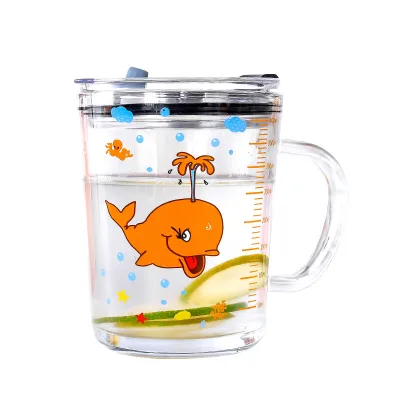
Shape and structure are equally critical variables. The market offers both Cylindrical Shape and Irregular Shape options, with some designs featuring Simple styles and others leaning towards Creative aesthetics. For instance, specific product models in this category, such as those designated by codes like zzx145 or ZZX105, may feature dimensions like 121212cm or 121215cm, indicating that size is a customizable parameter rather than a fixed standard. Furthermore, the presence of accessories such as Handles or Lids (specifically plastic lids for square cups) significantly alters the product's utility. The Single Wall and Double Wall distinctions are vital for thermal performance, with some products explicitly noted as Applicable for Boiling Water, a crucial specification for coffee and tea applications.
Compliance, Certification, and Safety Standards
When sourcing glassware for commercial or retail distribution, verifying compliance with international safety standards is non-negotiable. The supply chain for glass products often involves rigorous testing to ensure the material is safe for food and beverage contact. High-confidence data indicates that reputable suppliers in this sector frequently provide certifications such as FDA, CE / EU, CIQ, LFGB, and EEC. These certifications confirm that the glass composition and any decorative elements, such as Customized Logo applications or Colored finishes, meet strict regulatory requirements for health and safety.
Buyers must be vigilant in distinguishing between high-confidence certifications and lower-confidence background standards. While standards like RoHS, ISO 9001, ISO 14001, and BSCI are often cited in general industry discussions, they should not be assumed as present in every listing without explicit verification. The procurement process should mandate that suppliers provide current, valid certificates for the specific product models being ordered. For products intended for export to the European Union or North America, the presence of FDA and CE marks is particularly critical. Additionally, the Material composition, often identified as Borosilicate Glass in high-performance listings, offers superior thermal shock resistance compared to standard soda-lime glass, making it a preferred choice for products designed to handle hot liquids.
Cost Drivers and Pricing Dynamics
The pricing structure for patterned glass cups is influenced by a complex interplay of factors, including material quality, manufacturing complexity, and order volume. The observed price range in the market spans from 0.1 to 10 USD, a wide variance that reflects differences in product sophistication and order size. Several key drivers contribute to these fluctuations. First, the Craft method is a primary cost determinant; Hand Blown or Handmade items typically command a higher price point due to the labor intensity and skill required compared to mass-produced items using Screen Printing or automated molding.
Second, the level of Customization significantly impacts cost. Products offering Customized Logo acceptance, OEM (Original Equipment Manufacturer), and ODM (Original Design Manufacturer) services often carry a premium. The ability to produce Customized Color or specific Fancy designs, such as those with Sequins and Bubbles or Leaves Fillings, adds layers of complexity to the production line. Furthermore, the MOQ (Minimum Order Quantity) ranges from 10 to 100000 units. Buyers purchasing at the lower end of the MOQ spectrum may face higher per-unit costs, while those committing to larger volumes can leverage economies of scale. The Packing requirements also play a role; options ranging from standard Carton Box to Custom Packing Acceptable or Export Carton Box with individual Bubble Bag/Box protection will influence the final landed cost.
Typical Applications and Usage Scenarios
Patterned and textured glass cups serve a diverse array of applications, driven by their aesthetic versatility and functional durability. The primary usage category identified in the market is the Glass Office Cup, suitable for professional environments where a balance of style and utility is required. However, the Product Name variations, such as Glass Coffee Cup, Square Glass Cup with Plastic Lid, and Clear Glass Coffee Mug, indicate a strong presence in the hospitality and food service sectors. These products are often categorized under Coffee & Tea Sets, suggesting their suitability for serving hot beverages.
The Volume capacity is another critical factor in determining application. The market offers a broad spectrum of sizes, including 300ml, 500ml, 700ml, 1000ml, and larger options like 25oz, 30oz, 40oz. This range allows buyers to source cups for specific use cases, from small espresso servings to large latte or iced beverage containers. The Type of glass, whether Single Wall or Double Wall, dictates the thermal experience for the user. Double-wall designs are particularly advantageous for hot drinks, providing insulation and preventing heat transfer to the hand. Additionally, the Age suitability is noted as All Ages, making these products appropriate for a wide demographic, from children to adults, provided the design and size are appropriate for the intended user.
Supplier Evaluation and Verification Protocols
Evaluating suppliers for patterned glass cups requires a methodical approach to ensure reliability and product consistency. Buyers should prioritize suppliers who demonstrate transparency regarding their Product Origin, with Hebei, China being a noted production hub for this category. The presence of specific product models, such as JSWG-F0104 or zzx, serves as a reference point for verifying the supplier's catalog depth and consistency.
When assessing a potential partner, buyers must verify the supplier's capability for Customization. The market data confirms that Customization is generally Available, with many suppliers accepting Customized Logo requests and offering OEM services. However, the extent of this customization varies. Some suppliers may offer Simple styles, while others specialize in Creative designs with complex features like Leaves Fillings or Sequins. It is essential to request samples that match the exact specifications of the intended order, including the Glass Type (e.g., Patterned vs. Clear) and Craft method (e.g., Hand Blown vs. Screen Printing).
Furthermore, the Packing capabilities of the supplier are a key indicator of their professionalism. High-quality suppliers often provide detailed packing specifications, such as Export Carton Box with individual Bubble Bag/Box protection, ensuring that fragile glass items arrive undamaged. Buyers should also inquire about the supplier's experience with Design services, specifically OEM and ODM Services, to ensure they can bring unique product concepts to life.
Quality Control and Long-Term Procurement Considerations
Maintaining consistent quality in glassware procurement requires a robust quality control (QC) framework. Given the fragile nature of glass, inspection protocols must address both structural integrity and aesthetic consistency. Buyers should verify that the Standard dimensions, such as 121212cm or 151520cm, are strictly adhered to during production. Deviations in size can affect packaging efficiency and product presentation. Additionally, the Feature of the product, such as being Sustainable or having specific visual elements like Bubbles, must be consistent across the entire batch.
Long-term procurement considerations involve establishing a reliable supply chain that can scale with demand. The wide MOQ range suggests flexibility, but buyers should negotiate terms that allow for incremental ordering without compromising unit costs. The Lead Time, while not explicitly defined in the provided data, is a critical factor that should be clarified during negotiations, especially for customized orders involving Customized Color or complex Craft methods.
To mitigate risks, buyers should implement a multi-stage QC process. This includes pre-production sample approval, in-process inspections to monitor the Technics (e.g., Screen Printing registration or Hand Blown consistency), and final random sampling before shipment. The Certification status should be re-verified for each production run to ensure ongoing compliance with FDA, CE, and other relevant standards. By focusing on these detailed aspects, buyers can secure a steady supply of high-quality patterned glass cups that meet both functional and aesthetic requirements.
Comparative Analysis of Product Variants
To assist buyers in making informed decisions, the following table compares key attributes of common product variants found in the market. This comparison highlights the differences in shape, material, and features that influence sourcing choices.
| Attribute | Variant A: Patterned Glass Cup | Variant B: Clear Glass Mug | Variant C: Decorated Square Cup |
|---|---|---|---|
| Glass Type | Patterned Glass | Clear Glass | Clear Glass |
| Shape | Cylindrical Shape | Cylindrical Shape | Irregular Shape / Square |
| Craft | Hand Blown | Hand Blown | Screen Printing |
| Style | Simple | Simple | Creative |
| Accessories | with Handle | with Handle | with Cover (Plastic Lid) |
| Wall Type | Single Wall | Double Wall | Single Wall |
| Customization | Customized Logo Acceptable | OEM Welcomed | Customized Color |
| Dimensions | 121212cm | 121215cm | 151520cm |
| Usage | Glass Office Cup | Coffee & Tea Sets | Coffee & Tea Sets |
This table illustrates that while all variants serve the general purpose of drinking vessels, their specific attributes dictate their suitability for different applications. For instance, the Double Wall variant is better suited for hot beverages requiring insulation, while the Patterned Glass option may be preferred for aesthetic branding in office settings. Buyers must align these technical specifications with their specific market needs to ensure product success.
Conclusion
Sourcing Patterned Corrugated Glass Cups requires a nuanced understanding of the interplay between design, material science, and supply chain logistics. By focusing on verified attributes such as Glass Type, Craft methods, and Certification status, buyers can navigate the market with confidence. The diversity of options, from Hand Blown cylindrical cups to Screen Printed square mugs, offers significant flexibility for meeting varied consumer demands. However, success depends on rigorous supplier evaluation, clear communication of customization requirements, and a steadfast commitment to quality control. As the market continues to expand, maintaining a disciplined approach to procurement will ensure the delivery of high-quality, compliant, and aesthetically pleasing glassware that meets the evolving needs of the global market.
FAQs
Can I get a customized logo on Patterned Corrugated Glass Cups?
Yes, customized logo acceptance is available for these glass cups. Suppliers typically offer OEM services to apply specific branding designs on the patterned or clear glass surfaces according to buyer requirements.
What certifications do patterned glass cups usually have?
High-confidence facts indicate certifications such as FDA, CE EU, CIQ, LFGB, and EEC are common for these products. These standards ensure the borosilicate or patterned glass is safe for food and beverage contact.
Which glass types are available for patterned drinking vessels?
Buyers can choose between Patterned Glass and Clear Glass options for these cups. Some products also feature special designs with leaves fillings or sequins and bubbles to enhance the visual appeal.
How much is the minimum order quantity for these cups?
The minimum order quantity ranges from 10 to 100000 units depending on the supplier and customization level. Lower MOQs may result in higher per-unit costs compared to bulk orders.
What is the price range for Patterned Corrugated Glass Cups?
The observed price range in the market spans from 0.1 to 10 USD per unit. This variance depends on factors like hand-blown craftsmanship, screen printing, and specific customization requests.
Can these cups handle boiling water safely?
Yes, specific models are applicable for boiling water usage. This capability is often linked to the use of borosilicate glass material which offers superior thermal shock resistance.