Source Patina Hand Forged Facade Canopy for Entryways
Compare 30 listings for Patina Hand Forged Facade Canopy options tailored for outdoor entrances, building covers, and roof structures. These aluminum alloy units offer weather resistance, insulation, and customizable designs based on approved project drawings; compare the available evidence and request quotations based on your requirements.
Key considerations
Products List


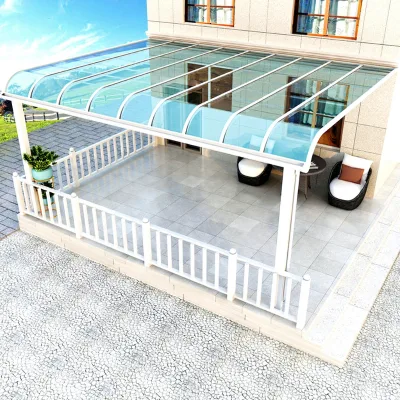
Modern Aluminum Patio Canopy for Backyard Dining with Transparent Roofing
$35.00 - $58.00
MOQ: 3 Square Meters

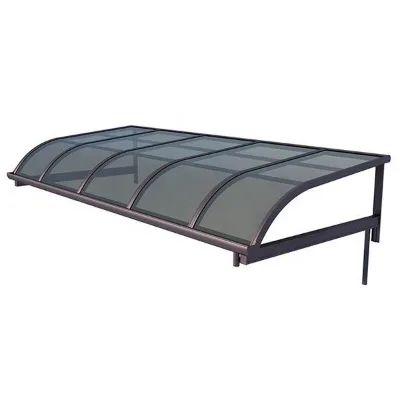
Architectural Aluminum Canopy for Garden Corridors with Powder Coated Frame
$35.00 - $65.00
MOQ: 3 Square Meters


Wall Mounted Aluminum Canopy for Backyard Patios with Hollow Roof Panels
$35.00 - $58.00
MOQ: 3 Square Meters

Aluminum Patio Canopy for Outdoor Seating with Custom Roof Panels
$35.00 - $58.00
MOQ: 3 Square Meters


Aluminum Canopy Aluminum Canopy Patio Garden Aluminum Roof Awning Canopy
$450.00 - $3000.00
MOQ: 100 set



Comprehensive Sourcing Guide
Patina Hand Forged Facade Canopy Sourcing Guide
Procuring a Patina Hand Forged Facade Canopy requires a nuanced understanding of both aesthetic intent and structural integrity, as these elements serve as critical architectural features for building entrances and outdoor covers. Buyers must recognize that the term "patina" often refers to a specific surface treatment or finish applied to metal frames, typically aluminum alloy, which provides both visual character and enhanced corrosion resistance. The sourcing process begins with defining the intended application, whether it is for a public carport, an outdoor entrance, or a specialized roof cover, as each use case imposes different load-bearing and weather resistance requirements.
The observed market signals indicate a strong emphasis on customization, with suppliers offering made-to-order solutions based on approved project drawings. This suggests that off-the-shelf inventory is rarely suitable for high-end architectural projects, and buyers should expect a design phase before production begins. The availability of various styles, such as sloped roofs or specific carport configurations like single, double, or M-shape structures, allows for tailored solutions that align with the building’s facade. However, this customization also introduces complexity in verifying that the final product matches the initial design specifications and performance expectations.
Product Scope and Observed Listing Signals
The product scope for facade canopies and related structures encompasses a wide range of configurations, from simple entrance covers to complex carport systems. Listings frequently highlight features such as weather resistance, waterproofing, and insulation, which are essential for protecting building entrances from environmental elements. The material composition is predominantly aluminum alloy, chosen for its durability, recyclability, and ability to be finished with a patina-like appearance. Buyers should note that while the core material is consistent, the surface treatment and design elements, such as the hand-forged aesthetic, are highly variable and often customized to meet specific architectural visions.
Observed listing signals reveal a significant focus on project-specific configurations, with models ranging from NY-AC-1622 to NY-AC-004, indicating a diverse portfolio of structural designs. The presence of multiple GSM specifications for tent materials suggests that some suppliers offer integrated fabric components alongside the metal frames, providing additional waterproofing and insulation. These listings also emphasize easy maintenance and smooth surfaces that resist dirt accumulation, which are practical benefits for long-term upkeep. Buyers must carefully distinguish between the structural frame specifications and any associated fabric or covering materials to ensure all components meet the project’s durability and aesthetic standards.
Technical Specifications to Verify
Technical verification must begin with the frame material and surface treatment, ensuring that the aluminum alloy meets the required hardness and durability standards for the intended environment. Buyers should confirm whether the "hand forged" aspect is a genuine manufacturing process or a stylistic finish applied to extruded profiles, as this impacts both cost and structural performance. The standard dimensions observed, such as 10009003000 or customized sizes like 3X3m to 3X5m, provide a baseline, but project-specific drawings are often necessary to ensure proper fit and integration with the building’s facade. It is crucial to verify that the canopy’s load-bearing capacity aligns with local wind and snow load requirements.
Waterproofing and insulation properties are critical technical specifications, particularly for canopies intended for outdoor entrances or roof covers. Buyers should request detailed data on the outer tent waterproof index, which may range from 2000mm to 3000mm, to ensure adequate protection against heavy rainfall. Additionally, the control mechanism, whether fixed or manual, and the operation method must be clearly defined to match the user’s operational needs. The packing specifications, such as wooden frames or carton boxes with PVC bags, also play a role in protecting the product during transit, so verifying the packaging integrity is essential to prevent damage before installation.
Compliance and Safety Documentation
Compliance with international standards is a key requirement for facade canopies, with ASTM and ISO certifications frequently cited in supplier listings. Buyers must verify that the supplier holds valid ISO 9001:2008 and ISO 14001:2004 certificates, which indicate adherence to quality management and environmental protection principles. These certifications are particularly important for aluminum alloy components, as they ensure that the material sourcing and manufacturing processes meet recognized industry benchmarks for safety and sustainability. The presence of ISO 10012 certification further suggests a commitment to precise measurement and testing procedures, which is vital for structural integrity.
Safety documentation should also include evidence of the product’s weather resistance and durability, as these factors directly impact the longevity and safety of the installation. Buyers should request test reports or performance data that validate the canopy’s ability to withstand environmental stressors, such as UV exposure, rain, and wind. The warranty attributes, often described as a long-term quality guarantee for the aluminum frame, provide an additional layer of assurance, but buyers must clarify the specific terms and conditions of this warranty. Ensuring that all compliance documents are up-to-date and applicable to the project’s location is essential for avoiding regulatory issues during installation.
Cost Drivers and Commercial Terms
Cost drivers for patina hand forged facade canopies are primarily influenced by the level of customization, material quality, and surface treatment complexity. Buyers should anticipate higher costs for made-to-order solutions based on approved project drawings, as these require specialized engineering and manufacturing processes. The supply ability, often cited as 5000 sets per month, indicates that suppliers have the capacity to handle large orders, but this may come with minimum order quantities (MOQ) that range from 1 to 10000 units. Understanding these MOQs is crucial for budgeting, especially for smaller projects that may not require bulk quantities.
Commercial terms, including lead times and payment conditions, are significant factors in the procurement process. Delivery details typically specify a lead time of 30-40 days after deposit payment is received, which buyers must account for in their project schedules. The availability of customized logo services for orders exceeding 500 sets offers an opportunity for branding, but this may incur additional costs. Buyers should negotiate clear terms regarding shipping, insurance, and installation support to avoid unexpected expenses. Transparent communication about these commercial terms is essential for ensuring a smooth procurement experience and timely project completion.
Supplier Qualification and Quality Control
Supplier qualification involves assessing the manufacturer’s reputation, production capabilities, and quality control processes. Buyers should prioritize suppliers that have received awards such as "China Famous Brand" or "Top 30 Assured Quality Supplier," as these accolades reflect a history of reliable performance and customer satisfaction. The quality standard, often described as AA Grade, indicates a high level of material purity and manufacturing precision, which is critical for the durability of aluminum alloy frames. Verifying the supplier’s ability to provide customized solutions based on project drawings is also essential, as it demonstrates their technical expertise and flexibility.
Quality control measures should include rigorous inspection of the surface treatment, frame assembly, and packaging integrity. Buyers should request samples or factory audits to verify that the "hand forged" aesthetic is consistently applied and that the patina finish is durable and resistant to fading. The use of protective packaging, such as wooden frames or PVC bags, helps prevent damage during transit, but buyers must ensure that the packaging is suitable for the product’s size and weight. Establishing a clear quality assurance protocol, including pre-shipment inspections and acceptance criteria, is vital for ensuring that the delivered canopies meet the project’s specifications and performance expectations.
Long-Term Procurement Checks
Long-term procurement checks focus on the sustainability and maintainability of the facade canopy system. Buyers should evaluate the environmental protection attributes of the aluminum alloy, such as its recyclability, to align with corporate sustainability goals. The smooth surface without accumulation of dirt and the easy maintenance design of the building block structure are key factors in reducing long-term upkeep costs. Regular inspections of the patina finish and frame integrity are recommended to identify any signs of wear or corrosion early, ensuring that the canopy remains both aesthetically pleasing and structurally sound over time.
Warranty and support services are critical components of long-term procurement, with suppliers offering long-term quality guarantees for the aluminum frame. Buyers should clarify the scope of this warranty, including coverage for defects, weather damage, and structural failures, to ensure adequate protection. Additionally, establishing a relationship with the supplier for future maintenance or replacement parts can streamline ongoing support. Monitoring the supplier’s performance and feedback from other buyers can provide valuable insights into the product’s reliability and the supplier’s commitment to customer satisfaction, helping to inform future procurement decisions.
FAQs
Can the facade canopy be customized to project drawings?
Yes, the product is made to approved project drawings. The configuration is project-specific, allowing for customized dimensions and styles. This ensures the canopy fits the intended application, such as an outdoor entrance or roof cover, while maintaining structural integrity and aesthetic alignment with the building design.
What materials are used for the canopy frame and structure?
The frame is constructed from aluminum alloy, which is durable and recyclable. The structure also incorporates glass elements. This combination provides weather resistance and insulation. The aluminum frame comes with a long-term quality guarantee, ensuring stability and preservation against environmental factors for outdoor applications.
What certifications do the manufacturers hold for quality assurance?
Manufacturers hold ISO9001:2008, ISO14001:2004, and ISO10012 certifications. These standards ensure standardized corporate quality and environmental management. The products also adhere to ASTM standards. This certification portfolio supports reliable sourcing for buyers requiring verified quality control and compliance in their procurement processes for facade canopies.
What is the typical lead time for delivery after payment?
The delivery details specify a lead time of 30-40 days after the deposit payment is received. This timeframe allows for the manufacturing and customization of the canopy units. Buyers should plan their project schedules accordingly to account for this production period before the goods are shipped from the origin.
How are the canopy units packed for shipping protection?
Units are packed with wooden frames or in carton boxes with PVC bags. This standard packaging by protective bags ensures safe transit. The packing method is designed to prevent damage during logistics. Customized packing options may also be available to meet specific shipping requirements or handling constraints for large facade structures.
What is the supply ability for large orders?
The supply ability is 5000 sets per month. This capacity supports large-scale projects requiring multiple canopy units. The manufacturer is recognized as a top assured quality supplier. This production volume ensures timely fulfillment of bulk orders while maintaining the AA grade standard for all manufactured facade canopy components.