Source Patterned Women Yoga Pants for Yoga, Fitness, and Sports
Explore 30 listings of Patterned Women Yoga Pants featuring diverse designs like plaid and striped. Buyers can compare specifications including material, waist style, and features such as quick-drying and breathable fabrics for yoga, fitness, and sports applications; compare the available evidence and request quotations based on your requirements.
Key considerations
Products List


Women's Gray High Waisted Athletic Workout Pants Sports Yoga Wear Leggings
$4.85 - $5.25
MOQ: 500 Pieces


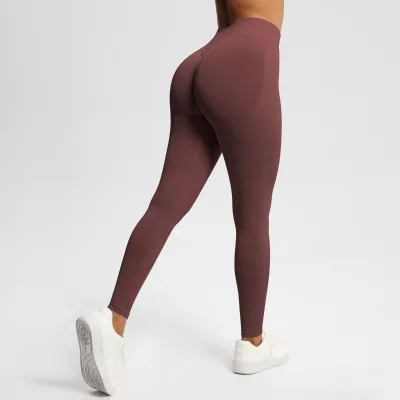


Custom Loose Stacked Jogger Sweat Pants Women Clothing Fitness Yoga Pants
$9.23 - $10.29
MOQ: 200 Pieces

New No Front Seam High Waist Yoga Pants for Gym Fitness Workout Sweatpants Women
$9.85 - $10.99
MOQ: 200 Pieces

Wholesale Custom Waist Drawstring Design Outdoor Running Yoga Pants for Women
$11.95 - $13.79
MOQ: 2 Pieces


Custom High Waist with Pockets Tummy Control Yoga Pants Women Scrunch Butt Yoga
$8.79 - $9.79
MOQ: 200 Pieces


Comprehensive Sourcing Guide
Patterned Women Yoga Pants Sourcing Guide
Sourcing Patterned Women Yoga Pants requires distinguishing between general athletic wear and specific yoga-focused designs, as the supplied data indicates a broad range of applications including ball sports, soccer, and cycling alongside yoga. Buyers must carefully verify that the "Pattern" attribute, which includes options like plaid, striped, and pure colors, aligns with the intended aesthetic for the target market. The presence of customization options suggests that suppliers can adapt these garments, but the specific pattern execution must be confirmed against the buyer's design requirements before production begins.
The observed product attributes reveal a mix of fabric compositions, primarily polyester and spandex blends, which are critical for the stretch and recovery needed in yoga practice. While some listings mention "Quick-Drying" and "Moisture-Wicking" features, these claims should be treated as observations rather than guaranteed performance metrics for every unit. Procurement teams should prioritize verifying the fabric type, such as the 90% polyester and 10% spandex blend noted in the data, to ensure the material offers the necessary breathability and body-shaping properties for high-intensity movement.
Product Scope and Observed Listing Signals
The market signals indicate a diverse product scope where "Patterned" options coexist with "Solid Color" and "Pure Colour" variations, requiring buyers to explicitly define their visual requirements. The data shows that "Plaid" and "Striped" patterns are available, but the "Colors" attribute also lists "Colorful" and "Solid Color" as distinct categories. This variability means that a request for "patterned" items must be accompanied by specific visual references to avoid receiving solid-colored alternatives that do not meet the design brief.
Length and fit specifications vary significantly across the listings, with options ranging from "Longs" to "Wide Leg Pants" and "Straight" trouser legs. The "High Waist" feature appears frequently, which is a standard expectation for yoga apparel, yet the "Closure Type" varies between "Pull on" and "Drawstring" mechanisms. Buyers must confirm the exact silhouette and closure style to ensure the pants provide the necessary coverage and security during various yoga poses, as the "Free Size" standard mentioned may not fit all body types uniformly.
Technical Specifications to Verify
Fabric composition is the primary technical specification to validate, as the data lists both "100% Polyester" and "Polyester / Spandex" blends. The inclusion of "Spandex" is essential for the elasticity required in yoga, and buyers should verify the exact percentage to ensure the garment maintains its shape after repeated stretching. The "Weaving Method" is noted as "Woven," which should be cross-referenced with the desired drape and texture, as woven structures may behave differently than knitted fabrics commonly used in activewear.
Performance features such as "Rip-Stop," "Flame-Retardant," and "Anti-UV" are listed in the product attributes, but these should be treated as potential capabilities rather than universal standards. The "Care Instructions" specify "Machine Wash," which is a practical requirement for end-users, but the durability of the pattern after washing must be tested. Buyers should request physical samples to confirm that the "Quick Dry" and "Anti-Pilling" claims hold true under actual usage conditions before committing to a large order.
Compliance and Safety Documentation
While the supplied facts do not explicitly confirm specific certifications like GOTS or OEKO-TEX, buyers should treat these as critical verification points for the textile supply chain. The absence of confirmed certification data in the product attributes means that compliance documentation must be requested directly from the supplier to ensure the materials are free from harmful substances. This is particularly important for garments worn close to the skin during physical activity, where chemical residues could cause irritation or health issues.
Safety standards for activewear often involve flammability and chemical restrictions, which aligns with the "Flame-Retardant" feature mentioned in some listings. However, the "Standard Us Size" range of S to XXL does not inherently guarantee compliance with international safety regulations. Procurement teams must ensure that the supplier can provide test reports verifying that the "Polyester" and "Spandex" blends meet the specific safety standards of the destination market, rather than relying solely on the "OEM&ODM" standard listed.
Cost Drivers and Commercial Terms
The observed MOQ range of 1 to 1000 pieces, with a specific "MOQ" attribute of 500 PCS, indicates that cost structures will vary significantly based on order volume. Buyers should anticipate that smaller orders may incur higher unit costs due to setup fees, while larger volumes might leverage the "Customization" availability to reduce per-unit expenses. The "Packing" methods, ranging from "Polybag + Shipping Carton" to "Cartons," also influence logistics costs and should be factored into the total landed cost calculation.
Price observations in the market range from 2.3 to 25 USD, suggesting a wide disparity in quality and brand positioning. This variance implies that the "Pattern" complexity, such as "Printing" versus "Plaid," could be a significant cost driver. Buyers must clarify whether the price includes the cost of custom pattern development or if it is a standard design, as the "Customized" attribute suggests that bespoke designs may carry additional charges not reflected in the base price range.
Supplier Qualification and Quality Control
Supplier qualification should focus on their ability to manage the "Customization" process effectively, given the diverse pattern and style options available. The presence of "OEM&ODM" standards suggests that suppliers are equipped for private labeling, but buyers must verify their capacity to maintain consistency across different pattern runs. Quality control protocols should specifically address the alignment of the printed or woven patterns with the approved samples to prevent color or design drift during mass production.
Inspection criteria must include checks for the "High Waist" fit and the integrity of the "Drawstring" or "Pull on" closures, as these are functional elements critical to user satisfaction. The "Feature" list includes "Body Shape" and "Anti-Static," which require physical testing to validate. Buyers should implement a pre-shipment inspection that verifies the "Fabric Type" consistency and ensures that the "Quick-Drying" and "Breathable" claims are met through objective testing methods rather than supplier assertions.
Long-Term Procurement Checks
Long-term procurement success depends on establishing a reliable supply chain for the "Patterned" designs that can withstand seasonal demand fluctuations. The "Colors" attribute listing "Colorful" and "Solid Color" options suggests that buyers should plan for a mix of SKUs to mitigate inventory risks. Maintaining a relationship with suppliers who can consistently deliver the "Polyester / Spandex" blend with the correct "Spandex" percentage is vital for ensuring product longevity and customer retention.
Continuous monitoring of the "Care Instructions" and material durability is essential for maintaining brand reputation over time. Buyers should track return rates related to issues like pilling or pattern fading to identify potential quality degradation in the supply chain. Regular audits of the supplier's production capabilities, particularly regarding the "Woven" method and "Rip-Stop" features, will help ensure that the product specifications remain consistent with the original design intent throughout the lifecycle of the procurement contract.
FAQs
What customization options are available for these pants?
Customization is available for these pants, allowing buyers to request specific designs. The products support custom patterns including plaid, striped, or solid colors. Buyers can also add features like a cell phone pocket to the design. This flexibility ensures the final product meets unique brand requirements effectively.
Which materials are used to make these yoga pants?
These pants are primarily made from polyester and spandex blends, with some options using nylon. Specific fabric compositions include 90% polyester with 10% spandex or 100% polyester. The woven fabric type ensures durability while providing the necessary stretch and comfort required for active yoga and fitness routines.
Can I order these pants with a high waist design?
Yes, high waist designs are available for these pants, offering a secure fit during exercise. The product specifications explicitly list high waist as a key feature. This style is suitable for various activities including yoga, sports, and general fitness, ensuring comfort and support throughout the workout session.
What is the minimum order quantity for these products?
The minimum order quantity is 500 pieces for these products. Some listings indicate a range from 1 to 1000 pieces, but the standard requirement is 500. Buyers should verify specific supplier terms as the MOQ may vary slightly depending on the customization level and specific product model selected.
How are these pants packed for shipping?
These pants are typically packed in polybags and then placed into shipping cartons. Some variations may use standard cartons for bulk shipping. This packaging method protects the garments during transit and ensures they arrive in good condition. The packing details are clearly stated in the product specifications for transparency.
Which features make these pants suitable for sports?
These pants feature rip-stop, quick-drying, moisture-wicking, and breathable properties ideal for sports. Additional features include anti-UV, anti-static, and flame-retardant capabilities depending on the model. The fabric is designed to handle intense physical activity while maintaining comfort and protecting the wearer from environmental factors.
What sizes are available for these yoga pants?
Available sizes include standard US sizes ranging from S to XXL, with some options marked as free size. Specific models may also list sizes like L or SS. Buyers should check the specific product model details to confirm the exact size chart and ensure a proper fit for their target demographic.