Source Pearl Fashionable Hair Clip for Wedding, Daily, and Youth
Explore 30 listings for the Pearl Fashionable Hair Clip, featuring elegant rhinestone and simple plastic designs. Compare models like HF-46643 and AVA1321 to find suitable options for weddings, daily use, and youth styling with various MOQs and materials.
Key considerations
Products List


High Quality Flower Hairpin Clip Hair Products Fashion accessories Hot Selling
$0.80 - $0.89
MOQ: 100 Pieces


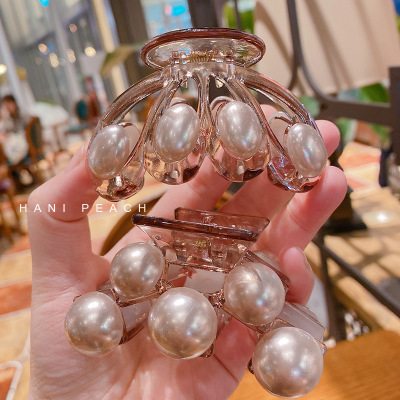
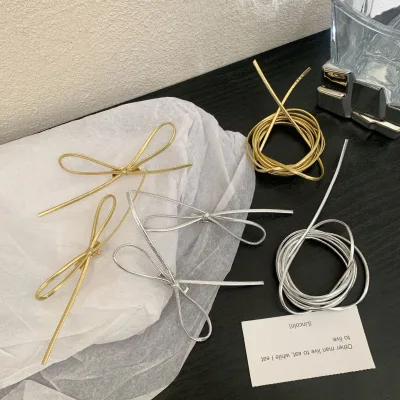


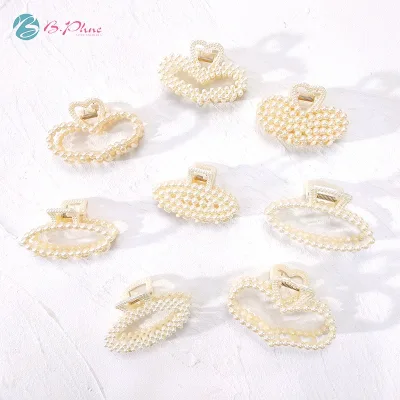


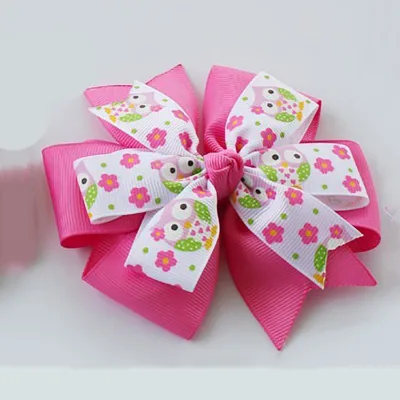


Hair Claws Fashion Fresh Strong Acrylic Acetate Checkered Hair Clips for Girls
$2.45 - $2.65
MOQ: 1000 Pieces


Comprehensive Sourcing Guide
Pearl Fashionable Hair Clip Sourcing Guide
Sourcing pearl-embellished hair accessories requires a nuanced understanding of material authenticity, aesthetic trends, and functional durability. These items sit at the intersection of fashion and utility, serving as both everyday accessories and statement pieces for special occasions. Buyers must navigate a market where "pearl" can refer to genuine natural pearls, cultured pearls, or more commonly in the mass market, high-quality synthetic imitations such as acrylic, glass, or resin beads. The visual appeal of these clips often drives purchasing decisions, with styles ranging from minimalist geometric designs to elaborate floral arrangements. Understanding the distinction between these material classes is critical for accurate cost estimation and quality expectation setting.
The procurement landscape for these accessories is characterized by high customization potential and a wide variety of design iterations. Suppliers frequently offer options for color variations, shape modifications, and packaging personalization to meet specific brand identities. This flexibility allows buyers to tailor products to niche markets, such as bridal wear or youth fashion. However, this variety also introduces complexity in quality control, as each design variation may have different structural requirements and failure modes. Buyers need to establish clear specifications early in the sourcing process to ensure that the final product aligns with their brand’s quality standards and aesthetic vision.
Product Scope and Observed Listing Signals
The current market for pearl hair clips encompasses a diverse range of styles, including hairpins, claw clips, and decorative bars. Observed listings indicate a strong presence of silver-toned metal bases adorned with pearl accents, often paired with rhinestone or fabric elements for added texture. Common shapes include flowers, bowknots, and geometric forms, catering to both elegant and simple aesthetic preferences. These products are generally marketed for whole-year use, with specific emphasis on wedding and daily use occasions. This broad applicability suggests that buyers should consider versatile designs that can appeal to multiple customer segments, from bridal parties to everyday fashion consumers.
Material composition varies significantly across suppliers, with plastic, fabric, and metal being the most common base materials. The pearls themselves are often synthetic, designed to mimic the luster and weight of natural pearls while maintaining affordability. Some listings highlight features such as environmental friendliness, which may refer to the use of non-toxic materials or recyclable packaging. Buyers should pay close attention to the specific material descriptions provided by suppliers, as terms like "pearl" can be ambiguous. Verifying the exact composition of both the clip mechanism and the decorative elements is essential to ensure durability and compliance with safety standards, particularly for products intended for younger demographics.
Technical Specifications to Verify
Dimensional accuracy and weight consistency are critical technical parameters for pearl hair clips. Standard packaging dimensions observed in the market include inner and outer carton configurations, with specific sizes such as 504040 cm noted for bulk shipments. Individual product weights can vary, with some items weighing approximately 12 grams, while others may be heavier depending on the density of the materials used. Buyers should request detailed single package dimensions and gross weights to calculate shipping costs accurately and optimize warehouse storage. Inconsistent sizing can lead to logistical inefficiencies and customer dissatisfaction, so establishing tight tolerances for these measurements is advisable.
The mechanical integrity of the clip mechanism is another vital technical specification. Whether it is a hairpin, claw clip, or barrette, the closure strength and hinge durability must be tested to prevent failure during use. Listings often mention specific model numbers, such as HF-46643 or HO-02043, which can serve as reference points for quality benchmarking. Buyers should verify the type of metal used for the clip base, ensuring it is corrosion-resistant and hypoallergenic, especially for products worn close to the skin. Additionally, the attachment method for the pearls and other decorations should be secure, using strong adhesives or mechanical fasteners to prevent loss of embellishments during wear.
Compliance and Safety Documentation
Safety compliance is paramount when sourcing hair accessories, particularly those marketed towards girls or used in daily settings. Buyers must ensure that suppliers provide documentation confirming the absence of harmful substances such as lead, cadmium, and phthalates. While specific certification statuses like ISO 27001:2022 may be mentioned in broader contexts, they do not directly address product safety for hair accessories. Instead, buyers should focus on relevant safety standards for jewelry and personal care items, such as EN 71 for toys if applicable, or general consumer product safety regulations in their target markets. Requesting third-party test reports from accredited laboratories is a best practice to verify material safety.
Packaging compliance is another area requiring attention. Many suppliers use OPP bags or individual card packaging, which must be clearly labeled with product information, material composition, and safety warnings. The packaging should also be durable enough to protect the delicate pearl decorations during transit. Buyers should verify that the packaging materials themselves are safe and do not pose any choking hazards or contain toxic inks. Clear labeling helps in inventory management and ensures that end-users have access to care instructions, which can extend the lifespan of the product and reduce returns due to damage or misuse.
Cost Drivers and Commercial Terms
The cost of pearl hair clips is influenced by several factors, including material quality, design complexity, and order volume. Observed price ranges in the market vary widely, reflecting differences in pearl type, metal finish, and packaging sophistication. Minimum Order Quantities (MOQs) can range from small batches of 6 pieces to larger orders of 4000 pieces, offering flexibility for both small businesses and large retailers. Buyers should negotiate MOQs based on their sales forecast and storage capacity, considering that lower MOQs may come with higher per-unit costs. Understanding the cost structure helps in setting competitive retail prices while maintaining healthy profit margins.
Customization services are a significant value-add but also impact pricing. Options for custom colors, shapes, and packaging can increase production costs due to setup fees and material waste. Buyers should clarify the cost implications of each customization request upfront. Additionally, payment terms and lead times should be negotiated to align with cash flow requirements and inventory needs. Suppliers located in regions like Yiwu, China, often offer competitive pricing due to localized supply chains, but buyers should factor in shipping costs and import duties when calculating the total landed cost. Transparent communication about commercial terms helps prevent unexpected expenses and ensures a smooth procurement process.
Supplier Qualification and Quality Control
Evaluating supplier capability is essential for securing a reliable supply of pearl hair clips. Buyers should assess the supplier’s production capacity, quality control processes, and ability to handle customization requests. Suppliers with experience in exporting to multiple markets are often more familiar with international standards and packaging requirements. Requesting samples before placing bulk orders is a critical step to evaluate product quality, including the finish of the metal, the luster of the pearls, and the strength of the clip mechanism. Consistent sample quality is a strong indicator of the supplier’s ability to maintain standards across large production runs.
Quality control measures should be established at various stages of production, from raw material inspection to final packaging. Buyers should define clear acceptance criteria for defects such as chipped pearls, loose attachments, or bent clips. Implementing a pre-shipment inspection process can help identify and rectify issues before goods are dispatched. Suppliers who offer detailed packing lists and individual packaging for each item facilitate easier quality checks and reduce the risk of damage during handling. Building a strong relationship with the supplier through regular communication and feedback can also improve product quality and service levels over time.
Long-Term Procurement Checks
Sustaining a successful sourcing relationship requires ongoing monitoring and evaluation of supplier performance. Buyers should track key performance indicators such as on-time delivery rates, defect rates, and responsiveness to issues. Regular audits or reviews of the supplier’s quality management system can help identify areas for improvement and ensure continued compliance with safety and quality standards. Staying informed about market trends and consumer preferences allows buyers to adapt their product offerings and maintain competitiveness. This proactive approach helps in anticipating changes in demand and adjusting procurement strategies accordingly.
Continuous improvement in product design and material selection is also crucial for long-term success. Buyers should collaborate with suppliers to explore new materials, finishes, and designs that align with evolving fashion trends. Feedback from end-users can provide valuable insights into product performance and areas for enhancement. By fostering a collaborative partnership with suppliers, buyers can drive innovation and efficiency in the supply chain. This strategic approach not only enhances product quality but also strengthens the buyer’s position in the market, leading to sustained growth and customer loyalty.
FAQs
What materials are used for pearl fashionable hair clips?
Pearl fashionable hair clips are primarily made from pearl materials, though some variants use fabric or plastic. The product listings confirm pearl as a key material alongside rhinestone and metal options for different styles.
Can these hair clips be customized for specific orders?
Yes, customization is available for these hair clips to meet specific buyer requirements. This allows for tailored designs while maintaining the elegant and fashion styles observed in the product range.
Which occasions are suitable for wearing these hair accessories?
These hair accessories are suitable for weddings, daily use, and other occasions throughout the whole year. They are designed to be versatile for both formal events and everyday wear for girls and youth.
How is the packaging handled for bulk orders?
Packaging options include inner cartons, outer cartons, OPP bags, and individual packages depending on the specific model. Some items are packed as one piece per card in an OPP bag for protection.
What is the minimum order quantity for these clips?
The minimum order quantity starts at 6 pieces for certain models like the hair claw clip. Other items may have higher MOQs up to 4000 pieces depending on the specific product model and supplier.
Where are these hair clips manufactured?
These hair clips originate from China, specifically from locations like Yiwu and Zhejiang. The products are sourced from these regions known for manufacturing fashion accessories.