Source Pearl Starfish Necklace for Fashion, Gifts, and Events
Find 30 options for the Pearl Starfish Necklace, featuring alloy and stainless steel materials with gold plating. Compare styles like retro and simple designs, including shell conch pendants and paperclip chains. Ideal for decoration, health, and various occasions from work to parties.
Updated
Key considerations
Products List
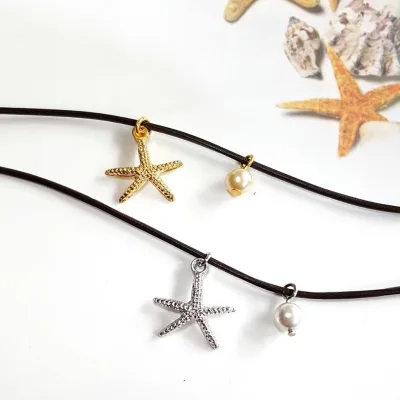


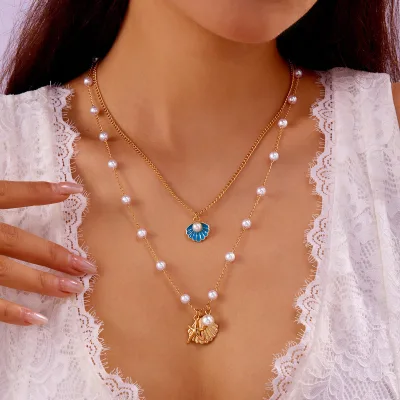
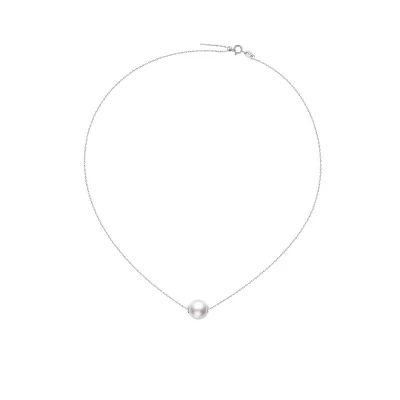
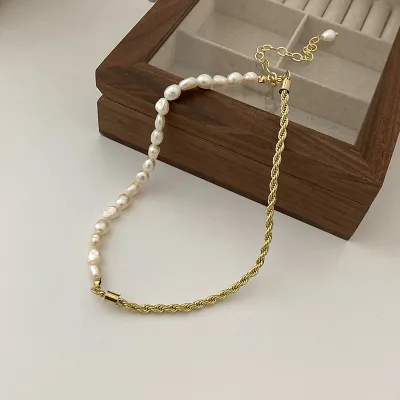
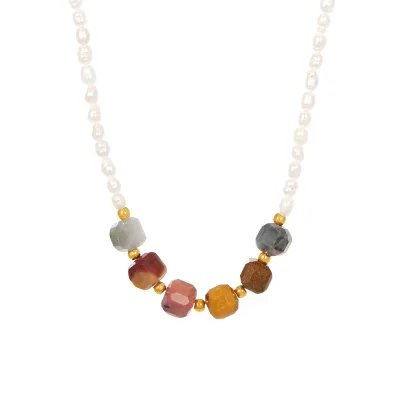
Ocean Element Metal Starfish Shell Pearl Necklace Set for Fashion Jewelry Accessory
$1.35 - $1.71
MOQ: 100 Pieces

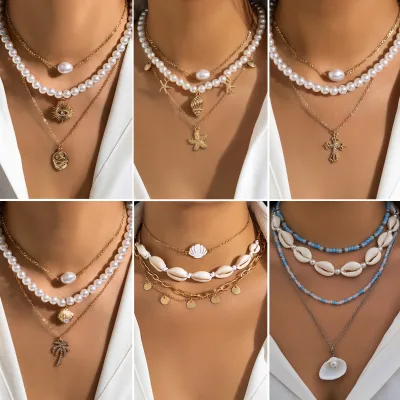


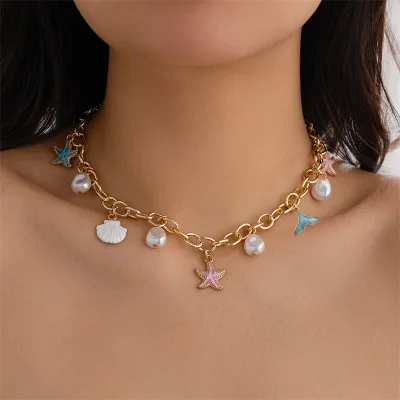
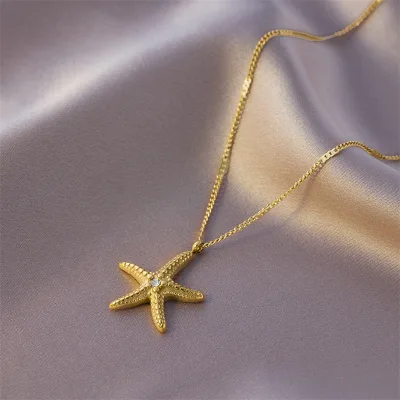
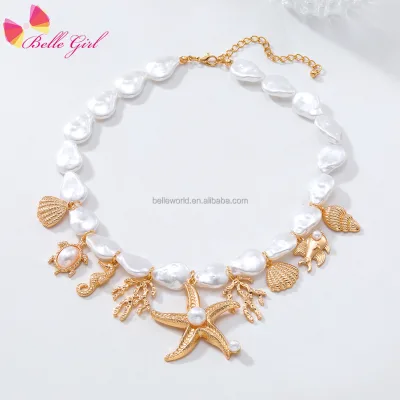
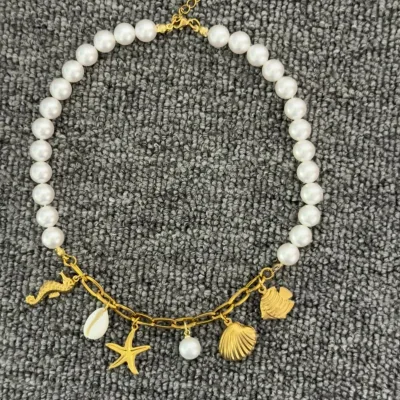
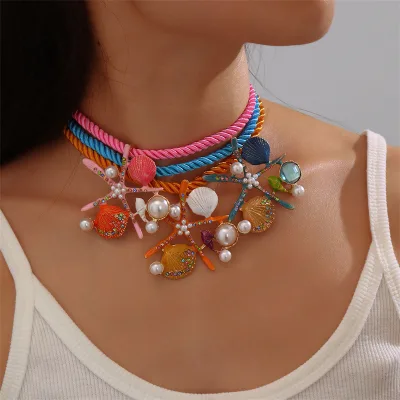
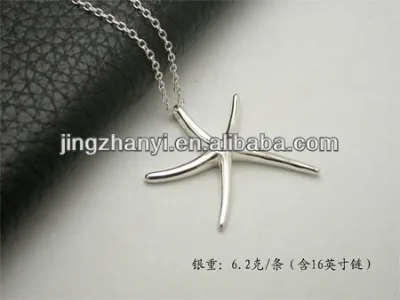


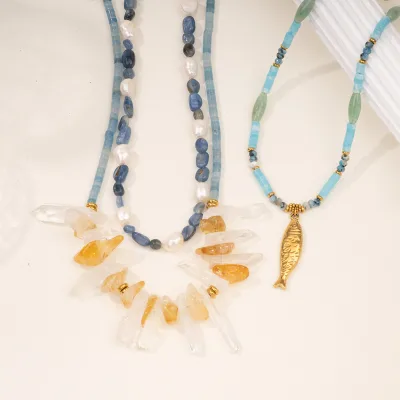
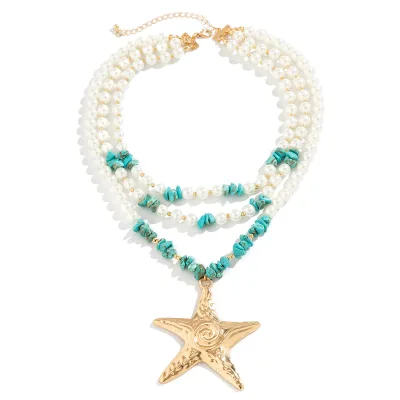

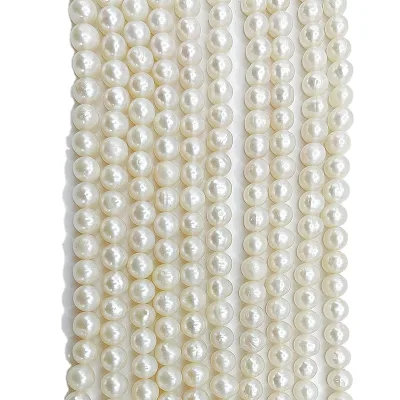

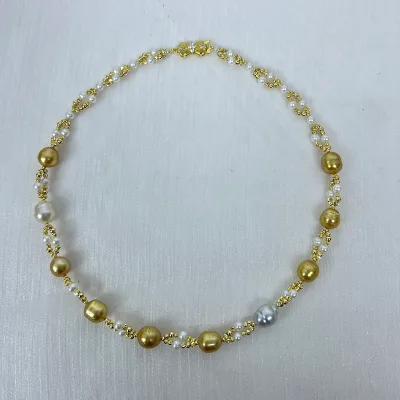

Comprehensive Sourcing Guide
Pearl Starfish Necklace Sourcing Guide
Sourcing pearl starfish necklaces requires a nuanced understanding of the intersection between natural materials and metalwork, particularly when targeting the fashion and accessory markets. Buyers must navigate a landscape where aesthetic appeal drives demand, yet material integrity dictates long-term value. The observed market signals indicate a strong preference for items that combine organic textures with precise metal plating, such as gold or silver finishes, to create pieces suitable for both daily commuting and special occasions. This guide outlines the critical verification steps necessary to ensure that the final product meets both design expectations and regulatory standards.
Procurement teams should focus on the specific attributes that define quality in this category, including the type of pearl used, the durability of the starfish motif, and the chain construction. The data suggests a diverse range of options, from simple designs to more complex retro or ocean-themed elements. Understanding these variations is essential for aligning inventory with target customer segments. By prioritizing suppliers who offer customization and maintain high-quality standards, buyers can secure products that resonate with consumers seeking both style and substance in their jewelry purchases.
Product Scope and Observed Listing Signals
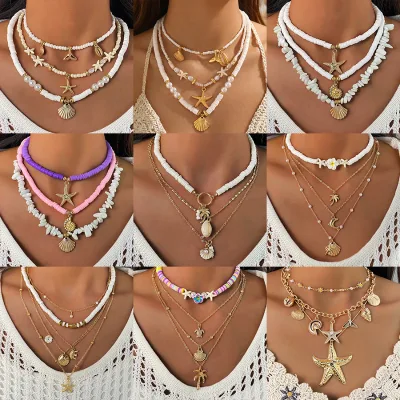
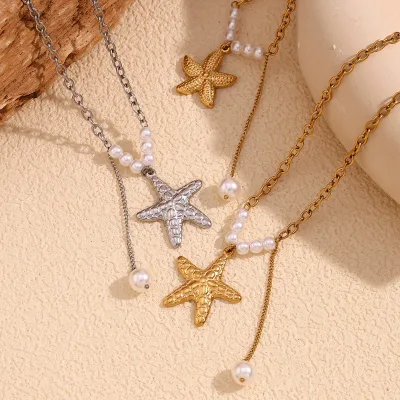
The current market for pearl starfish necklaces exhibits a wide variety of styles, ranging from simple and modern to retro and fashion-forward designs. Observed listings highlight key attributes such as gold or silver plating, alloy or stainless steel bases, and specific chain patterns like paperclip chains. These elements suggest that buyers should look for products that balance aesthetic versatility with structural durability. The presence of customization options indicates that many suppliers are willing to tailor designs to specific brand identities, allowing for unique product differentiation in a competitive marketplace.
Applications for these necklaces span multiple occasions, including work, travel, parties, and gift-giving, which underscores their broad appeal. The observed data points to a focus on decoration and, in some cases, health-related marketing, although the latter requires careful verification. Buyers should note the variety in packaging, from individual OPP bags to bulk cartons, which impacts logistics and retail presentation. Understanding these signals helps in selecting suppliers who can deliver products that meet specific market demands while maintaining consistent quality across different styles and materials.
Technical Specifications to Verify
When evaluating technical specifications, buyers must prioritize the verification of material composition and dimensional accuracy. The observed data indicates the use of alloys, stainless steel, and shell conch materials, each offering distinct properties in terms of weight, durability, and appearance. It is crucial to confirm the exact weight of each piece, as standards vary significantly, with some items specified at 12g, 21.2g, or 30g. These variations can impact shipping costs and perceived value, so precise specification alignment is necessary to avoid discrepancies between ordered and delivered goods.
Additionally, the verification of plating quality and chain integrity is essential for ensuring product longevity. The observed treatments include electroplating and gold plating, which must be tested for adhesion and resistance to tarnishing. Buyers should also inspect the starfish motif and pearl attachment methods to ensure they are secure and well-crafted. The presence of specific models, such as AVA101751 or BL-02575, suggests that suppliers may have standardized designs, but buyers should request samples to verify that the physical product matches the listed technical details and quality expectations.
Compliance and Safety Documentation
Compliance with international safety standards is non-negotiable for jewelry imports, particularly when dealing with metals and coatings. Buyers must ensure that suppliers provide valid certifications such as ISO9001, SGS, and BSCI, which attest to quality management and ethical manufacturing practices. These documents are critical for verifying that the production processes adhere to recognized standards, reducing the risk of receiving non-compliant goods. Without proper certification, buyers may face regulatory hurdles, product recalls, or damage to their brand reputation in strict markets.
Furthermore, specific material safety tests should be requested to verify the absence of harmful substances like lead, cadmium, or nickel, which are often regulated in jewelry. While the observed data mentions health-related usage, this claim must be substantiated by independent laboratory results rather than marketing assertions. Buyers should also verify that the packaging materials meet environmental and safety regulations, especially if the products are marketed as eco-friendly or intended for sensitive audiences. Ensuring comprehensive documentation protects against legal liabilities and builds consumer trust in the product's safety and quality.
Cost Drivers and Commercial Terms
Cost structures for pearl starfish necklaces are influenced by material choices, plating complexity, and order volume. The observed price range of 0.69 to 150 USD reflects significant variation based on these factors, with higher prices typically associated with premium materials like stainless steel or intricate designs. Buyers should analyze the cost breakdown to understand how much is attributed to raw materials versus labor and finishing processes. This analysis helps in negotiating better terms and identifying opportunities for cost optimization without compromising quality.
Minimum Order Quantities (MOQs) and lead times are also critical commercial terms to consider. The observed MOQs range from 5 to 300 pieces, with some suppliers requiring 100 PCS as a standard threshold. Lead times vary, with some suppliers offering delivery within 7-15 days, which impacts inventory planning and cash flow. Buyers should align their order quantities with their sales forecasts to avoid excess stock or stockouts. Clear communication regarding payment terms, shipping responsibilities, and return policies is essential to establish a smooth and efficient procurement process.
Supplier Qualification and Quality Control
Supplier qualification involves a thorough assessment of manufacturing capabilities, quality control systems, and past performance. Buyers should verify that suppliers have a dedicated factory presence, as indicated by the "Factory: Yes" attribute, which suggests direct control over production processes. This direct oversight often leads to better consistency in product quality and faster response times to issues. Additionally, buyers should request references or case studies to evaluate the supplier's reliability and ability to meet deadlines consistently.
Quality control measures should be integrated into the procurement process, including pre-production samples and in-line inspections. Buyers should define clear acceptance criteria for plating uniformity, pearl alignment, and chain strength. Regular audits of the supplier's quality management system can help identify potential issues before they impact production. By establishing a robust quality control framework, buyers can minimize defects and ensure that the final products meet their high standards, thereby reducing the risk of customer complaints and returns.
Long-Term Procurement Checks
Long-term procurement success depends on continuous monitoring of supplier performance and market trends. Buyers should establish key performance indicators (KPIs) to track metrics such as on-time delivery, defect rates, and responsiveness to changes. Regular reviews of these metrics help in identifying areas for improvement and maintaining a high level of service. Additionally, staying informed about emerging trends in jewelry design and materials allows buyers to adapt their sourcing strategies proactively, ensuring that their product offerings remain relevant and competitive.
Building a strong relationship with suppliers is also crucial for long-term success. Open communication, mutual respect, and collaborative problem-solving can lead to better pricing, priority treatment during peak seasons, and access to new product developments. Buyers should also consider diversifying their supplier base to mitigate risks associated with single-source dependencies. By fostering a partnership-oriented approach, buyers can create a resilient supply chain that supports sustained growth and adaptability in a dynamic market environment.
FAQs
How should I care for a Pearl Starfish Necklace with alloy and shell components?
Keep the necklace dry and wipe it gently with a soft cloth after wearing to preserve the gold electroplated finish. Avoid contact with perfume, chlorine, and cosmetics, since alloy bases and shell conch pendants can dull over time. Store each piece in an OPP bag or separate pouch to prevent scratching during travel or storage.
What materials are typically used in these pearl starfish necklaces?
Listed designs commonly use alloy as the base metal with gold plating applied through electroplating, while some styles use stainless steel with gold or silver plating. Pendant materials can include shell conch for the ocean element. If your application requires stainless steel bases or specific plating, confirm the material specification for the exact model before ordering.
Can I customize Pearl Starfish Necklace designs for my brand?
Customization is available on listed styles, so you can request adjustments to plating color, chain pattern, or pendant details depending on the model. Contact the supplier with your requirements, quantity, and reference model number such as AVA101751. Custom orders usually need confirmation of artwork and sampling before bulk production begins, so plan lead time accordingly.
What is the typical minimum order quantity for these necklaces?
Minimum order quantities vary by design; some products list an MOQ of 100 pieces, while observed listings range from 5 to 300 units. Lower MOQs generally apply to stock designs, and customized styles may require higher commitments. Always confirm the MOQ for the specific model and whether mixed-color or mixed-design orders are accepted before placing a trial purchase.
How long does delivery take for a Pearl Starfish Necklace order?
Listed products show delivery dates of 7 to 15 days, which typically covers production after order confirmation. Stock items at low quantities may ship sooner, while customized or large-volume orders can take longer depending on factory capacity. Factor in additional shipping time to your destination and confirm the delivery schedule in writing before confirming your order.
What packaging is used when these necklaces ship?
Packaging varies by product: some items come in OPP packing or OPP boxes, one model uses carton packing, and another uses individually packed OPP bags. Box gauge for one style is 15 by 15 by 16 centimeters, with product weights around 12 to 30 grams. If you need retail-ready or branded packaging, discuss options with the supplier before ordering.
Which occasions and seasons suit a Pearl Starfish Necklace?
These necklaces suit work, travel, party, and gift occasions, and some designs are also positioned for wedding or engagement wear. The style is classified as fashion commuting with ocean and star elements, making it popular in spring and summer beach looks. The listed products are marketed as suitable for all four seasons, so they work year round.
What quality certifications should I verify before ordering?
One listed product indicates ISO9001, SGS, and BSCI certification, which relate to quality management, testing, and social compliance respectively. Certification coverage can differ per factory, so request current certificates matching the supplier you intend to buy from. Ask whether certificates cover the specific production facility and request plating and material test reports for the necklace model.