Source Personal Testing Digital Breathalyzer for law enforcement, fleet, and home use
Compare 30 Personal Testing Digital Breathalyzer options from verified Chinese manufacturers. Buyers can evaluate detection ranges, certifications like CE and RoHS, and customization support for OEM and ODM needs across portable devices.
Key considerations
Products List


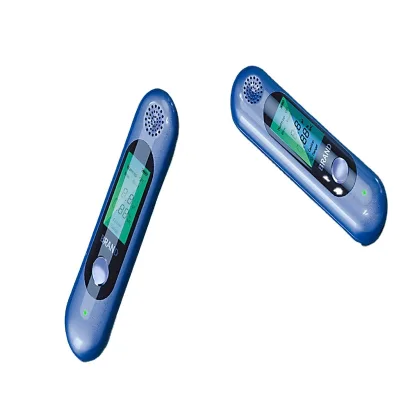
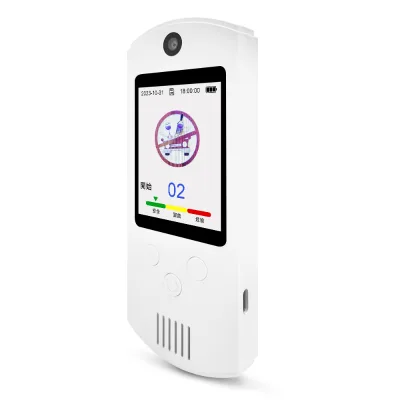


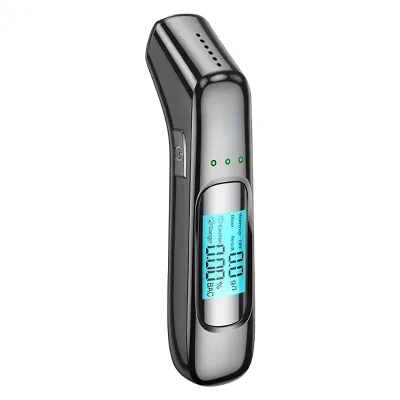


Breathalyzer Alcohol Tests Digital Alcohol Detector with Voice Broadcast
$60.00 - $120.00
MOQ: 1 Pieces


Portable and Small Size Design Personal Alcohol Tester / Breathalyzer (AT188)
$7.90 - $8.05
MOQ: 1000 Pieces
Comprehensive Sourcing Guide
Strategic Sourcing Guide for Personal Testing Digital Breathalyzers
Understanding the Technical Landscape and Core Specifications
When sourcing personal testing digital breathalyzers, buyers must first navigate a fragmented market where product attributes vary significantly between models. The core technology typically relies on semiconductor sensors, which offer a cost-effective solution for personal use, though they require regular calibration to maintain accuracy. The observable specifications in the current market reveal a diverse range of capabilities. For instance, some units feature a measurable range of 0mg/100ml to 400mg/100ml, while others are calibrated for specific blood alcohol concentration (BAC) detection ranges such as 0.05mg/l to 0.95mg/l. Buyers should verify the specific detection range of any unit they consider, as this dictates the device's utility for different regulatory or personal safety thresholds.
The physical form factor is another critical technical consideration. Many modern devices are designed to be portable, with dimensions varying from compact units measuring approximately 95.6 * 28 * 17 mm to larger handheld devices around 134 * 54 * 16 mm. The material composition is predominantly ABS plastic, chosen for its durability and lightweight properties, with some units weighing as little as 84 grams. The display interface is almost universally an LCD screen, providing clear readouts of test results. However, the operational environment must be carefully considered; some specifications indicate an operating temperature range of -5℃ to 45℃, while storage capabilities may extend to -20℃ to 50℃. These environmental limits are essential for buyers planning to distribute products to regions with extreme climates or for users intending to store devices in vehicles.
Compliance Verification and Certification Standards
Navigating the regulatory landscape is a paramount step in the procurement process. While the market contains products with various certifications, buyers must treat certification claims as observations that require independent verification rather than automatic guarantees. The most frequently observed certifications in the supply chain include RoHS, CE, and FCC. These marks suggest compliance with specific regional standards regarding hazardous substances, electromagnetic compatibility, and safety. For example, a specific product listing might display "CE RoHS" or "CE" as its certification status. However, the presence of these marks on a product page does not inherently validate the device's performance in every jurisdiction.
Buyers should not assume that all listed products meet every standard simultaneously. The data indicates that some units are certified under CE and RoHS, while others may only list CE. The FCC certification is also noted in the high-confidence facts, suggesting compliance with US Federal Communications Commission standards for radio frequency devices. It is crucial for procurement teams to request valid test reports and certificates of conformity directly from the supplier for the specific batch being purchased. Relying solely on the product page listing without verifying the authenticity of the certification documents can lead to significant compliance risks, particularly when importing into markets with strict regulatory frameworks. The absence of a specific certification on a listing does not necessarily mean the product is non-compliant, but it does require a more rigorous due diligence process to confirm its status.
Cost Drivers and Economic Factors in Procurement
The economic structure of the breathalyzer market is influenced by several key variables, including customization, branding, and order volume. The observed price range in the market spans from 4 to 500 USD, a wide disparity that reflects differences in sensor quality, feature sets, and brand positioning. Lower-priced units often utilize basic semiconductor sensors and standard packaging, while higher-priced models may include advanced features such as camera integration or proprietary software. The "Brand Name" field in the data shows variations, with labels like "Nkyf," "ALCOKSON," and "Dienmern" appearing, indicating a market populated by both established names and private label manufacturers.
Order Volume (MOQ) is a significant driver of unit cost. The observed MOQ range extends from 1 to 1000 pieces, with specific listings showing an MOQ of 200 pieces for certain models. Buyers with smaller volume requirements may face higher per-unit costs or limited customization options. Conversely, larger orders often unlock the potential for OEM (Original Equipment Manufacturer) and ODM (Original Design Manufacturer) services. The availability of customized support, including software reengineering, allows buyers to tailor the device's interface and functionality to their specific needs. However, these customizations inevitably increase the lead time and initial investment. Buyers must balance the desire for a low MOQ against the need for competitive pricing and the ability to brand the product as their own. The "Selling Units" field often indicates "Single item" for retail-ready products, whereas bulk procurement requires negotiating specific packaging and branding terms.
Typical Applications and Use Case Scenarios
Personal testing digital breathalyzers serve a variety of applications, ranging from personal safety monitoring to corporate compliance and law enforcement support. The "Product Name" field explicitly mentions "Alcohol Tester with Camera," suggesting a growing trend toward devices that not only measure alcohol levels but also record the testing event for verification purposes. This feature is particularly valuable for fleet management companies or organizations that require an audit trail of sobriety checks. The "Blowing Time" specification, observed as 4~5 seconds, indicates the speed of the testing process, which is a critical factor for user experience in high-volume scenarios.
The "Memories" capacity, noted as 50 test records in some models, supports applications where historical data tracking is necessary. This feature allows users to review past results, which can be useful for personal accountability or fleet management reporting. The "Service life" of 3 years or 5000 lifespans provides a benchmark for the device's durability, influencing the total cost of ownership for organizations deploying these units. In terms of indication error, some specifications cite a margin of ±0.01%BAC, a figure that buyers should verify against their specific accuracy requirements. While these devices are marketed for personal use, their portability and digital interfaces make them suitable for a wide range of scenarios, including roadside checks, workplace safety programs, and personal monitoring. The "Type" classification as an "Alcohol tester" confirms their primary function, but the integration of cameras and data storage expands their utility beyond simple measurement.
Supplier Evaluation and Customization Capabilities
Evaluating suppliers requires a deep dive into their customization capabilities and manufacturing origins. The data indicates that customization is a key differentiator, with options ranging from "Non-Customized" to fully "Customized" support. Suppliers offering OEM and ODM services can provide significant value by allowing buyers to apply their own branding and modify product specifications. The "Customized Support" field lists OEM, ODM, and Software Reengineering, suggesting a high level of flexibility for buyers seeking to create a unique product offering. However, the "Brand Name" field also shows "Nkyf" and other generic labels, indicating that some suppliers may operate primarily as white-label manufacturers.
The geographic origin of the products is another critical factor in supplier evaluation. The "Prod Origin" and "Place of Origin" fields list locations such as Gansu, China, and Guangdong, China. Guangdong is a well-known manufacturing hub for electronics, often associated with a mature supply chain and advanced production capabilities. Gansu, while less prominent in electronics, may offer different cost structures or logistical advantages. Buyers should verify the specific manufacturing capabilities of the facility, including their quality control processes and ability to meet the "prod_standard" dimensions and specifications. The "Material" being ABS plastic is standard, but the quality of the plastic and the assembly process can vary significantly between suppliers. It is essential to request samples and conduct factory audits to ensure that the supplier can consistently deliver products that meet the required standards and performance expectations.
Quality Control and Long-Term Procurement Considerations
Ensuring consistent quality in breathalyzer procurement requires a robust quality control strategy. The "Indication Error" and "Detection Range" specifications are critical metrics that must be validated through independent testing. Buyers should not rely solely on the supplier's claims regarding accuracy; instead, they should establish a protocol for random sampling and third-party verification. The "Service life" of 3 years or 5000 lifespans is a manufacturer claim that should be backed by warranty terms and historical performance data. The "Warranty" field in the data shows a 1-year warranty for some products, which is a standard industry offering but may vary by supplier.
Long-term procurement considerations also include the availability of spare parts, software updates, and after-sales support. The "Software Reengineering" capability suggests that some suppliers can provide ongoing firmware updates, which is crucial for maintaining accuracy and adding new features over time. The "Single gross weight" of 0.500 kg and "Single package size" of 18X10X6 cm are important for logistics planning, especially for international shipments. Buyers should also consider the "prod_packing" options, which range from standard boxes to color boxes, as packaging quality can impact the perceived value of the product. Finally, the "Operating Temperature Range" and "Storage Temperature Range" must be aligned with the intended distribution and usage environments to prevent device failure. By focusing on these quality control and long-term factors, buyers can mitigate risks and ensure a sustainable supply chain for their Personal Testing Digital Breathalyzer needs.
Comparative Analysis of Key Product Attributes
To facilitate informed decision-making, the following table summarizes the key attributes observed in the market, highlighting the variability in specifications and the importance of verification.
| Attribute Category | Observed Specification Examples | Verification Requirement |
|---|---|---|
| Sensor Type | Semiconductor | Verify sensor calibration and accuracy claims. |
| Detection Range | 0.05mg/l | Confirm range matches intended use case. |
| Display | LCD Display | Check readability and interface responsiveness. |
| Certifications | CE, RoHS, FCC | Request valid certificates of conformity. |
| Dimensions | 95.6 * 28 * 17 mm, 134 * 54 * 16 mm | Verify physical fit for intended application. |
| Material | ABS, ABS Plastic | Assess durability and build quality. |
| Customization | OEM, ODM, Software Reengineering | Confirm feasibility and cost of customization. |
| Warranty | 1 year, 3 years service life | Review terms and conditions for coverage. |
| Origin | Gansu, China; Guangdong, China | Evaluate logistics and supply chain stability. |
This comparison underscores the necessity of a detailed, evidence-based approach to sourcing. By systematically verifying each attribute against the specific needs of the procurement project, buyers can navigate the complexities of the market and secure high-quality breathalyzers that meet their operational and regulatory requirements.
FAQs
What certifications do personal testing digital breathalyzers typically have?
Most units display RoHS, CE, and FCC certifications on product pages. Buyers must verify valid test reports directly from suppliers before purchasing, as listed marks are observations rather than automatic guarantees for every batch.
Can I customize the branding and software on these devices?
Yes, many suppliers offer OEM, ODM, and software reengineering support for customization. However, the availability of these services depends on the specific model and may require meeting minimum order quantities to activate.
How long is the typical service life of a digital breathalyzer?
Some models specify a service life of 3 years or 5000 lifespans. This durability claim should be validated against the warranty terms provided, which often cover a period of one year for standard units.
What is the minimum order quantity for bulk purchases?
The observed MOQ range spans from 1 to 1000 pieces depending on the supplier. Specific listings indicate an MOQ of 200 pieces for certain models, while others may accept single item orders for retail testing.
Which sensor type is commonly used in these personal testers?
Semiconductor sensors are the standard technology used in most personal testing digital breathalyzers. These units typically feature an LCD display and offer a detection range suitable for personal safety monitoring and compliance checks.
Where are these breathalyzer products primarily manufactured?
Products originate from manufacturing hubs in China, specifically locations like Guangdong and Gansu. Guangdong is a known electronics center, while Gansu may offer different logistical advantages for specific supply chain needs.
What is the price range for personal testing digital breathalyzers?
The market price range spans from 4 to 500 USD based on features and brand. Lower costs often reflect basic semiconductor sensors, while higher prices may include advanced features like camera integration or proprietary software.