Source Personalised Cotton Lampshade for home, hotel, and office
Explore 30 listings for the Personalised Cotton Lampshade to compare designs, sizes, and suppliers. Buyers can evaluate options ranging from handmade textile shades to custom fabric models suitable for various indoor settings.
Key considerations
Products List
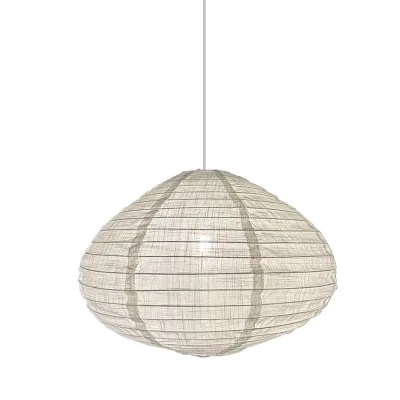
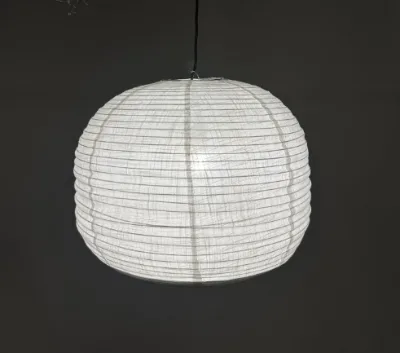
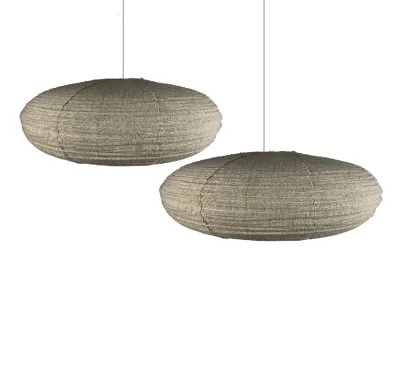
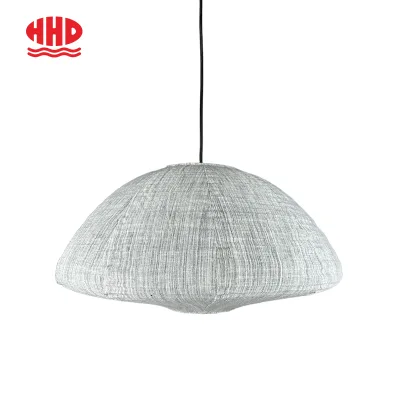
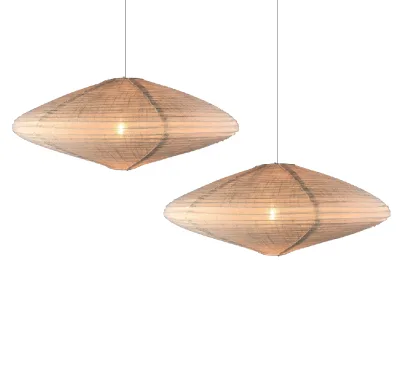
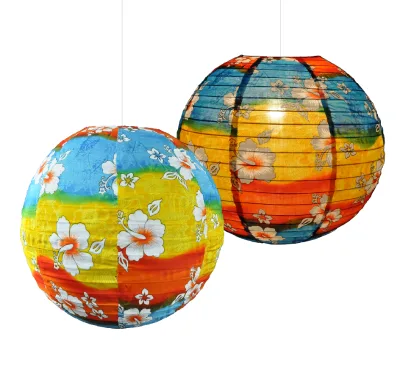


Eco-Friendly Cotton Lantern Handmade Fabric Lamp Shade Cotton Lamp Shade
$5.00 - $7.00
MOQ: 500 Pieces


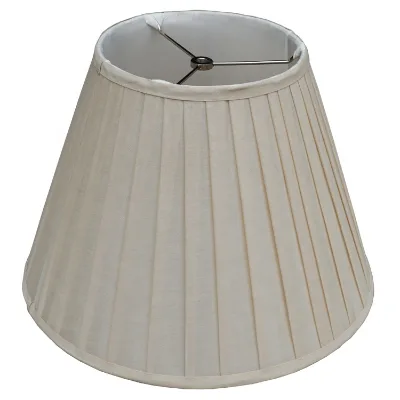


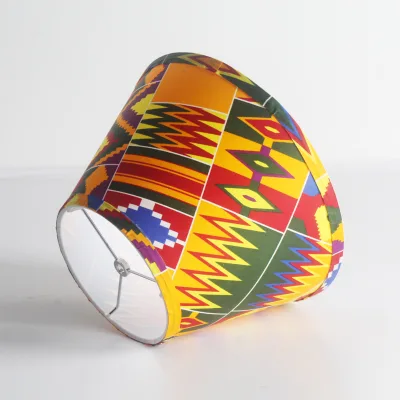
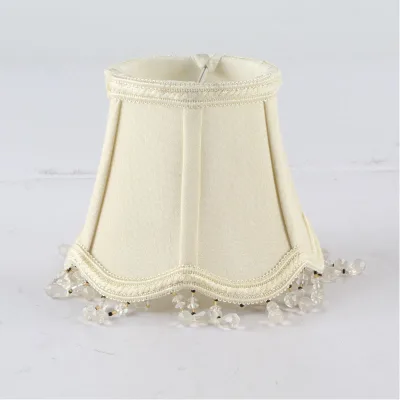

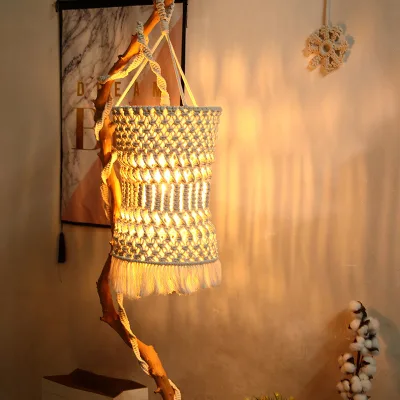
Comprehensive Sourcing Guide
Strategic Sourcing Guide for Personalised Cotton Lampshades
Understanding Product Specifications and Material Composition
When sourcing personalised cotton lampshades, the primary objective is to align technical specifications with the intended aesthetic and functional requirements of the end-user. The core material for this category is consistently identified as textile or fabric, with cotton being a specific, high-priority variant due to its natural texture and light-diffusing properties. In the current market, suppliers often list materials as "cotton, metal" or simply "fabric," indicating that the structural frame is typically metallic while the shade itself is constructed from woven textile. Buyers must verify the specific weave density and thread count, as these factors directly influence the light transmission and the durability of the shade.
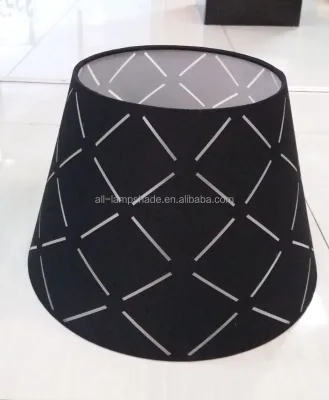
The physical dimensions of these products vary significantly to accommodate different fixture types and interior design scales. Observed specifications include a range of diameters and heights, such as D40cm by H29cm, D38cm by H38.5cm, and larger variants like D48cm by H25cm or D50cm by H20cm. The shape is a critical differentiator; while some products are designed as standard ovals, others feature irregular or custom shapes to suit modern, artistic installations. The "Handmade" craft attribute is frequently observed, suggesting that the final assembly involves manual stitching or weaving, which can introduce slight variations in the final product. This artisanal approach is often paired with a "Modern" design style, creating a blend of contemporary aesthetics with traditional craftsmanship.
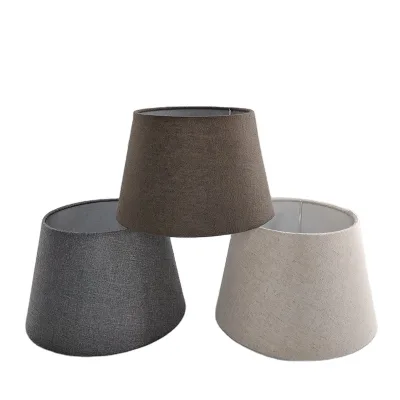
Buyers should also note the color options available. While "Natural" and "Beige" are common baseline colors, many suppliers offer "any textile is acceptable," allowing for extensive customization. This flexibility is essential for buyers seeking to match specific interior palettes or brand identities. The product weight is generally light, with observations indicating a weight around 0.5 kg, which simplifies logistics and reduces the risk of damage during transit. However, the single package size can vary, with some listings showing compact dimensions like 55x55x2 cm, while others may require larger packaging depending on the structural rigidity of the frame.
Compliance, Certification, and Safety Standards
In the B2B procurement of lighting accessories, compliance with safety and ethical standards is non-negotiable. For products originating from manufacturing hubs like Fujian, China, and destined for markets such as Europe, specific certifications act as a gatekeeper for market access. One of the most prominent certifications observed in this category is BSCI (Business Social Compliance Initiative). This certification verifies that the supplier adheres to ethical labor practices, ensuring fair working conditions and compliance with international labor standards. For buyers targeting European retailers, the presence of BSCI certification is often a prerequisite for inclusion in the supply chain.
Beyond social compliance, buyers must verify electrical safety standards relevant to the destination market. While the provided data does not list specific electrical test results (such as UL, CE, or ETL marks), the "Warranty" attribute is listed as "Other," which implies that warranty terms are negotiated on a case-by-case basis rather than being standardized. This necessitates a rigorous inquiry into the supplier's ability to provide test reports for fire resistance and electrical safety. Since the product involves a combination of cotton fabric and a metal frame, the flammability of the textile is a critical safety parameter. Buyers should request documentation confirming that the cotton fabric meets local fire safety codes for indoor lighting applications.
Furthermore, the "Eco-Friendly" feature is frequently highlighted in product descriptions. This claim should be substantiated through third-party verification or specific material sourcing documentation. Buyers should ask for evidence regarding the dyeing process, the origin of the cotton, and the sustainability of the metal components. The "Place of Origin" being Fujian, China, does not preclude high-quality standards, but it does require a thorough vetting of the factory's environmental management systems. The "Regional Feature" of Europe suggests that the products are designed to meet European aesthetic and regulatory expectations, but the buyer must ensure that the actual manufacturing process aligns with these regional requirements.
Cost Drivers and Pricing Dynamics
The pricing structure for personalised cotton lampshades is influenced by a complex interplay of factors, including material quality, customization complexity, and order volume. The observed price range in the market spans from $2.03 to $680, a significant variance that reflects the difference between mass-produced standard items and bespoke, high-end artisanal pieces. The lower end of the spectrum likely corresponds to standard sizes with minimal customization, while the upper end may include large, irregular shapes with complex handcrafted details or premium fabric treatments.
A critical cost driver is the level of personalization. Suppliers often offer "Logo: welcome OEM" and "customize your logo" services, which incur additional charges. The "Sample charge" of USD 50 is a standard industry practice for custom orders, covering the cost of prototyping and material setup before full-scale production. This upfront cost is typically recoverable once a bulk order is placed, but it represents an initial barrier to entry for buyers testing new designs. The "Single package size" and "Package: customized" attributes also impact logistics costs. Custom packaging solutions, such as specific brown boxes or branded OPP bags, add to the unit cost but are essential for protecting the product and enhancing brand perception.
Minimum Order Quantity (MOQ) is another significant factor affecting the total cost of ownership. The observed MOQ range is between 2 and 1000 units. A low MOQ of 2 allows for small-scale testing or boutique orders, but the unit price will likely be higher due to the fixed costs of setup and handcrafting. Conversely, an MOQ of 1000 units suggests a focus on volume production, which can drive down the per-unit cost but requires a larger capital commitment. The "Supply Ability" of 10,000,000 pieces per year indicates that suppliers have the capacity to handle large-scale orders, but buyers must confirm if this capacity is available for their specific timeline.
Typical Applications and Market Segmentation
Personalised cotton lampshades are versatile products with applications spanning residential, commercial, and event-based sectors. The "Application" attributes observed include "Indoor," "Home," "Hotel," "Coffee Bars," "Office," "Party," and "Wedding." This wide range of use cases highlights the product's adaptability to different lighting needs and interior design themes. In residential settings, these lampshades serve as statement pieces in living rooms or bedrooms, where their "Modern" design and "Natural" colors create a warm, inviting atmosphere. The "Handicraft" style appeals to consumers seeking unique, non-mass-produced items that add character to their homes.
In the commercial sector, the demand for these lampshades is driven by the need for ambiance creation. Hotels and coffee bars often use them to establish a specific mood, leveraging the soft light diffusion of cotton fabric to create a relaxing environment. The "Artificial" style and "Hanging lantern" design make them suitable for both ceiling-mounted fixtures and standalone floor lamps. For event planners, the "Occasion: everyday" and "Party, home, wedding" attributes suggest that these products are used for temporary installations as well as permanent decor. The ability to customize the shape and color allows event organizers to match the lampshades to specific themes or branding requirements.
The "Design Style: Modern" and "Design: hanging lantern" attributes indicate a strong alignment with contemporary interior trends. Buyers targeting the hospitality industry should note that the "Eco-Friendly" feature is increasingly important to modern travelers and business clients who prioritize sustainability. The "Body Color: Beige" and "Color: Natural" options are particularly popular in these segments as they provide a neutral backdrop that complements various design schemes without overwhelming the space.
Supplier Evaluation and Vetting Criteria
Selecting the right supplier for personalised cotton lampshades requires a multi-faceted evaluation process that goes beyond price comparison. The "Brand Name: HKH" and "Model Number" variations (e.g., HHD-FB1013-7, HHD-FBD14B-3) suggest that suppliers may operate under specific brand identities or product lines. Buyers should verify the authenticity of these brand names and ensure that the supplier has the legal right to manufacture and sell these designs. The "Logo: customize your logo" feature indicates that the supplier is capable of OEM (Original Equipment Manufacturer) services, which is a positive sign of flexibility and customer focus.
When evaluating suppliers, buyers should prioritize those with a proven track record in "Handmade" production. The "Craft: Handmade" attribute implies a reliance on skilled labor, which can be a double-edged sword. While it ensures high-quality craftsmanship, it also introduces variability in production times and consistency. Buyers must assess the supplier's ability to maintain quality control across large batches. The "Supply Ability: 10000000 pieces per Year" is an impressive figure, but it should be cross-referenced with the supplier's actual production capacity and current order backlog.
Certification status is a key differentiator. The presence of "BSCI" certification is a strong indicator of a supplier's commitment to ethical standards. Buyers should request copies of these certificates and verify their validity with the issuing body. Additionally, the "Place of Origin: Fujian, China" is a common manufacturing hub, but buyers should not assume that all factories in this region meet the same standards. Site visits or third-party audits are recommended to verify the factory's working conditions, quality control processes, and environmental compliance.
Quality Control and Long-Term Procurement Considerations
Quality control for cotton lampshades involves rigorous inspection of both the material and the assembly. The "Material: cotton, metal" combination requires checks for fabric integrity, such as loose threads, uneven weaving, or discoloration. The metal frame must be inspected for rust, sharp edges, and structural stability. Since the product is "Handmade," buyers should establish clear acceptance criteria for minor variations that are inherent to the craft, while maintaining strict standards for functional defects. The "Package: opp bag,brown box and customized" attribute highlights the importance of protective packaging to prevent damage during transit. Buyers should ensure that the packaging is robust enough to withstand shipping stresses, especially for irregularly shaped items.
Long-term procurement considerations include the scalability of the supply chain and the consistency of the product. The "Warranty(Year): Other" attribute suggests that warranty terms are flexible, but buyers should negotiate specific terms that cover defects in materials and workmanship. The "Sample charge: USD 50" is a standard practice, but buyers should ensure that the sample process is efficient and that the final product matches the sample in quality and appearance. The "Design: model" and "Shape: Custom Shape Accepted" attributes indicate that the supplier is open to innovation, but buyers should manage expectations regarding lead times for custom designs.
Finally, buyers should consider the environmental impact of their procurement decisions. The "Feature: Eco-Friendly" claim should be backed by concrete actions, such as the use of sustainable cotton sources and eco-friendly dyes. Long-term partnerships with suppliers who prioritize sustainability can enhance the brand value of the buyer's products. The "Regional Feature: Europe" suggests that the products are suitable for export to European markets, but buyers must ensure that the supplier can meet any evolving regulatory requirements in these regions. By focusing on these key areas, buyers can build a resilient and high-quality supply chain for personalised cotton lampshades.
Comparative Analysis of Product Variants
To assist buyers in making informed decisions, the following table compares key attributes of the observed product variants. This comparison highlights the diversity in specifications, materials, and customization options available in the market.
| Attribute | Variant A | Variant B | Variant C |
|---|---|---|---|
| Model Number | HHD-FB1013-7 | HHD-FBD14B-3 | HHD-FB7135-2 |
| Dimensions | D40 x H29 cm | D48 x H25 cm | Dia 50 x H20 cm |
| Shape | Oval | Irregularity | Irregular |
| Material | Textile | Fabric | Cotton, Metal |
| Color | Natural, Beige | Grey | As Picture |
| Craft | Handmade | Handicraft | Handmade |
| Design Style | Modern | Modern | Modern |
| Application | Indoor | Home, Hotel, Office | Party, Wedding |
| Certification | BSCI | BSCI | BSCI |
| Customization | Logo, Shape | Logo, Shape | Shape Accepted |
This table illustrates that while the core material and design style remain consistent, the dimensions and shapes vary significantly to meet different design needs. The "BSCI" certification is a common thread, indicating a baseline level of ethical compliance across these variants. Buyers should use this data to select the variant that best fits their specific project requirements, keeping in mind the trade-offs between standardization and customization.
FAQs
What materials are used for personalised cotton lampshades?
These lampshades are constructed from textile fabric, often specified as cotton, combined with a metal frame. The structure relies on woven fabric for light diffusion while the metal provides necessary support and stability for the hanging design.
Which certifications do suppliers typically hold for these products?
Many suppliers provide BSCI certification to verify ethical labor practices and compliance with international standards. This certification is particularly important for buyers targeting the European market to ensure fair working conditions in the manufacturing process.
Can buyers customize the logo and shape of the lampshade?
Yes, suppliers welcome OEM services allowing buyers to customize their logo and accept custom shapes including irregular or oval designs. This flexibility supports unique interior design needs while maintaining the handmade craft quality of the textile product.
What is the typical minimum order quantity for these items?
The minimum order quantity ranges from 2 to 1000 units depending on the specific supplier and customization requirements. Lower quantities allow for testing designs, while larger orders may benefit from volume pricing and established supply chain capacity.
How are these lampshades packaged for international shipping?
Products are typically packed in OPP bags and brown boxes, with options for fully customized packaging to suit brand needs. This protective packaging ensures the handmade textile shades remain undamaged during transit while allowing for specific branding requirements.
What are the common dimensions for these hanging lanterns?
Common sizes include diameters ranging from 38cm to 50cm with heights varying between 20cm and 38.5cm. Specific models like HHD-FB1013-7 measure D40cm by H29cm, offering various proportions to fit different indoor lighting fixtures.
Where are these textile lampshades manufactured and shipped from?
These products originate from Fujian, China, and are designed with features suitable for the European regional market. The manufacturing hub supports a high supply ability of up to 10 million pieces annually to meet global demand.