Source Personalized Copper Wood Branding Iron for Wood, Leather, and Paper
Compare 30 listings for Personalized Copper Wood Branding Iron from verified suppliers. Buyers can evaluate specifications, pricing, and customization options for applications in wood, leather, and paper industries. Detailed product data includes material grades, surface finishes, and tolerance levels to ensure precise matching for diverse industrial needs.
Key considerations
Products List


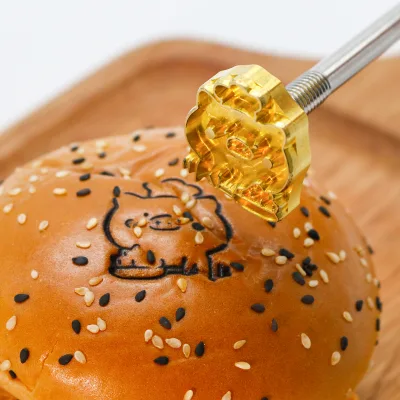
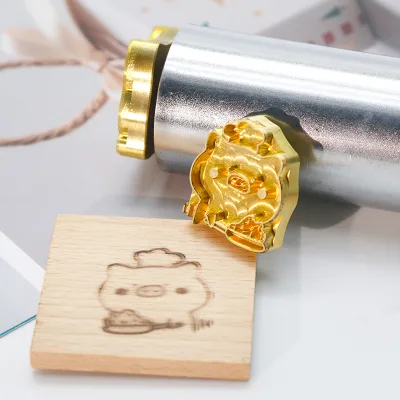
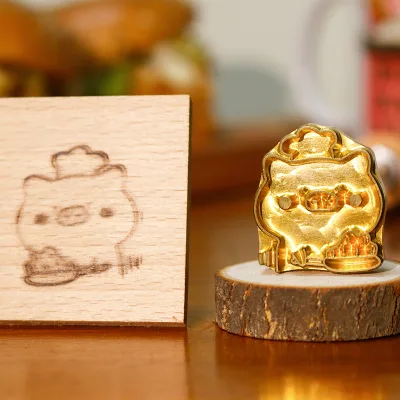
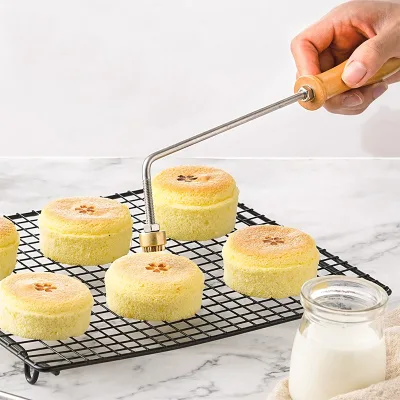
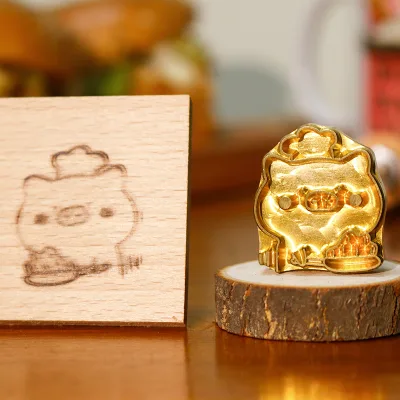
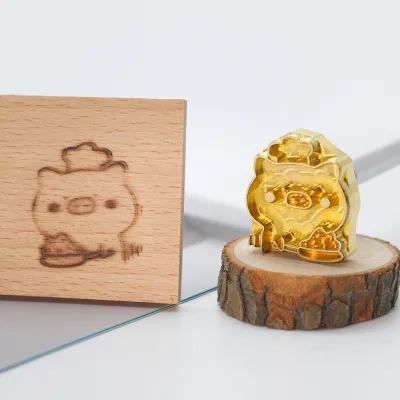


Comprehensive Sourcing Guide
Personalized Copper Wood Branding Iron Sourcing Guide
Sourcing personalized copper wood branding irons requires a nuanced understanding of thermal transfer mechanics and material durability. Buyers must distinguish between general-purpose stamping tools and specialized branding equipment designed for specific substrates like wood, leather, or plastic. The core keyword suggests a focus on custom branding solutions, often involving heated elements to imprint logos or text onto surfaces. This guide addresses the technical and commercial considerations necessary for selecting the right equipment, ensuring that the final product meets both aesthetic and functional requirements for industrial or artisanal use.
The procurement process involves evaluating the heating mechanism, whether electric or manual, and the compatibility of the branding die with the target material. While some listings mention "copper," it is critical to verify if the branding surface is solid copper, copper-clad, or a different alloy designed for heat retention. Buyers should also consider the customization options available, such as specifying the IPPC pattern or size, which are common requirements for wood pallet branding. Understanding these distinctions helps in filtering suppliers who offer true customization versus those providing standard off-the-shelf items.
Product Scope and Observed Listing Signals
The observed product landscape includes a variety of branding tools, ranging from manual hot branding irons to computerized electric systems. Listings indicate that products are often categorized under general stamping or specific applications like card printing and paper embossing, which may seem unrelated but share underlying thermal or mechanical principles. Buyers should note that some items are described as "semi-automatic" or "non-computerized," highlighting a spectrum of automation levels. This diversity means that a search for "Personalized Copper Wood Branding Iron" may yield results for tire retreading or fabric embossing, requiring careful filtering to find relevant wood-specific tools.
Key attributes observed include surface processing techniques like spraying, anodizing, or chrome plating, which affect the durability and appearance of the branding iron. The presence of "multistep progressive dies" and "cold stamping" processes suggests that some suppliers offer complex tooling solutions beyond simple branding. Additionally, the mention of "IPPC pattern and size" customization points to a specific regulatory need for wood packaging materials. Buyers must cross-reference these signals to ensure the product aligns with their specific branding needs, whether for decorative purposes or compliance marking.
Technical Specifications to Verify
When evaluating technical specifications, buyers should prioritize the material composition of the branding die. While the keyword mentions copper, trusted knowledge suggests that tool steel or alloy steel is often used for the die itself due to its hardness and heat resistance. The hardness should be specified in HRC, HB, or BHN values to ensure it can withstand repeated heating and pressing without deforming. Surface roughness, ranging from Ra6.4 to Ra0.8, is another critical parameter that affects the clarity of the branded image. Buyers must verify that the surface finish is appropriate for their desired level of detail and texture.
Tolerances are equally important, with observed values as tight as 0.01mm indicating high-precision manufacturing capabilities. This level of precision ensures that the branding pattern is accurate and consistent across multiple uses. Additionally, the driven type, whether electric or manual, impacts the operational workflow. Electric models offer consistent heating, while manual options provide flexibility but require more physical effort. Buyers should also check the computerized status of the equipment, as non-computerized tools may require manual temperature control, whereas computerized systems offer precise regulation for complex branding tasks.
Compliance and Safety Documentation
Compliance with international standards is essential for branding tools used in regulated industries. Buyers should verify that the product adheres to relevant standards such as DIN, ASTM, GB, JIS, ANSI, or BS, depending on the target market. These standards often dictate safety requirements for electrical components in electric branding irons, including insulation, grounding, and temperature control mechanisms. For wood branding, compliance with IPPC (International Plant Protection Convention) standards may be necessary if the branding is used for marking wood packaging materials. Buyers must ensure that the supplier can provide documentation proving adherence to these standards.
Safety documentation should also include information on the operating temperature range and any protective features built into the branding iron. For electric models, certifications related to electrical safety, such as CE or UL, may be required. Buyers should request test reports or certificates of conformity from the supplier to verify these claims. Additionally, the quality guarantee, often listed as one year, provides a baseline for after-sales support. Buyers should clarify what this guarantee covers, including defects in materials or workmanship, to mitigate risks associated with equipment failure.
Cost Drivers and Commercial Terms
Several factors influence the cost of personalized copper wood branding irons, including the complexity of the customization, the material used, and the level of automation. Customization options, such as specifying a unique IPPC pattern or size, typically increase the cost due to the additional design and manufacturing steps. The choice between manual and electric models also affects pricing, with electric systems generally being more expensive due to their integrated heating blocks and control systems. Buyers should request detailed quotes that break down these costs to understand the value proposition of each option.
Commercial terms, such as MOQ (Minimum Order Quantity) and lead times, are critical for planning procurement. Observed MOQ ranges vary from 1 to 500 units, allowing for both small-scale and bulk purchases. Lead times can impact production schedules, so buyers should confirm the estimated delivery time with the supplier. Payment terms and shipping methods, such as wooden box or carton packing, should also be negotiated to ensure safe delivery. Buyers should consider the total cost of ownership, including maintenance and replacement parts, when evaluating the overall value of the branding iron.
Supplier Qualification and Quality Control
Supplier qualification is a crucial step in ensuring the reliability of the branding iron. Buyers should assess the supplier's manufacturing capabilities, including their use of computerized equipment and precision tools. The presence of multistep progressive dies and advanced surface processing techniques indicates a higher level of technical expertise. Additionally, suppliers should have a robust quality control process, including inspections for material, hardness, tensile strength, and yield. Buyers should request evidence of these inspections, such as test reports or certificates, to verify the quality of the product.
The supplier's experience in the industry is another important factor. Suppliers with a track record in aerospace, marine, or mining parts may have higher standards for quality and durability. Buyers should also consider the supplier's location, with Shenzhen being a common origin for such equipment, indicating access to a mature supply chain. Communication and responsiveness are key indicators of a reliable supplier. Buyers should engage with the supplier to discuss their customization process and quality assurance protocols to ensure alignment with their requirements.
Long-Term Procurement Checks
Long-term procurement success depends on establishing a sustainable relationship with the supplier. Buyers should monitor the performance of the branding iron over time, tracking metrics such as durability, consistency of branding, and maintenance needs. Regular inspections and preventive maintenance can extend the lifespan of the equipment and ensure consistent performance. Buyers should also stay informed about updates in industry standards and regulations, such as changes to IPPC requirements, to ensure continued compliance.
Feedback from end-users is valuable for identifying areas for improvement. Buyers should collect data on the branding iron's performance in real-world applications and share this feedback with the supplier. This collaborative approach can lead to product enhancements and better alignment with buyer needs. Additionally, buyers should periodically review their supplier base to ensure they are getting the best value and quality. Building a diversified supplier network can mitigate risks associated with single-source dependencies and ensure continuity of supply.
FAQs
Can personalized copper wood branding irons be customized with specific patterns?
Yes, customization is available for specified IPPC patterns and sizes. Buyers can request unique designs tailored to their branding needs. The process supports manual branding tools for wood pallets. This ensures that the final product meets specific regulatory or aesthetic requirements for international shipping and packaging.
What materials are used for the branding iron die?
The branding iron die is typically made from tool steel or alloy steel. These materials provide the necessary durability and heat resistance for effective branding. The hardness can be adjusted to the request, measured in HRC, HB, or BHN. This ensures long-lasting performance during repeated use on various surfaces.
What is the surface roughness range for these branding tools?
The surface roughness ranges from Ra6.4 to Ra0.8. This precision ensures clean and clear branding marks on wood or other materials. The finishing options include anodizing, chrome plating, or powder coating. These treatments enhance corrosion resistance and extend the lifespan of the branding iron in industrial environments.
Which standards do these branding irons comply with?
These tools comply with international standards such as DIN, ASTM, GB, JIS, ANSI, and BS. Compliance is often determined according to the specific drawing provided by the buyer. This ensures that the branding iron meets global quality and safety requirements for use in various industries, including aerospace and marine sectors.
How are the branding irons packaged for shipping?
The branding irons are packaged in wooden boxes or wooden cases. This sturdy packaging protects the tools during transit and prevents damage. The packing method is designed to ensure safe delivery to international destinations. Buyers can request specific packing arrangements to meet their logistical requirements and ensure product integrity upon arrival.
What is the quality guarantee for these branding tools?
A one-year quality guarantee is provided for these branding tools. This covers defects in material and workmanship under normal use. The guarantee ensures that buyers receive reliable and durable products. Additional inspections for material, hardness, and tensile strength are conducted to maintain consistent quality standards across all manufactured units.