Source personalized eco-friendly gift wrap for jewelry, cosmetics, and electronics
Find 30 options for personalized eco-friendly gift wrap suitable for jewelry, cosmetics, and electronics. Buyers can compare customization features, materials like wood pulp, and printing methods to select the right packaging solution.
Key considerations
Products List


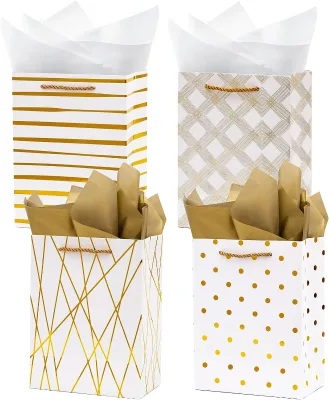


Low Carbon Eco Friendly Paper Bag Sustainable Green Christmas Gift Wrap
$0.26 - $0.40
MOQ: 1000 Pieces

Recyclable Corrugated Box Supports Green Gift Packing and Eco Friendly Shipping
$0.03 - $1.00
MOQ: 500 Pieces


Comprehensive Sourcing Guide
Personalized Eco-Friendly Gift Wrap Sourcing Guide
Sourcing personalized eco-friendly gift wrap requires a nuanced understanding of the intersection between sustainable material science and high-end packaging aesthetics. Buyers must distinguish between true eco-friendly materials, such as recycled wood pulp and biodegradable substrates, and marketing terms that may lack substantiation. The market offers a wide array of options, from rigid boxes to shrink films, each serving different branding and protection needs. Understanding the specific attributes of these materials is crucial for aligning procurement with corporate sustainability goals while maintaining the premium feel expected in gift packaging.
This guide provides evidence-based procurement strategies for sourcing personalized gift wrap solutions. It focuses on verifying technical specifications, ensuring compliance with safety standards, and managing commercial terms effectively. By leveraging observed listing signals and trusted category knowledge, buyers can navigate the complexities of custom packaging orders. The aim is to equip procurement professionals with the tools to make informed decisions that balance cost, quality, and environmental responsibility without relying on unverified claims.
Product Scope and Observed Listing Signals
The current market for personalized gift packaging exhibits a diverse range of product types, including rigid boxes, auto-lock bottom boxes, and shrink films. Observed listings indicate that customization is a primary driver, with suppliers offering tailored layering, shapes, and sizes to meet specific brand requirements. For instance, products like the HCP-094 and BCPBOX-301I models demonstrate the availability of customized dimensions and structural designs. Buyers should note that while many products are described as "eco-friendly," the actual material composition varies, with some utilizing wood pulp and others relying on cardboard or plastic-based films.
Price points and minimum order quantities (MOQs) vary significantly across suppliers, reflecting the complexity of customization and material choices. The observed price range spans from $0.01 to $2.99 per unit, with MOQs ranging from 1 to 5,000 pieces. This variability suggests that buyers can access both small-batch prototyping and large-scale production runs. However, the low-end prices may correspond to basic cardboard options, while higher prices likely reflect rigid box structures or specialized waterproof features. Understanding these signals helps buyers set realistic budget expectations and identify suppliers capable of meeting their volume requirements.
Technical Specifications to Verify
When evaluating technical specifications, buyers must prioritize material composition and structural integrity. Products made from wood pulp or recycled cardboard offer genuine sustainability benefits, whereas plastic-based shrink films may not align with eco-friendly goals despite their protective qualities. Key attributes to verify include the hardness of the material, with rigid boxes providing superior protection for delicate items like jewelry or electronics. Additionally, the transparency and molding methods, such as blow molding for shrink films, should be assessed to ensure they meet the functional requirements of the packaged goods.
Printing and surface handling are critical for personalized branding, with offset printing and logo customization being common features. Buyers should confirm the availability of free design services and the flexibility of printing methods to accommodate complex graphics. The weight of the packaging, often under 0.5 kg, impacts shipping costs and should be considered in the overall logistics strategy. Furthermore, verifying the exact dimensions, such as 20x14x9 cm or 27x21x11 cm, ensures that the packaging fits the product securely while minimizing void space and material waste.
Compliance and Safety Documentation
Compliance with environmental and safety standards is essential for maintaining brand integrity and meeting regulatory requirements. While some suppliers may claim FSC certification, buyers must verify this independently, as it is not universally guaranteed across all listings. Documentation should include material safety data sheets (MSDS) and proof of recycled content percentages to substantiate eco-friendly claims. Buyers should also inquire about the sourcing of raw materials to ensure they do not contribute to deforestation or other environmental harms.
Safety considerations extend to the chemical composition of inks and adhesives used in the printing process. Buyers should request information on the use of non-toxic, water-based inks to ensure the packaging is safe for food contact if applicable. Additionally, verifying that the products meet relevant international standards for packaging materials is crucial for exporting to markets with strict regulatory environments. Proactive verification of these documents helps mitigate risks associated with non-compliance and potential product recalls.
Cost Drivers and Commercial Terms
Several factors influence the cost of personalized gift wrap, including material selection, customization complexity, and order volume. Rigid boxes and specialized structures typically incur higher costs due to the additional labor and materials required. Buyers should negotiate based on the total cost of ownership, considering not just the unit price but also shipping, duties, and potential waste. Understanding the cost drivers allows for more effective budgeting and negotiation strategies with suppliers.
Commercial terms such as sample lead times and payment conditions are also critical components of the procurement process. Sample orders typically take 3-7 business days, which should be factored into the overall project timeline. Buyers should clarify whether sample costs are refundable upon placing a bulk order and establish clear payment terms to manage cash flow. Additionally, understanding the supplier's capacity for handling custom orders and their flexibility in accommodating design changes can prevent delays and additional costs during production.
Supplier Qualification and Quality Control
Supplier qualification involves assessing their manufacturing capabilities, quality control processes, and track record. Buyers should request samples to evaluate the physical quality of the packaging, including print accuracy, structural stability, and material finish. Verifying the supplier's ability to handle custom orders and their responsiveness to design changes is also important. Suppliers located in regions like Foshan, China, may offer competitive pricing and efficient logistics, but buyers should conduct due diligence to ensure they meet quality and ethical standards.
Quality control measures should be established to ensure consistency across production batches. Buyers should define clear acceptance criteria for defects, such as misprints, structural weaknesses, or material inconsistencies. Implementing pre-shipment inspections or third-party quality audits can help identify and rectify issues before the goods are dispatched. Establishing a robust quality control framework protects the buyer from receiving substandard products and maintains the brand's reputation for quality and reliability.
Long-Term Procurement Checks
Long-term procurement success depends on continuous monitoring of supplier performance and market trends. Buyers should regularly review supplier metrics, including on-time delivery rates, defect rates, and responsiveness to issues. Building strong relationships with reliable suppliers can lead to better pricing, priority production, and collaborative innovation in sustainable packaging solutions. Staying informed about advancements in eco-friendly materials and technologies allows buyers to stay ahead of competitors and meet evolving consumer expectations.
Additionally, buyers should periodically reassess their packaging requirements to ensure they align with sustainability goals and cost objectives. This may involve exploring new materials, optimizing designs to reduce waste, or consolidating suppliers to streamline the procurement process. By maintaining a proactive approach to supplier management and market analysis, buyers can secure a resilient supply chain that supports their brand's long-term success and environmental commitments.
FAQs
Can I get custom logo printing on these gift boxes?
Yes, logo printing is available with offset printing methods to meet your specific needs. You can request custom designs as part of the customization service offered for these rigid and auto-lock bottom boxes.
What are the available sizes for these packaging boxes?
The boxes come in middle sizes with specific dimensions like 27 by 21 by 11 centimeters or 15 by 13 by 7 centimeters. Customized sizes are also available to fit various product requirements for gifts and cosmetics.
How long does it take to receive sample orders?
Sample orders typically require 3 to 7 business days for preparation and delivery. This lead time applies to custom orders where specific designs or specifications are requested before mass production begins.
Which materials are used to make these gift boxes?
These boxes are primarily made from wood pulp and cardboard materials. Some options may feature recycled materials, ensuring they are suitable for eco-friendly packaging needs while maintaining a rigid structure.
What is the minimum order quantity for these boxes?
The minimum order quantity ranges from 1 to 5000 units depending on the specific product model and customization level. Single item selling units are available, allowing for flexible purchasing options for small businesses.
Can I order custom designs for these rigid boxes?
Yes, custom orders are accepted with free design services available to assist you. You can specify unique dimensions, printing methods, and surface handling to create personalized packaging for jewelry, electronics, or food products.