Source Disposable EO Sterile Reaction Cuvette for Lab Testing
Find and compare 30 listings for Disposable EO Sterile Reaction Cuvette designed for laboratory usage. These plastic and rubber options feature transparent designs with models like A02 and A27, supporting OEM customization and free samples for bulk orders; compare the available evidence and request quotations based on your requirements.
Key considerations
Products List


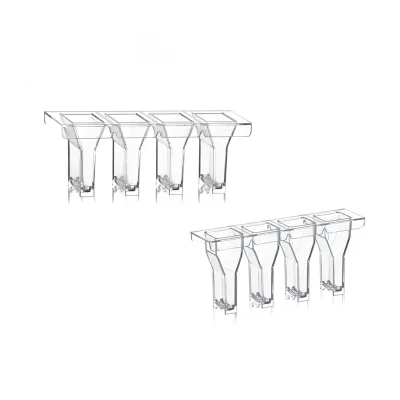
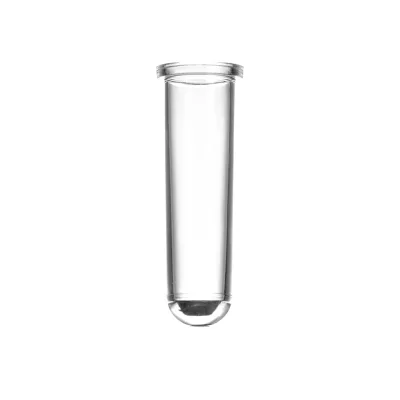


High-Quality Durable and Reliable Plastic Cuvette for Precise Measurements
$0.03 - $0.03
MOQ: 500 Pieces


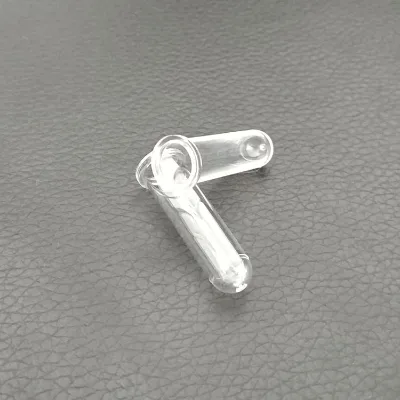
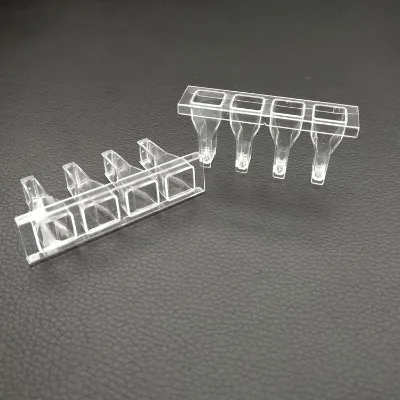
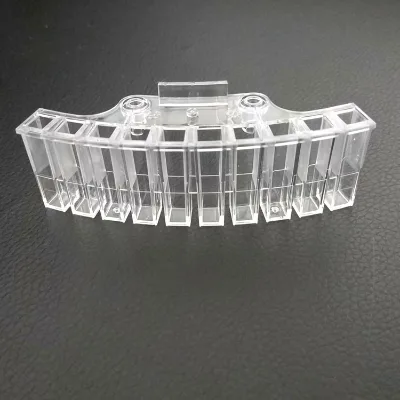
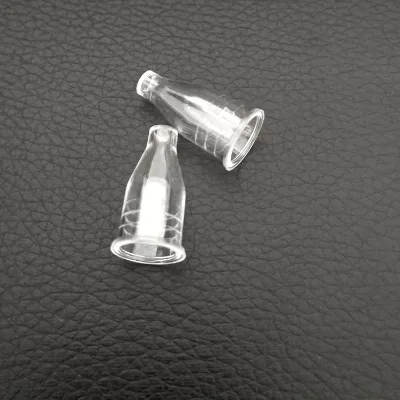
BS120 Plastic Coagulation Cup Disposable Specimen Cups Reaction Cuvette
$0.07 - $0.09
MOQ: 10000 Pieces


Comprehensive Sourcing Guide
Disposable EO Sterile Reaction Cuvette Sourcing Guide
Procuring disposable ethylene oxide (EO) sterile reaction cuvettes requires a careful balance between laboratory precision and operational efficiency. These specialized optical components are designed for single-use applications, eliminating the risks of cross-contamination and the time-consuming process of cleaning and sterilizing reusable glassware. Buyers must prioritize suppliers who can guarantee consistent optical clarity and sterility assurance levels suitable for sensitive analytical procedures. The shift toward disposable formats is driven by the need for higher throughput and reduced labor costs in high-volume testing environments.
The market for these cuvettes is characterized by a wide range of customization options and material compositions. Suppliers often offer products made from high-quality plastic or rubber blends, tailored to specific spectrophotometric requirements. Key attributes such as transparency, hole configuration, and bottle top styles vary significantly across listings. Procurement teams should focus on verifying the exact specifications required for their instruments, as mismatched dimensions or optical paths can lead to inaccurate readings. Understanding the available customization capabilities, including OEM and ODM services, is essential for integrating these consumables into existing laboratory workflows seamlessly.
Product Scope and Observed Listing Signals
The observed product landscape reveals a diverse array of disposable cuvettes with varying model numbers and packaging configurations. Listings indicate models such as A02, A27, A36, and A35, each potentially serving distinct laboratory needs. The material composition is frequently cited as plastic or rubber, with transparent variants being the most common for optical applications. Buyers should note that while some products are labeled as "rubber/plastic," the primary functional material for optical transmission is typically high-grade plastic. The presence of specific item numbers like A40 and GP-SC suggests a standardized catalog system among suppliers, facilitating easier reordering and inventory management.
Packaging and minimum order quantities (MOQ) present significant variables in the sourcing process. Observed packing details range from small bags containing 500 pieces to bulk cartons holding up to 14,400 pieces. MOQs are flexible, starting from as low as one carton, which accommodates both small research labs and large industrial facilities. Some suppliers offer free samples, a critical feature for validating product quality before committing to large orders. The origin of these products is predominantly China, with specific mentions of regions like Shandong and Zhejiang, indicating a concentrated manufacturing hub. Buyers must carefully evaluate the quantity per carton to ensure it aligns with their storage capacity and usage rates.
Technical Specifications to Verify
Optical performance is the primary technical consideration when selecting disposable reaction cuvettes. Buyers must verify the light path length, typically 10mm for standard spectrophotometry, and ensure the material offers high transparency in the required wavelength range. The "1 Holes" specification observed in some listings refers to the physical design for holding the cuvette in the instrument, not the optical path. It is crucial to confirm that the cuvette fits the sample holder of the specific spectrophotometer model in use. Mismatches in size, such as "Small" or "no" size specifications, can lead to light leakage or improper alignment, compromising data integrity.
The physical construction and sealing mechanisms are equally important for reaction-based applications. Some listings highlight "Screw Top" bottle tops, which are essential for preventing evaporation and contamination during long-term reactions or storage. The distinction between standard cuvettes and those with integrated reaction vessels must be clear. Buyers should also check the single package size, which impacts shipping costs and storage logistics. For instance, a single package size of 58x37x33 cm suggests bulk shipping considerations. Verifying the exact dimensions and weight of the packaged product helps in planning warehouse space and handling equipment requirements effectively.
Compliance and Safety Documentation
Sterility assurance is a critical compliance factor for disposable cuvettes used in sensitive biological or chemical assays. Ethylene oxide (EO) sterilization is a common method, but buyers must request documentation proving the sterility assurance level (SAL) meets international standards, typically 10^-6. It is essential to verify that residual EO levels are within safe limits for laboratory personnel and sample integrity. Suppliers should provide certificates of analysis (CoA) that detail the sterilization process and any post-sterilization aeration periods. This documentation ensures that the cuvettes are safe for use in environments where contamination control is paramount.
Certifications such as ISO and CE indicate that the manufacturer adheres to recognized quality management and safety standards. While these certifications are valuable, they do not automatically guarantee that every batch of cuvettes meets specific optical or sterility requirements. Buyers should request batch-specific test reports or quality control records to verify consistency. The "Class: Other" classification in some listings suggests a lack of standardized categorization, necessitating deeper due diligence. Understanding the regulatory landscape of the destination country is also vital, as import regulations may require additional documentation or specific labeling for sterile medical or laboratory devices.
Cost Drivers and Commercial Terms
The price range for disposable cuvettes is influenced by material quality, packaging complexity, and order volume. Observed prices vary, with some listings indicating a range up to $58.40, likely reflecting bulk or specialized configurations. The cost per unit decreases significantly with larger orders, making it important to calculate the total cost of ownership rather than just the unit price. Packaging materials, such as PP bags and standard export cartons, add to the cost but are necessary for maintaining sterility and preventing damage during transit. Buyers should negotiate pricing based on annual volume commitments to secure better rates.
Commercial terms, including MOQ and sample policies, play a crucial role in the procurement strategy. The availability of free samples allows buyers to test product quality without financial risk, which is a significant advantage. However, shipping costs for samples and bulk orders can offset these savings. Lead times and production capacity should be discussed early to ensure supply chain stability. Suppliers offering OEM/ODM services may have higher minimums but provide tailored solutions that can reduce long-term costs. Understanding the payment terms and warranty policies, such as the "3 Years" warranty mentioned in some listings, helps in assessing the supplier's confidence in their product durability and quality.
Supplier Qualification and Quality Control
Evaluating supplier qualifications involves more than just checking certifications; it requires assessing their manufacturing capabilities and quality control processes. Buyers should inquire about the raw material sources, ensuring that the plastic or rubber used is free from contaminants that could interfere with optical readings. Factories with ISO certification should have documented procedures for maintaining cleanroom environments during production. It is advisable to request a virtual or on-site audit to verify these conditions. Suppliers who provide detailed packing information, such as "1PC*500bags, 500PCS/CTN," demonstrate a structured approach to quality assurance and inventory control.
Quality control checks should include random sampling from production batches to verify optical clarity, dimensional accuracy, and sterility. Buyers should establish clear acceptance criteria for defects, such as scratches, cloudiness, or broken tops. The "Free of Charge" sample policy is a good initial test, but it should be followed by a pilot order to assess consistency. Suppliers who are transparent about their production standards and willing to provide test reports are more likely to deliver reliable products. Building a relationship with a supplier who prioritizes quality over speed can prevent costly errors in laboratory results and ensure long-term supply chain reliability.
Long-Term Procurement Checks
Sustainable sourcing practices are becoming increasingly important in laboratory procurement. Buyers should evaluate suppliers' environmental policies, particularly regarding the disposal of plastic waste and the use of eco-friendly packaging materials. While disposable cuvettes offer convenience, their environmental impact must be managed through proper waste disposal protocols. Suppliers who offer recyclable packaging or have take-back programs can help reduce the laboratory's carbon footprint. Additionally, considering the durability of the packaging during storage and transport can minimize waste caused by damaged goods.
Continuous monitoring of supplier performance is essential for maintaining high standards. Regular reviews of delivery times, product quality, and customer service responsiveness help identify potential issues early. Buyers should maintain a diversified supplier base to mitigate risks associated with supply chain disruptions. Keeping abreast of technological advancements in cuvette design, such as improved optical materials or new sterilization methods, can provide competitive advantages. By establishing a robust procurement framework that includes regular audits and performance metrics, organizations can ensure a steady supply of high-quality disposable cuvettes for their laboratory needs.
FAQs
What certifications do the disposable reaction cuvettes have?
The disposable reaction cuvettes are certified with ISO and CE standards. These certifications ensure that the products meet international quality and safety requirements for laboratory use. Buyers can rely on these documented credentials when sourcing materials for regulated testing environments or clinical applications requiring verified compliance.
Can I get custom branding for these cuvettes?
Customization is available for these products, including OEM, ODM, and OBM services. Buyers can request specific branding or packaging modifications to suit their laboratory needs. This flexibility allows organizations to maintain their brand identity while utilizing high-quality disposable reaction cuvettes for their daily analytical procedures.
What is the minimum order quantity for these items?
The minimum order quantity is one carton. This low entry point allows buyers to test the product quality without committing to large volumes. The standard packing contains 500 pieces per carton, making it suitable for small laboratories or initial procurement trials before scaling up to larger orders.
Are these cuvettes suitable for laboratory usage?
Yes, these cuvettes are explicitly designed for laboratory usage. They are made from plastic and rubber materials, ensuring durability and chemical resistance for various analytical tasks. The transparent design facilitates accurate optical measurements, making them ideal for color dilution and other spectrophotometric applications in research settings.
Where are these reaction cuvettes manufactured?
These products originate from China, with specific manufacturing locations in Shandong and Zhejiang provinces. This geographic sourcing provides access to established industrial supply chains. Buyers can expect consistent production capabilities and logistical support from these regions, which are known for their robust manufacturing infrastructure for laboratory consumables.
What packaging options are available for bulk orders?
Standard packaging includes cartons containing 500 bags or specific box configurations like 60 pieces per box. Some variants offer 2000 pieces per bag. The single package size is approximately 58x37x33 cm. These standardized packing methods ensure safe transport and efficient storage for laboratory supplies in bulk quantities.