Source Personalized Medal for Home Decorations, Promotion Gifts, and Souvenirs
Find 30 options for Personalized Medal including alloy and gold finishes with custom designs. Buyers can compare shapes, plating methods, and packaging details from suppliers in China to select the right items for home decorations, promotion gifts, or souvenirs.
Key considerations
Products List


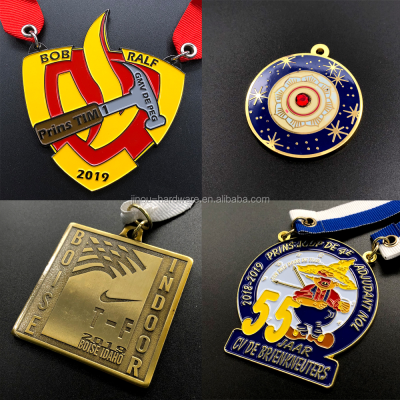


Medal Customize with Your Own Logo Wholesale Quality Personalized Sport Medal
$0.10 - $2.00
MOQ: 50 Pieces
Comprehensive Sourcing Guide
Personalized Medal Sourcing Guide
Sourcing personalized medals requires a strategic approach that balances aesthetic customization with functional durability, particularly when these items serve as promotional gifts, souvenirs, or awards for specific events. The market offers a wide array of options, ranging from standard die-cast alloys to intricate hand-made designs, each with distinct implications for cost, lead time, and final presentation. Buyers must navigate a landscape where customization is not merely an add-on but a core component of the product definition, influencing everything from the initial design phase to the final packaging. Understanding the interplay between material choices, plating finishes, and structural integrity is essential for ensuring that the final product meets both the visual expectations of the recipient and the practical demands of the procurement budget.
This guide provides a structured framework for evaluating suppliers and products in the Personalized Medal sector. It focuses on verifying technical specifications, ensuring compliance with safety standards, and managing commercial terms effectively. By adhering to evidence-based verification steps, buyers can mitigate risks associated with quality inconsistencies and supply chain delays. The following sections detail the critical factors that determine the success of a medal procurement project, offering actionable insights for sourcing professionals who need to deliver high-quality, customized awards without compromising on budget or timeline.
Product Scope and Observed Listing Signals
The current market for personalized medals exhibits a diverse range of product attributes, with observed listings indicating a price range of $0.1 to $2 USD and minimum order quantities (MOQs) varying from 1 to 100 pieces. This wide variance suggests that buyers can access both low-volume, high-customization samples and larger bulk orders, depending on their specific needs. The observed data highlights that customization is a standard feature, with suppliers offering tailored designs, logos, ribbons, and sizes. This flexibility allows organizations to create unique awards for various occasions, from corporate promotions to community events, ensuring that the final product aligns closely with their branding and thematic requirements.
Product shapes and techniques vary significantly, with round and irregular shapes available, often produced through casting, polishing, or die-casting processes. Materials range from alloy to gold, with plating options including gold, brass, silver, nickel, bronze, and black finishes. These variations allow for different aesthetic outcomes, from classic metallic looks to modern, matte finishes. Additionally, the inclusion of lanyards, typically made of polyester with specific dimensions like 860x25mm, and logo methods such as color filling, adds to the functional and visual appeal of the medals. Buyers should carefully review these attributes to ensure they match the intended use, whether for outdoor activities, indoor ceremonies, or long-term display.
Technical Specifications to Verify
When evaluating technical specifications, buyers must prioritize the verification of material composition and manufacturing processes to ensure durability and aesthetic quality. The supplied facts indicate that materials can include alloy, gold, or other unspecified types, with processes ranging from die-casting to hand-made techniques. It is crucial to confirm the exact material grade, especially for medals intended for frequent handling or outdoor use, as this affects weight, corrosion resistance, and overall longevity. For instance, die-cast medals often offer greater structural integrity for complex shapes, while hand-made pieces may provide unique artistic value but require careful inspection for consistency.
Dimensions and weight are also critical technical parameters that influence both the perceived value and the logistical handling of the medals. Observed specifications include sizes such as 70x80x10mm and net weights around 110g per piece, which provide a baseline for quality assessment. Buyers should verify these dimensions against their design requirements to ensure that the medals fit standard lanyards or display cases. Furthermore, the customization of size, color, and shape must be clearly defined in the technical drawings or prototypes to avoid discrepancies between the ordered product and the final delivery. Clear communication of these specifications with the supplier is essential to prevent costly rework or delays.
Compliance and Safety Documentation
Compliance and safety are paramount, particularly when medals are intended for use by children or in public events where skin contact is frequent. The supplied facts mention certifications such as SGS and CE, which are critical indicators of adherence to international safety and quality standards. Buyers should request valid certification documents to verify that the materials used, including the plating and lanyards, are free from harmful substances like lead, cadmium, and nickel, which can cause allergic reactions or health issues. Ensuring that the supplier has these certifications in place helps mitigate legal and reputational risks associated with non-compliant products.
In addition to material safety, buyers should verify the compliance of the packaging and labeling with relevant regulations. The observed packing methods, such as 1PC/Poly Bag or 1PC/OPP Bag, should be assessed for their environmental impact and durability during shipping. If the medals are destined for markets with strict environmental regulations, such as the European Union, buyers may need to ensure that the packaging materials are recyclable or biodegradable. Furthermore, the customization of logos and designs should not compromise the safety of the product, such as by using small, detachable parts that could pose a choking hazard. Clear documentation of these compliance measures is essential for a smooth procurement process.
Cost Drivers and Commercial Terms
The cost of personalized medals is influenced by several key drivers, including material selection, plating complexity, and the extent of customization. The observed price range of $0.1 to $2 USD suggests that basic alloy medals with simple plating are more affordable, while those with gold plating, intricate designs, or hand-made processes command higher prices. Buyers should analyze these cost drivers to determine the most cost-effective options that still meet their quality and aesthetic requirements. For example, choosing a standard round shape over an irregular one may reduce tooling costs, while opting for a single plating color instead of multiple finishes can lower production expenses.
Commercial terms, such as MOQs and lead times, also play a significant role in the overall cost structure. The observed MOQ range of 1 to 100 pieces offers flexibility for small orders, but larger quantities may benefit from volume discounts. Buyers should negotiate clear terms regarding payment schedules, shipping costs, and penalties for delays. Additionally, the customization of ribbons and logos may incur additional fees, which should be transparently disclosed by the supplier. Understanding these commercial terms helps buyers budget accurately and avoid unexpected costs, ensuring that the procurement project remains financially viable.
Supplier Qualification and Quality Control
Supplier qualification is a critical step in ensuring the reliability and quality of personalized medals. Buyers should assess suppliers based on their production capabilities, quality control processes, and past performance. The supplied facts indicate that suppliers are located in China, with specific origins in Zhongshan and Guangdong, which are known for their manufacturing expertise in metal products. Buyers should verify the supplier’s production capacity, especially for large orders, to ensure they can meet delivery deadlines without compromising quality. Additionally, checking for relevant certifications and client testimonials can provide insights into the supplier’s reliability and professionalism.
Quality control measures should be clearly defined and enforced throughout the production process. Buyers should request samples before mass production to verify the accuracy of the design, material, and finish. During production, regular inspections can help identify and address any issues early, such as plating defects or dimensional inaccuracies. The observed packing methods, such as 1PC/Poly Bag or Outer Carton, should be evaluated for their ability to protect the medals during transit. Establishing a robust quality control protocol with the supplier ensures that the final products meet the agreed-upon standards, reducing the risk of returns or customer dissatisfaction.
Long-Term Procurement Checks
Long-term procurement success depends on establishing a sustainable relationship with suppliers and continuously monitoring performance. Buyers should conduct regular reviews of supplier performance, focusing on metrics such as on-time delivery, product quality, and responsiveness to issues. The ability of the supplier to adapt to changing requirements, such as new design trends or regulatory updates, is also a key indicator of their long-term viability. By maintaining open communication and providing constructive feedback, buyers can foster a collaborative partnership that benefits both parties.
Additionally, buyers should stay informed about market trends and technological advancements in medal production. This includes monitoring changes in material costs, plating techniques, and sustainability practices. By staying proactive, buyers can identify opportunities for cost savings or quality improvements, such as switching to more eco-friendly materials or adopting new customization technologies. Regularly updating procurement strategies based on these insights ensures that the organization remains competitive and continues to deliver high-quality personalized medals to its stakeholders. This long-term perspective helps mitigate risks and maximizes the value of the procurement investment.
FAQs
What customization options are available for personalized medals?
Customization is available for shape, design, logo, ribbon, and size. Buyers can request specific shapes like round or irregular, along with customized designs and logos to meet unique branding needs.
Which materials are used to manufacture these personalized medals?
The medals are primarily made from alloy, though some listings specify gold material. The production process includes die-casting and polishing to ensure a high-quality finish suitable for various applications.
Can I order personalized medals with a low minimum quantity?
Yes, the minimum order quantity can be as low as 1 piece for some items. Other listings require a minimum of 100 pieces, so buyers should check specific product models for exact MOQ requirements.
What certifications do these personalized medals hold?
Selected products carry SGS and CE certifications to ensure quality and safety standards. These certifications are verified for specific models like the finisher medal to meet international compliance requirements.
How are the personalized medals packaged for shipment?
Packaging typically includes one piece per poly bag or OPP bag. Some orders may require outer cartons, and custom packaging arrangements are available upon request to protect the items during transit.
Where are these personalized medals manufactured?
The products originate from China, specifically from locations like Zhongshan and Guangdong. This regional sourcing allows for efficient manufacturing and customization services for international buyers.