Source Petrochemical Triplex Drilling Pumps for Oil, Mud, and Wax
Find 30 available Petrochemical Triplex Drilling Pumps with electric, hydraulic, and pneumatic power sources. Compare models like 3TP2500 and 350-2200HP for water, mud, and oil applications. Verify ISO 9001 and API 7K standards to select the right equipment for your industrial needs.
Key considerations
Products List


Drilling Mud Pump High Quality Duplex Triplex Single-Acting Reciprocating Piston Mud Pump
$25000.00 - $30000.00
MOQ: 1 Pieces

HDD Triplex Piston Pump for Drilling Rig for Well Drilling for Oilfield
$63000.00 - $69000.00
MOQ: 1 Pieces

High Pressure Triplex Hydraulic Plunger Mud Pump for Oilfield Drilling Equipment
$5000.00 - $10000.00
MOQ: 1 Pieces

2022 Hot Selling Triplex Single Action Piston Mud Pump for Oil Drilling
$71000.00 - $75000.00
MOQ: 1 Pieces


Reliable Triplex Mud Pump with Certification for Drilling Applications
$45000.00 - $68000.00
MOQ: 1 Pieces


High-Performance Drilling Triplex Mud Pump for Efficient Operations
$45000.00 - $68000.00
MOQ: 1 Pieces


Horizontal Centrifugal Pump for Oilfield Drilling Centrifugal Chemical Pump
$1000.00 - $2000.00
MOQ: 1 Pieces



Comprehensive Sourcing Guide
Petrochemical Triplex Drilling Pumps Sourcing Guide
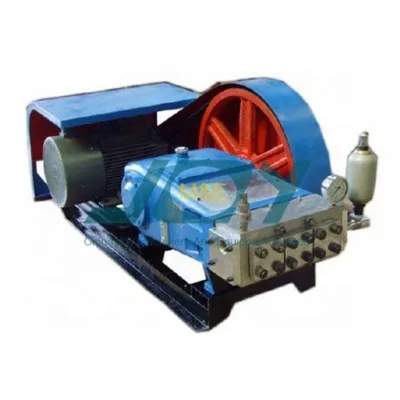
Procuring triplex drilling pumps for petrochemical applications requires a rigorous understanding of both mechanical durability and fluid compatibility. These high-pressure positive displacement pumps are critical for maintaining continuous circulation in drilling operations, where they must handle abrasive media such as mud and water under demanding conditions. Buyers must recognize that the core value lies in the pump’s ability to sustain consistent flow rates and pressure outputs without failure, ensuring operational safety and efficiency on site.
The selection process involves evaluating multiple power sources and transmission methods, as observed listings indicate options ranging from electric and hydraulic drives to diesel engines and motor combinations. Understanding the specific driving method is essential for matching the pump to existing site infrastructure. Furthermore, the distinction between new and old pump configurations, along with available customization options, allows buyers to tailor equipment to unique operational constraints, ensuring that the chosen unit integrates seamlessly into the broader drilling system.
Product Scope and Observed Listing Signals
The market for these pumps presents a wide variance in specifications, with observed power models spanning from 350 to 2200 horsepower. This broad range indicates that suppliers cater to diverse drilling depths and operational intensities, requiring buyers to align their selection with the specific torque and power demands of their drilling rigs. The presence of models like the 3TP-2800 and T335 suggests a standardized naming convention that often correlates with displacement and pressure capabilities, providing a baseline for initial technical comparisons.
Listing signals also reveal significant variation in physical dimensions and packing methods, with some units specified in large metric dimensions while others are packed in steel supports or plywood cases. This variability impacts logistics and installation planning, as buyers must account for the spatial requirements of the pump and its support structure. Additionally, the observation of materials such as stainless steel, alloy, and rubber highlights the need to verify component compatibility with the specific fluids being pumped, ensuring that material degradation does not compromise performance over time.
Technical Specifications to Verify
Key performance metrics such as maximum displacement, pressure ratings, and stroke length are critical for verifying pump suitability. Observed data points include a maximum displacement of 740 gallons per minute and a maximum pressure of 9 MPa or 1300 psi, with a stroke length of 177.8 mm. Buyers must confirm that these figures align with their operational requirements, particularly when handling viscous media like heavy crude oil or base oil, where consistent pressure delivery is vital for effective drilling fluid circulation.
Inlet and outlet pipe diameters, observed at 273 mm and 89 mm respectively, dictate the hydraulic connectivity and flow dynamics of the system. Verifying these dimensions ensures that the pump interfaces correctly with existing piping infrastructure, preventing bottlenecks or pressure losses. Additionally, the input power requirement of 300 kW for certain models underscores the importance of matching the pump’s electrical or mechanical power needs with the available site resources, avoiding overloading or underutilization of the power supply.
Compliance and Safety Documentation
Certification standards play a pivotal role in validating the quality and safety of triplex drilling pumps. Observed listings frequently reference ISO 9001, API 7K, CE, and RoHS certifications, indicating adherence to international quality management and safety standards. Buyers should verify that the supplier holds current and valid certificates for each relevant standard, ensuring that the manufacturing process meets rigorous quality controls and environmental regulations.
The presence of multiple certification references, such as ISO 9001:2000 and ISO 9001:2008, suggests that suppliers may have varying levels of compliance history. It is essential to confirm that the specific unit being purchased is covered by the most recent and applicable certifications. Additionally, compliance with API 7K is particularly important for drilling equipment, as it ensures that the pump meets industry-specific requirements for durability and performance in harsh drilling environments, reducing the risk of operational failures.
Cost Drivers and Commercial Terms
Pricing for these pumps varies significantly, with observed ranges extending from $0.1 to $100,000, reflecting differences in power output, material quality, and customization levels. Buyers must analyze the cost structure to understand what drives the price, such as the inclusion of high-grade stainless steel components or advanced hydraulic systems. It is crucial to request detailed breakdowns of costs to identify any hidden fees or exclusions that may impact the total cost of ownership.
Minimum order quantities (MOQ) are observed to be low, ranging from 1 to 20 units, which offers flexibility for buyers who need to replace individual units or scale up their fleet gradually. However, buyers should negotiate commercial terms carefully, considering factors such as payment schedules, warranty periods, and after-sales support. Understanding the total cost, including maintenance and spare parts, is essential for making an informed procurement decision that balances initial investment with long-term operational efficiency.
Supplier Qualification and Quality Control
Supplier qualification involves assessing the manufacturer’s capability to produce reliable and durable pumps. Buyers should verify the supplier’s manufacturing processes, such as forging and spray-painting, which contribute to the structural integrity and corrosion resistance of the pump. Observing the use of standard packing methods and steel supports indicates a focus on protecting the equipment during transit, which is a key indicator of a supplier’s attention to detail and quality assurance practices.
Quality control measures should include rigorous testing of the pump’s performance under simulated operating conditions. Buyers should request test reports or certification documents that verify the pump’s ability to handle the specified pressure and displacement rates. Additionally, assessing the supplier’s ability to provide customized requests and spare parts, such as liner piston valve rods, ensures that long-term maintenance and repair needs can be met efficiently, minimizing downtime and operational disruptions.
Long-Term Procurement Checks
Long-term procurement success depends on establishing a reliable supply chain for spare parts and maintenance services. Buyers should verify the availability of critical components, such as liners, pistons, and valve rods, which are subject to wear and tear during operation. Ensuring that the supplier can provide these parts promptly and at competitive prices is essential for maintaining the pump’s performance and extending its service life.
Furthermore, buyers should consider the supplier’s track record in providing technical support and training. Access to expert guidance on installation, operation, and troubleshooting can significantly enhance the efficiency and safety of drilling operations. Establishing a long-term partnership with a qualified supplier ensures that any future technical issues can be resolved quickly, minimizing the impact on drilling schedules and overall project profitability.
FAQs
What certifications do Petrochemical Triplex Drilling Pumps have?
These pumps typically hold ISO 9001, API 7K, CE, and RoHS certifications. The specific certification list may vary by model, such as ISO 9001:2000 or ISO 9001:2008, ensuring compliance with international quality and safety standards for industrial applications.
Which power sources are available for these drilling pumps?
Available power sources include electric, hydraulic, and pneumatic options. Some models also utilize a diesel engine and motor combination. The selection depends on the specific operational requirements and the driving method needed for the intended drilling environment.
Can I request customization for Petrochemical Triplex Drilling Pumps?
Yes, customization is available for these pumps to meet specific client needs. Buyers can submit customized requests for various attributes. This flexibility allows for tailored solutions regarding specifications, materials, or other requirements to ensure optimal performance in unique scenarios.
What is the maximum pressure rating for these pumps?
The maximum pressure rating is 9 MPa or 1300 psi for certain models. This capacity supports high-pressure operations required in drilling applications. Buyers should verify the specific pressure limits against their operational needs when selecting the appropriate pump model.
How are these pumps packed for shipping?
Packing options include steel support, standard packing, wooden cases, or plywood cases. Some products are packed by sea or according to customer requirements. The specific packing method ensures safe transport and protection of the pump during international shipping logistics.
What materials are used in manufacturing these pumps?
Manufacturing materials include stainless steel, alloy, and rubber components. The choice of material depends on the specific pump model and its intended application. These materials are selected to ensure durability and resistance against harsh operating conditions in petrochemical environments.
Which models are available for heavy crude oil applications?
Models like the 3TP2500 and T335 are suitable for heavy crude oil applications. These units feature multi-cylinder structures and are designed for specific displacement and power inputs. Buyers should match the model number to their specific capacity and pressure requirements.