Source Petrol Engine Vibratory Compactor for Road, Pavement, and Soil
Find 30 Petrol Engine Vibratory Compactor units with varying specifications like 7.5-9HP engines and 30-35cm compaction depths. Compare models from Jiangsu and Henan, China, featuring CE and ISO 9001 certifications for construction applications.
Key considerations
Products List


Gasoline Engine Vibratory Compact 90kg Asphalt Vibrating Compact Plate Compactor
$265.00 - $340.00
MOQ: 1 Pieces

Engine Vibratory Compact 90kg Asphalt Vibrating Compact Plate Compactor
$265.00 - $340.00
MOQ: 1 Pieces
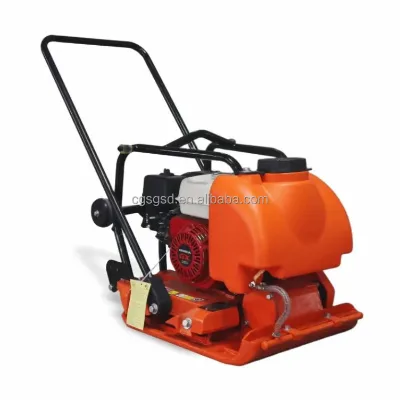


Factory Direct Sales Diesel Gasoline Engine Reversible Vibratory Plate Compactor
$358.00 - $528.00
MOQ: 1 Pieces

Diesel Engine Plate Compactor Manufacturer Vibrating Compactors for Price
$358.00 - $528.00
MOQ: 1 Pieces


Best Handheld Soil Dirt Compaction Gasoline Engine Vibrating Plate Compactor
$250.00 - $288.00
MOQ: 1 Pieces
Comprehensive Sourcing Guide
Petrol Engine Vibratory Compactor Sourcing Guide
Selecting the right compaction equipment requires a clear understanding of how engine type, vibration mechanism, and plate geometry interact to deliver soil density. A Petrol Engine Vibratory Compactor is a self-contained unit designed for trench backfilling, asphalt patching, and compacting granular soils in confined spaces where larger machinery cannot operate. The petrol engine provides independent power, eliminating the need for external electricity sources, which makes these units ideal for remote construction sites, residential landscaping, and utility repairs. Buyers must evaluate the balance between engine power, centrifugal force, and travel speed to ensure the machine matches the specific soil conditions and compaction depth requirements of their project.
The market offers a variety of configurations, including uniaxial monowheel rammers and biaxial three-wheel models, each suited to different material types and operational constraints. Uniaxial rammers are typically preferred for cohesive soils like clay, where high impact force is needed to break down soil structure, while vibratory plates are often better for granular materials like sand and gravel. Understanding the distinction between these types is critical for procurement, as using the wrong machine can lead to inefficient compaction, increased fuel consumption, and potential damage to the equipment. This guide outlines the key technical, commercial, and compliance factors to consider when sourcing these essential construction tools.
Product Scope and Observed Listing Signals
The current market landscape for petrol engine vibratory compactors shows a diverse range of models with varying specifications and price points. Observed listings indicate a price range from approximately $160 to $8,000 USD, reflecting the wide spectrum from small, manual-operated units to larger, ride-on or heavy-duty walk-behind models. The minimum order quantity (MOQ) typically ranges from 1 to 6 units, suggesting that suppliers are flexible with small batch orders, which is beneficial for contractors who need to replace individual units or expand their fleet gradually. Buyers should note that significant price variations often correlate with engine brand, plate size, and the inclusion of additional features such as automatic lubrication systems or advanced vibration damping.
Product attributes observed in listings highlight specific technical characteristics that buyers should verify against their operational needs. For instance, some models feature a compaction depth of 30cm to 35cm, while others may have different specifications depending on the plate size and centrifugal force. Travel speeds vary, with observed values around 25cm/s to 30cm/s, which impacts the efficiency of large-area compaction tasks. Additionally, axle configurations such as uniaxial monowheel or biaxial three-wheel designs are available, each offering distinct advantages in terms of maneuverability and stability. Buyers must carefully review these attributes to ensure the selected model aligns with the specific soil types and compaction requirements of their projects.
Technical Specifications to Verify
When evaluating technical specifications, the engine power and type are primary considerations for determining the machine's performance capabilities. Observed data indicates engine powers ranging from 5.5HP to 9HP, with petrol or gasoline engines being the standard power source. Higher horsepower engines generally provide greater centrifugal force, which is essential for compacting deeper layers or denser materials. Buyers should verify the exact engine model and brand, as this can affect fuel efficiency, maintenance requirements, and availability of spare parts. It is also important to check the vibratory frequency, with observed values around 5000 times per minute, as this influences the compaction effectiveness on different soil types.
The plate size and weight are critical factors that determine the contact pressure and compaction area. Observed plate sizes include dimensions such as 6045cm and 5038mm, with weights varying significantly across models. For example, one observed model weighs 84kg, which provides a baseline for understanding the relationship between weight and compaction force. Buyers should calculate the contact pressure by dividing the machine's weight by the plate area to ensure it meets the required compaction standards for their specific soil conditions. Additionally, the centrifugal force, observed in ranges such as 12kN to 27kN, should be matched to the soil type, with higher forces generally required for cohesive soils.
Compliance and Safety Documentation
Compliance with international and regional standards is essential for ensuring the safety and legality of operating compaction equipment. Observed certifications include ISO 9001, CE, RoHS, and EPA, which indicate adherence to quality management, European safety directives, hazardous substance restrictions, and environmental protection standards. Buyers should request valid certification documents from suppliers to verify that the equipment meets the regulatory requirements of their target market. The CE mark, in particular, is crucial for selling or operating machinery in the European Union, as it signifies conformity with health, safety, and environmental protection standards.
Safety features and documentation are equally important for protecting operators and ensuring proper maintenance. Buyers should verify that the equipment includes essential safety features such as emergency stop buttons, vibration damping handles, and protective guards for moving parts. Operating manuals and maintenance guides should be provided in the buyer's language, detailing procedures for safe operation, routine maintenance, and troubleshooting. Additionally, buyers should check if the supplier provides warranty information and after-sales support, as these factors can significantly impact the long-term reliability and cost of ownership of the equipment.
Cost Drivers and Commercial Terms
Several factors influence the total cost of ownership for petrol engine vibratory compactors, including the initial purchase price, fuel consumption, and maintenance requirements. The observed price range of $160 to $8,000 USD reflects differences in engine quality, plate size, and additional features. Buyers should consider the long-term costs associated with fuel efficiency and spare parts availability, as these can significantly impact the overall expense. Higher-quality engines may have a higher upfront cost but can offer better fuel efficiency and longer service life, reducing operational costs over time.
Commercial terms such as payment methods, shipping costs, and lead times also play a crucial role in the procurement process. Buyers should negotiate clear terms regarding payment schedules, such as deposits and balance payments upon shipment, to mitigate financial risk. Shipping costs can vary significantly depending on the weight and dimensions of the equipment, so buyers should request detailed quotes that include all logistics expenses. Additionally, lead times should be confirmed to ensure timely delivery, especially for time-sensitive projects. Buyers should also inquire about the supplier's return policy and warranty terms to protect against defects or non-conformities.
Supplier Qualification and Quality Control
Supplier qualification is a critical step in ensuring the reliability and quality of the procured equipment. Buyers should verify the supplier's business license, manufacturing capabilities, and quality control processes. Observed product origins include locations such as Jiangsu, China, and Henan, China, which are known manufacturing hubs for construction machinery. Buyers should request evidence of the supplier's experience in producing compactors, including client references and case studies, to assess their reputation and reliability. Additionally, buyers should check if the supplier has a dedicated quality control team and implements rigorous testing procedures before shipment.
Quality control measures should include factory inspections, pre-shipment inspections, and third-party verification if necessary. Buyers should consider hiring independent inspection agencies to verify the quality and conformity of the equipment before payment. These inspections can help identify potential defects, non-conformities, or packaging issues that could lead to damage during transit. Buyers should also establish clear communication channels with the supplier to address any quality concerns promptly. Building a strong relationship with a qualified supplier can lead to better pricing, improved service, and consistent quality over time.
Long-Term Procurement Checks
Long-term procurement success depends on establishing ongoing performance monitoring and supplier relationship management. Buyers should track the performance of the compactors in the field, including metrics such as fuel consumption, maintenance frequency, and downtime. This data can help identify potential issues with specific models or suppliers and inform future purchasing decisions. Buyers should also maintain regular communication with suppliers to stay updated on new product developments, technological advancements, and market trends. This proactive approach can help buyers optimize their equipment fleet and stay competitive in the market.
Additionally, buyers should periodically review their supplier contracts and performance metrics to ensure continued value and compliance. This includes assessing the supplier's responsiveness to service requests, warranty claims, and technical support. Buyers should also consider diversifying their supplier base to mitigate risks associated with supply chain disruptions or quality issues. By maintaining a strategic approach to procurement, buyers can ensure the long-term reliability and efficiency of their petrol engine vibratory compactors, ultimately supporting the success of their construction projects.
FAQs
What certifications do petrol engine vibratory compactors typically have?
Most models hold ISO 9001, CE, RoHS, CS, and EPA certifications. These standards ensure compliance with international safety and quality requirements. Buyers should verify specific documentation for their target market to guarantee regulatory acceptance during import and operation.
How deep can a Petrol Engine Vibratory Compactor compact soil?
Compaction depth typically ranges from 30cm to 35cm depending on the model. This capacity suits various construction tasks, including road base and pavement preparation. The specific depth is determined by the machine's centrifugal force and vibratory frequency settings.
What is the typical travel speed of these compactors?
Travel speeds generally range between 25cm/s and 30cm/s. This moderate pace allows for uniform compaction across the working surface. Operators can adjust speed based on material density and required compaction intensity for optimal results.
Can buyers request custom colors for these machines?
Yes, customization is available for many models, including color options. Manufacturers often accommodate specific branding or safety color requirements. Buyers should confirm customization availability and any associated costs or lead time impacts during the sourcing process.
What is the standard packaging for these compactors?
Packaging usually includes wooden cases, wooden boxes, or cartons. This ensures safe transport and protection during shipping. The specific packaging type depends on the model size and manufacturer standards, with dimensions often listed in the product specifications.
What engine power is typical for these compactors?
Engine power typically ranges from 5.5HP to 9HP. This range supports various compaction forces, from 12kN to 30kN. The power selection depends on the required centrifugal force and the specific application, such as asphalt or concrete pavement.