Source PH Balance Feminine Hygiene Wash for Daily Care
Source PH Balance Feminine Hygiene Wash from 30 verified products. Compare OEM/ODM options, natural ingredients like aloe vera and glycerin, and private label services for daily intimate care needs; compare the available evidence and request quotations based on your requirements.
Key considerations
Products List


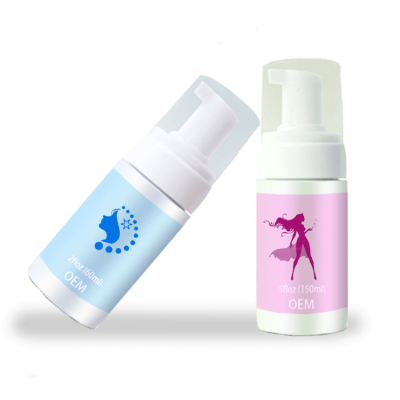

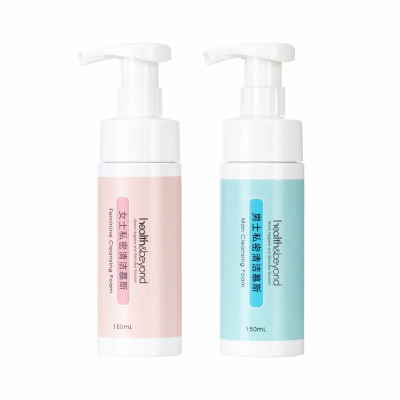
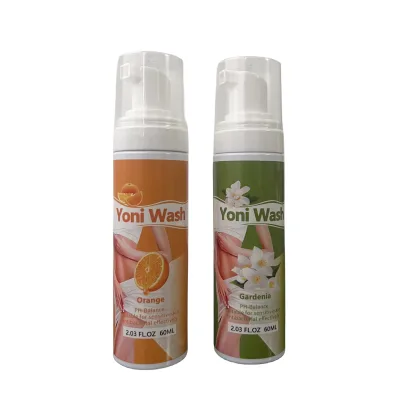
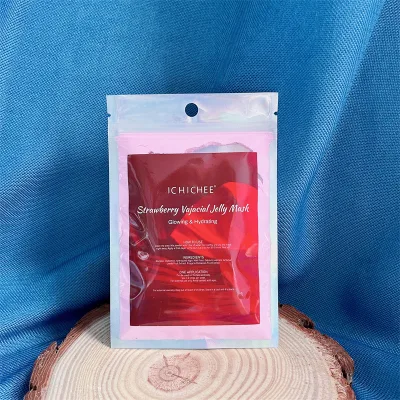
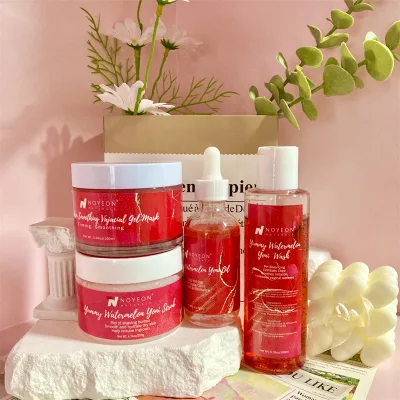
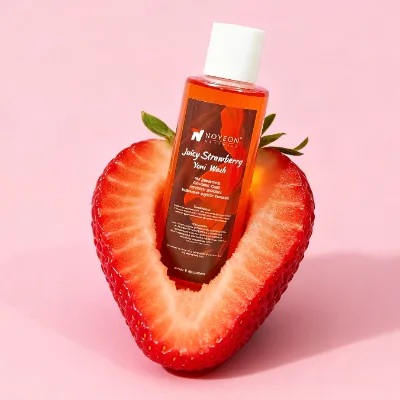


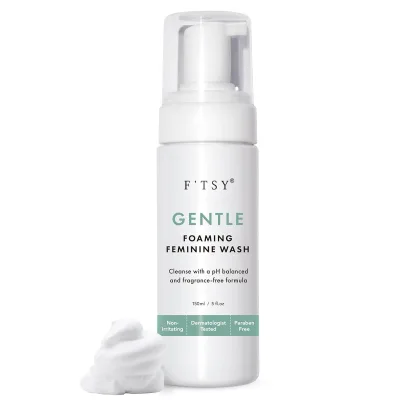


Comprehensive Sourcing Guide
PH Balance Feminine Hygiene Wash Sourcing Guide
Sourcing private label intimate care products requires a clear understanding of the specific formulation goals and regulatory landscape governing personal hygiene in target markets. Buyers must distinguish between general cleansing gels and specialized formulations designed to maintain natural pH levels, as these distinctions directly impact ingredient selection and marketing claims. The observed market data indicates a strong preference for OEM and ODM services, allowing brands to customize scents, textures, and active ingredients to meet niche consumer demands. This flexibility is crucial for developing unique selling propositions in a crowded marketplace where differentiation is key to capturing market share.
Procurement teams should prioritize suppliers who demonstrate extensive experience in cosmetic and personal care manufacturing, as indicated by the prevalence of fifteen-year operational histories among leading vendors. These established manufacturers typically possess the technical expertise required to formulate stable, effective products that comply with international safety standards. By focusing on suppliers with robust private label capabilities, buyers can ensure consistent quality and reliable supply chain performance. This approach minimizes the risk of formulation failures and ensures that the final product aligns with brand identity and consumer expectations for gentle, effective feminine hygiene solutions.
Product Scope and Observed Listing Signals
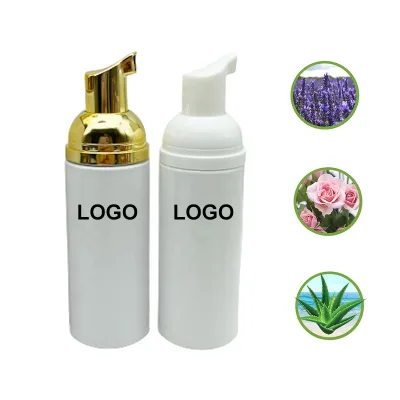
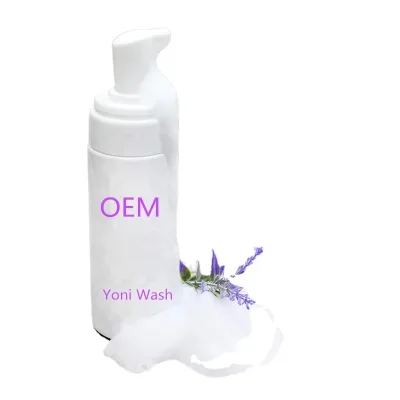
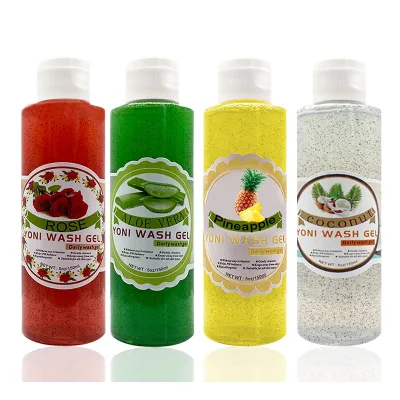
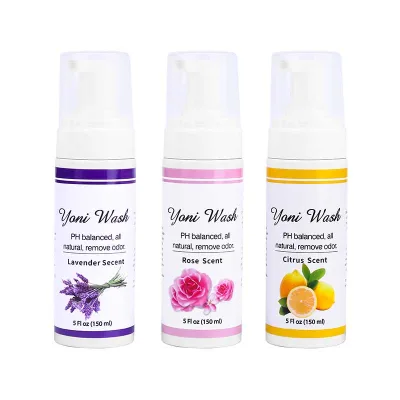
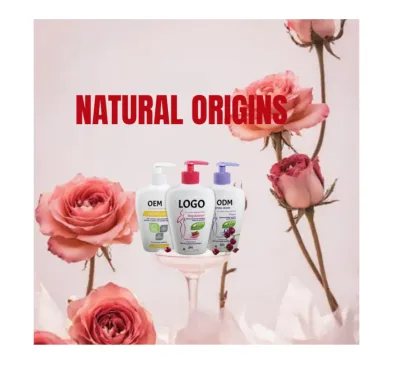
The current market landscape for ph balance feminine hygiene washes reveals a diverse range of product formats, including gels, foaming cleansers, and mud-based treatments. Listings frequently highlight key ingredients such as glycerin, aloe vera, shea butter, and hyaluronic acid, which are selected for their moisturizing and soothing properties. These ingredients are often combined with natural extracts like dead sea salt to enhance cleansing efficacy while maintaining skin integrity. The emphasis on natural and organic components reflects a growing consumer demand for products that are gentle on sensitive areas and free from harsh synthetic chemicals, driving the need for transparent ingredient lists and clean formulation practices.
Marketing features prominently displayed in product listings include anti-aging, firming, whitening, and skin revitalizing benefits, suggesting a broader scope beyond basic hygiene. Many products are positioned as daily skin care items suitable for all ages, indicating a versatile application profile. The availability of customization options allows buyers to tailor products to specific regional preferences or brand narratives. Additionally, the presence of various scent profiles, such as rose, lavender, and aloe, provides opportunities for sensory differentiation. Buyers should carefully evaluate these feature claims against regulatory guidelines to ensure that marketing messages remain compliant and do not overstate the product’s medical or therapeutic effects.
Technical Specifications to Verify
Technical verification begins with confirming the physical form and packaging specifications of the intended product. Suppliers often offer models in gel, foaming, or mud formats, with standard packaging sizes ranging from small bottles to bulk containers. Buyers must verify the single package dimensions and gross weight to ensure compatibility with logistics and retail shelving requirements. For instance, some listings specify a single gross weight of 0.400 kg and dimensions of 10x10x10 cm, which are critical for calculating shipping costs and storage efficiency. Understanding these physical attributes helps in planning inventory management and distribution strategies effectively.
Ingredient composition and functional claims require rigorous scrutiny to ensure alignment with product labeling and consumer expectations. Key components such as boric acid, probiotics, and ph-balancing agents are often cited for their ability to maintain vaginal health and cleanliness. Buyers should request detailed ingredient lists to verify the presence of these active components and assess their concentrations. Additionally, the shelf life of these products is typically around three years, which impacts inventory turnover and storage conditions. Confirming the stability of the formulation under various temperature and humidity conditions is essential to prevent degradation and ensure product efficacy throughout its intended use period.
Compliance and Safety Documentation
Regulatory compliance is paramount when sourcing feminine hygiene products, as these items come into direct contact with sensitive body areas. Buyers must ensure that suppliers hold relevant certifications such as CE, GMP, and MSDS, which indicate adherence to quality management and safety standards. In some markets, FDA registration may also be required, depending on the product’s classification and intended use. These certifications serve as critical indicators of a supplier’s commitment to producing safe, high-quality goods. Verifying the validity and scope of these certifications is a necessary step in mitigating legal and reputational risks associated with non-compliant products.
Safety documentation should also include Material Safety Data Sheets (MSDS) that provide detailed information on the chemical composition and handling requirements of the product. Buyers should review these documents to identify any potential allergens or irritants that may require specific labeling warnings. Additionally, understanding the regulatory requirements for ph balance claims is essential, as these claims may be subject to strict scrutiny in certain jurisdictions. Ensuring that all product labeling and marketing materials comply with local regulations helps prevent costly recalls and legal disputes. Collaborating with suppliers who have experience in navigating these regulatory landscapes can streamline the approval process and enhance market readiness.
Cost Drivers and Commercial Terms
Pricing for ph balance feminine hygiene washes varies significantly based on formulation complexity, ingredient quality, and order volume. Observed price ranges in the market span from low-cost basic formulations to premium products with specialized active ingredients. Buyers should consider the cost implications of customizing scents, packaging, and ingredient profiles, as these factors can substantially impact the final unit price. Minimum order quantities (MOQs) also play a crucial role in cost management, with ranges typically spanning from small trial orders to large bulk purchases. Understanding these commercial terms helps in budgeting and negotiating favorable pricing structures that align with sales forecasts.
Payment terms and lead times are additional factors that influence the overall cost of procurement. Suppliers with extensive experience may offer more flexible payment options and shorter lead times, reducing the financial burden and inventory holding costs for buyers. However, these advantages may come at a premium price. Buyers should evaluate the total cost of ownership, including shipping, tariffs, and potential delays, rather than focusing solely on the unit price. Establishing clear communication channels with suppliers regarding production schedules and quality control processes can help avoid unexpected costs and ensure timely delivery of goods to meet market demand.
Supplier Qualification and Quality Control
Supplier qualification involves a thorough assessment of manufacturing capabilities, quality control systems, and past performance. Buyers should prioritize suppliers with a proven track record in producing feminine hygiene products, as indicated by their experience and certifications. Requesting samples for independent testing is a critical step in verifying product quality, safety, and efficacy. These tests should include microbiological analysis, ph level verification, and stability testing to ensure that the product meets specified standards. Additionally, evaluating the supplier’s ability to handle OEM and ODM requests ensures that they can meet specific branding and formulation requirements.
Quality control processes should be clearly defined and agreed upon before production begins. Buyers should establish clear acceptance criteria for product quality, including visual inspection, packaging integrity, and functional performance. Regular audits of the supplier’s manufacturing facilities can help identify potential issues and ensure ongoing compliance with quality standards. Implementing a robust quality assurance program that includes pre-shipment inspections and random sampling helps maintain product consistency and reliability. By investing in thorough supplier qualification and quality control measures, buyers can minimize the risk of receiving substandard products and protect their brand reputation.
Long-Term Procurement Checks
Long-term procurement success depends on continuous monitoring of supplier performance and market trends. Buyers should establish key performance indicators (KPIs) to track supplier reliability, product quality, and delivery timeliness. Regular reviews of these metrics help identify areas for improvement and foster a collaborative relationship with suppliers. Additionally, staying informed about changes in regulatory requirements and consumer preferences ensures that products remain compliant and relevant in the market. Adapting to these changes proactively helps maintain competitive advantage and customer satisfaction.
Building a resilient supply chain involves diversifying suppliers and maintaining open communication channels. Buyers should avoid over-reliance on a single supplier by identifying alternative sources for critical components or finished goods. This strategy mitigates the risk of supply disruptions and ensures business continuity. Furthermore, engaging in long-term partnerships with suppliers who share the buyer’s commitment to quality and innovation can lead to continuous improvement and mutual growth. By focusing on strategic supplier management and market agility, buyers can secure a sustainable competitive edge in the feminine hygiene product market.
FAQs
What certifications do the products hold?
The products hold CE, GMP, and MSDS certifications. Some listings also mention FDA compliance. These certifications ensure the items meet international safety and quality standards for intimate hygiene care.
Can I request custom packaging for my brand?
Yes, customization is available for packaging requirements. Buyers can specify their own needs for labels and boxes. The service supports OEM and ODM private label options to match your brand identity.
What is the minimum order quantity for this item?
The minimum order quantity ranges from one to five thousand units depending on the specific product variant. Buyers should check individual listings for exact MOQ values to plan their procurement strategy effectively.
How long is the shelf life of the gel?
The shelf life is three years from the date of manufacture. This duration ensures product stability and efficacy during storage. Buyers should verify the production date upon receipt to maximize usage time.
Where are these products manufactured?
These products are manufactured in Guangdong, China. The region is known for its established manufacturing capabilities in personal care items. Buyers can expect consistent production quality from these specific facilities.
What ingredients are used in the formulations?
Formulations include ingredients like Glycerin, Aloe Vera, Dead Sea Salt, and Shea Butter. Some products are described as containing 100% natural components. The specific blend varies by product type and function.
Is the product suitable for all age groups?
Yes, the products are suitable for all age groups. They are designed as daily skin care items for general intimate hygiene. This broad suitability makes them versatile for various customer demographics.