Source Breathable Disposable Panty Liner for Daily, Travel, and Light Flow
Source Breathable Disposable Panty Liner from 30 verified listings. Compare features like super absorbency, wingless designs, and OEM customization options. Evaluate materials including cotton and non-woven tops, along with packing details and lead times for bulk procurement; compare the available evidence and request quotations based on your requirements.
Key considerations
Products List


China Factory Disposable Breathable Ultra Thin Panty Liners Regular Sanitary Pantyliner
$0.01 - $0.01
MOQ: 2000000 Pieces


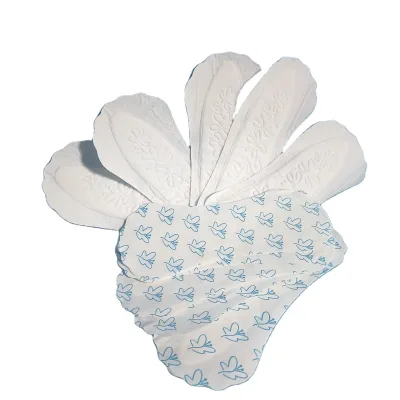
Wholesale Disposable Cotton Panty Liner Style Comfortable and Convenient Solution for Daily Use
$0.01 - $0.03
MOQ: 350 pieces

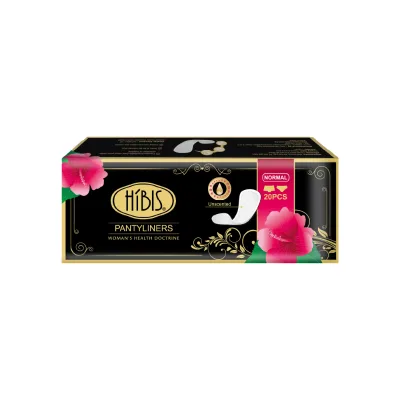
China Wholesale Comfortable Underwear Liner Disposable Sanitary Napkin
$0.02 - $0.03
MOQ: 150000 Pieces


Comprehensive Sourcing Guide
Breathable Disposable Panty Liner Sourcing Guide
Sourcing breathable disposable panty liners requires a clear understanding of material composition and functional design to ensure product comfort and performance. Buyers must prioritize liners that utilize soft non-woven or cotton top sheets, as these materials directly influence skin feel and moisture management. The presence of an absorbent core, often composed of fluff pulp and super absorbent polymers, is critical for handling light to moderate flow. Additionally, the choice between winged and wingless designs should align with the target demographic’s preference for security versus minimal visibility.
Procurement teams should also evaluate the customization options available from manufacturers, as private labeling and packaging variations are common in this sector. Many suppliers offer OEM and ODM services, allowing brands to tailor product dimensions, packaging aesthetics, and even functional additives like anion features. Understanding the range of available sizes, typically spanning from 155mm to 180mm or larger, helps buyers select the right SKUs for their market. This flexibility ensures that the final product meets specific consumer expectations for fit, absorbency, and aesthetic appeal.
Product Scope and Observed Listing Signals
The current market landscape for breathable disposable panty liners shows a wide variety of product configurations, with observed price points ranging from $0.01 to $4 per unit. This variance often reflects differences in material quality, packaging complexity, and order volume. Minimum order quantities (MOQs) are equally diverse, starting as low as 20 units for sampling or small batches and extending up to two million units for large-scale industrial orders. Buyers should interpret these signals as indicators of supplier scale and flexibility rather than fixed pricing structures.
Listing attributes frequently highlight key features such as super absorbency, breathability, and odor control, which are essential for user satisfaction. Some products are marketed with specific styles like "super soft non-woven" or "anion" treatments, while others emphasize natural materials like cotton. The presence of free samples is a common offering, allowing buyers to physically assess the product’s texture and absorption capabilities before committing to a large purchase. These signals help buyers narrow down potential suppliers based on their specific quality and volume requirements.
Technical Specifications to Verify
When verifying technical specifications, buyers must confirm the exact dimensions and absorbency levels of the liners. Standard lengths often fall within the 155mm to 180mm range, though customized sizes from 150mm to 250mm are available. The top sheet material is a critical differentiator, with options including soft non-woven fabric or super soft cotton. Buyers should request detailed specifications for the absorbent core, ensuring it contains high-quality fluff pulp and super absorbent polymers for optimal performance.
Packaging details are another vital area for verification, as they impact storage efficiency and retail presentation. Common packing methods include poly bags with specific counts, such as 25 pieces per bag and 48 bags per carton. However, customized packing solutions are widely available to meet unique logistical needs. Buyers should also inquire about the availability of different wing configurations, as some products are offered in both winged and wingless versions to suit diverse consumer preferences.
Compliance and Safety Documentation
Compliance and safety documentation are paramount when sourcing personal care products, ensuring they meet international health and safety standards. Buyers should request certificates such as ISO and SGS to verify that the manufacturer adheres to rigorous quality management systems. These certifications indicate that the production process is controlled and that the final products are safe for external use. Without proper documentation, buyers risk introducing non-compliant goods into their supply chain, which can lead to regulatory issues and brand damage.
Quality control procedures should also be clearly defined and documented by the supplier. Reputable manufacturers typically implement 100% sampling, random sampling, and various tests to ensure product consistency. Buyers should ask for detailed quality control reports and understand the specific tests conducted, such as absorbency tests or material safety assessments. This transparency helps buyers assess the reliability of the supplier’s quality assurance processes and ensures that the products meet the required safety benchmarks.
Cost Drivers and Commercial Terms
Cost drivers in the panty liner market include raw material prices, manufacturing complexity, and order volume. The use of premium materials like cotton or specialized non-woven fabrics can increase costs, while bulk orders often result in significant price reductions. Buyers should negotiate based on their expected annual volume, as suppliers are more likely to offer favorable terms for larger commitments. Additionally, customization options, such as unique packaging or specific product features, may incur additional charges that should be factored into the total cost analysis.
Commercial terms, including payment methods and lead times, are critical for effective supply chain management. Buyers should clarify the sample policy, as many suppliers offer free samples to facilitate product evaluation. It is also important to understand the production lead time, which can vary based on order size and customization requirements. Clear communication regarding these terms helps buyers plan their inventory levels and avoid unexpected delays or cost overruns during the procurement process.
Supplier Qualification and Quality Control
Supplier qualification involves a thorough assessment of the manufacturer’s capabilities, including their production capacity, technological infrastructure, and quality management systems. Buyers should verify the supplier’s origin, with many manufacturers located in regions like Fujian, China, known for their expertise in personal care products. It is essential to conduct on-site audits or request detailed facility information to ensure that the supplier meets the buyer’s standards for production quality and ethical practices.
Quality control is an ongoing process that requires close collaboration with the supplier. Buyers should establish clear quality benchmarks and request regular quality reports to monitor production consistency. Implementing a robust inspection regime, including pre-shipment inspections, helps identify and rectify potential issues before the products reach the market. By maintaining a proactive approach to quality control, buyers can ensure that their supply chain remains reliable and that the products consistently meet customer expectations.
Long-Term Procurement Checks
Long-term procurement checks focus on maintaining supplier performance and adapting to market changes. Buyers should regularly review supplier performance metrics, including on-time delivery rates, product quality consistency, and responsiveness to issues. Establishing a structured review process helps identify areas for improvement and ensures that the supplier continues to meet the buyer’s evolving needs. Regular communication and feedback loops are essential for fostering a strong partnership and addressing any emerging challenges promptly.
Market trends and consumer preferences in the personal care sector are constantly evolving, requiring buyers to stay informed and agile. Buyers should monitor changes in material availability, regulatory requirements, and consumer demand for new features, such as eco-friendly materials or enhanced comfort. By staying ahead of these trends, buyers can make informed decisions about product development and sourcing strategies. This proactive approach ensures that the procurement strategy remains competitive and aligned with market demands over the long term.
FAQs
What materials are used for the top sheet?
The top sheet is made from soft non-woven fabric or super soft cotton. These materials ensure comfort against the skin while maintaining breathability. The choice depends on the specific product model and customization requests. Both options provide a gentle feel suitable for daily external use.
Can I customize the size and packaging?
Yes, customization is available for both size and packaging. Standard lengths range from 150mm to 250mm, with specific models like PL-12 offering 155-180mm. Packaging can be customized, such as 25 pieces per poly bag with 48 bags per carton. OEM and ODM services support these tailored requirements.
What certifications do the manufacturers hold?
Manufacturers typically hold ISO certificates and SGS certification. These credentials verify quality control and production standards. The products undergo 100% sampling and random testing to ensure consistency. Buyers can request these documents to verify compliance with international safety and quality benchmarks for personal care items.
Are samples available for quality testing?
Free samples are offered to allow buyers to test product quality before placing large orders. This service helps verify features like absorbency, breathability, and material softness. Buyers can evaluate the super absorbent core and odor control capabilities. Samples facilitate informed decisions regarding customization and bulk procurement specifications.
What is the typical MOQ for orders?
The minimum order quantity ranges from 20 to 2,000,000 pieces depending on the supplier and customization level. Standard items may have lower MOQs, while customized designs require higher volumes. Buyers should confirm specific MOQs with manufacturers. Flexible ordering options accommodate both small trial batches and large-scale industrial procurement needs.
How is the absorbent core constructed?
The absorbent core often combines USA fluff pulp with Japan SAP for excellent absorption. This construction ensures super absorbent performance and breathability. The core is designed to handle female menstrual period needs effectively. Some models may use alternative materials, but high-quality cores prioritize leak protection and dryness for the user.