Source Menstrual Hygiene Pads for Home, Travel, and Commercial Use
Compare 30 verified Menstrual Hygiene Pads from Chinese manufacturers offering cotton and non-woven options. Buyers can evaluate absorbency, customization, and packaging for adult female needs. Options include reusable designs with leakproof features, various sizes, and custom branding services available for bulk orders.
Key considerations
Products List


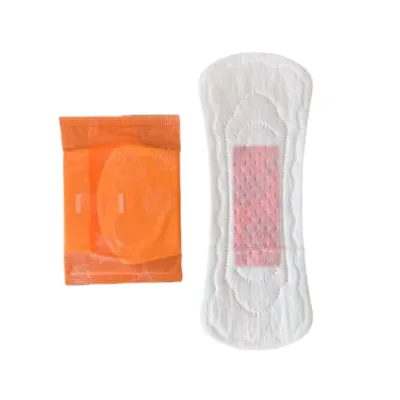
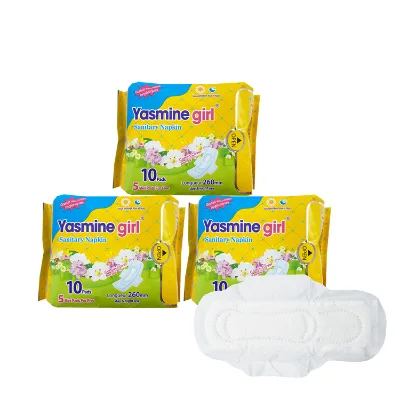
Menstrual Pads High Quality Sanitary Pads Negative Ion Sanitary Napkin
$0.02 - $0.03
MOQ: 150000 Pieces


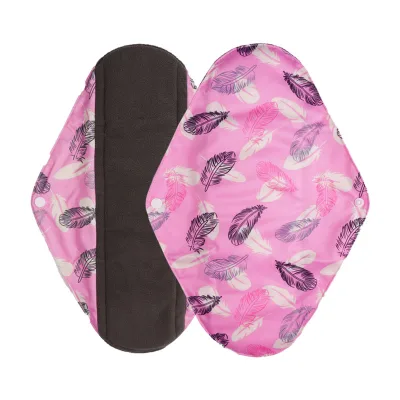

Lightweight Breathable Cotton Non Woven Menstrual Women Sanitary Napkin Pad
$0.02 - $0.04
MOQ: 100000 PC


Comprehensive Sourcing Guide
Menstrual Hygiene Pads Sourcing Guide
Product Scope and Observed Listing Signals
The current market landscape for Menstrual Hygiene Pads reveals a diverse array of product configurations tailored to distinct consumer preferences and operational needs. Listings indicate a strong presence of reusable, winged designs constructed primarily from cotton materials, which cater to buyers seeking sustainable and washable alternatives for adult female users. These products are explicitly marketed as non-disposable, featuring leakproof and absorbent functionalities, and are often presented with customized packing options to meet specific branding requirements. This segment highlights a shift towards eco-conscious procurement, where the emphasis is placed on durability and reusability rather than single-use convenience.
Conversely, the supply base also includes significant volumes of disposable, non-woven pads designed for commercial and external use, with observed minimum order quantities reaching up to 500,000 pieces. These items are characterized by super absorbent properties, utilizing advanced materials such as Japan Sumitimo SAP to ensure high fluid retention capabilities. The listings show a wide range of specifications, including various models like KSP0004 and RST-4204, with sizes varying from compact 18*25.5cm formats to larger commercial packs. Buyers must carefully distinguish between these reusable cotton variants and the high-volume disposable non-woven options, as their supply chains, pricing structures, and quality control protocols differ substantially.
Technical Specifications to Verify
When evaluating product specifications, buyers must prioritize the verification of material composition and absorbency metrics to ensure alignment with end-user expectations. For reusable cotton pads, it is essential to confirm the exact thread count and weave density of the top sheet, as these factors directly influence breathability and comfort during extended wear. The presence of winged designs should be verified for structural integrity to prevent shifting, while the washability claims must be supported by durability testing data. For disposable non-woven pads, the focus should shift to the quality of the SAP (Super Absorbent Polymer) and the thickness of the backing layer, which are critical for preventing leaks and maintaining dryness.
Dimensional accuracy and packaging consistency are equally critical technical parameters that require rigorous verification during the sourcing process. Listings show significant variation in product dimensions, ranging from 1825.5cm to 3318.5cm, and buyers must ensure that the selected model matches the intended market’s sizing preferences. Additionally, the weight of individual units, observed between 0.0275kg and 0.12kg, can impact shipping costs and perceived product value. Packaging specifications, such as 1 PCS/OPP Polybag or 10 PCS Per Bag, must be confirmed to ensure they meet retail display requirements and protect the product from contamination during transit.
Compliance and Safety Documentation
Compliance with international safety standards is non-negotiable for menstrual hygiene products, given their direct contact with sensitive body areas. Buyers should request documentation verifying adherence to ISO and CIQ certifications, which serve as baseline indicators of manufacturing quality and safety protocols. For products claiming specific absorbency levels, such as 100ml capacity, independent laboratory test reports should be obtained to validate these claims against recognized industry benchmarks. This verification process helps mitigate the risk of product failure and ensures that the pads meet the rigorous hygiene standards expected by adult female consumers in global markets.
In addition to general safety certifications, buyers must ensure that all materials used, particularly in reusable cotton pads, are free from harmful chemicals and allergens. For disposable non-woven pads, it is crucial to verify that the raw materials, including the SAP and non-woven fabric, comply with relevant health and safety regulations in the target market. Documentation should also confirm that the manufacturing facilities adhere to Good Manufacturing Practices (GMP) to prevent contamination during production. Buyers should explicitly ask for material safety data sheets (MSDS) and biocompatibility test results to ensure that the products are safe for prolonged use and do not cause irritation or adverse reactions.
Cost Drivers and Commercial Terms
Cost structures for Menstrual Hygiene Pads are heavily influenced by material selection, production volume, and customization requirements. Reusable cotton pads typically involve higher initial unit costs due to the expense of high-quality fabric and more complex manufacturing processes, but they offer long-term value through durability. In contrast, disposable non-woven pads benefit from economies of scale, with observed MOQs as high as 250,000 pieces, allowing for significant cost reductions per unit. Buyers must analyze the total cost of ownership, including shipping and packaging, rather than focusing solely on the unit price, as factors like weight and packing density can significantly impact logistics expenses.
Commercial terms, including payment conditions and sample availability, play a pivotal role in the procurement strategy. Many suppliers offer free samples, which is a critical step for buyers to evaluate product quality before committing to large orders. However, buyers should be aware that sample costs may be deducted from the final order value. Minimum order quantities vary widely, from 100 pieces for customized reusable items to 250,000 pieces for standard disposable pads, requiring buyers to align their order sizes with their inventory capacity and sales forecasts. Negotiating flexible MOQs and clear return policies for defective goods can also help mitigate financial risks associated with large-scale procurement.
Supplier Qualification and Quality Control
Supplier qualification is a critical step in ensuring the reliability and consistency of menstrual hygiene pad supplies. Buyers should conduct thorough due diligence on potential suppliers, verifying their production capabilities, factory conditions, and quality management systems. Suppliers offering OEM and ODM services should be evaluated based on their ability to meet specific design and branding requirements while maintaining high-quality standards. It is advisable to request references from existing clients and to review the supplier’s track record in delivering products that meet international safety and quality benchmarks. This due diligence helps identify suppliers who are capable of scaling production without compromising on product integrity.
Quality control protocols must be clearly defined and enforced throughout the production process. Buyers should implement pre-production inspections to verify raw materials, in-process inspections to monitor manufacturing consistency, and final random inspections to ensure that the finished products meet all specified requirements. For reusable pads, checks should include seam strength, fabric softness, and colorfastness, while for disposable pads, focus should be on absorbency, leak-proof integrity, and packaging seal quality. Establishing a clear defect rate threshold and a process for handling non-conforming products is essential to maintain brand reputation and customer satisfaction in the competitive menstrual hygiene market.
Long-Term Procurement Checks
Long-term procurement success depends on continuous monitoring of supplier performance and market trends. Buyers should establish key performance indicators (KPIs) to track supplier reliability, including on-time delivery rates, product quality consistency, and responsiveness to issues. Regular audits and periodic re-evaluations of suppliers help ensure that they continue to meet evolving quality and compliance standards. Additionally, buyers should stay informed about advancements in materials and manufacturing technologies, such as new SAP formulations or sustainable fabric innovations, to remain competitive and offer the best products to their customers. This proactive approach allows for timely adjustments in sourcing strategies and helps mitigate potential supply chain disruptions.
Sustainability and ethical sourcing practices are increasingly important considerations for long-term procurement in the menstrual hygiene sector. Buyers should prioritize suppliers who demonstrate a commitment to environmental responsibility, such as using eco-friendly materials and implementing waste reduction measures. For reusable pads, verifying the durability and washability over multiple cycles is essential to ensure that the product delivers on its sustainability promises. For disposable pads, exploring options for biodegradable or compostable materials can enhance brand value and appeal to environmentally conscious consumers. By integrating sustainability into their procurement strategies, buyers can build stronger brand loyalty and contribute to a more sustainable future.
FAQs
What materials are used for these reusable pads?
The pads are constructed using cotton for the top sheet and non-woven materials for other layers. This combination ensures breathability and comfort while maintaining the reusable nature required for adult female users during their monthly period.
Can I request custom packaging for my order?
Yes, customized packing is available for these products. Buyers can choose from options like paper cartons or individual OPP polybags depending on their specific needs, ensuring the product arrives securely and meets branding requirements.
Which certifications do the manufacturers hold?
Manufacturers of these pads hold ISO and CIQ certifications. These standards verify that the production processes meet international quality and safety requirements, providing assurance for buyers sourcing products from factories in Zhejiang, China.
How much is the minimum order quantity?
The minimum order quantity varies significantly based on the specific product model and customization level. Some listings start at 100 pieces, while others require orders up to 250,000 pieces, so buyers must check specific model requirements.
Are free samples available for testing?
Free samples are offered to potential buyers for product evaluation. This allows customers to verify the absorbency, leakproof features, and washable nature of the pads before committing to a larger bulk order for commercial use.
What is the absorbency capacity of the pads?
The pads feature a super absorbent core capable of holding up to 100ml of fluid. This capacity is supported by high-quality SAP from Japan Sumitomo, ensuring reliable protection during external use for adult females.
Do you offer OEM and ODM services?
Yes, OEM and ODM services are available for these Menstrual Hygiene Pads. Buyers can request custom designs, logos, and specifications, allowing brands to create unique products that align with their specific market strategies and customer preferences.