Source Phone Strap Ribbon Lanyard for Luggage, Keys, and Phones
Find 30 options for Phone Strap Ribbon Lanyard with customization and various materials like nylon and polyester. Compare specs, prices, and lead times from suppliers in China for luggage belts, key lanyards, and mobile phone straps; compare the available evidence and request quotations based on your requirements.
Updated
Key considerations
Products List


Phone Lanyard Cell Phone Lanyard Customized Lanyard Rope Adjustable Phone Cord
$0.75 - $1.66
MOQ: 100 Pieces

Phone Lanyard Cell Phone Strape Phone Case Lanyard Custonized Phone Rope
$0.72 - $1.60
MOQ: 100 Pieces

Phone Lanyard Cell Phone Strap Mobile Phone Strap Multicolored Phone Decoration Rope
$0.58 - $0.75
MOQ: 500 Pieces



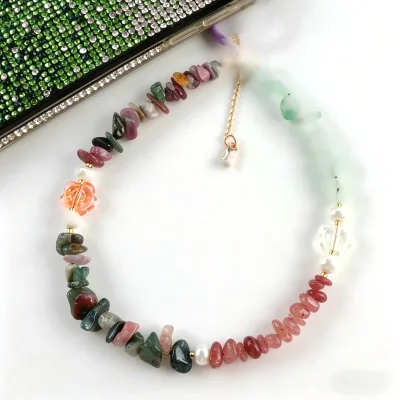


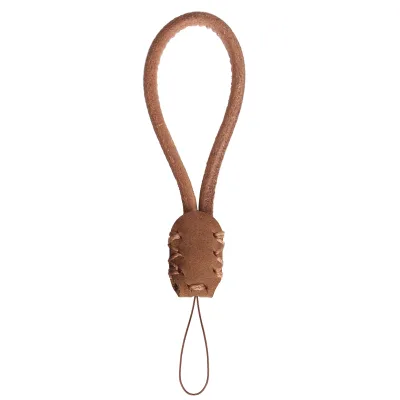
Fashion Ins Style Mobile Phone Wrist Short Lanyard Rope Phone Grip Strap
$0.08 - $0.10
MOQ: 100 Pieces

Cell Phone Lanyard Nylon Custom Neck Wrist Strap Lanyard for Mobile Phone
$0.90 - $0.95
MOQ: 100 piece

Cell Phone Lanyard Wrist Lanyard Adjustable Neck Wrist Straps for Phone Case
$0.08 - $0.10
MOQ: 100 Pieces


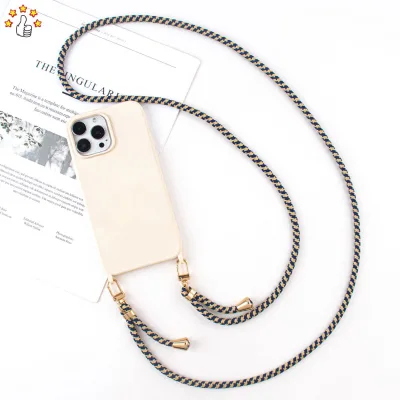

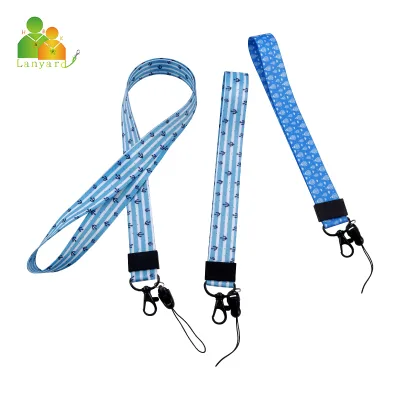
Neck Lanyard, Key Chain Lanyard, Cell Phone Strap, Promotion Card Holder Lanyard
$0.15 - $0.50
MOQ: 500 Pieces

Lanyard for Mobile Phone, String Lanyard, Polyester Lanyard, Promotional Lanyard
$0.15 - $0.20
MOQ: 1000 Pieces




Comprehensive Sourcing Guide
Phone Strap Ribbon Lanyard Sourcing Guide
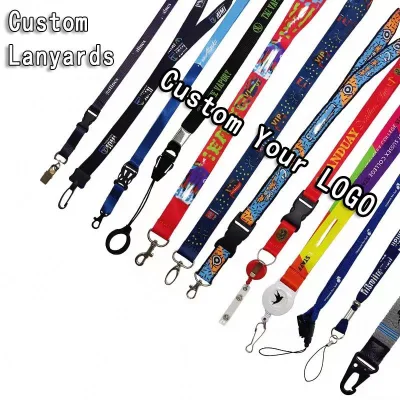
Sourcing phone strap ribbon lanyards requires a clear understanding of the diverse product landscape available from manufacturers, particularly those originating in China. The market offers a wide array of options, with observed product counts indicating a robust supply chain capable of meeting varied demand levels. Buyers must navigate through numerous listings that share similar core functionalities but differ significantly in material composition, printing techniques, and accessory configurations. This guide provides a structured approach to evaluating these products, ensuring that procurement decisions are based on verified attributes rather than generic marketing claims.
The primary focus for buyers should be on identifying the specific use case for the lanyard, whether it is for luggage, mobile phones, keys, or promotional trade fair giveaways. The observed data highlights that many suppliers offer customization options, allowing for branded logos and specific color schemes. Understanding the distinction between standard off-the-shelf items and fully customized solutions is crucial for managing expectations regarding lead times and minimum order quantities. By aligning product selection with intended application, buyers can avoid unnecessary costs and ensure the final product meets functional requirements.
Product Scope and Observed Listing Signals
The current market for phone strap ribbon lanyards exhibits a broad price range, typically observed between $0.03 and $1.99 USD, reflecting variations in material quality and production complexity. Minimum order quantities (MOQs) generally span from 100 to 5,000 pieces, offering flexibility for both small-scale promotional orders and large-scale corporate distributions. These signals indicate a highly competitive market where volume discounts play a significant role in final pricing. Buyers should analyze these ranges to determine the most cost-effective sourcing strategy for their specific order volume, keeping in mind that lower MOQs may incur higher per-unit costs.
Product attributes reveal a strong emphasis on customization and versatility, with many items featuring heat transfer printing or sublimation techniques for logo application. Materials commonly include nylon and polyester, often paired with metal locks or hooks to ensure durability and secure attachment to devices. The observed listings also highlight various patterns, such as cartoon designs or solid colors, catering to different aesthetic preferences. Additionally, packaging options range from individual bags to standard export cartons, which impacts logistics and storage considerations. Buyers must verify these specific attributes to ensure the selected product aligns with their branding and functional needs.
Technical Specifications to Verify
When evaluating technical specifications, buyers should prioritize the material composition and dimensional standards of the lanyards. Common materials include nylon and polyester, each offering distinct advantages in terms of strength, flexibility, and resistance to wear. Standard dimensions observed in the market include lengths such as 120cm, 90cm, and widths like 5mm or 12cm, which directly influence the lanyard's suitability for different devices. Verifying these exact measurements is essential to ensure compatibility with specific phone models or accessory types, preventing issues related to fit and usability.
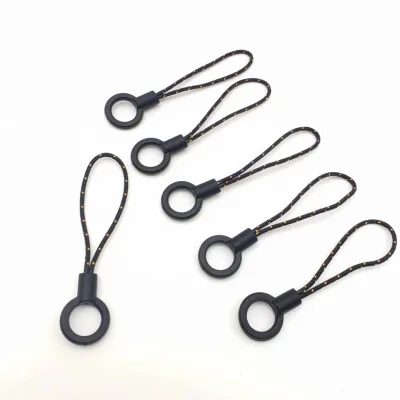
Accessories and hardware components are critical technical factors that affect the overall performance and longevity of the lanyard. Metal hooks, clips, and locks are frequently used to secure the lanyard to mobile phones or other items, requiring verification of their material quality and attachment mechanism. Additionally, the printing method, whether it be one-color, multi-color, or sublimation, impacts the durability of the design and its resistance to fading. Buyers should request detailed specifications for these components to ensure they meet the required durability standards and aesthetic expectations for their intended use.
Compliance and Safety Documentation
While specific certification statuses are not universally confirmed for all listings, buyers should proactively inquire about compliance with relevant safety and environmental standards. Potential certifications to verify include RoHS, REACH, and Oeko-Tex, which indicate adherence to strict regulations regarding hazardous substances and textile safety. Although ISO 9001 and ISO 105 are mentioned in broader contexts, buyers must confirm if these standards apply to the specific products they are sourcing. Ensuring compliance with these standards is crucial for mitigating legal risks and meeting the requirements of international markets, particularly in regions with stringent regulatory frameworks.
Documentation should also cover the eco-friendly attributes of the materials used, as many suppliers claim their products are environmentally friendly. Buyers should request evidence or test reports to substantiate these claims, ensuring that the materials do not contain harmful chemicals or substances that could pose health risks. Additionally, verifying the origin of the materials and the manufacturing processes can provide insights into the product's overall sustainability profile. This due diligence helps buyers align their procurement practices with corporate social responsibility goals and consumer expectations for sustainable products.
Cost Drivers and Commercial Terms
Several factors influence the final cost of phone strap ribbon lanyards, including material selection, customization complexity, and order volume. The use of premium materials like high-grade nylon or polyester, along with intricate printing techniques such as multi-color sublimation, can increase production costs. Conversely, simpler designs with standard colors and basic hardware may offer more competitive pricing. Buyers should analyze these cost drivers to identify opportunities for cost optimization without compromising on quality or functionality, ensuring that their budget aligns with their procurement objectives.
Commercial terms, including sample times, production lead times, and payment conditions, are critical components of the sourcing process. Typical sample times range from 3 to 5 days, while production lead times are often around 7 days, depending on order size and customization requirements. Buyers should clarify these timelines with suppliers to ensure they align with their project schedules and avoid delays. Additionally, understanding the terms for artwork provision, such as free artwork services, can help reduce upfront costs and streamline the approval process, facilitating a smoother procurement experience.
Supplier Qualification and Quality Control
Evaluating supplier qualifications is essential to ensure consistent product quality and reliable service. Buyers should assess suppliers based on their production capabilities, customization options, and track record in fulfilling orders. Suppliers that offer flexible packaging solutions, such as individual bags or standard export cartons, demonstrate adaptability to different logistical needs. Additionally, verifying the supplier's ability to handle reprints and custom logos is crucial for maintaining brand consistency across large orders. Buyers should request references or case studies to validate the supplier's reliability and expertise in producing high-quality lanyards.
Quality control measures should be clearly defined and agreed upon before placing orders. This includes establishing criteria for material inspection, printing accuracy, and hardware durability. Buyers should inquire about the supplier's internal quality control processes and request samples for pre-production approval. Implementing a robust quality control plan helps mitigate the risk of receiving defective products and ensures that the final output meets the specified standards. Regular communication with the supplier during the production process can also help identify and address potential issues early, ensuring a successful procurement outcome.
Long-Term Procurement Checks
Establishing long-term procurement relationships requires ongoing monitoring of product performance and supplier reliability. Buyers should regularly review feedback from end-users to identify any issues related to durability, comfort, or functionality. This feedback loop can inform future purchasing decisions and help refine product specifications to better meet market demands. Additionally, staying informed about industry trends and technological advancements in lanyard production can provide opportunities for innovation and competitive advantage. By continuously evaluating product performance, buyers can ensure that their sourcing strategy remains effective and responsive to changing market conditions.
Regular audits and performance reviews of suppliers are essential for maintaining high standards of quality and service. Buyers should assess suppliers based on their ability to meet delivery deadlines, handle custom requests, and provide responsive customer support. Establishing clear communication channels and regular check-ins can help build trust and foster a collaborative partnership. Furthermore, exploring opportunities for volume discounts or long-term contracts can provide cost savings and supply chain stability. By prioritizing long-term relationship management, buyers can secure a reliable supply of high-quality phone strap ribbon lanyards that support their business objectives.
FAQs
What materials are used for phone strap ribbon lanyards?
Phone strap ribbon lanyards are commonly made from Nylon or Polyester materials. These durable fabrics support various printing techniques like heat transfer or sublimation. The accessories often include metal hooks or clips for secure attachment to devices and keys.
Can I customize the logo on these lanyards?
Yes, you can reprint logos on these lanyards with customization available. The printing methods support one to six colors depending on your design needs. Free artwork is typically provided to help you prepare your custom graphics for production.
What are the standard dimensions for these lanyards?
Standard dimensions vary by model, with common sizes including 0.8 by 120 cm or 1.5 by 90 cm. Some specific models feature widths as narrow as 5 mm or lengths up to 900 mm. Always check the specific product standard for exact measurements.
How long does it take to produce a sample order?
Sample orders typically require three to five days for production. Once the sample is approved, the full production run usually takes seven days. Sample orders are welcome for buyers who wish to verify quality before placing larger bulk orders.
Which packaging options are available for bulk orders?
Packaging options include one piece per bag or fifty pieces per bag depending on the model. Standard export cartons are also used for larger shipments. Some suppliers offer any kind of packaging to meet specific buyer requirements for shipping and storage.
What is the minimum order quantity for these lanyards?
The minimum order quantity ranges from 100 to 5000 pieces depending on the supplier and product model. Buyers should verify the specific MOQ for their chosen item before placing an order. Customization availability may also influence the required minimum quantity.
Are these lanyards suitable for trade fair gift giving?
Yes, these lanyards are applicable for trade fair gift-giving occasions. They feature fashion styles and cartoon patterns that appeal to broad audiences. The customizable nature allows companies to brand them effectively for promotional events and corporate gifts.