Source Customized Cute Cartoon Neck Lanyard for ID, Keys, and Gifts
Find 30 options for a Customized Cute Cartoon Neck Lanyard suitable for ID badges, keychains, and promotional gifts. Compare polyester and rubber materials, UV printing techniques, and OEM services from Zhejiang suppliers to match your design needs; compare the available evidence and request quotations based on your requirements.
Updated
Key considerations
Products List


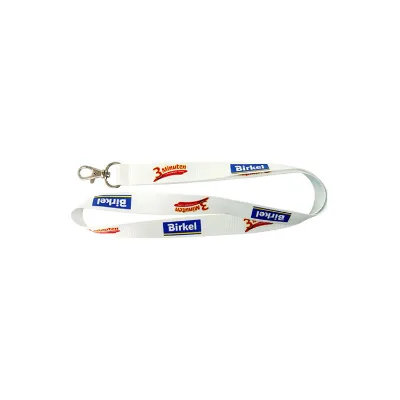
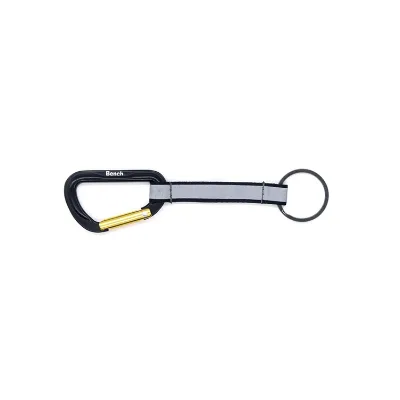


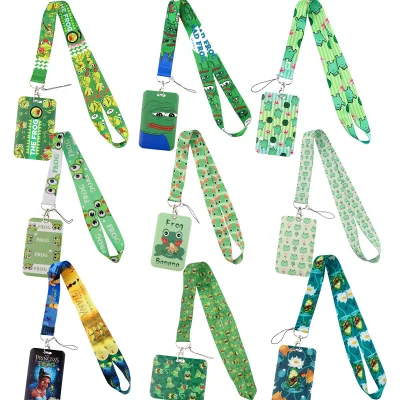
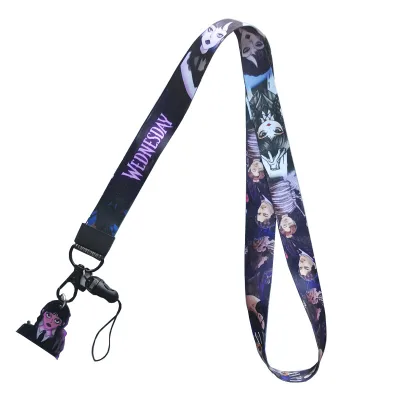
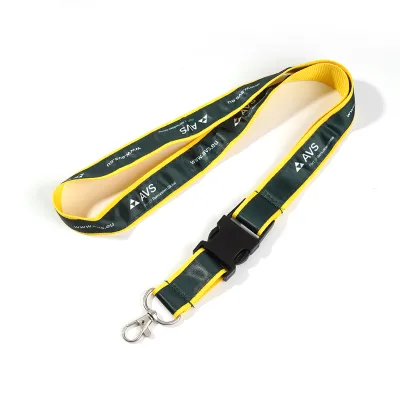


Comprehensive Sourcing Guide
Customized Cute Cartoon Neck Lanyard Sourcing Guide
Sourcing customized cute cartoon neck lanyards requires a strategic approach to balancing aesthetic appeal with functional durability. Buyers must navigate a market where visual customization is paramount, yet material integrity and production consistency remain critical for brand representation. The following guide outlines the essential verification steps, technical considerations, and commercial terms necessary for successful procurement. By focusing on evidence-based decision-making, purchasers can mitigate risks associated with low-quality prints, inconsistent sizing, and unreliable supplier performance. This structured approach ensures that the final product aligns with both marketing objectives and operational requirements, providing a reliable foundation for bulk orders.
Product Scope and Observed Listing Signals
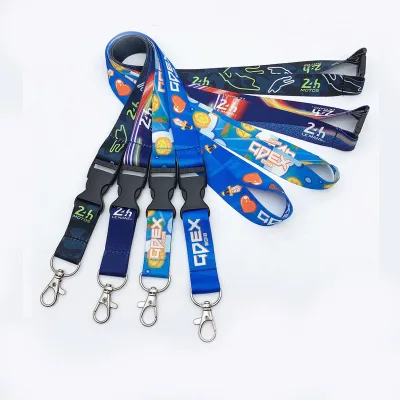
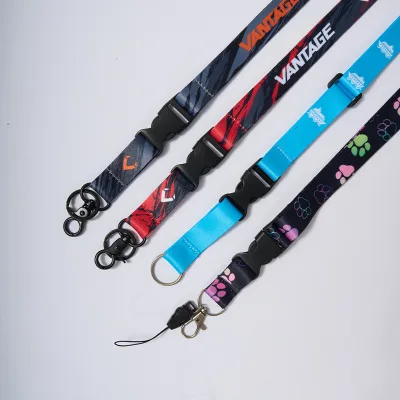
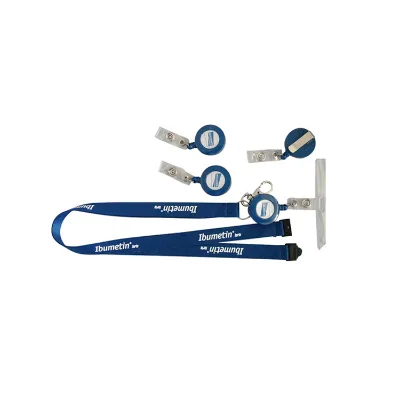
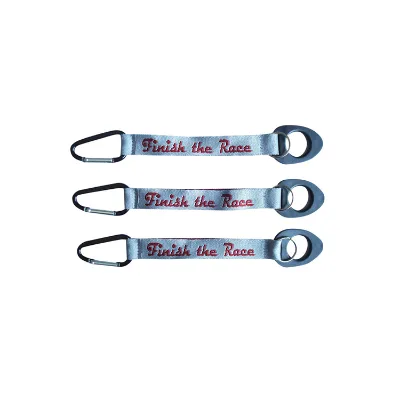
The current market landscape for lanyards reveals a diverse range of materials and manufacturing techniques, primarily centered around polyester and rubber compositions. Observed listings indicate that polyester is a dominant material choice, often paired with UV printing or woven techniques to achieve detailed cartoon graphics. Buyers should note that product types vary significantly, including standard card holders, luggage belts, and mobile phone straps, each requiring specific attachment mechanisms. The presence of metal lock materials in some listings suggests a need for secure fastening solutions, while other options may rely on simpler clip systems. Understanding these material distinctions is crucial for selecting the right lanyard for specific use cases, such as high-traffic events versus long-term employee identification.
Listing signals also highlight the importance of customization capabilities, with many suppliers offering OEM and ODM services. Attributes such as "customized color," "customer logo," and "customized designs" are frequently observed, indicating a high degree of flexibility in production. However, buyers must verify the actual capabilities of each supplier, as not all listed features may apply to every product model. For instance, while some listings mention "bright-colored" features, others may focus on "standard colors" or specific text patterns. The observed price range and MOQ values suggest that smaller batches are feasible, but economies of scale may apply for larger orders. Buyers should carefully review product attributes to ensure that the desired aesthetic and functional requirements are met by the specific supplier’s offerings.
Technical Specifications to Verify
Technical verification begins with confirming the precise dimensions and structural integrity of the lanyard. Buyers should request detailed specifications for width, length, and attachment hardware, as these parameters directly impact usability and comfort. Observed data indicates that widths can vary, with some products specified at 25mm, while others may offer customized sizes. It is essential to verify the type of printing or weaving technique used, as UV printing and woven methods offer different levels of durability and color fidelity. Additionally, the material composition, whether polyester or rubber, must be confirmed to ensure it meets the required strength and flexibility standards for the intended application.
The model numbers and product codes provided by suppliers serve as critical identifiers for quality control and reordering. Buyers should cross-reference these codes with specific technical sheets to ensure consistency across batches. Features such as washability and single gross weight are also important considerations, particularly for products that will undergo frequent use or cleaning. For example, some listings indicate a single gross weight of 0.003 Kg, which may be relevant for shipping calculations and inventory management. Verifying these technical details upfront helps prevent discrepancies between the sample and the final production run, ensuring that the lanyards meet the exact specifications required for the project.
Compliance and Safety Documentation
Compliance and safety are paramount when sourcing lanyards, especially those intended for children or widespread public use. Buyers must verify that suppliers adhere to relevant safety standards, such as REACH and RoHS, which regulate the use of hazardous substances in products. Although some listings mention these certifications, buyers should request valid test reports to confirm compliance, as certification status can vary between suppliers and product lines. Additionally, BSCI certification may be relevant for assessing social compliance and ethical manufacturing practices, ensuring that the supply chain meets international labor standards.
Documentation should also include material safety data sheets and any relevant product testing results, particularly for rubber components that may come into direct contact with skin. Buyers should inquire about the specific standards applied to the metal locks and other accessories, ensuring they are free from sharp edges and toxic materials. It is crucial to establish clear communication with suppliers regarding compliance requirements, as failure to meet these standards can result in product recalls or legal liabilities. By prioritizing comprehensive documentation, buyers can mitigate risks and ensure that the lanyards are safe for their intended audience, maintaining brand integrity and consumer trust.
Cost Drivers and Commercial Terms
Cost drivers for customized lanyards include material selection, printing complexity, and order volume. Polyester and rubber materials have different cost structures, and the choice of UV printing versus woven techniques can significantly impact the final price. Buyers should analyze the relationship between MOQ and unit cost, as larger orders often benefit from economies of scale. Observed MOQ ranges vary from 100 to 1000 pieces, allowing for flexibility in initial orders. However, buyers must consider the total cost of ownership, including shipping, packaging, and potential rework costs, to make informed financial decisions.
Commercial terms such as sample time, mass production time, and shipping methods are critical for project planning. Suppliers may offer sample times of three days and mass production times of eight days, but these figures can vary based on order complexity and supplier capacity. Buyers should negotiate clear delivery schedules and shipping arrangements, considering options like FedEx, DHL, or UPS for expedited delivery. Additionally, packaging specifications, such as individual OPP bags or bulk cartons, should be agreed upon to ensure efficient logistics. Understanding these commercial terms helps buyers manage cash flow and inventory levels, ensuring a smooth procurement process from order placement to delivery.
Supplier Qualification and Quality Control
Supplier qualification involves a thorough assessment of manufacturing capabilities, quality control processes, and past performance. Buyers should verify the supplier’s experience in producing customized lanyards, particularly those with complex cartoon designs or specific material requirements. Requesting references or case studies can provide insights into the supplier’s reliability and consistency. Additionally, buyers should inquire about the supplier’s quality control measures, including in-process inspections and final product testing, to ensure that defects are minimized before shipment.
Quality control should also extend to the verification of samples and pre-production approvals. Buyers must ensure that the final product matches the approved sample in terms of color, print quality, and material composition. Establishing clear acceptance criteria and inspection protocols helps maintain consistency across large orders. Buyers should also consider the supplier’s responsiveness to issues and their ability to provide timely support throughout the production process. By prioritizing supplier qualification and robust quality control, buyers can reduce the risk of receiving substandard products and ensure that the lanyards meet the desired quality standards.
Long-Term Procurement Checks
Long-term procurement success depends on establishing strong relationships with suppliers and implementing continuous improvement strategies. Buyers should conduct regular performance reviews to assess supplier reliability, quality consistency, and responsiveness to feedback. Maintaining open communication channels allows for the identification and resolution of issues before they escalate, fostering a collaborative partnership. Additionally, buyers should stay informed about market trends and technological advancements in lanyard manufacturing, ensuring that their products remain competitive and relevant.
Continuous monitoring of compliance and safety standards is essential for long-term procurement. Buyers should regularly update their requirements to align with evolving regulations and industry best practices. This includes staying informed about changes in material safety standards and ethical manufacturing guidelines. By proactively addressing these factors, buyers can mitigate risks and ensure that their supply chain remains resilient and compliant. Ultimately, a strategic approach to long-term procurement helps buyers achieve cost efficiency, quality assurance, and sustainable growth in their lanyard sourcing initiatives.
FAQs
What material is used for the Customized Cute Cartoon Neck Lanyard?
The Customized Cute Cartoon Neck Lanyard is primarily made of polyester or rubber depending on the specific model selected. Some variants feature metal locks while others use standard accessories. Buyers can choose between woven or printed styles to match their branding needs effectively.
Can I request a custom logo on the Customized Cute Cartoon Neck Lanyard?
Yes, you can request a custom logo on the Customized Cute Cartoon Neck Lanyard as OEM and ODM services are acceptable. The product supports customer logos with options for UV printing or text patterns. This allows for personalized designs suitable for gifts or promotional events.
What is the minimum order quantity for the Customized Cute Cartoon Neck Lanyard?
The minimum order quantity for the Customized Cute Cartoon Neck Lanyard varies between 100 and 1000 pieces based on the specific product model. Some listings require 1000 pieces while others accept orders starting at 100 pieces. Buyers should verify the exact MOQ for their chosen design.
How long does it take to produce the Customized Cute Cartoon Neck Lanyard?
Production time for the Customized Cute Cartoon Neck Lanyard typically takes 8 days for mass production after sample approval. Samples can be prepared within 3 days for design verification. This timeline ensures timely delivery for events or bulk orders requiring specific customization.
Where are the customized cute cartoon neck lanyards manufactured?
The customized cute cartoon neck lanyards are manufactured in Zhejiang, China, with some origins listed generally as China. The production facilities support various customization needs including size and color adjustments. Buyers can expect consistent quality from these established manufacturing regions.
What packaging options are available for the Customized Cute Cartoon Neck Lanyard?
Packaging options for the Customized Cute Cartoon Neck Lanyard include 1 piece per OPP bag or bulk packs of 10 to 500 pieces per bag. Larger shipments are often packed in cartons containing 500 to 1000 pieces. This flexible packaging supports both small retail orders and large wholesale distributions.
Which certifications apply to the Customized Cute Cartoon Neck Lanyard?
Certifications such as CE, Reach, RoHS, and BSCI are mentioned in background contexts but are not guaranteed for every listed product. Buyers should verify specific compliance for their needs as attributes are treated as observations rather than universal claims. Always confirm certification status with the supplier before ordering.