Source Promotion Gift Cell Phone Lanyard for Card, Mobile, Key
Find 30 options for Promotion Gift Cell Phone Lanyard with customization, various widths, and multiple lock materials. Compare specs from Ningbo suppliers with delivery times ranging from 15 to 25 days and MOQs starting at 500 pieces; compare the available evidence and request quotations based on your requirements.
Updated
Key considerations
Products List


Neck Lanyard, Key Chain Lanyard, Cell Phone Strap, Promotion Card Holder Lanyard
$0.15 - $0.50
MOQ: 500 Pieces

Lanyard for Mobile Phone, String Lanyard, Polyester Lanyard, Promotional Lanyard
$0.15 - $0.20
MOQ: 1000 Pieces


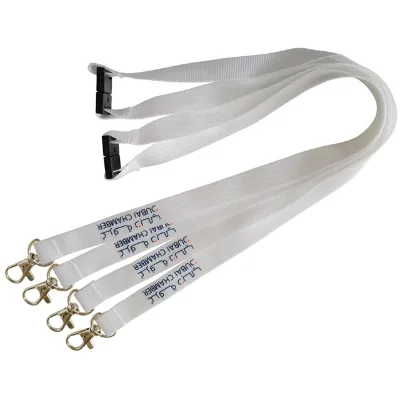
Color Printed Mobile Phone Lanyard Wrist Rope Industrial Card Holder Lanyard Promotional Gift
$0.0828 - $0.2084
MOQ: 100 pieces
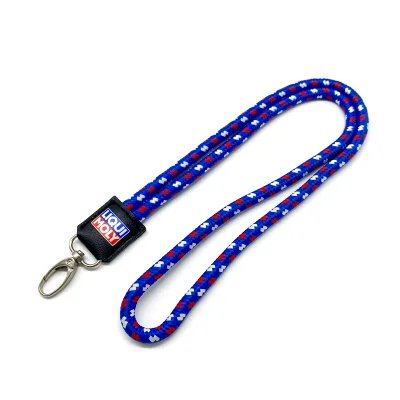
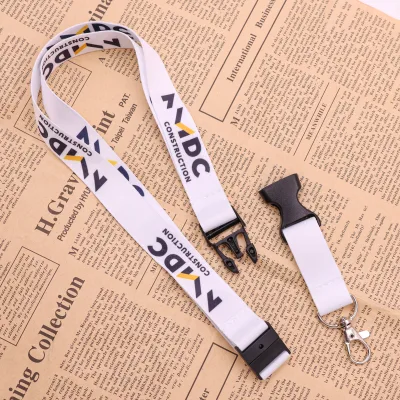
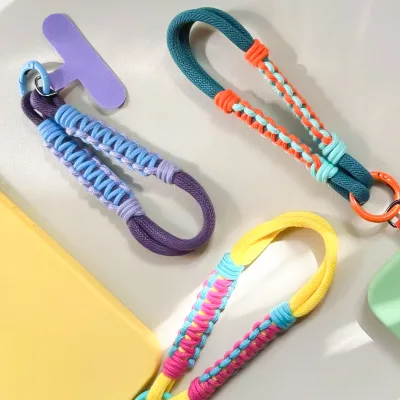


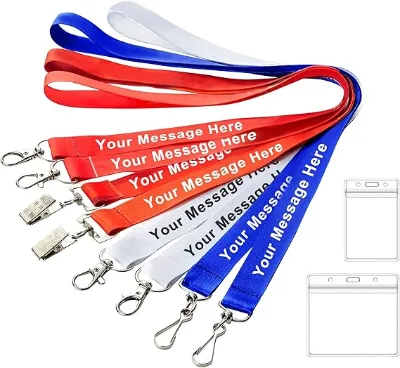


Phone Lanyard Cell Phone Strap Mobile Phone Strap Multicolored Phone Decoration Rope
$0.58 - $0.75
MOQ: 500 Pieces


Phone Lanyard Cell Phone Lanyard Customized Lanyard Rope Adjustable Phone Cord
$0.75 - $1.66
MOQ: 100 Pieces


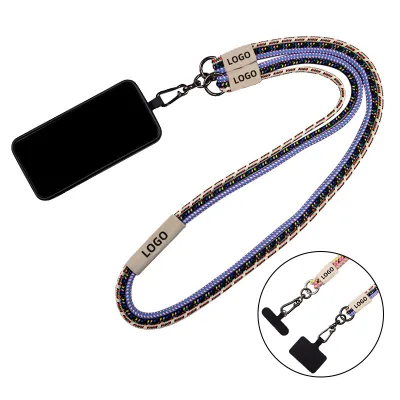
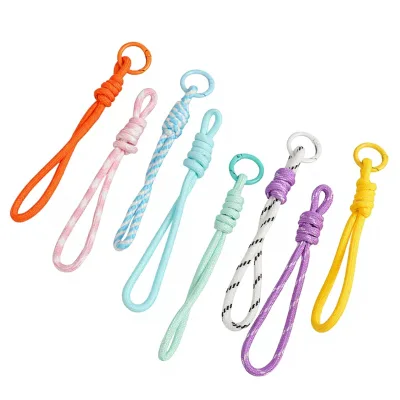
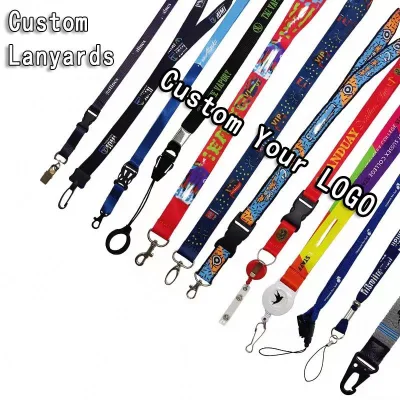

China Yiwu Custom Logo Print Colorful Polyester Mobile Phone Holder Promotion Gift Lanyard
$0.03 - $0.15
MOQ: 50 Pieces


Comprehensive Sourcing Guide
Promotion Gift Cell Phone Lanyard Sourcing Guide
Sourcing promotional cell phone lanyards requires balancing aesthetic appeal with functional durability, as these items serve as both practical accessories and mobile advertising platforms. Buyers must evaluate the interplay between material choice, attachment mechanisms, and customization options to ensure the final product aligns with brand identity and user expectations. The market offers a variety of configurations, from simple woven straps to complex heat-transfer printed designs, each carrying distinct implications for cost, lead time, and perceived value.
Procurement decisions should be driven by a clear understanding of the target audience and the intended usage environment. Whether the lanyard is intended for conference badges, mobile phone security, or key organization, the selection process must account for wear resistance, comfort, and ease of attachment. By focusing on verified supplier capabilities and transparent commercial terms, buyers can mitigate risks associated with quality inconsistencies and delivery delays, ensuring a successful promotional campaign.
Product Scope and Observed Listing Signals
The current market landscape for promotional lanyards reveals a diverse range of product attributes, with observed prices ranging from $0.03 to $1.66 USD and minimum order quantities (MOQs) varying between 50 and 1,500 pieces. These figures indicate a highly competitive sector where volume discounts and customization complexity significantly influence pricing structures. Buyers should note that lower price points often correlate with standard sizes and simpler production techniques, while premium pricing may reflect specialized materials or intricate logo applications.
Common product specifications include widths of 10mm and 20mm, with standard lengths typically set at 90cm or customizable dimensions. Materials predominantly feature polyester, chosen for its durability and printability, while lock mechanisms vary between metal and plastic options to suit different security and aesthetic requirements. Color options are extensive, with blue and black being frequently observed, allowing for broad brand alignment. These baseline attributes provide a starting point for defining specific procurement requirements.
Technical Specifications to Verify
Technical verification begins with confirming the production techniques employed, such as heat transfer printing, woven methods, or standard printing processes. Each technique offers distinct advantages in terms of color fidelity, durability, and cost, necessitating a careful review of sample quality before committing to large orders. Buyers should also verify the lock material, as metal locks generally offer greater security and longevity compared to plastic alternatives, which may be suitable for short-term promotional use.
Dimensional accuracy is critical, with standard models like L-1199, L8013W, and l-5752 offering specific size configurations that must match the intended application. The width of the lanyard, whether 10mm or 20mm, impacts both comfort and the available surface area for branding. Additionally, the style, whether fashion-oriented or business-focused, should align with the brand’s image. Verifying these technical details ensures that the final product meets functional expectations and maintains brand integrity.
Compliance and Safety Documentation
While specific certification statuses vary by supplier, buyers should inquire about adherence to relevant safety standards, such as CE or FDA, particularly if the lanyards are intended for use in regulated environments or by children. Although some listings mention EN 13567, this standard is not universally applicable to all lanyard types, so buyers must verify the specific compliance requirements for their target market. Requesting test reports or compliance certificates from suppliers helps mitigate legal and safety risks associated with product liability.
Documentation should also cover material safety, ensuring that dyes and fabrics used in the lanyards are non-toxic and free from harmful substances. Buyers should ask for material safety data sheets (MSDS) or declarations of conformity to confirm that the products meet international safety regulations. This due diligence is essential for maintaining brand reputation and avoiding potential recalls or legal issues, especially when distributing promotional items globally.
Cost Drivers and Commercial Terms
Cost drivers in lanyard procurement include material selection, customization complexity, and order volume. Heat transfer printing and woven techniques may incur higher costs due to specialized equipment and labor, while standard printing is generally more economical. The choice between metal and plastic locks also affects pricing, with metal options typically being more expensive. Buyers should request detailed quotations that break down these costs to understand the value proposition of each option.
Commercial terms such as payment methods, shipping options, and lead times are crucial for effective supply chain management. Common payment terms include TT, L/C, and Western Union, while shipping can be arranged by sea, air, or express courier depending on urgency and budget. Lead times typically range from 15 to 25 days, with sample times varying from 3 to 7 days. Understanding these terms helps buyers plan their procurement cycles and manage cash flow effectively.
Supplier Qualification and Quality Control
Supplier qualification involves assessing their production capabilities, quality control processes, and track record. Buyers should verify the supplier’s ability to handle custom designs and logos, as flexibility in customization is a key differentiator in the promotional products market. Requesting references or case studies from previous clients can provide insights into the supplier’s reliability and consistency in delivering high-quality products.
Quality control measures should include pre-production samples, in-process inspections, and final random inspections before shipment. Buyers should establish clear acceptance criteria for color accuracy, stitching quality, and lock functionality. Implementing a robust quality control plan helps identify and rectify defects early in the production process, reducing the risk of receiving substandard products and ensuring customer satisfaction.
Long-Term Procurement Checks
Long-term procurement success depends on establishing strong relationships with suppliers who can consistently meet quality and delivery expectations. Regular performance reviews, including assessments of on-time delivery rates and product quality, help identify potential issues and foster continuous improvement. Buyers should also monitor market trends and technological advancements to stay competitive and offer innovative promotional products to their clients.
Flexibility in supply chain management is essential, allowing buyers to adapt to changing market conditions and customer demands. Maintaining a diversified supplier base can mitigate risks associated with single-source dependencies and ensure continuity of supply. By focusing on strategic partnerships and proactive risk management, buyers can build a resilient procurement function that supports long-term business growth and brand success.
FAQs
Can I customize the logo on the lanyard?
Yes, customization is available for any client design. You can submit your own artwork for printing or weaving. The supplier accepts various logo styles to match your brand identity. This service allows for unique promotional items tailored to specific marketing campaigns or corporate events.
What is the minimum order quantity for these lanyards?
The minimum order quantity varies by product model. Some items require 500 pieces, while others start at 1000 pieces. You should check the specific model details to confirm the exact MOQ. This flexibility helps businesses of different sizes order suitable quantities for their needs.
How long does production take for these items?
Production delivery time typically ranges from 15 to 25 days. Some specific models may have a fixed 15-day lead time. Sample preparation usually takes 3 to 7 days depending on the complexity. These timelines help you plan your inventory and event schedules effectively.
What materials are used to make these lanyards?
The lanyards are primarily made from polyester fabric. The lock materials vary, with options including both metal and plastic attachments. These materials ensure durability and comfort for daily use. The choice of material supports different aesthetic and functional requirements for various promotional purposes.
What printing techniques are used for the designs?
The lanyards utilize heat transfer printing and woven techniques. Some models also feature standard printed designs. These methods allow for high-quality, durable graphics that resist fading. The choice of technique depends on the specific product model and design complexity requested by the buyer.
Where are these lanyards manufactured?
These products originate from Ningbo, China. The manufacturing location ensures access to established supply chains and logistics networks. Buyers can expect consistent quality standards associated with this production hub. The location also influences shipping options and potential lead times for international orders.
What payment terms are accepted for orders?
Accepted payment methods include T/T, L/C, and Western Union. These options provide flexibility for different transaction sizes and international trade requirements. Buyers can choose the method that best suits their financial processes. Clear payment terms help streamline the ordering and fulfillment process for both parties.