Source Piezoelectric Ceramic Stove Spark Plug for Stoves, Furnaces, and Boilers
Compare 28 Piezoelectric Ceramic Stove Spark Plug options from verified suppliers. These components support gas ignition in stoves, furnaces, and boilers with customizable models and materials like Ni80cr20 and Cr27al7mo2.
Key considerations
Products List


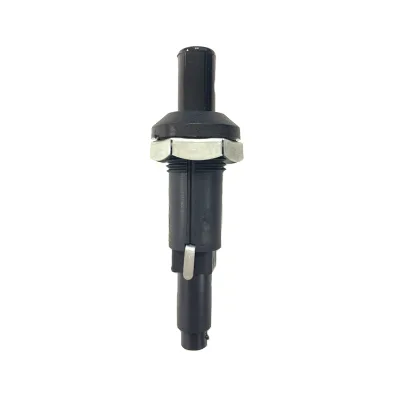
Gas Cooker Spark Plug/Oven Parts/Ceramic Ignition/Oven Spark Plug/Gas Stove Igniter
$0.07 - $0.30
MOQ: 500 Pieces

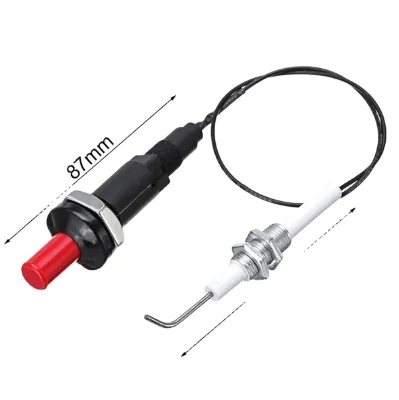


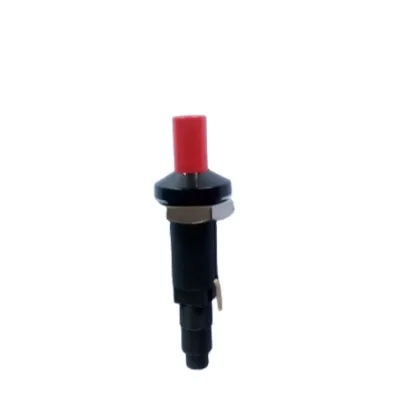
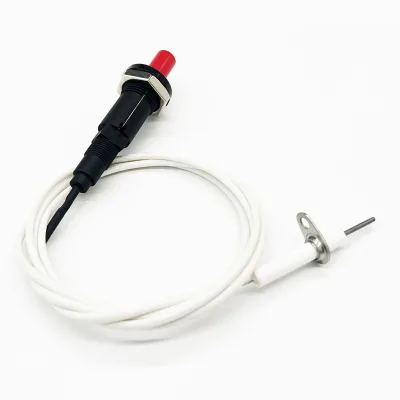
Stove Ignition Glazed Alumina Al2O3 Igniter Ceramic Spark Plug with Wire
$1.00 - $10.00
MOQ: 1000 Pieces
Comprehensive Sourcing Guide
Strategic Sourcing Guide for Piezoelectric Ceramic Stove Spark Plugs
Understanding the Technical Architecture of Piezoelectric Ignition Systems
The core component of a reliable gas ignition system is the piezoelectric ceramic element, which converts mechanical stress into high-voltage electrical energy to generate a spark. In the context of stove spark plugs, the product is frequently categorized under "Piezoelectric Ceramics" and is designed specifically for applications such as gas water heaters, stoves, furnaces, and boilers. The physical construction typically involves a metal rod encased in or paired with a ceramic body. The material composition of the metal rod is a critical technical variable, with observed specifications including Ni80cr20, Cr27al7mo2, and 0cr25al5. These alloys are selected for their ability to withstand high temperatures and corrosion, ensuring consistent spark generation over the product's lifespan.
The geometric configuration of the spark plug is equally important for proper installation and spark gap alignment. Available shapes observed in the market include round, square, and three-pin configurations. The diameter of the metal rod is a precise specification that must match the housing of the appliance, with common sizes ranging from 2mm to 5mm, specifically including 2mm, 2.5mm, 3mm, 3.5mm, 4mm, and 5mm options. The finish of the ceramic component is often glazed, a process that enhances durability and electrical insulation properties. Buyers must verify that the specific model number, such as RT, YN-L172, YN-C003, or XQ-001, aligns with the mechanical dimensions of their existing equipment. The voltage requirements for these systems are generally standardized, with many units operating on 110V or 220V inputs, though the piezoelectric mechanism itself generates the spark through manual or automated mechanical actuation rather than a continuous external power source.
Compliance Verification and Certification Standards
When sourcing industrial and household ceramic components, verifying compliance with international safety and environmental standards is non-negotiable. The supply chain for piezoelectric ignition systems often highlights adherence to RoHS (Restriction of Hazardous Substances) and CE (Conformité Européenne) certifications. These certifications indicate that the product meets specific requirements regarding the reduction of hazardous materials and compliance with European safety, health, and environmental protection standards. For buyers targeting the European market or those requiring strict environmental compliance, confirming the presence of RoHS and CE marks on the product documentation is essential.
However, it is important to note that while some listings explicitly state "RoHS, CE" or "RoHS" as certifications, others may list "Customizable" as their standard. This distinction implies that certification status is not automatically guaranteed for every unit in a generic category but may be a specific attribute of a particular batch or supplier offering. Buyers should not assume that all products labeled as "Piezo Igniter" or "Ignition Electrode" automatically possess these certifications unless explicitly documented in the product specifications. The standard for the product can be customized, meaning that the buyer must actively request and verify the specific certification documents for the order placed. Additionally, the product origin, often listed as Jiangsu or Zhejiang in China, may influence the regulatory framework under which the goods are manufactured, but the final certification status depends on the specific testing and approval process undertaken by the manufacturer.
Cost Drivers and Economic Factors in Procurement
The pricing structure for piezoelectric ceramic spark plugs is influenced by a complex interplay of material costs, customization levels, and order volume. The observed price range in the market spans from $0.05 to $73.50 USD, a significant variance that reflects the difference between basic single-item units and specialized, high-volume industrial components. The lower end of the spectrum typically corresponds to standard models with minimal customization, such as the "Gas cooker parts" or generic "Piezo Igniter" units. Conversely, the higher price points may reflect specialized configurations, custom metal rod alloys, or bulk packaging solutions that include pallets and protective cases.
Order Volume and Minimum Order Quantity (MOQ) are primary drivers of the final unit cost. The market data indicates an MOQ range from 1 to 5000 units. Buyers purchasing small quantities, such as single items or samples, may face higher per-unit costs but benefit from flexibility. In contrast, suppliers often offer more competitive pricing for orders approaching the upper limit of the MOQ range, particularly given the supply ability of some manufacturers, which can reach 250,000 pieces per month. The packaging method also impacts cost; options range from simple cartons containing 3000 pieces per box to plywood cases for heavy industrial shipments. Furthermore, the availability of free samples allows buyers to assess quality before committing to large orders, though this may not reduce the cost of the final bulk purchase. The power source, typically gas, and the application type, such as hotel or household use, also influence the complexity of the design and, consequently, the price.
Typical Applications and Market Segmentation
Piezoelectric ceramic spark plugs serve a diverse range of applications across both residential and industrial sectors. The primary use cases identified include gas water heaters, stoves, furnaces, and boilers. In the residential market, these components are integral to gas cookers, household ovens, indoor heating furnaces, and gas BBQ grills. The versatility of the product is evident in its application across different fuel types, including natural gas (NG), liquefied petroleum gas (LPG), and propane. The specific model numbers, such as GT-NR001-0927 or YN-C003, often correspond to specific appliance types, ensuring that the spark plug fits the mechanical and electrical requirements of the target device.
The market segmentation also extends to commercial and institutional settings. Products are frequently marketed for use in hotels and other hospitality environments where reliable gas ignition is critical for kitchen operations. The "Spark Mark" feature, indicating the presence of a visible spark generation capability, is a key attribute for these applications. The material composition, which can include plastic and metal combinations, allows for adaptability in different appliance designs. Whether the application is a simple household stove or a complex industrial furnace, the core function remains the same: to provide a reliable ignition source for gas combustion. The "Other Home Appliance Parts" classification highlights the component's role as a critical sub-assembly within larger systems, emphasizing the need for precise compatibility with the host appliance.
Supplier Evaluation and Supply Chain Reliability
Selecting a reliable supplier for piezoelectric ceramic components requires a thorough evaluation of their production capabilities, location, and logistical readiness. The origin of the products is frequently cited as Jiangsu or Zhejiang, China, regions known for their manufacturing clusters in electronics and ceramics. Buyers should verify the supplier's supply ability, with some manufacturers claiming a capacity of 250,000 pieces per month, which indicates the potential for handling large-scale orders without significant delays. The delivery time is another critical factor, with a standard lead time of 30 days upon official order being a common benchmark.
The customization capabilities of the supplier are a significant differentiator. Many suppliers offer "Customization: Available" or "Support," allowing buyers to tailor the product model, standard, and packaging to their specific needs. This flexibility is crucial for industries with unique requirements or those replacing legacy components. The port of dispatch, often NingBo, is a major logistics hub that facilitates efficient shipping to global markets. Buyers should also consider the packaging details, which range from standard cartons to plywood cases, ensuring that the products are protected during transit. The availability of laboratory inspection services suggests that suppliers may offer quality control measures, though buyers should verify the specific inspection protocols. Brand names, such as JiaLi, may appear in listings, but buyers should focus on the technical specifications and certification status rather than brand reputation alone.
Quality Control and Long-Term Procurement Considerations
Ensuring the long-term reliability of piezoelectric spark plugs requires a robust quality control strategy. The inspection process often involves laboratory testing to verify the electrical and mechanical properties of the components. Buyers should request test results that confirm the spark generation capability, the durability of the metal rod, and the integrity of the ceramic glaze. The "Inspection: Laboratory" attribute indicates that such testing is available, but it is the buyer's responsibility to define the acceptance criteria and verify the results. The material of the metal rod, whether Ni80cr20, Cr27al7mo2, or 0cr25al5, must be consistent with the specifications to prevent premature failure due to corrosion or thermal stress.
Long-term procurement considerations also involve the standardization of components across different product lines. Since the product standard is often "Customizable," buyers should work with suppliers to establish a consistent specification that can be applied across multiple orders. This approach reduces the risk of compatibility issues and simplifies inventory management. The "Packaging Suitable for Shipping" and "Cartons & Pallets" options ensure that the products remain in good condition during storage and transport. Additionally, the "Sample: Free" option allows buyers to conduct initial quality checks before scaling up production. By focusing on these quality control measures and standardization efforts, buyers can mitigate risks and ensure a steady supply of high-performance piezoelectric ceramic spark plugs for their operations.
Comparative Analysis of Product Specifications
To facilitate informed decision-making, the following table summarizes key specifications observed across different product listings. This comparison highlights the variability in models, materials, and certifications that buyers must navigate.
| Specification Category | Observed Options | Notes for Verification |
|---|---|---|
| Product Model | RT, YN-L172, YN-C003, XQ-001, GT-NR001-0927 | Must match appliance housing dimensions. |
| Metal Rod Material | Ni80cr20, Cr27al7mo2, 0cr25al5 | Verify alloy grade for thermal resistance. |
| Rod Diameter | 2mm, 2.5mm, 3mm, 3.5mm, 4mm, 5mm | Critical for spark gap alignment. |
| Shape | Round, Square, Three Pins | Check physical fit in appliance. |
| Certification | RoHS, CE, Customizable | Confirm specific marks for target market. |
| Origin | Jiangsu, Zhejiang, China | Verify logistics and lead time from port. |
| Packaging | Carton (3000/box), Plywood Case, Pallets | Assess protection needs for shipping. |
| Application | Gas Water Heater, Stove, Boiler, BBQ Grill | Ensure compatibility with fuel type (NG/LPG). |
This table serves as a reference for buyers to cross-reference their specific requirements against the available market options. It underscores the importance of detailed specification matching rather than relying on general product categories. By carefully evaluating these parameters, buyers can select the most suitable piezoelectric ceramic spark plugs for their specific industrial or household applications, ensuring optimal performance and safety.
FAQs
What certifications are available for these spark plugs?
Some listings explicitly document RoHS and CE certifications for compliance. Buyers must verify specific certification documents as standards can be customized and are not guaranteed for every unit.
Which metal rod materials are used in the construction?
The metal rods are constructed from alloys like Ni80cr20, Cr27al7mo2, or 0cr25al5. These materials are selected to withstand high temperatures and ensure consistent spark generation over the product lifespan.
How long is the standard delivery time for orders?
The standard delivery time is 30 days upon official order. This lead time applies to the manufacturing and shipping process once the order is confirmed by the supplier.
Can the product standard be customized for specific needs?
Yes, the product standard is customizable to meet specific buyer requirements. This allows for tailored specifications regarding dimensions, materials, and packaging to fit unique appliance designs.
What is the minimum order quantity for these items?
The minimum order quantity ranges from 1 to 5000 units depending on the supplier. Lower MOQs allow for sample testing, while higher volumes may offer more competitive pricing.
Which shapes are available for the ceramic spark plugs?
Available shapes include round, square, and three-pin configurations. The specific shape must match the mechanical dimensions and housing of the target appliance for proper installation.