Source pink flower on-glazed dinnerware for parties, daily use, and gifts
Explore 30 listings of pink flower on-glazed dinnerware featuring ceramic and porcelain materials with FDA and LFGB certifications. Buyers can compare styles, sizes, and customization options for parties, daily dining, and gifting purposes.
Key considerations
Products List
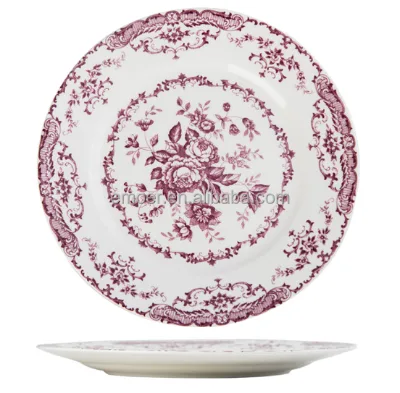
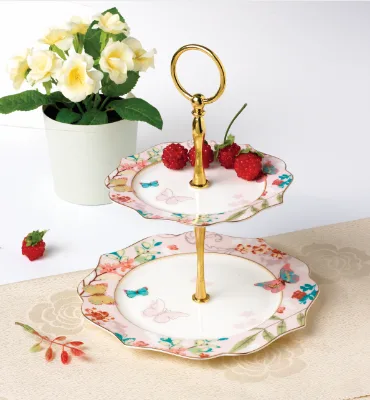


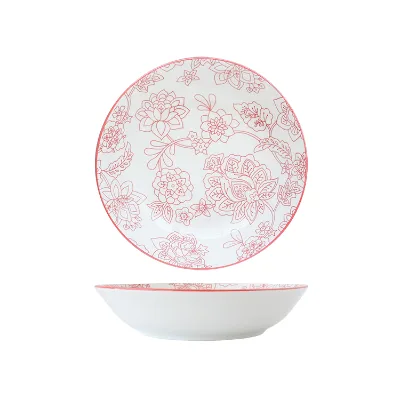
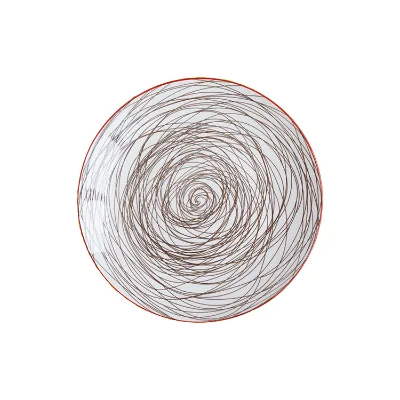
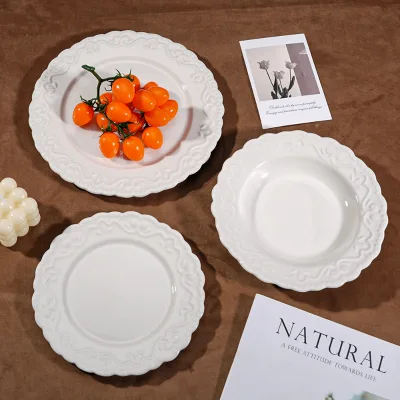
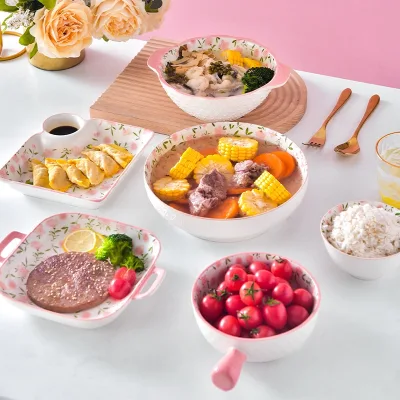
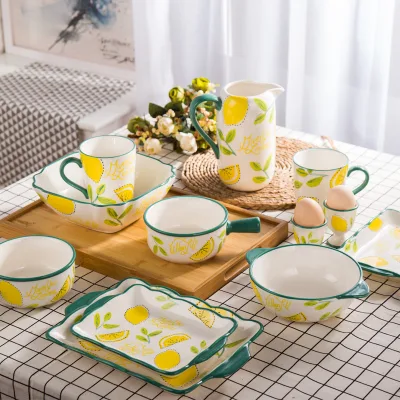
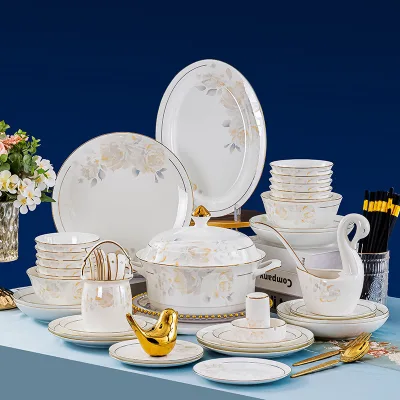


Comprehensive Sourcing Guide
Strategic Sourcing Guide for Pink Flower On-Glazed Dinnerware
Understanding Product Specifications and Material Composition
When sourcing pink flower on-glazed dinnerware, buyers must first establish a precise understanding of the physical and aesthetic attributes that define this category. The core keyword implies a specific decorative technique where floral motifs, particularly in pink hues, are applied beneath a protective glaze layer. This "on-glazed" technique, often referred to in industry contexts as underglaze decoration, ensures that the pattern is sealed under the glass-like surface, offering superior durability against scratching and fading compared to surface-applied designs.
The material composition is a critical variable. While the specific listing data highlights "Ceramic" and "Porcelain" as primary materials, the market for this style often includes "New Bone China" and "Stoneware" as viable alternatives. Bone china, for instance, offers a translucent quality and high strength, whereas stoneware provides a heavier, more rustic feel. The product data indicates a "Round" shape as a standard configuration, with diameters commonly observed at 8 inches, though sizes can vary based on the specific model number, such as T-2459 or HK1425091908. Buyers should verify the exact diameter and thickness, as these dimensions directly impact the stacking efficiency and storage requirements for their logistics operations.
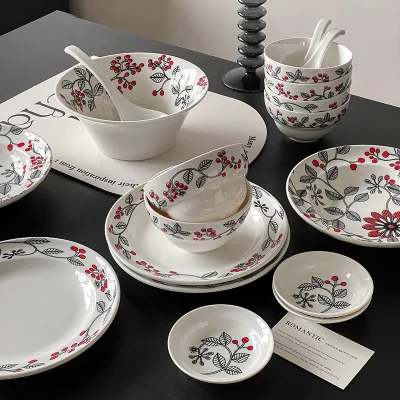
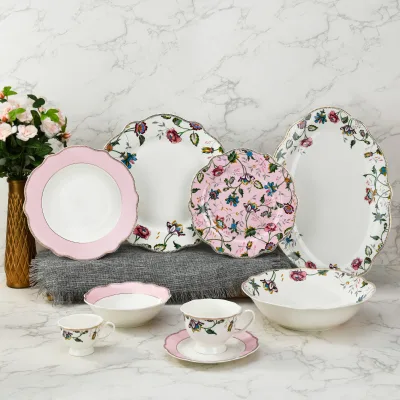
The visual design is characterized by a "Plant" pattern type, specifically featuring "Blue Pink Floral" combinations. While the primary color observed in specific stock items is "Sky Blue," the "Multicolor" attribute suggests that pink floral elements are often integrated with other tones to create a vibrant aesthetic. The "American Style" designation points to a design language that is typically bold and functional, suitable for high-volume dining environments. The "Single package size" of 50x55x60 cm and a "Single gross weight" of 22.000 kg indicate that these items are often shipped in substantial bulk or large gift boxes, which significantly influences freight cost calculations. Understanding these physical constraints is the first step in accurate budgeting and warehouse planning.
Compliance, Certification, and Safety Standards
For dinnerware intended for food contact, particularly in international markets, regulatory compliance is non-negotiable. The supplied data explicitly lists "FDA" and "LFGB" certifications, which are the gold standards for food safety in the United States and the European Union, respectively. The FDA certification ensures that the materials do not leach harmful substances like lead or cadmium into food, a critical concern for ceramic glazes. Similarly, LFGB is the German Food, Commodities and Feed Code, which often imposes stricter testing limits than the FDA, making it a robust indicator of quality for European buyers.
Beyond food safety, the data also references "CE/EU" certifications, which are essential for products entering the European Economic Area. These certifications verify that the product meets general safety, health, and environmental protection requirements. Additionally, the presence of "BSCI" (Business Social Compliance Initiative) certification in the product attributes signals that the manufacturing facility adheres to ethical labor practices. For B2B buyers concerned with corporate social responsibility (CSR) and supply chain transparency, verifying the validity of BSCI status is as important as checking material safety.
Buyers must also consider the "Quality" grading mentioned in the data, which ranges from "A/B Grade." This distinction is vital for procurement strategy. Grade A items represent the highest quality with minimal defects, suitable for premium retail or high-end hospitality. Grade B items may have minor cosmetic imperfections but remain functional. When sourcing for large events or daily use in casual dining, Grade B might offer a cost-effective solution, provided the defects do not compromise safety or structural integrity. It is imperative to request specific test reports for lead and cadmium migration, as the presence of a certification label does not guarantee that every batch meets the current regulatory limits without independent verification.
Cost Drivers and Pricing Variables
The observed price range for this category spans from $0.26 to $94.51 USD, a variance that reflects the complexity of the product and the scale of the transaction. Several factors drive these costs. First, the material choice is a primary determinant; New Bone China is generally more expensive than standard stoneware or ceramic due to the raw materials and firing processes involved. Second, the "On-glazed" technique requires precise control over kiln temperatures and glaze chemistry, adding to the manufacturing cost compared to simpler painted designs.
The packaging method significantly impacts the final unit price. The data indicates options ranging from "Bulk" to "Gift Box" and "Customized" packaging. Gift boxes and custom-printed cartons add substantial material and labor costs, which are passed on to the buyer. Conversely, bulk packing is the most economical option but requires the buyer to handle secondary packaging. The "Selling Units" being listed as "Single item" suggests that pricing may be quoted per piece or per set, requiring careful conversion to understand the true cost per unit for inventory planning.
Minimum Order Quantity (MOQ) is another critical cost driver. The observed MOQ range of 2 to 5000 units indicates high flexibility in the market. Low MOQs, such as 2 units, are typically reserved for sample orders or highly customized designs, often carrying a premium per-unit cost. Higher MOQs, such as 5000 units, usually unlock the lower end of the price spectrum ($0.26 range), making them ideal for large-scale retail distribution. Buyers must balance their inventory needs against the per-unit cost savings to determine the optimal order volume. Additionally, the "Customization" availability allows for brand-specific designs, which incurs additional tooling and setup fees, further influencing the total cost structure.
Typical Applications and Usage Scenarios
The versatility of pink flower on-glazed dinnerware makes it suitable for a wide array of applications, from daily household use to specialized commercial events. The "Usage" attribute explicitly mentions "Daily Use," indicating that the product is durable enough for regular washing and handling in home kitchens. The "Round" shape and "8 inch" diameter are standard for side plates or salad plates, making them a staple for modern dining tables.
For commercial sectors, the "Party" occasion designation highlights the product's suitability for events, banquets, and catering services. The "American Style" and "Colored" aesthetic appeal to venues seeking a vibrant, welcoming atmosphere. The "Eco-Friendly" feature, as noted in the product attributes, aligns with the growing demand for sustainable dining solutions, particularly in establishments that wish to avoid single-use plastics. The "Non-Disposable" nature of the product ensures longevity, making it a cost-effective choice for restaurants and hotels over time.
The "Cup Accessories" attribute, specifically noting "with Handle," suggests that this product line may include matching mugs or teacups, allowing for the creation of complete table settings. This is particularly valuable for coffee shops, tea houses, and cafes that require coordinated tableware. The "Customization" option allows businesses to brand these items with logos or specific color schemes, turning functional dinnerware into marketing tools. Whether for a boutique hotel, a large corporate event, or a retail gift shop, the ability to customize the "prod_packing" and the design itself ensures that the product can be tailored to specific brand identities and customer expectations.
Supplier Evaluation and Quality Control Protocols
Evaluating a supplier for pink flower on-glazed dinnerware requires a rigorous approach to verifying their capabilities and consistency. The "place of origin" is identified as "Guangdong, China," a major hub for ceramic manufacturing. While this region offers access to a vast supply chain and competitive pricing, it also necessitates thorough due diligence. Buyers should verify the supplier's "BSCI" status and request copies of their "FDA" and "LFGB" test reports to ensure compliance.
Quality control should be a multi-stage process. First, buyers must assess the "Quality" grading system used by the supplier. Requesting physical samples of both "A" and "B" grade items is essential to understand the defect tolerance levels. The "Sample" availability for stock designs allows buyers to inspect the "On-glazed" finish for uniformity, color vibrancy, and glaze integrity. Buyers should check for common defects such as crazing (fine cracks in the glaze), pinholes, or uneven color distribution, which can indicate poor firing processes.
The "prod_standard" being "Can be customized" implies that the supplier has the flexibility to adapt to specific buyer requirements. However, this also means that the buyer must provide clear, detailed specifications to avoid misunderstandings. Establishing a clear communication channel for "Customized" orders is vital. Buyers should also inspect the "Single gross weight" and "Single package size" to ensure that the supplier's packing methods protect the fragile ceramic items during transit. Requesting photos of the actual packing process or video evidence of the loading process can provide additional assurance that the items will arrive in good condition.
Long-Term Procurement and Inventory Management
Sourcing pink flower on-glazed dinnerware is not a one-time transaction but a strategic partnership that requires long-term planning. The "Customized" nature of the product means that once a design is finalized, it may become a unique asset for the buyer. However, this also creates a dependency on the supplier's ability to maintain consistent quality over time. Buyers should establish a long-term agreement that includes clauses for quality consistency, price stability, and lead time reliability.
Inventory management is crucial given the "prod_model" variations, such as 315790/HA8012 or 87C-006. Different models may have different lead times and production capacities. Buyers should maintain a buffer stock of best-selling items to mitigate supply chain disruptions. The "Available Material" options, including "Ceramic, Crockery, Porcelain," allow for flexibility in sourcing if one material becomes unavailable, but switching materials may affect the product's aesthetic and functional properties.
Finally, buyers should monitor market trends and regulatory changes. As food safety standards evolve, the "FDA" and "LFGB" requirements may be updated. A proactive supplier will keep buyers informed of these changes and ensure that their production processes remain compliant. By maintaining a close relationship with the supplier and conducting regular quality audits, buyers can ensure a steady supply of high-quality pink flower on-glazed dinnerware that meets their operational and brand standards.
| Feature | Observation from Data | Procurement Implication |
|---|---|---|
| Material | Ceramic, Porcelain, New Bone China | Verify material composition for specific use cases (e.g., microwave safety). |
| Certification | FDA, LFGB, CE/EU, BSCI | Request current test reports; do not rely solely on listed labels. |
| Quality Grade | A/B Grade | Define acceptable defect limits in the purchase agreement. |
| Packaging | Bulk, Gift Box, Customized | Factor packaging costs into the total landed cost calculation. |
| Origin | Guangdong, China | Verify logistics capabilities and lead times for this specific region. |
| Customization | Available | Ensure detailed specs are provided to avoid production errors. |
| MOQ | 2 - 5000 | Align order volume with cash flow and storage capacity. |
FAQs
What certifications do these ceramic dinnerware items hold?
These items hold FDA, LFGB, and CE/EU certifications for food safety. Some listings also include BSCI certification for social compliance. Buyers should verify specific test reports for lead and cadmium migration to ensure batch compliance with current regulations.
Can I customize the packaging and design for this dinnerware?
Yes, customization is available for both the design and packaging options. Buyers can choose from bulk, gift box, or custom-printed packaging. The product models like T-2459 support customized standards to meet specific brand identity requirements.
What is the minimum order quantity for these porcelain plates?
The minimum order quantity ranges from 2 to 5000 units depending on the specific item. Lower MOQs often apply to samples or highly customized designs, while larger orders unlock lower per-unit pricing. Buyers must balance inventory needs against cost savings.
Which materials are available for this pink flower dinnerware set?
Available materials include ceramic, porcelain, new bone china, and stoneware. The specific listing highlights ceramic and porcelain as primary options. Bone china offers translucency while stoneware provides a heavier feel for different dining aesthetics.
How does the on-glazed technique affect the durability of the plates?
The on-glazed technique seals the floral pattern beneath a protective glass-like surface. This ensures superior durability against scratching and fading compared to surface-applied designs. It makes the dinnerware suitable for daily use and frequent washing in commercial settings.
What is the origin location for these American style dinnerware products?
The place of origin is Guangdong, China, a major hub for ceramic manufacturing. This region offers access to a vast supply chain and competitive pricing. Buyers should verify supplier capabilities and quality control protocols specific to this manufacturing location.
What is the price range for these ceramic dinnerware items?
The observed price range spans from 0.26 to 94.51 USD per unit. Costs vary based on material choice, packaging type, and order volume. Bulk packing and higher MOQs typically result in lower unit prices compared to customized gift box options.