Source Pink Custom Jewellery Bag for Gift, Cosmetic, and Jewelry Uses
Find 30 options for Pink Custom Jewellery Bag from verified suppliers. Compare specifications like material, size, and printing methods to select the right packaging for jewelry, gifts, and cosmetic products.
Key considerations
Products List


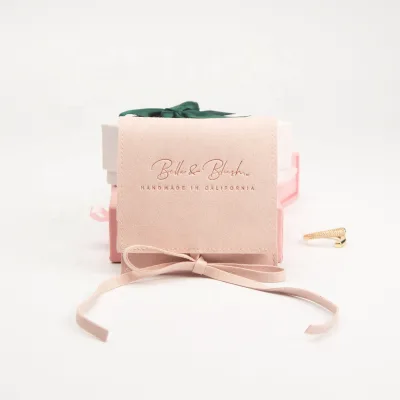


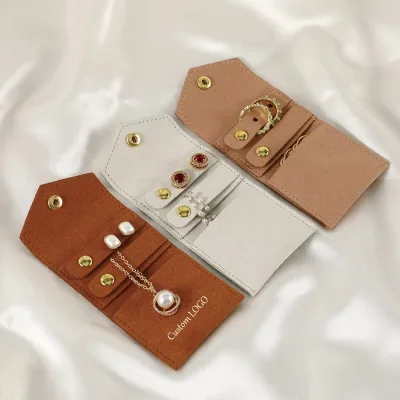




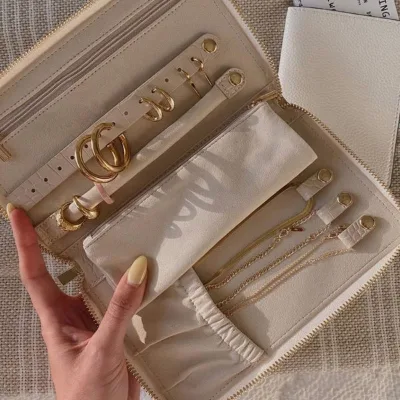


Comprehensive Sourcing Guide
Strategic Sourcing Guide for Pink Custom Jewellery Bags
The global demand for premium packaging solutions has elevated the status of the Pink Custom Jewellery Bag from a simple container to a critical brand asset. For procurement professionals, sourcing these items requires a nuanced understanding of material science, manufacturing capabilities, and supply chain logistics. The market offers a diverse array of options, ranging from microfiber and velvet to suede and satin, each offering distinct tactile and visual properties. This guide provides a disciplined framework for evaluating suppliers, verifying technical specifications, and ensuring that the final product aligns with both aesthetic requirements and operational constraints.
Material Selection and Tactile Specifications
The foundation of a high-quality jewellery bag lies in its material composition. The observed market data indicates a significant variance in raw materials, with microfiber, velvet, satin, cotton, linen, and suede being the most prevalent options. For a "pink" custom jewellery bag, the choice of fabric dictates not only the color saturation but also the perceived value of the jewelry it protects. Microfiber and velvet are frequently cited for their soft, luxurious feel, which is essential for preventing scratches on delicate gemstones and metals. In contrast, suede offers a matte, textured finish that appeals to brands seeking a rustic or artisanal aesthetic.
When evaluating suppliers, buyers must verify the specific GSM (grams per square meter) of the fabric. The available data suggests that GSM can be customized, meaning a single supplier may offer multiple density options. A higher GSM generally correlates with better durability and a more substantial hand-feel, which is crucial for high-end jewelry packaging. However, heavier fabrics may increase shipping costs and reduce the flexibility of the bag during storage. Procurement teams should request physical swatches to assess the weave density and color fastness of the pink dye. It is important to note that while "pink" is a common specification, the exact shade can vary significantly between batches. Therefore, specifying a Pantone code or providing a physical reference sample is a necessary step to ensure color consistency across the order.
Design Customization and Printing Technologies
Customization is a primary driver for the Pink Custom Jewellery Bag market. The data confirms that logo printing is widely available, with suppliers offering multiple techniques including silk screen printing, embossing, stamping, and screen printing. The choice of printing method depends heavily on the fabric texture. For instance, embossing works exceptionally well on velvet and microfiber, creating a raised, tactile logo that adds a layer of sophistication without using ink. Conversely, silk screen printing is ideal for satin or cotton, where ink adhesion is more straightforward.
The shape of the bag is another critical design variable. While the product data lists both "Rectangle" and "Square" shapes, the specific geometry often depends on the intended jewelry type. Square bags may be preferred for rings or small pendants, while rectangular or upright bag styles are better suited for necklaces or bracelets. The "Upright Bag" variety mentioned in the specifications suggests a self-standing capability, which is advantageous for retail display. Buyers should also consider the opening mechanism; drawstring closures are noted as a functional feature that offers security and ease of access. When finalizing the design, it is essential to confirm the maximum printable area and the resolution limits of the chosen printing method to avoid distortion of intricate brand logos.
Technical Standards and Compliance Verification
Compliance and standardization are often overlooked in the early stages of sourcing but are vital for long-term procurement success. The provided facts indicate that some suppliers adhere to ISO9001 and SGS standards, while others operate under OEM (Original Equipment Manufacturer) protocols. These standards serve as indicators of a supplier's commitment to quality management systems and product safety. ISO9001 certification implies a structured approach to quality control, ensuring that the manufacturing process is consistent and repeatable. SGS certification often relates to material safety and testing, which is particularly relevant if the bags are intended for international markets with strict chemical regulations.
However, buyers must exercise caution. The presence of a standard in a product listing does not guarantee that every specific order will be certified. Procurement teams should explicitly request copies of current certification documents and verify their validity with the issuing bodies. Furthermore, while the data mentions "Recyclable" as a feature, this is an attribute that requires verification. Buyers should ask for the specific recycling protocols or certifications (such as FSC, though this is noted as low-confidence background) that support these claims. Understanding the environmental compliance of the raw materials, particularly the polyester and cotton blends, is essential for brands aiming to meet sustainability goals.
Cost Drivers and Economic Considerations
The economic landscape of sourcing pink custom jewellery bags is influenced by several dynamic factors. The observed price range of 0.02 to 12.18 USD highlights a massive disparity in value propositions. This wide range is driven by material costs, order volume, and the complexity of customization. Lower-priced items typically utilize standard polyester or basic microfiber with minimal customization, while higher-priced options likely involve premium fabrics like velvet or satin, complex printing techniques, and smaller production runs.
Minimum Order Quantity (MOQ) is another significant cost driver. The data shows an MOQ range from 50 to 3000 units. For startups or brands testing a new product line, a lower MOQ of 50 allows for market entry with reduced capital risk. However, higher MOQs often result in a lower unit cost due to economies of scale. Buyers must balance the upfront cost against the per-unit savings. Additionally, the lead time, which ranges from 15 to 25 days based on order quantity, impacts cash flow and inventory planning. Rush orders may incur additional fees or require prioritization of production slots, affecting the final cost. Understanding the relationship between volume, material complexity, and lead time is crucial for accurate budgeting.
Supplier Evaluation and Operational Capabilities
Evaluating a supplier goes beyond reviewing a product catalog. The supply chain data indicates a supply capacity of 10,000 pieces per week for some manufacturers, suggesting a robust ability to handle large-scale orders. However, capacity alone does not guarantee reliability. Buyers should assess the supplier's geographic location, with Guangdong, China, being a noted origin point. This region is a hub for textile manufacturing, offering access to a vast ecosystem of raw material suppliers and specialized printing facilities.
When selecting a partner, procurement teams should verify the production process details. The "Composite Packaging Bag" process mentioned in the data implies a multi-layered construction, which can enhance durability but may also complicate recycling efforts. It is essential to understand the entire production workflow, from fabric sourcing to final packing. The data notes that packing details vary, with options like 100 pieces per polybag or 200 pieces per polybag, and carton quantities ranging from 2000 to 3000 pieces. These packing specifications affect logistics efficiency and storage requirements. A supplier that offers flexible packing solutions can help optimize shipping costs and reduce damage during transit.
Quality Control and Long-Term Procurement Strategy
Implementing a rigorous quality control (QC) protocol is non-negotiable for maintaining brand integrity. Given the variability in materials and printing methods, a robust QC plan should include pre-production sample approval, in-process inspections, and final random sampling. Buyers should define clear acceptance criteria for color accuracy, seam strength, and print alignment. The "Elegant" and "Durable" attributes listed in the product data are subjective; therefore, they must be translated into measurable metrics. For example, durability can be tested through abrasion resistance tests, while elegance can be assessed through visual inspection of the fabric finish and logo clarity.
For long-term procurement, building a strategic relationship with the supplier is key. Consistent communication regarding design updates, material changes, and volume fluctuations ensures that the supply chain remains agile. Buyers should also consider the scalability of the supplier. As the brand grows, the ability to increase order volumes without compromising quality or lead times becomes critical. The "Customized Fabric" and "Customized Size" options highlight the potential for deep customization, which can be a competitive advantage. However, this flexibility requires a supplier that is responsive and capable of managing complex specifications. By focusing on these strategic elements, buyers can secure a reliable supply of pink custom jewellery bags that meet both current needs and future growth objectives.
Comparative Analysis of Product Attributes
To facilitate decision-making, the following table summarizes the key attributes observed in the market for pink custom jewellery bags. This comparison helps buyers quickly identify which product profiles align with their specific requirements.
| Attribute Category | Option A: Premium Fabric | Option B: Standard Utility | Option C: Eco-Conscious |
|---|---|---|---|
| Primary Material | Microfiber, Velvet, Satin | Polyester, Suede | Cotton, Linen |
| Typical Shape | Square, Rectangle | Upright Bag | Custom Size |
| Printing Method | Embossing, Stamping | Silk Screen Printing | Screen Printing |
| MOQ Range | 500 - 3000 | 50 - 500 | 500 |
| Lead Time | 15 - 25 Days | 15 - 25 Days | 15 - 25 Days |
| Key Feature | Elegant, Durable | Recyclable, Fashionable | Eco-Friendly, Easy to Carry |
| Standard | ISO9001, SGS | OEM | Custom |
This table illustrates that while lead times are relatively consistent across different product types, the material and MOQ requirements vary significantly. Buyers should use this matrix to filter suppliers based on their specific project constraints, such as budget limits, volume needs, and brand positioning.
Final Procurement Considerations
Sourcing pink custom jewellery bags is a multifaceted process that requires a balance of aesthetic vision and operational pragmatism. By carefully evaluating material specifications, verifying compliance standards, and understanding the cost drivers, buyers can navigate the market effectively. The availability of customization options, from fabric texture to printing techniques, offers immense potential for brand differentiation. However, the success of the procurement effort ultimately depends on rigorous supplier evaluation and a commitment to quality control. As the market continues to evolve, staying informed about new materials and manufacturing processes will ensure that procurement strategies remain competitive and aligned with industry best practices.
FAQs
What materials are available for pink custom jewellery bags?
Available materials include microfiber, velvet, satin, cotton, linen, and suede. Buyers can select from these options based on desired texture and durability, with some suppliers offering customized fabric choices to meet specific brand requirements.
Can I customize the size and shape of the bags?
Yes, sizes can be customized as required by the customer, with options including standard dimensions like 10x12 cm or specific requests. Shapes are available in square, rectangle, and upright bag varieties to suit different jewelry types.
What printing methods are supported for logo customization?
Supported printing methods include silk screen printing, embossing, stamping, and screen printing. These techniques allow for logo customization on various fabrics, with embossing often preferred for velvet and microfiber to create a raised tactile effect.
What is the typical lead time for production?
The lead time ranges from 15 to 25 days based on the order quantity. This duration accounts for the manufacturing process and customization requirements, ensuring timely delivery for orders placed with verified suppliers.
Which suppliers offer ISO9001 or SGS certifications?
Some suppliers adhere to ISO9001 and SGS standards for quality management and product safety. Buyers should explicitly request current certification documents to verify compliance, as these standards indicate a structured approach to quality control.
What is the minimum order quantity for these bags?
The minimum order quantity ranges from 50 to 3000 units depending on the supplier and product model. Lower MOQs like 50 allow for market entry with reduced risk, while higher volumes often secure better unit pricing.
Are these bags recyclable or eco-friendly?
Some products are listed with recyclable features and eco-friendly advantages. Buyers should verify specific recycling protocols or certifications, as material composition like polyester or cotton blends influences the environmental compliance of the final packaging.