Source Stable Anvil Cylinder for Printing, Industrial, and Hydraulic Uses
Find 29 Stable Anvil Cylinder options from Chinese manufacturers. Compare customizable bore, stroke, and pressure ratings for Heidelberg, Komori, and Man Roland printers. Source hydraulic power units and cylinders with ISO and RoHS certifications for diverse industrial applications; compare the available evidence and request quotations based on your requirements.
Key considerations
Products List

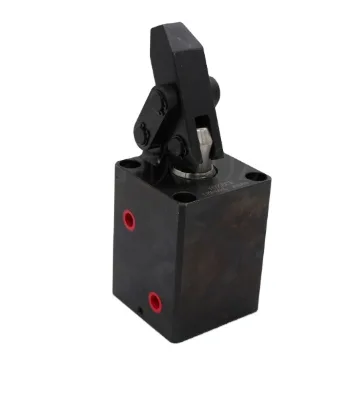
Customizable Stable Operation Adjustable Anvil Cylinder for Paper Jam
$5800.00 - $10000.00
MOQ: 1 Pieces

Customizable Stable Operation Adjustable Anvil Cylinder for Printing Machinery
$5800.00 - $10000.00
MOQ: 1 Pieces


Achieve Stable Performance with Our Customizable Adjustable Anvil Cylinder
$5800.00 - $10000.00
MOQ: 1 Pieces

High Efficiency Adjustable Anvil Cylinder with Reduce Height Difference
$5800.00 - $10000.00
MOQ: 1 Pieces


Robust Stabilizer Cylinder for High Performance in Challenging Environments
$325.00 - $499.00
MOQ: 1 Pieces




Comprehensive Sourcing Guide
Stable Anvil Cylinder Sourcing Guide
Procuring stable anvil cylinders requires distinguishing between general hydraulic components and specialized machinery parts designed for high-pressure stability. The observed market data indicates a diverse range of products, including hydraulic power units and specific cylinder types with customizable bore and stroke dimensions. Buyers must carefully align their specific application needs, such as those for printing presses or industrial machinery, with the available product attributes like high-end steel construction or aluminum alloy variants.
The sourcing landscape reveals significant variability in product specifications, from medium-pressure units to high-pressure systems rated at 21MPa. While some listings highlight specific models like the 7-series or customized hydraulic cylinders, others focus on general power units with gear pumps and synthetic hydraulic oil. This diversity necessitates a rigorous verification process to ensure the selected component matches the exact operational requirements of the intended machinery, particularly regarding pressure ratings and structural integrity.
Product Scope and Observed Listing Signals
The available product listings demonstrate a broad scope ranging from general hydraulic power units to specialized cylinders with piston-type structures and double-acting mechanisms. Buyers will encounter items described with specific dimensions, such as a 280 mm bore and 1750 mm stroke, which are often customizable to fit unique machinery constraints. The presence of both high-end steel and brass materials suggests that the market offers solutions for different environmental conditions and load-bearing requirements, requiring careful selection based on the specific operational environment.
Listing signals also indicate a strong emphasis on customization, with many products offering adjustable forms and regulated types to meet specific client requests. The observed data includes applications for major printing brands like Heidelberg and Komori, alongside general industrial uses where the machine model is defined by the customer. This flexibility allows buyers to source components that integrate seamlessly into existing systems, but it also demands precise communication of technical requirements to avoid mismatches in voltage, pressure, or installation orientation.
Technical Specifications to Verify
Verifying technical specifications is critical when selecting a Stable Anvil Cylinder, particularly regarding pressure ratings and structural design. Buyers must confirm whether the unit operates at medium or high pressure, as the observed data includes systems rated up to 21MPa with piston-type structures. The bore diameter, rod diameter, and stroke length are frequently customizable, with specific examples showing a 280 mm bore and 100 mm rod, ensuring that the physical dimensions align perfectly with the machinery's spatial constraints and force requirements.
Electrical and hydraulic parameters also require strict validation to ensure compatibility with existing plant infrastructure. The observed listings specify a 220V voltage standard and the use of synthetic hydraulic oil, which are essential for maintaining system efficiency and longevity. Additionally, the type of hydraulic valve, such as switch control valves, and the flow control mechanism must be verified to guarantee precise movement and stability during operation, preventing potential failures in high-load scenarios.
Compliance and Safety Documentation
Compliance and safety documentation serve as the foundation for verifying the reliability and legal standing of the sourced components. The market data indicates that suppliers often provide certifications such as ISO, CE, RoHS, and GS, which are vital for ensuring that the products meet international safety and environmental standards. Buyers should request these specific certificates to confirm that the manufacturing processes and material compositions adhere to recognized regulatory frameworks, reducing the risk of non-compliance in their own operations.
Beyond certifications, safety documentation must include detailed information on pressure ratings and operational limits to prevent catastrophic failures. The observed specifications mention high-pressure ratings and specific working methods like straight trip and double-acting mechanisms, which require clear safety guidelines for installation and maintenance. Ensuring that the supplier provides comprehensive manuals and safety data sheets is essential for training operators and maintaining a safe working environment, particularly when dealing with high-pressure hydraulic systems.
Cost Drivers and Commercial Terms
Cost drivers for stable anvil cylinders are heavily influenced by the level of customization and the materials used in construction. The observed listings highlight the use of high-end steel and aluminum alloys, which can significantly impact the final price compared to standard carbon steel options. Customizable features such as specific bore sizes, stroke lengths, and pressure ratings add complexity to the manufacturing process, often resulting in higher unit costs that must be factored into the total procurement budget.
Commercial terms, including minimum order quantities and packaging requirements, also play a crucial role in the overall cost structure. The data shows MOQs ranging from 1 to 100 units, with packaging options varying from individual OPP bags to standard wooden cases designed to prevent moisture and rust damage. Buyers should negotiate these terms carefully, considering the lead times and shipping costs associated with different packaging volumes, to optimize the total cost of ownership while ensuring the products arrive in pristine condition.
Supplier Qualification and Quality Control
Supplier qualification is paramount when sourcing stable anvil cylinders, as the market includes both manufacturers and factories with varying levels of expertise. The observed data identifies the business type as a manufacturer or factory, suggesting a direct supply chain that can offer better control over quality and customization. Buyers should verify the supplier's production capabilities, specifically their ability to handle customized models and their experience with high-pressure hydraulic systems, to ensure they can meet the specific demands of the project.
Quality control processes must be rigorously evaluated to guarantee the longevity and performance of the purchased cylinders. The listings mention inspection cycles ranging from three to six months, indicating a commitment to regular quality checks. Buyers should request detailed quality assurance protocols, including material testing and pressure testing results, to confirm that the products meet the specified standards. Establishing a clear quality control framework with the supplier is essential for maintaining consistent product performance and minimizing the risk of defects.
Long-Term Procurement Checks
Long-term procurement checks are essential for maintaining the reliability and performance of stable anvil cylinders over their operational lifespan. Buyers should establish a schedule for regular inspections, leveraging the observed inspection cycles of three to six months to monitor wear and tear on critical components like seals and pistons. Proactive maintenance planning helps identify potential issues before they lead to system failures, ensuring continuous operation and reducing downtime in industrial settings.
Building a strong, long-term relationship with the supplier is another key aspect of successful procurement. Given the customizable nature of the products, ongoing communication ensures that future replacements or upgrades align with evolving machinery needs. Buyers should maintain open channels for technical support and feedback, allowing for quick resolution of any issues and facilitating continuous improvement in the supply chain. This collaborative approach fosters trust and ensures a steady supply of high-quality components tailored to specific operational requirements.
FAQs
Can stable anvil cylinders be customized for specific models?
Yes, stable anvil cylinders are fully customizable for specific models as requested by customers. The product model is listed as customized, and the applicable model range spans from 250 to 650. This flexibility allows integration into various machinery setups without requiring standard off-the-shelf units.
What materials are used for Stable Anvil Cylinder construction?
Stable anvil cylinders utilize high-end steel and aluminum alloy for their primary construction. Some components may also incorporate brass or carbon steel depending on the specific part requirements. These materials ensure durability and performance under medium to high-pressure operating conditions.
How is the installation process configured for these cylinders?
The installation is configured for horizontal mounting to ensure optimal operational stability. The working method involves a straight trip acting way, which is double-acting for efficient power transmission. This setup supports the rated working pressure of 21MPa during standard operations.
What certifications do Stable Anvil Cylinder manufacturers hold?
Manufacturers of these cylinders hold ISOCE, RoHS, and GS certifications to ensure compliance with international standards. These certifications verify that the production processes meet rigorous safety and quality requirements. Buyers can rely on these credentials when sourcing from verified factories in China.
What is the minimum adjustment value for the cylinder?
The minimum adjustment value for the cylinder is precisely 0.001 mm. This high level of precision allows for fine-tuning during operation to maintain stability. Such accuracy is critical for applications requiring exact positioning and consistent performance in industrial machinery environments.
Which hydraulic components are integrated into the system?
The system integrates a gear-type hydraulic motor, a gear pump, and a switch control valve. Synthetic hydraulic oil is used as the fluid, and an adjusting valve manages flow control. These components work together to deliver reliable power unit performance under normal temperature conditions.
How are the cylinders packaged for shipping?
Cylinders are packaged in standard wooden cases designed to prevent moisture and rust damage. The package volume ranges from 0.03 to 0.5 cubic meters per piece. This robust packaging ensures safe transport and protection of the customizable bore and stroke dimensions during international shipping.