Source Plastic Paint Roller Tray for Textile, Furniture, and Electronics
Compare 30 Plastic Paint Roller Tray options from Jiangsu suppliers for industrial and civil applications. Buyers can evaluate specifications like wire material, size, and customization for textile printing, wooden furniture, and electrical electronics projects.
Key considerations
Products List


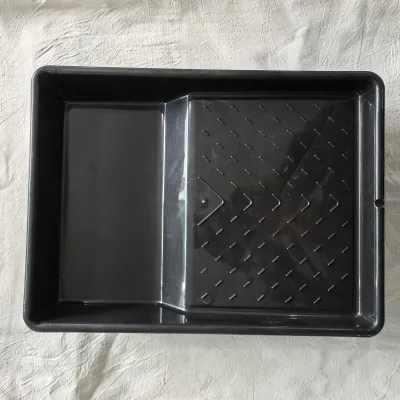
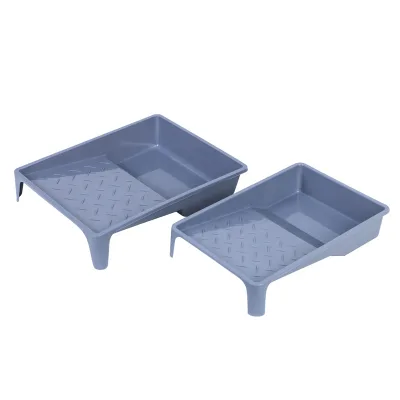
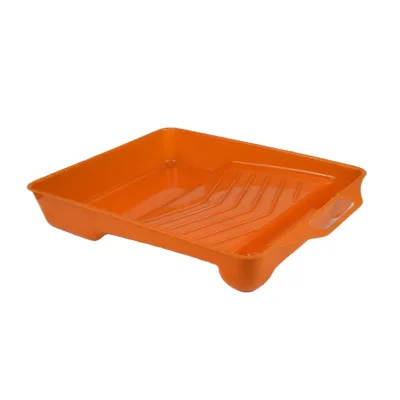
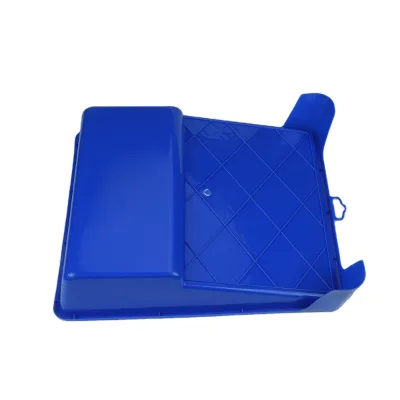


Comprehensive Sourcing Guide
Strategic Sourcing Guide for Plastic Paint Roller Trays
Procuring industrial-grade plastic paint roller trays requires a disciplined approach that balances technical specifications with supply chain reliability. The market for these components is diverse, ranging from simple civil applications to complex industrial machinery integration. Buyers must navigate a landscape where product attributes vary significantly between suppliers, particularly regarding material composition, dimensional standards, and customization capabilities. This guide outlines the essential factors for evaluating potential suppliers and ensuring the selected products meet rigorous operational requirements without relying on unverified market claims.
Technical Specifications and Material Composition
The foundation of a successful procurement strategy lies in understanding the specific technical attributes of the product. In the current market, plastic paint roller trays are defined by a distinct set of material and dimensional characteristics. The primary material observed in high-volume listings is Plastic PP (Polypropylene), chosen for its durability, chemical resistance, and cost-effectiveness. However, buyers must verify the specific grade of plastic, as some listings indicate "Plastic" generally, while others specify "Plastic PP." This distinction is critical for applications involving harsh solvents or aggressive cleaning agents.
Dimensional consistency is another paramount specification. Sourcing data indicates a wide variance in standard sizes, with specific models adhering to metrics such as 3322cm, 3727cm, and 8-inch configurations. Other listings reference imperial measurements like 6-10 inches or specific lengths of 37cm. When evaluating a supplier, it is essential to confirm whether the product standard aligns with the specific roller size required for the application. For instance, a model with a standard of 15031262mm suggests a specialized industrial form factor, whereas a 7-inch standard is more typical for general painting tasks.
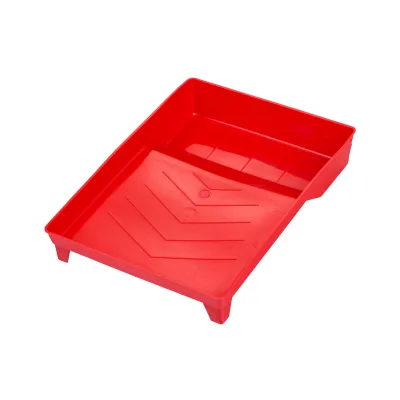
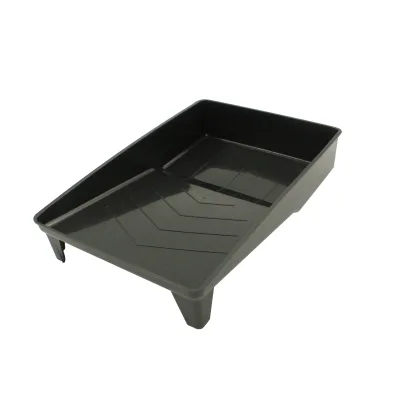
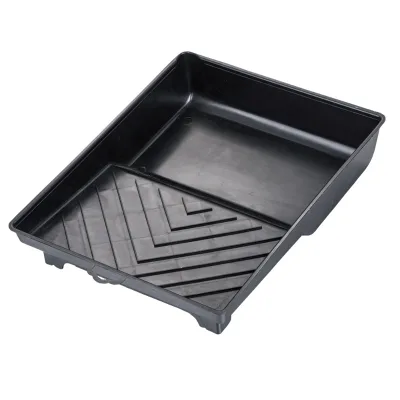
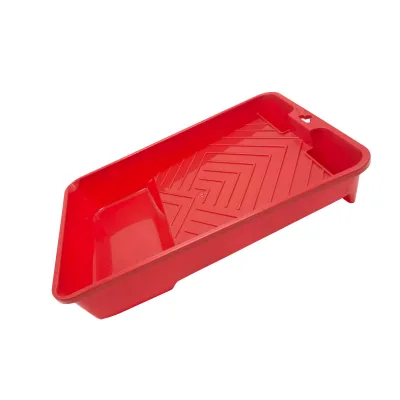
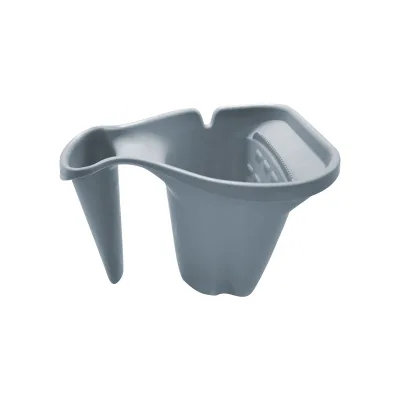
The shape of the tray also dictates its utility. Available configurations include Rectangle, Square, Oval, and Long shapes. Some suppliers offer "Rectangle or Customize" options, indicating flexibility in mold design. The depth of the tray is equally important for paint capacity and spill prevention; observed data points to a depth of 10cm for certain industrial models. Buyers should request detailed dimension sheets that explicitly state Length, Width, and Depth to ensure compatibility with existing roller frames and storage systems.
Customization Capabilities and Production Models
One of the most significant differentiators in the plastic roller tray market is the level of customization available. The supply chain exhibits a bifurcation between standardized and custom-manufactured goods. High-confidence data confirms that "Customization" is available for many products, allowing buyers to tailor dimensions, colors, and branding. Conversely, other listings explicitly state "Non-Customized," indicating off-the-shelf inventory that may offer faster lead times but less flexibility.
The product model numbers serve as a primary identifier for these variations. Models such as MSN-PT-001, MSN-PT-003, PT-014, and PTA-007 represent distinct design iterations. Some models, like ST014 and ST016, are associated with specific dimensional standards (e.g., 3322cm or 3727cm). When engaging with a supplier, buyers should inquire about the feasibility of modifying these base models. For example, while the standard color is often White, Black options are also available in the market. If a specific color or shape is required for brand consistency or functional reasons, the supplier must confirm their ability to produce "Customized" versions rather than relying on "Non-Customized" stock.
Packaging standards also vary and can impact logistics costs. Observed packaging methods include individual "Box" packaging, "Carton" packaging, and bulk configurations such as "60 PCS Per Carton." These variations directly influence the unit cost and the efficiency of the shipping process. A buyer sourcing for a large construction project might prefer the 60 PCS Per Carton option to minimize handling, whereas a smaller contractor might require individual box packaging for retail display.
Compliance, Certification, and Quality Verification
In the realm of B2B procurement, compliance is often a prerequisite for market access, particularly in industries like Food & Drinks, Environmental Protection, and Electrical & Electronics. While some background information suggests the existence of ISO 9001 and REACH certifications, these should not be assumed as universal standards for all listed products. Buyers must treat these as verification points rather than inherent attributes.
The application of the tray determines the necessary compliance checks. For instance, trays used in the Food & Drinks industry must meet specific hygiene and material safety standards. Similarly, those used in Environmental Protection or Electrical & Electronics sectors may require resistance to specific chemicals or fire-retardant properties. The "Wire Material" listed as "Bristle" or "Nylon" in related brush products highlights the complexity of the broader product category, but for roller trays, the focus remains on the plastic material's purity and safety.
Buyers should explicitly request certification documents from the supplier. Do not rely on general market claims. Instead, ask for proof of material safety data sheets (MSDS) and specific compliance certificates relevant to the intended application. If a supplier claims their plastic PP material is suitable for food contact, they must provide documentation verifying this claim. Similarly, if the product is marketed for use in the textile printing and dying industry, the material must demonstrate resistance to dyes and solvents. The absence of specific certification data in the initial product listing should trigger a request for verification before placing an order.
Cost Drivers and Economic Considerations
The pricing structure for plastic paint roller trays is influenced by several key variables, including material costs, customization levels, and order volume. The observed price range in the market spans from $0.10 to $11.00 USD, a significant variance that reflects differences in quality, size, and complexity. The lower end of the spectrum likely corresponds to basic, non-customized models with standard dimensions, while the higher end may include specialized industrial trays with custom shapes or premium materials.
Minimum Order Quantity (MOQ) is another critical economic factor. The market data indicates an MOQ range of 100 to 8,000 units. This wide range suggests that suppliers cater to different buyer profiles, from small workshops to large-scale industrial distributors. Buyers with lower volume needs must be prepared to negotiate or accept higher per-unit costs, whereas large-volume purchasers can leverage economies of scale to reduce costs. However, buyers should be cautious of suppliers demanding high MOQs without offering clear cost-benefit analysis.
The origin of the product also plays a role in cost. Products originating from Jiangsu, China, are prominent in the current market data. While this region is a known manufacturing hub, buyers should verify the specific factory location and associated logistics costs. Shipping from a specific port in Jiangsu may differ in cost and lead time compared to other regions. Additionally, the condition of the product is listed as "New," which is a standard expectation, but buyers should ensure that "New" implies factory-fresh inventory rather than refurbished or returned goods.
Typical Applications and Industry Fit
Plastic paint roller trays are versatile tools designed for a wide array of applications. The observed usage data highlights their deployment in Industrial Brushes, Civil Brushes, and specialized machinery. The specific applications listed include Textile Printing and Dying, Wooden Furniture manufacturing, Environmental Protection projects, and Electrical & Electronics assembly. This diversity underscores the need for buyers to match the tray's specifications to the specific demands of their industry.
For example, in the Wooden Furniture sector, trays must withstand frequent cleaning and potential exposure to varnishes and stains. In the Environmental Protection sector, the trays might be used in large-scale coating operations where durability and capacity are paramount. The "Function" of the tray is often listed as "Painting," but this can range from fine-detail work in Electrical & Electronics to heavy-duty coating in Machinery manufacturing.
The shape and size of the tray are directly linked to these applications. A "Long" shape or "Rectangle" tray might be preferred for large surface areas in civil construction, while an "Oval" or "Square" shape might be better suited for detailed work in furniture finishing. Buyers should analyze their specific workflow to determine the optimal shape and size. For instance, a tray with a standard of 37*27cm and a depth of 10cm offers a large capacity suitable for high-volume painting tasks, whereas a smaller 7-inch tray is more maneuverable for intricate work.
Supplier Evaluation and Quality Control Protocols
Selecting the right supplier requires a rigorous evaluation process that goes beyond price and product listings. Buyers should assess the supplier's ability to maintain consistent quality across large production runs. The presence of multiple product models (e.g., MSN-PT-001, PTA-007, ST016) suggests a supplier with a diverse manufacturing capability, but this does not guarantee quality consistency for every model.
Quality control protocols should be a central part of the supplier evaluation. Buyers must inquire about the testing procedures used to verify the durability and dimensional accuracy of the trays. While specific test results are not provided in the general market data, a reputable supplier should be able to demonstrate their internal quality assurance processes. This includes checks for material integrity, dimensional tolerance, and surface finish.
The "Condition" of the product being "New" is a baseline requirement, but buyers should also verify the packaging integrity. Whether the product is packed in a "Box" or "Carton," the packaging must protect the trays from damage during transit. For bulk orders, the "60 PCS Per Carton" configuration must be robust enough to prevent crushing or deformation.
Furthermore, buyers should evaluate the supplier's responsiveness to customization requests. A supplier that offers "Customized" options should have a clear process for handling design changes, including mold creation and prototyping. This capability is essential for buyers with unique requirements that cannot be met by standard models.
Long-Term Procurement and Supply Chain Stability
Sourcing plastic paint roller trays is not merely a one-time transaction but a strategic partnership that impacts long-term operational efficiency. Buyers should consider the stability of the supply chain, including the supplier's ability to maintain consistent lead times and inventory levels. The observed lead times and production capacities vary, and buyers must ensure that the supplier can meet their demand spikes without compromising quality.
The "prod_origin" of Jiangsu, China, indicates a specific supply chain corridor. Buyers should monitor geopolitical and logistical factors that could affect shipping from this region. Diversifying suppliers or maintaining a buffer stock can mitigate risks associated with supply chain disruptions. Additionally, the "Customization" availability suggests that suppliers can adapt to changing market needs, but buyers should ensure that these adaptations do not lead to significant delays or cost overruns.
Finally, buyers should establish clear communication channels with suppliers to address any quality issues or specification mismatches promptly. A proactive approach to supplier management, including regular audits and performance reviews, ensures that the procurement process remains efficient and effective over the long term. By focusing on technical specifications, compliance, and supplier reliability, buyers can secure a steady supply of high-quality plastic paint roller trays that meet their specific operational needs.
FAQs
What customization options are available for plastic paint roller trays?
Customization is available for many products, allowing buyers to tailor dimensions, colors, and branding. However, some listings explicitly state non-customized options for off-the-shelf inventory. Buyers must verify if a specific shape or color like black is feasible rather than relying on standard white stock.
Which material grades are used for industrial plastic paint roller trays?
The primary material observed is Plastic PP (Polypropylene), chosen for its durability and chemical resistance. Some listings indicate general plastic, so buyers must verify the specific grade for applications involving harsh solvents. The wire material for related brushes may be nylon or bristle, but trays focus on plastic purity.
How do dimensions vary across different Plastic Paint Roller Tray models?
Dimensions vary significantly, with specific models adhering to metrics like 33*22cm, 37*27cm, or 8-inch configurations. Other listings reference imperial measurements like 6-10 inches or specific lengths of 37cm. Buyers should request detailed dimension sheets stating length, width, and depth to ensure compatibility with existing roller frames.
Can plastic paint roller trays be used in the food and drinks industry?
Trays are listed for applications including Food & Drinks, Environmental Protection, and Electrical & Electronics. However, buyers must treat compliance claims as verification points rather than inherent attributes. Specific documentation like material safety data sheets is required to confirm suitability for food contact or chemical resistance in these sectors.
What is the typical price range and minimum order quantity for these trays?
The observed price range spans from $0.10 to $11.00 USD, reflecting differences in quality and size. The minimum order quantity ranges from 100 to 8,000 units, catering to various buyer profiles. Buyers with lower volume needs may face higher per-unit costs compared to large-volume purchasers leveraging economies of scale.
Which packaging methods are commonly used for shipping plastic paint roller trays?
Observed packaging methods include individual box packaging, carton packaging, and bulk configurations like 60 pieces per carton. These variations directly influence unit costs and shipping efficiency. Buyers should ensure the packaging protects trays from damage during transit, especially for bulk orders requiring robust carton integrity.
Where are the plastic paint roller trays typically manufactured?
Products originate from Jiangsu, China, which is a prominent manufacturing hub in the current market data. While this region is known for production, buyers should verify the specific factory location and associated logistics costs. Shipping from a specific port in Jiangsu may differ in cost and lead time compared to other regions.