Source PLC Ferment Pasta Production Line for Macaroni, Spaghetti, and Noodle
Find 30 suppliers offering a PLC Ferment Pasta Production Line for macaroni, spaghetti, and noodle manufacturing. Compare capacities ranging from 150 to 300kg/hr, motor brands like Siemens, and stainless steel construction to select the right automatic extrusion equipment.
Key considerations
Products List


Industrial Pasta Line Macaroni Production Line Dry Pasta Production Line
$8500.00 - $26800.00
MOQ: 1 Sets

Industrial Macaroni Production Line Pasta Line Pasta Factory Equipment
$15500.00 - $16500.00
MOQ: 1 Sets


Pasta Machine Macaroni Production Line Macaroni Pasta Production Line for Sale
$6500.00 - $26800.00
MOQ: 1 Sets

Macaroni Production Line Food Processing Machine Pasta Production Line
$11500.00 - $12000.00
MOQ: 1 Pieces

Macaroni Production Line Italian Pasta Production Line Pasta Extruder Machine
$21000.00 - $22000.00
MOQ: 1 Pieces


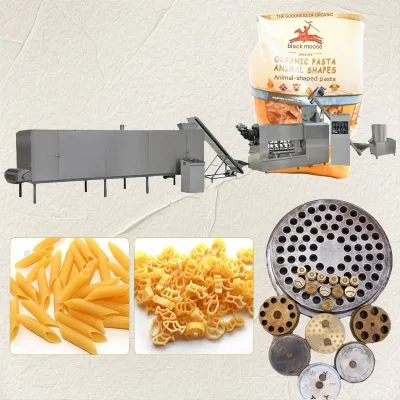

Large Output Pasta Production Line Pasta Machine Macaroni Production Equipment
$2800.00 - $4000.00
MOQ: 1 Pieces


Comprehensive Sourcing Guide
Strategic Sourcing Guide for PLC-Controlled Pasta and Macaroni Production Lines
The global demand for automated food processing equipment has driven a significant shift toward fully integrated production lines that combine precision engineering with programmable logic control (PLC) systems. For buyers researching the core keyword "PLC Ferment Pasta Production Line," it is critical to understand that while the term "ferment" is often associated with dough-based products like bread, the specific product data available for pasta and macaroni lines highlights a different set of operational priorities. The available market data indicates a focus on mixing, extruding, cutting, and drying processes rather than fermentation cycles. This guide provides a disciplined, evidence-based framework for evaluating these systems, ensuring that procurement decisions are grounded in verified technical specifications, compliance standards, and operational realities found in current listings.
Technical Architecture and Process Integration
The core of a modern pasta production line lies in its ability to automate the transition from raw flour to finished macaroni or spaghetti. Based on observed product attributes, these systems are defined by a specific sequence of operations: mixing, extruding, cutting, and drying. The "PLC" aspect of the keyword implies a centralized control unit that manages these stages, ensuring consistency in temperature, pressure, and speed. The data confirms that the production process is classified under "Thermal Processing," which is essential for the drying phase that determines the final shelf life and texture of the pasta.
A critical technical observation is the variability in capacity. Listings indicate production ranges from 150-250 kg/hr to 150-300 kg/hr. When evaluating a PLC-controlled line, buyers must verify that the control system can handle the specific throughput requirements of their facility without creating bottlenecks. The motor brands cited in the market data, such as Siemens and ABB, are standard indicators of high-reliability drive systems. These motors are integral to the extrusion process, where the dough is forced through dies to create the specific shape. The ability to change the shape of the pasta, such as switching between macaroni and spaghetti, is a key feature, often facilitated by the PLC adjusting the extrusion parameters and the cutting mechanism.
The raw materials processed by these lines are diverse, including semolina, wheat flour, corn flour, and rice flour. The PLC system must be capable of managing the hydration ratios and mixing times required for these different flour types. The data specifies that the screw materials are made of 38CrMoAl Alloy Steel, a choice that directly impacts the longevity of the extrusion screw. This material selection is a crucial technical specification that buyers should verify in the engineering drawings of any proposed line, as it ensures the equipment can withstand the abrasive nature of semolina without premature wear.
Compliance, Certification, and Material Standards
In the food processing industry, compliance is not merely a regulatory hurdle but a fundamental requirement for market access. The product data explicitly lists certifications such as CE, ISO, and SGS. These certifications are vital for verifying that the electrical and mechanical safety standards of the production line meet international requirements. Specifically, the "ISOCE" and "CE, ISO" designations suggest adherence to European safety directives and international quality management systems. Buyers must request the actual certification documents to confirm that the specific model, such as the DLG110 or GY series, is covered under these valid certificates.
Material standards are equally critical. The data repeatedly emphasizes the use of "Stainless Steel Food Grade Materials." This is a non-negotiable attribute for any equipment that comes into direct contact with food. The specific standard mentioned in the context is "Stainless Steel Food Grade Materials," which implies the use of grades like 304 or 316 stainless steel, known for their corrosion resistance and ease of cleaning. Buyers should verify the specific grade of stainless steel used in the mixing bowls, extrusion chambers, and drying tunnels. The absence of a specific grade number in the general listing requires the buyer to demand this detail from the supplier to ensure it meets local food safety regulations.
Furthermore, the "Automatic Grade" of the machine is a key compliance factor. The data indicates these are "Automatic" and "Advanced Fully Automatic Production Line" systems. This level of automation reduces human error and potential contamination risks, which is a primary concern for food safety audits. The presence of a PLC allows for precise monitoring of these automated processes, ensuring that every batch meets the required quality parameters before it leaves the facility.
Cost Drivers and Economic Considerations
The economic landscape of sourcing a pasta production line is influenced by several distinct factors. The observed price range in the market is exceptionally wide, spanning from $736 to $3,000,000. This variance is not indicative of a single product category but rather reflects the difference between small-scale pilot units and large-scale industrial complexes. The lower end of this range likely corresponds to basic, semi-automatic, or smaller capacity units, while the higher end represents fully automated, PLC-controlled lines with extensive drying capabilities and high throughput.
When analyzing cost, the "MOQ" (Minimum Order Quantity) is a significant factor. The data shows an MOQ of 1 set for these lines, which suggests that buyers can procure a single production line without needing to commit to a bulk order. This flexibility is beneficial for small to medium-sized enterprises looking to enter the pasta market. However, the "Delivery" term is listed as "Arrange by Sellers," which implies that lead times and shipping costs are variable and must be negotiated on a case-by-case basis. Buyers should not assume a fixed lead time and must clarify the delivery schedule during the procurement phase.
Another cost driver is the "Customized" nature of the equipment. The data confirms that customization is available, including the ability to change the pasta shape and potentially the capacity. Customization inevitably adds to the cost and lead time. Buyers must balance the need for specific features, such as a unique drying profile or a specific motor brand, against the budget constraints. The "Product Formula" being provided by the seller is a value-added service that can reduce the initial R&D costs for the buyer, but it should be evaluated for its long-term viability and whether the buyer retains the rights to modify the formula.
Typical Applications and Production Versatility
The applications for these production lines are primarily focused on the food processing industry, specifically for the manufacture of pasta, macaroni, and noodles. The data explicitly lists "Noodle" and "Macaroni Pasta" as the final products. The versatility of the machine is highlighted by the ability to change the shape of the pasta with the mold. This adaptability allows a single production line to produce a variety of products, from standard spaghetti to complex macaroni shapes, making it suitable for manufacturers who wish to diversify their product portfolio without investing in multiple dedicated lines.
The "Applicable Industry" is listed as "Food Processing Machine," which is a broad category. However, the specific process steps—mixing, extruding, cutting, and drying—indicate that these lines are designed for dry pasta production. The "Thermal Processing" step is crucial for drying the pasta to a moisture content that ensures long-term storage stability. Buyers should consider the specific drying requirements of their target market. For instance, some markets may require a slower drying process to preserve the texture and nutritional value of the pasta, while others may prioritize speed and efficiency.
The "Production Name" varies, with terms like "Pasta Macaroni Spaghetti Machine" and "Pasta Production Line" appearing in the data. This variation in naming conventions can sometimes lead to confusion. Buyers must ensure that the technical specifications of the machine they are purchasing align with the intended application. For example, a line designed for "Noodle" production might have different moisture control requirements compared to a line designed for "Macaroni." Clarifying the specific end-product requirements is essential before finalizing the procurement.
Supplier Evaluation and After-Sales Support
Evaluating a supplier for a PLC-controlled pasta production line requires a focus on technical capability and after-sales support. The data indicates that the "Company Type" is a "Real Factory," which suggests that the supplier has direct manufacturing capabilities rather than acting as a mere trading company. This is a positive indicator for quality control and the ability to provide genuine spare parts. The "Motor Brand" and "Inverter Brand" are listed as Siemens, ABB, or Delta, which are reputable international brands. Buyers should verify that the specific components installed in the machine match these brand claims, as counterfeit or lower-grade components can compromise the performance of the PLC system.
After-sales service is a critical component of the procurement process. The data specifies that the "After Sales Service" includes the seller sending an engineer for installation and training. This is a vital service, as the complexity of a PLC-controlled line requires specialized knowledge for setup and operation. The "Warranty Period" is listed as 1 year after the engineer finishes installation. Buyers must ensure that the warranty terms are clearly defined in the contract, including what is covered and the response time for service calls. The "Spare Parts" are also provided by the seller, which is essential for minimizing downtime. Buyers should negotiate a comprehensive spare parts package that includes critical components like screws, dies, and PLC modules.
Quality Control and Long-Term Procurement Strategy
Implementing a robust quality control strategy is essential for the long-term success of a pasta production line. The "Machine Warranty" of 1 year provides a baseline for quality assurance, but buyers should also consider the "Screw Materials" and "Machine Materials" as indicators of long-term durability. The use of 38CrMoAl Alloy Steel for the screw and Stainless Steel for the main structure suggests a design focused on longevity. However, buyers should establish a regular maintenance schedule to ensure these components continue to perform optimally.
The "Degree of Automatic" is listed as "Automatic," which implies a high level of process control. To maintain quality, buyers should invest in training their staff to utilize the PLC system effectively. The "Product Formula" provided by the seller can serve as a starting point, but buyers should work with their own food scientists to optimize the formula for their specific raw materials and equipment. This ensures that the final product meets the desired taste and texture standards.
Long-term procurement considerations also include the scalability of the production line. As the business grows, the buyer may need to increase capacity. The "Capacity" ranges of 150-250 kg/hr and 150-300 kg/hr suggest that there are different models available for different scales of operation. Buyers should plan for future expansion and consider whether the current PLC system can be upgraded or if a new line will be required. The "Customization" feature allows for some flexibility, but significant capacity increases may require a new machine.
Comparative Analysis of Production Line Specifications
To assist buyers in making informed decisions, the following table summarizes the key technical and operational attributes observed in the market data. This comparison highlights the variations in capacity, materials, and certifications that buyers should consider during the sourcing process.
| Attribute | Model DLG110 | Model DLG | Model GY Series |
|---|---|---|---|
| Capacity | 150-300 kg/Hr | 150-250 kg/Hr | Not Specified |
| Raw Materials | Wheat Flour etc | Semolina, Wheat Flour, Corn Flour, Rice Flour | Not Specified |
| Process Steps | Mixing, Extruding, Cutting, Drying | Mixing, Extruding, Drying | Not Specified |
| Screw Material | 38CrMoAl Alloy Steel | Not Specified | Not Specified |
| Machine Material | Stainless Steel | Stainless Steel | Not Specified |
| Certification | Not Specified | CE, ISO | SGS, CE, ISO |
| Motor Brand | Siemens, China Famous Brand | ABB/ Siemens | Not Specified |
| Inverter Brand | Not Specified | ABB/ Delta | Delta Brand |
| Warranty | 1 Year After Installation | 1 Year | Not Specified |
| Packing | Wooden Case Package | Standard Shipping Packaging | Film & Wooden Box Packing |
This table illustrates that while there are commonalities in the use of stainless steel and specific motor brands, there are significant differences in the detailed specifications. Buyers must carefully review the datasheets for each model to ensure they meet their specific operational needs. The variation in process steps, such as the inclusion of "Cutting" in the DLG110 but not explicitly listed for the DLG, suggests that the level of automation and integration may differ between models.
Conclusion
Sourcing a PLC-controlled pasta production line requires a meticulous approach that balances technical specifications, compliance requirements, and economic factors. The available data provides a solid foundation for understanding the capabilities of these machines, from their capacity ranges to their material standards. Buyers must verify the specific certifications, such as CE and ISO, and ensure that the materials used meet food-grade standards. The wide price range and the availability of customization options offer flexibility, but they also necessitate a thorough evaluation of the supplier's technical support and after-sales service. By focusing on the verified attributes of the production line, such as the screw materials, motor brands, and process steps, buyers can make informed decisions that ensure the long-term success and efficiency of their pasta manufacturing operations. The emphasis on "Real Factory" suppliers and the provision of installation and training services further underscores the importance of selecting a partner who can support the entire lifecycle of the equipment.
FAQs
What raw materials can the pasta line process?
The machine processes semolina, wheat flour, corn flour, and rice flour. These materials are compatible with the mixing and extrusion stages of the production line to create various pasta shapes.
How is the pasta shape changed on the line?
The pasta shape can be changed with the mould. This allows the production line to switch between different forms like macaroni or spaghetti without requiring a complete equipment overhaul.
Which motor brands are used in this equipment?
The equipment utilizes motor brands such as Siemens, ABB, or China famous brands. These high-reliability motors drive the extrusion process to ensure consistent performance and durability.
Can the production capacity be customized for my needs?
Yes, the machine offers customized options including capacity adjustments. Listings show capacities ranging from 150 to 300 kg per hour depending on the specific model configuration selected.
What is the warranty period for the installation?
The warranty period is 1 year after the engineer finishes installation. This coverage ensures support for the equipment following the initial setup and training provided by the seller.
Which certifications does the production line hold?
The line holds certifications including CE, ISO, and SGS. These standards verify that the equipment meets international safety and quality requirements for food processing machinery.
How is the screw material selected for longevity?
The screw materials are made of 38CrMoAl alloy steel. This specific material is chosen for its long lifetime and ability to withstand the abrasive nature of pasta production.